The 8 Worst Foods for Your Hormonal Health, And How They’re Affecting Your Mood
Hormones are the body’s chemical messengers, dictating everything from mood swings to metabolism. But while we may focus on exercise and stress management to maintain hormonal balance, what we eat plays a huge role in keeping these messengers in check. A poor diet can disrupt the delicate balance of hormones, leading to a cascade of unwanted effects such as irritability, fatigue, and even mood swings.
Some foods, while seemingly harmless, can wreak havoc on your hormonal health and cause long-term damage. In this article, we’ll explore eight foods that can mess with your hormones and impact your mood. More importantly, we’ll also discuss ways to protect your health while satisfying your cravings.
Processed Sugars
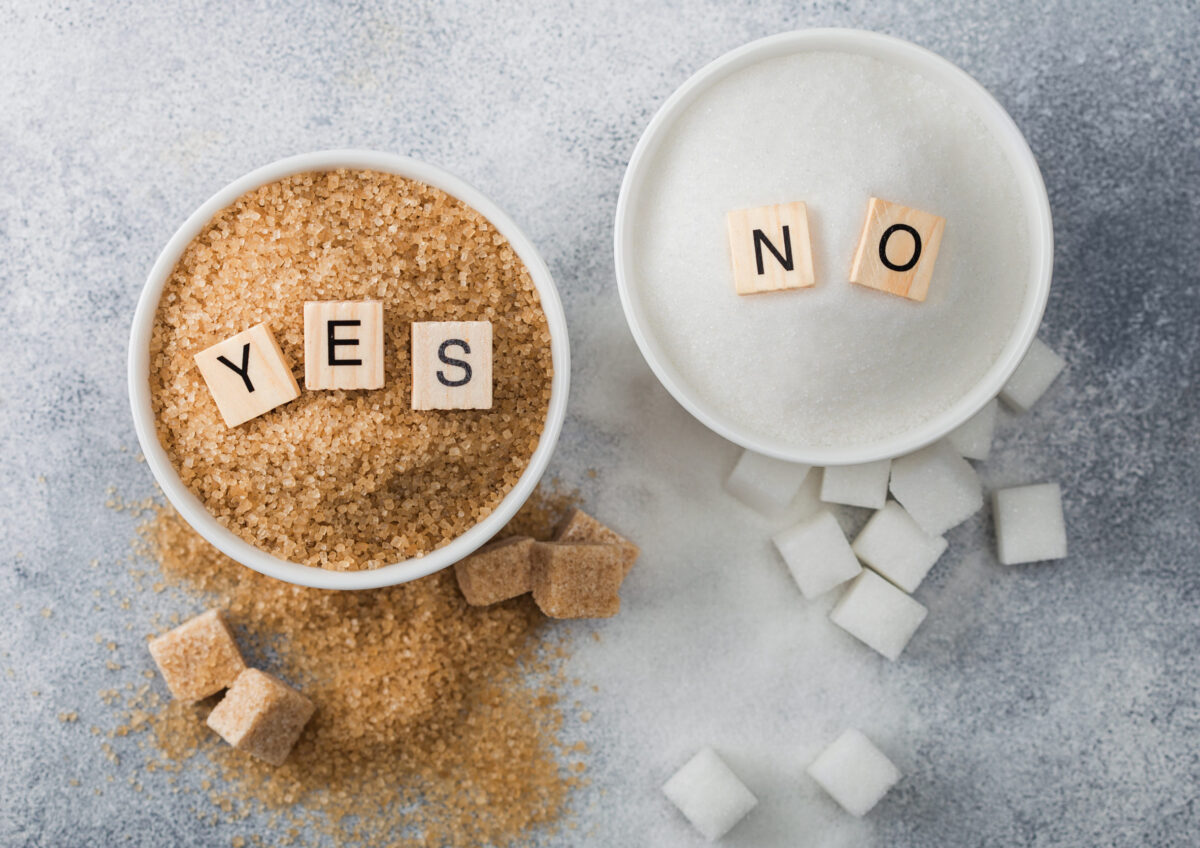
Sugar is one of the primary culprits when it comes to hormonal imbalances. When we consume too much sugar, we throw our insulin levels out of whack. Insulin, a hormone produced by the pancreas, regulates blood sugar levels. However, when we over-consume sugar, the body becomes insulin-resistant, which can lead to a host of problems, including increased fat storage and inflammatory responses. This insulin resistance is linked to conditions like polycystic ovary syndrome (PCOS), which can trigger mood swings and irritability due to hormonal fluctuations.
The spikes and crashes in blood sugar levels caused by excess sugar intake can also affect serotonin, a neurotransmitter that regulates mood. As blood sugar spikes, your body releases insulin to bring it back down, but this can cause a mood crash as serotonin levels dip. This rollercoaster effect can leave you feeling tired, sluggish, and grumpy.
Tip: Reduce your intake of sugary snacks, sodas, and baked goods. Opt for natural sweeteners like honey or maple syrup in moderation, and pair them with fiber-rich foods to help balance insulin levels.
Caffeine
While a morning cup of coffee can provide an energy boost, excessive caffeine intake can disrupt hormone levels, especially cortisol. Cortisol, often called the “stress hormone,” is produced by the adrenal glands in response to stress. High levels of cortisol can lead to anxiety, irritability, and poor sleep.
Caffeine stimulates the release of cortisol, which can lead to prolonged alertness and stress. When consumed in excess, caffeine can contribute to chronic stress, affecting mood and energy levels. This overstimulation can also cause anxiety and an inability to relax.
Tip: Limit your caffeine intake to no more than two cups a day and avoid consuming it in the late afternoon or evening to prevent sleep disturbances.
Dairy
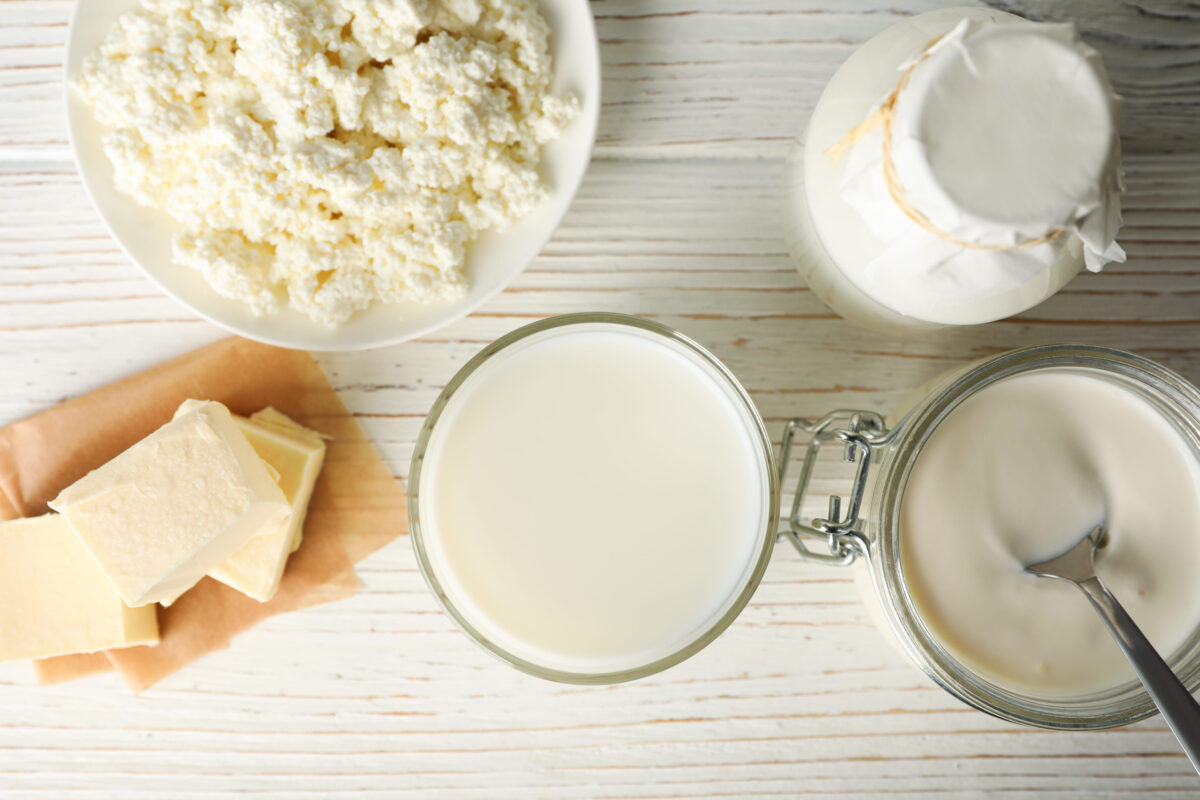
Dairy products like milk, cheese, and yogurt may be rich in calcium and protein, but they can also contain hormones that disrupt your own hormonal balance. Dairy cows are often given synthetic hormones to increase milk production, which can end up in the milk that we consume. These hormones can interfere with the body’s natural hormonal rhythms and contribute to problems like acne, mood swings, and even infertility.
Additionally, some people are sensitive to lactose or have difficulty digesting dairy, leading to gut inflammation. A compromised gut can lead to systemic inflammation, which, in turn, can affect hormone regulation and overall mood stability.
Tip: If you suspect that dairy is affecting your hormones or mood, consider switching to plant-based alternatives like almond, oat, or coconut milk.
Refined Carbs
Refined carbohydrates, such as white bread, pastries, and pasta, may taste delicious but can wreak havoc on your hormonal health. These carbs are quickly converted to glucose in the body, causing blood sugar levels to spike. As a result, your body produces insulin to bring blood sugar levels back to normal, leading to an insulin surge that can disrupt hormonal balance over time.
Chronic consumption of refined carbs can also lead to elevated cortisol levels, the stress hormone. As cortisol levels increase, it can disrupt the balance of other hormones, such as estrogen and progesterone, affecting mood stability. This imbalance is often seen in individuals who experience emotional eating or sugar cravings as a coping mechanism.
Tip: Choose whole grains like brown rice, quinoa, and oats, which are digested more slowly and help maintain stable blood sugar levels. Incorporate fiber-rich vegetables into your meals for added hormonal support.
Alcohol
While a glass of wine may help you unwind after a long day, alcohol has a direct effect on your hormones, particularly estrogen. Chronic alcohol consumption can lead to an imbalance in estrogen levels, which is linked to symptoms like mood swings, hot flashes, and irritability. High estrogen levels can also increase the risk of conditions such as breast cancer.
Furthermore, alcohol interferes with the production of serotonin, which plays a key role in mood regulation. It can lead to a feeling of euphoria initially, but can leave you feeling depressed or anxious once the effects wear off, contributing to emotional instability and mood swings.
Tip: Practice moderation when it comes to alcohol consumption. Stick to a glass or two a few times a week and make sure to stay hydrated to offset dehydration caused by alcohol.
Soy Products
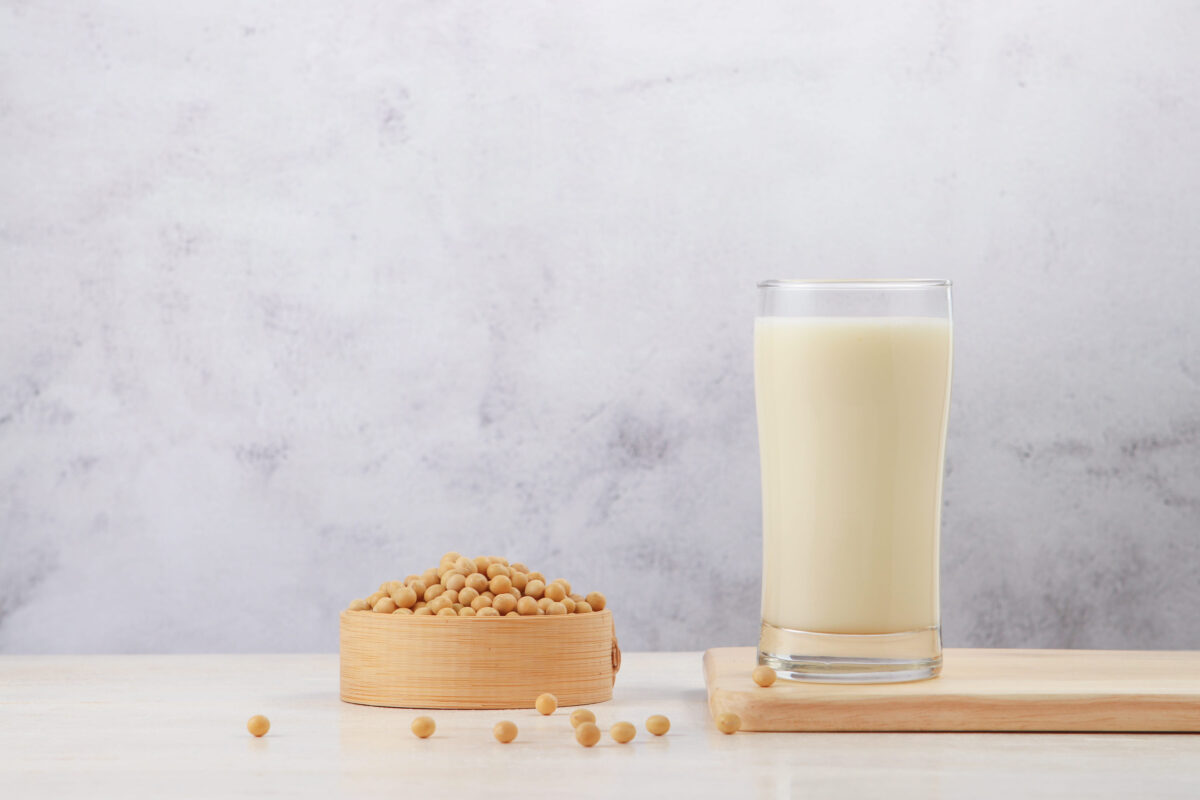
Soy products like tofu, soy milk, and edamame have long been touted as healthy alternatives to meat, but they can disrupt your hormonal balance if consumed in excess. Soy contains compounds called phytoestrogens, plant-based compounds that mimic the effects of estrogen in the body.
While phytoestrogens can have some health benefits, too much can lead to hormonal imbalance, particularly for individuals who already have estrogen dominance. This can affect mood regulation and cause symptoms like anxiety, irritability, and fatigue.
Tip: Moderation is key when consuming soy-based foods. If you’re concerned about their effects on your hormones, consider switching to other protein sources, such as beans, lentils, and legumes.
Fast Food
Fast food may be convenient, but it is often packed with unhealthy fats, refined sugars, and sodium, all of which contribute to hormonal disruption. The trans fats found in fried foods and processed snacks can lead to inflammation and insulin resistance, both of which can negatively affect hormone function.
Fast food consumption also promotes the production of stress hormones like cortisol, which can elevate mood swings and cause emotional instability. Additionally, the high sodium content in fast food can contribute to water retention and bloating, making you feel sluggish and irritable.
Tip: Opt for whole, fresh foods like grilled chicken, vegetables, and homemade meals. If you’re craving a quick snack, choose healthier options like fruits, nuts, or yogurt.
Artificial Sweeteners
Artificial sweeteners like aspartame and sucralose are commonly used in sugar-free products, but they can interfere with your hormone regulation. These sweeteners can disrupt the balance of insulin and leptin, two hormones involved in hunger and metabolism.
While artificial sweeteners may help reduce calorie intake, they can also trigger cravings for sweet foods, leading to overeating and blood sugar imbalances. Over time, this can lead to a vicious cycle of insulin resistance, weight gain, and mood swings.
Tip: Avoid products containing artificial sweeteners and instead focus on natural alternatives like stevia or monk fruit when a sweet craving strikes.
Conclusion
Your hormones reflect your overall health, and diet plays a central role in maintaining their balance. While some foods can wreak havoc on your hormonal health, it’s important to remember that moderation is key. By eliminating or reducing your intake of processed sugars, caffeine, dairy, and other disruptive foods, you can protect your hormonal health and maintain emotional balance.
Instead, focus on consuming whole, nutrient-dense foods like vegetables, fruits, lean proteins, and healthy fats to support hormonal health. Not only will this help stabilize your mood, but it will also set you on a path toward better physical and mental well-being. So, the next time you’re reaching for a snack, consider how it might be affecting your mood, and choose wisely.