Stop Eating These 7 Foods If You Want to Avoid Constant Bloating
If you’ve ever felt uncomfortable after a meal, bloating may be the culprit. It’s that heavy, full feeling that makes you wish you could undo your meal,fast.
The discomfort can range from mild to unbearable, and sometimes, no matter how much water or exercise you try, it just lingers. Bloating happens when your stomach fills with air or gas, and while it’s often harmless, chronic bloating can affect your quality of life. The good news is that you can take control. One of the easiest ways to manage and reduce bloating is by cutting out certain foods from your diet. Here’s a list of seven common foods that contribute to bloating and how to avoid them for a happier, healthier gut.
Beans and Lentils
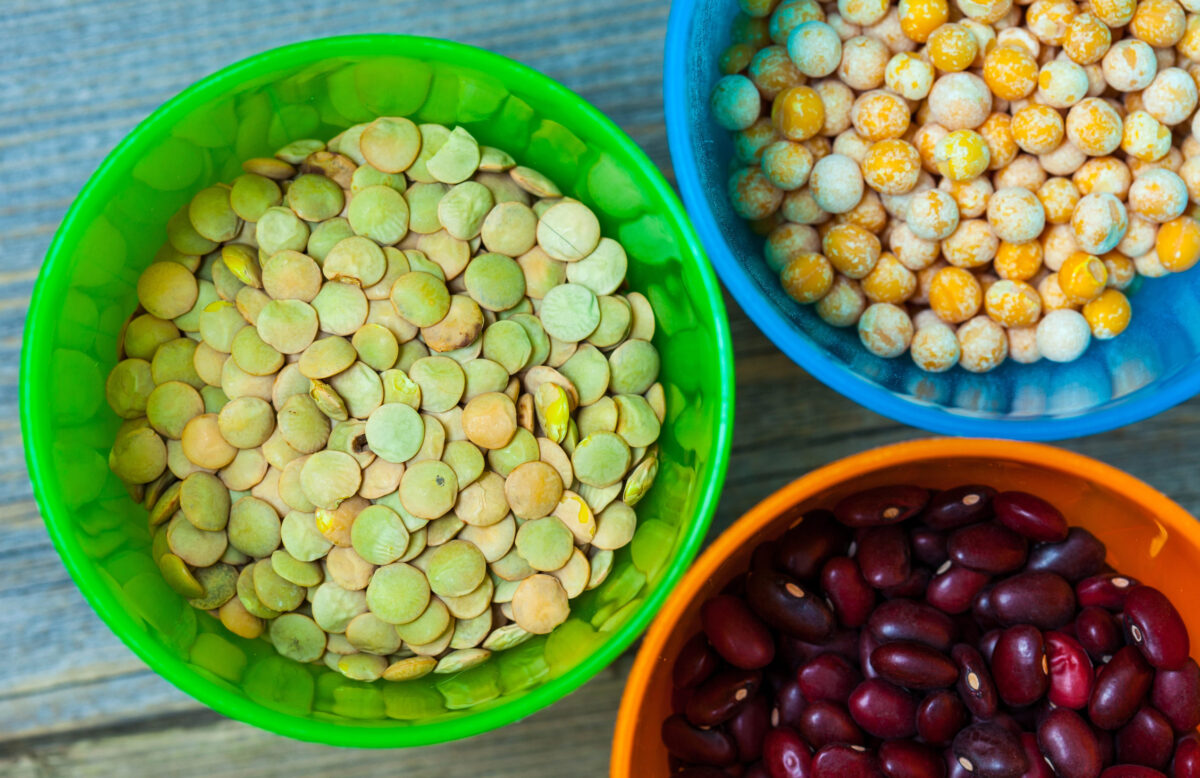
Beans and lentils are staples in many healthy diets, offering plant-based protein and fiber. But while they’re nutritious, they’re also notorious for causing bloating. This is due to the presence of complex carbohydrates and fiber, which are difficult for your digestive system to break down. These carbs pass into the large intestine, where they ferment and produce gas.
The fiber content in beans is excellent for digestive health, but it can also lead to bloating, especially for people who don’t regularly consume high-fiber foods. If you love beans but suffer from bloating, try soaking them overnight or using canned beans that have been rinsed thoroughly. Gradually increasing your fiber intake can also help your body adjust over time, making it easier to digest these foods without feeling uncomfortable.
Cruciferous Vegetables
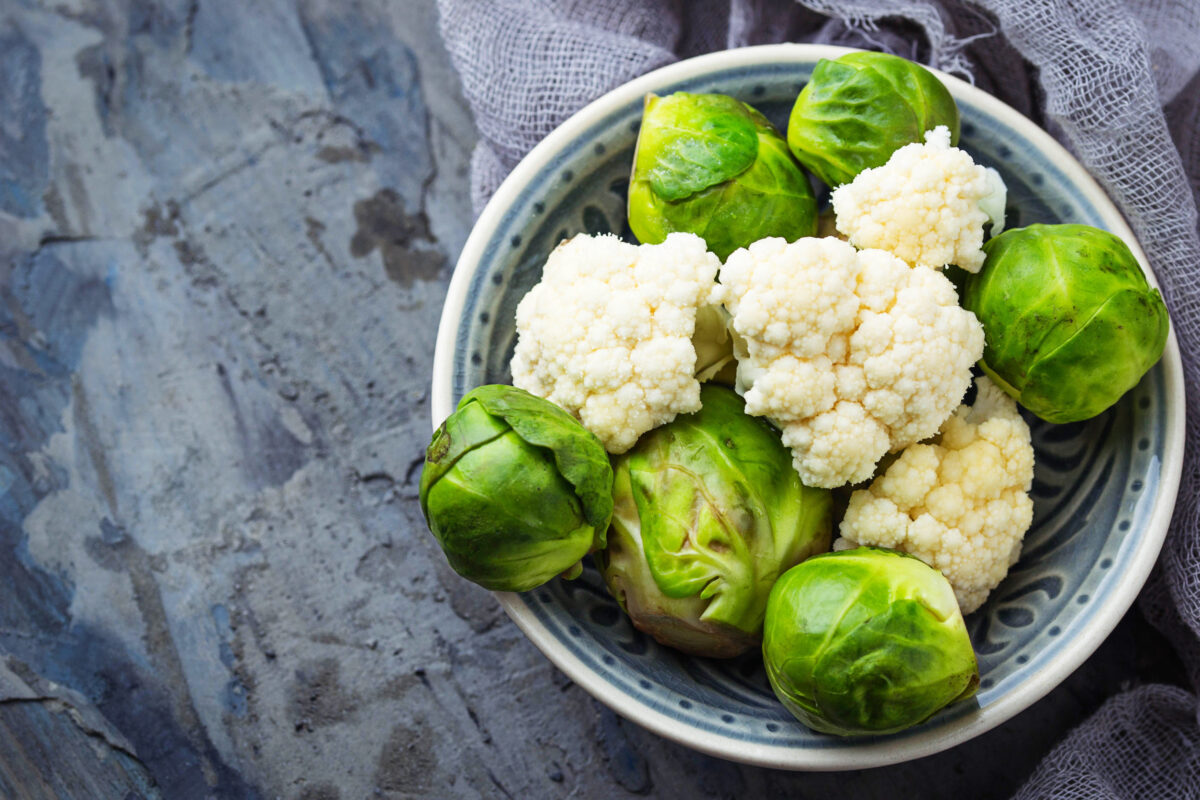
Cruciferous vegetables like broccoli, cauliflower, Brussels sprouts, and cabbage are rich in fiber, vitamins, and minerals. However, they also contain a type of carbohydrate called raffinose, which the body is not able to digest. Like beans, cruciferous vegetables pass undigested into the large intestine, where bacteria break them down and produce gas.
This process can lead to bloating, especially if you eat large amounts of these veggies in one sitting. While they’re undeniably nutritious, you don’t need to cut them out entirely. Instead, try steaming them lightly or eating smaller portions at a time to reduce bloating. If you’re new to these vegetables, your body may need some time to adjust to the fiber load, so be patient.
Carbonated Beverages
It might seem like an obvious choice, but many people overlook the simple fact that soda, sparkling water, and other carbonated beverages can cause bloating. These drinks are filled with carbon dioxide, a gas that gets trapped in your stomach when consumed. As your body tries to digest the gas, you may feel bloating.
Even sparkling water, often marketed as a healthy alternative to soda, can cause bloating in some people. If you frequently feel bloated after drinking these beverages, it might be best to switch to still water or herbal tea. If you really miss the fizz, try drinking smaller sips and avoid gulping down large amounts quickly to minimize the effect on your stomach.
Dairy Products
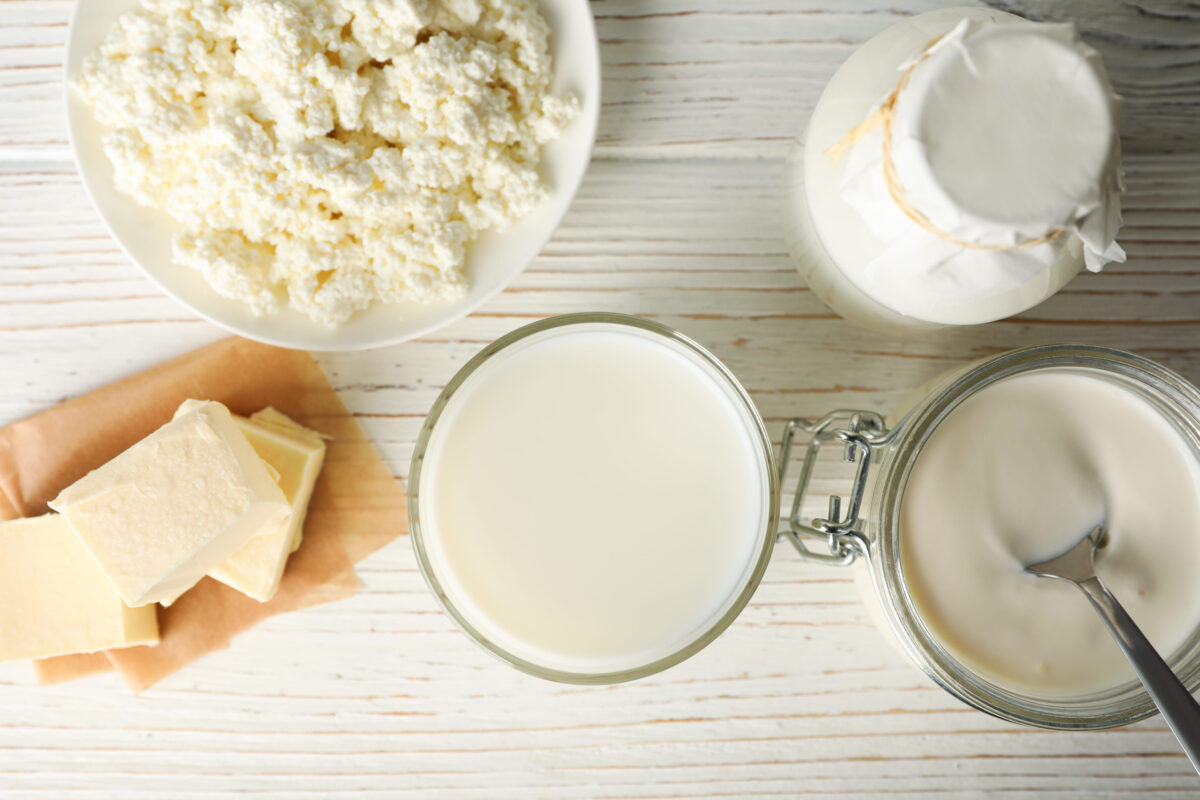
For those with lactose intolerance, dairy is one of the biggest culprits of bloating. Lactose is a sugar found in milk, cheese, and other dairy products, and it requires an enzyme called lactase to break it down in the digestive system. If you don’t produce enough lactase, the lactose passes undigested into the colon, where bacteria ferment it, producing gas that can cause bloating.
Symptoms of lactose intolerance can range from mild discomfort to severe bloating and stomach cramps. If you suspect dairy is causing your bloating, try switching to lactose-free products or opting for dairy alternatives like almond, soy, or coconut milk. Many people with mild lactose intolerance can still enjoy small amounts of dairy without issue, so experimenting with portion sizes might help you find a balance.
Processed Foods
Processed foods are everywhere, from ready-to-eat meals to packaged snacks. They may be convenient, but they’re also often filled with additives, preservatives, and artificial sweeteners, all of which can contribute to bloating. Many processed foods also contain high levels of sodium, which can lead to water retention, another common cause of bloating.
Eating a diet rich in whole foods,such as fresh fruits, vegetables, whole grains, and lean proteins, can help prevent bloating and keep your digestive system running smoothly. If you must consume processed foods, be mindful of the ingredients and try to choose options with lower sodium and fewer artificial additives. Reading food labels and understanding what’s in your food can make a significant difference.
Onions and Garlic
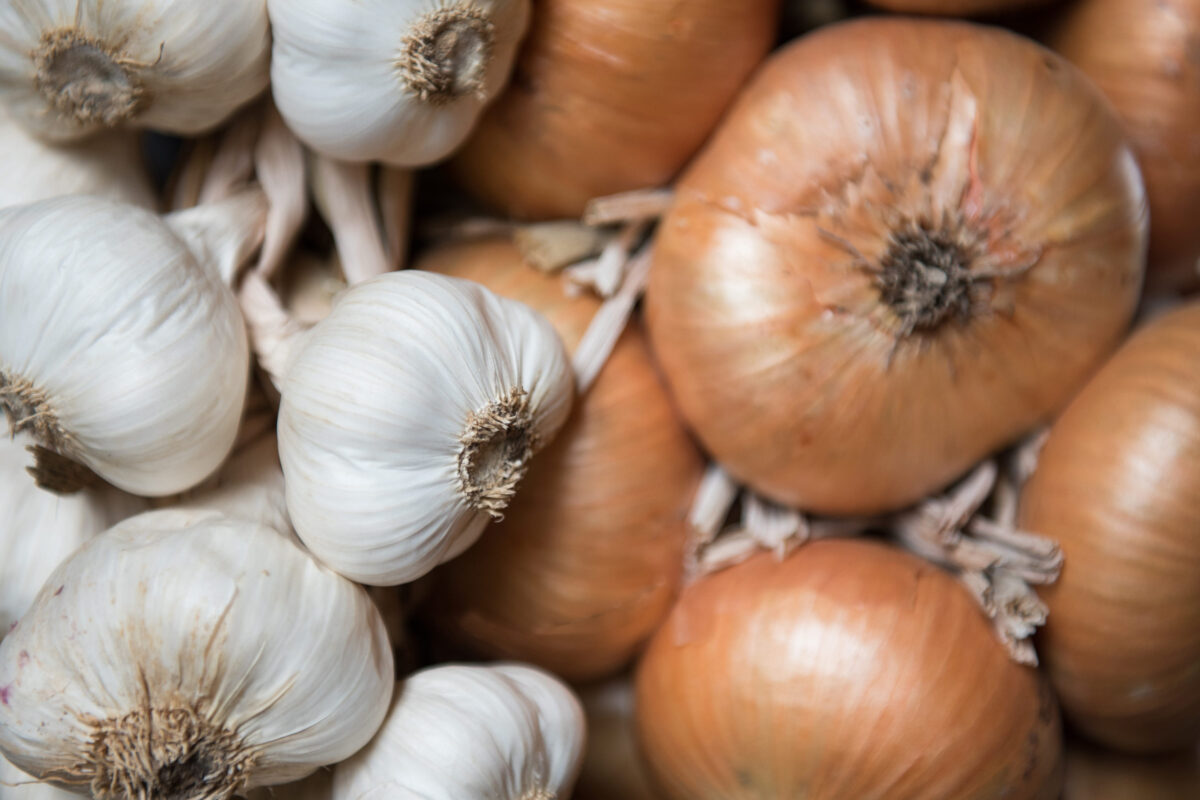
Onions and garlic are beloved for their aromatic qualities and rich flavor, but they also contain a high amount of fructans,a type of carbohydrate that can be difficult to digest. Fructans can cause bloating because they are fermentable fibers; they pass through the stomach undigested and reach the large intestine, where they ferment and produce gas.
For some people, even a small amount of onion or garlic can cause bloating, especially when consumed in large amounts or on an empty stomach. If you notice bloating after eating these foods, try reducing the quantity or cooking them, which can sometimes break down the fructans and make them easier to digest. Alternatively, you can try using garlic-infused oil or onion powder, which contain fewer fermentable carbohydrates.
High-Sugar Foods and Artificial Sweeteners
High-sugar foods, especially those loaded with refined sugars, are a common cause of bloating. Sugar alcohols, found in sugar-free gum, candies, and other products, can also be a major contributor. These sugar substitutes, such as sorbitol, mannitol, and xylitol, are not fully absorbed by the digestive system and can ferment in the gut, leading to gas and bloating.
If you’re struggling with bloating and have a sweet tooth, consider cutting back on sugary foods and replacing them with whole fruits or natural sweeteners like honey or maple syrup. You might also want to steer clear of sugar-free products that contain sugar alcohols. Although they’re marketed as healthier alternatives, they can cause discomfort for many people.
Conclusion
Bloating is an all-too-common issue that can make even the best meals feel miserable. Fortunately, by identifying and reducing the intake of foods that trigger bloating, you can find relief and enjoy a more comfortable digestive experience. Beans, cruciferous vegetables, carbonated beverages, dairy products, processed foods, onions, garlic, and high-sugar foods are some of the main offenders. However, this doesn’t mean you have to completely eliminate them from your diet. By experimenting with portion sizes, cooking methods, and substitutions, you can minimize bloating while still enjoying a balanced, nutritious diet.
The key is to listen to your body and adjust your eating habits based on what works best for you. If bloating persists despite dietary changes, it’s important to consult a healthcare professional to rule out underlying conditions. With the right strategies, you can take control of your digestive health and feel your best every day.