8 Hidden Dangers in Your Diet,And How to Avoid Them
When we think about eating healthily, most of us focus on the obvious: cutting out sugary snacks, avoiding processed foods, and eating more fruits and vegetables. But there are hidden dangers lurking in your diet that can silently sabotage your health, even if you think you’re making healthy choices.
These sneaky ingredients and habits often go unnoticed until they start affecting your long-term wellbeing. In this article, we’ll explore eight of these hidden dangers, why they’re harmful, and how you can avoid them to maintain a truly healthy lifestyle.
Sugar Hiding in “Healthy” Foods
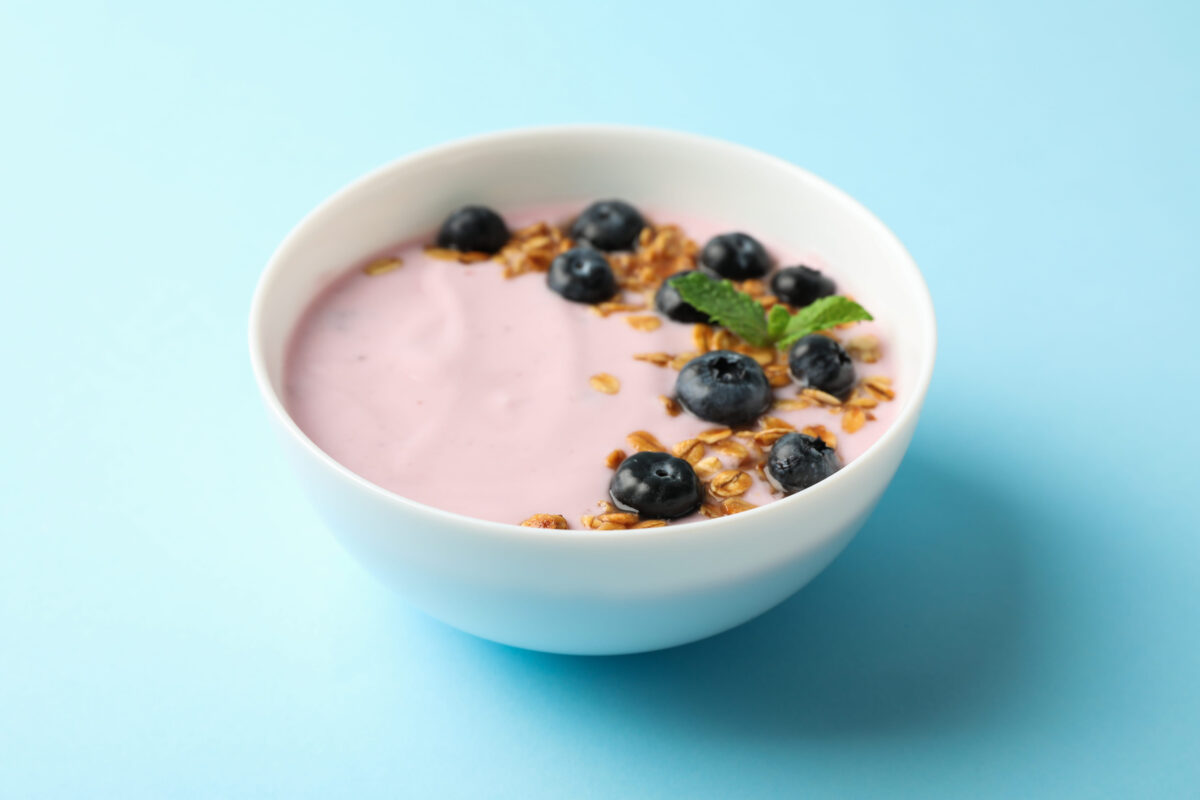
You might think that you’re making a great choice by opting for granola bars, smoothies, or flavored yogurt. After all, they’re marketed as healthy, right? However, many of these products are loaded with hidden sugars, which can drastically increase your daily sugar intake.
Even seemingly wholesome items like salad dressings or energy drinks often contain excessive amounts of sugar, which can lead to weight gain, insulin resistance, and an increased risk of diabetes over time.
How to Avoid It: Always check the ingredient list for added sugars, which may appear under names like high-fructose corn syrup, agave nectar, or cane juice. Stick to whole, unprocessed foods, and opt for sugar-free versions when possible. If you love smoothies, try making your own at home with fresh fruits and vegetables instead of store-bought mixes, which can contain hidden sugars.
Trans Fats in “Low-Fat” Foods
It may surprise you to learn that many “low-fat” or “fat-free” foods are actually more harmful to your health than their full-fat counterparts. These products often contain trans fats, which are added to enhance flavor and texture.
While trans fats might seem like a quick way to cut calories, they contribute to a range of serious health issues, including heart disease, stroke, and inflammation. Trans fats are particularly dangerous because they raise your bad cholesterol (LDL) levels and lower your good cholesterol (HDL), which can lead to plaque buildup in your arteries.
How to Avoid It: Avoid processed foods labeled as “low-fat” or “fat-free,” as they often contain unhealthy trans fats. Instead, focus on natural, healthy fats like those found in avocados, nuts, seeds, and olive oil. Read food labels carefully, looking for “partially hydrogenated oils”—a sure sign of trans fats.
Excessive Sodium in Canned and Packaged Foods
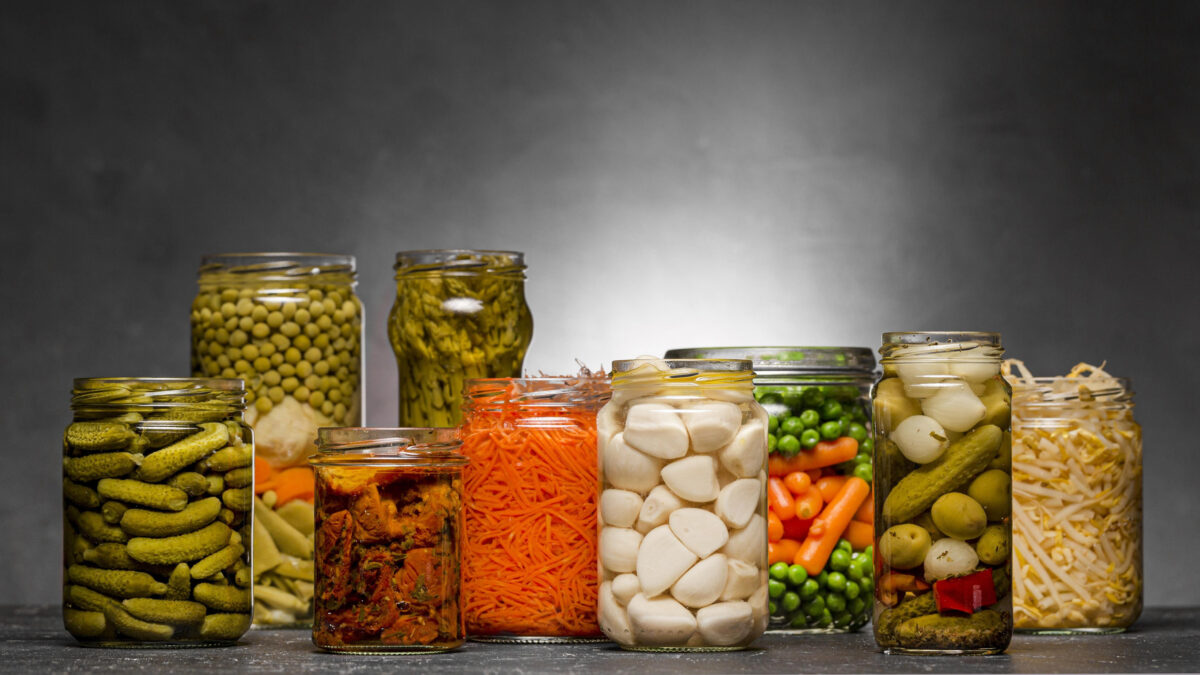
Canned vegetables, soups, and ready-made meals are convenient, but they often contain shocking amounts of sodium.
Excessive salt consumption can lead to high blood pressure, heart disease, kidney disease, and stroke. A can of soup, for example, might contain up to a day’s worth of your recommended sodium intake in a single serving. Even foods marketed as “low-sodium” often contain more salt than you realize.
How to Avoid It: Instead of relying on canned goods, try cooking from scratch whenever possible, using fresh ingredients. When buying pre-packaged foods, opt for those labeled “low-sodium” or “no added salt.” You can also try rinsing canned vegetables or beans to remove some of the excess sodium.
Artificial Sweeteners in “Sugar-Free” Products
While artificial sweeteners may seem like a healthier alternative to sugar, they also carry their own health risks. Common sweeteners like aspartame, sucralose, and saccharin can disrupt your gut bacteria, contribute to metabolic disorders, and even interfere with your body’s appetite regulation. Some studies have also linked artificial sweeteners to an increased risk of obesity and type 2 diabetes.
How to Avoid It: Choose natural sweeteners like stevia or monk fruit instead of chemical-laden artificial sweeteners. Better yet, reduce your reliance on sweeteners altogether and train your taste buds to enjoy less sugary foods. When choosing drinks, opt for water, herbal teas, or naturally flavored sparkling water.
Refined Grains in Processed Carbs
Refined grains, like those found in white bread, pasta, and many breakfast cereals, may taste good but offer little nutritional value.
These processed carbs are stripped of essential nutrients and fiber, leading to spikes and crashes in your blood sugar. Over time, a diet high in refined grains can contribute to obesity, diabetes, and heart disease.
How to Avoid It: Switch to whole grains like brown rice, quinoa, oats, and whole wheat pasta. These grains are richer in fiber, vitamins, and minerals and are digested more slowly, helping to keep your blood sugar levels stable. Start by gradually replacing refined grains with whole grains in your meals to make the transition smoother.
Unhealthy Oils in Fast Foods

Fast food is notorious for being high in unhealthy fats, but even some home-cooked meals can be just as bad if you’re using the wrong oils.
Many restaurants and food manufacturers use oils high in omega-6 fatty acids, which can promote inflammation when consumed in excess. Oils like soybean, corn, and sunflower oil are common culprits and are often used in processed and fried foods.
How to Avoid It: Cook with healthy oils such as olive oil, avocado oil, or coconut oil, which are high in heart-healthy monounsaturated fats. Limit fried foods, especially those from fast-food chains, and opt for grilling, baking, or steaming instead.
Hidden Chemicals in Processed Foods
Many processed foods contain additives, preservatives, and artificial colors that may not be obvious to consumers.
These chemicals are added to enhance flavor, preserve freshness, and improve appearance, but they can have harmful effects on your health. For example, artificial food dyes have been linked to hyperactivity in children, while preservatives like BHA and BHT are considered possible carcinogens.
How to Avoid It: Minimize processed food consumption and focus on fresh, whole ingredients. If you must purchase packaged items, choose those with minimal ingredients and no artificial additives. Look for labels that say “organic” or “all-natural,” as they are often free from harmful chemicals.
Overconsumption of Protein
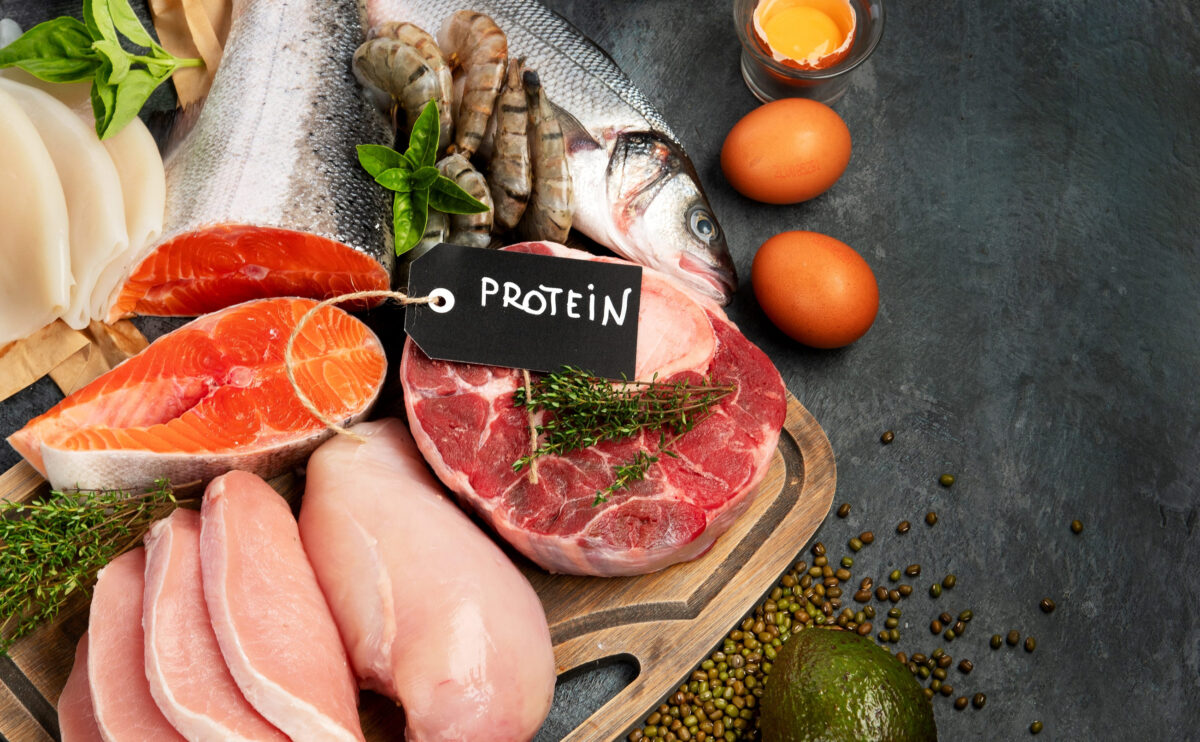
Protein is an essential macronutrient for muscle growth, repair, and overall health, but too much of it can cause problems.
Excessive protein intake, especially from animal sources, can strain your kidneys, increase your risk of heart disease, and cause nutrient imbalances. It’s easy to overeat protein when you’re following a high-protein diet or consuming large portions of meat at each meal.
How to Avoid It: Balance your diet with a variety of plant-based proteins, such as legumes, beans, nuts, and seeds. If you do eat animal products, choose lean sources like chicken, turkey, and fish. Aim for portion sizes that align with your individual dietary needs and avoid excessive protein consumption.
Conclusion
The hidden dangers in your diet can have serious long-term consequences for your health, even if you’re making healthy choices.
By becoming more aware of the ingredients in your food and making simple swaps,such as avoiding hidden sugars, trans fats, and excessive sodium, you can significantly improve your health and well-being. Remember, a truly healthy diet is one that nourishes your body with whole, natural foods and minimizes the intake of processed chemicals and additives. With these tips in mind, you’ll be able to take control of your diet and make smarter, more informed decisions for your health.