9 The Truth Behind Overrated Foods
Food trends come and go, with some dishes and ingredients getting more attention than they truly deserve. We’ve all been there , standing in line for that highly anticipated new restaurant dish or picking up the latest Instagrammable snack, only to be let down when it doesn’t taste as good as the social media buzz promised. In fact, some of the most hyped-up foods are often the most overrated.
Whether it’s because of their inflated price tags, their unhealthy nature, or simply because they’re not as delicious as everyone claims, certain foods often fail to live up to expectations. So, before you fall victim to the next big food trend, let’s dive into some of the most overrated foods that don’t deserve the hype.
Avocado Toast
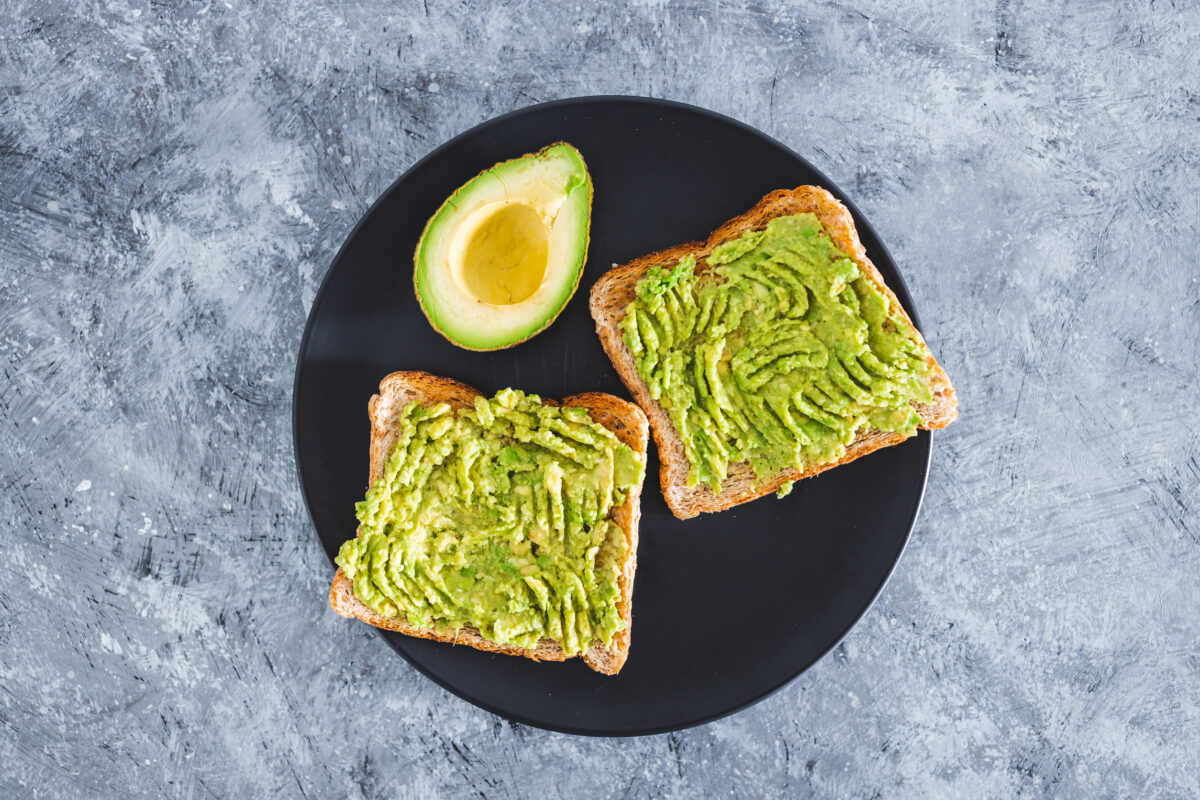
Avocado toast is everywhere. From trendy brunch spots to social media feeds, this green, creamy creation seems to have taken the culinary world by storm. But when you break it down, it’s essentially mashed avocado on a slice of toast.
Sure, it’s tasty, but is it really worth the $12-$15 price tag at some cafes? Avocados are packed with healthy fats, but when served with a hefty side of eggs, cheese, or smoked salmon, they feel more like a luxury than a health food. Let’s face it – anyone with a decent knife and a loaf of bread can make this at home for a fraction of the cost. The avocado toast craze is more about appearance than substance.
Sushi Burritos
Sushi burritos started as an innovative idea, merging the beloved sushi with the convenience of a burrito. However, despite the initial excitement, many people find that the flavors don’t mix as well as they hoped. The large, unwieldy size of a sushi burrito often makes it difficult to eat and less enjoyable than a traditional sushi roll or a classic burrito.
The texture of the ingredients can become soggy or overwhelmed by the rice, taking away from the delicate nature of sushi. While sushi burritos are a fun fusion food, they often leave you with more rice than fish, and for many, the novelty wears off quickly.
Kale Chips
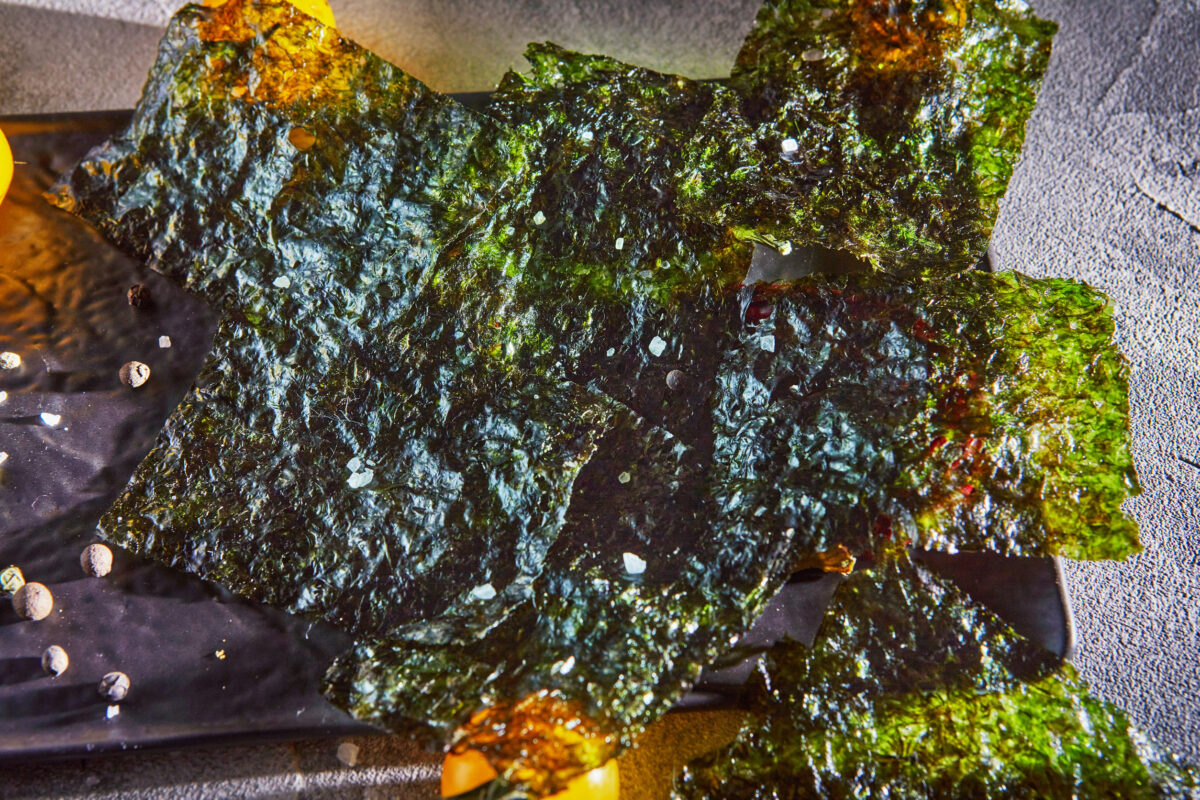
Kale chips have been marketed as a healthy alternative to potato chips for years, and while they’re technically lower in calories, they can still be loaded with unhealthy fats and sodium.
Additionally, kale itself can have a strong, bitter flavor, which doesn’t always translate well when baked into a crisp. People expect kale chips to taste like traditional chips, but they are often dry, flavorless, and hard to chew. While they may serve as a crunchy, lower-calorie option in theory, they don’t always satisfy the craving for a snack. Plus, they’re not the magical health food they’ve been made out to be. A handful of kale chips isn’t going to give you the nutrient boost you think.
Cold-Pressed Juice
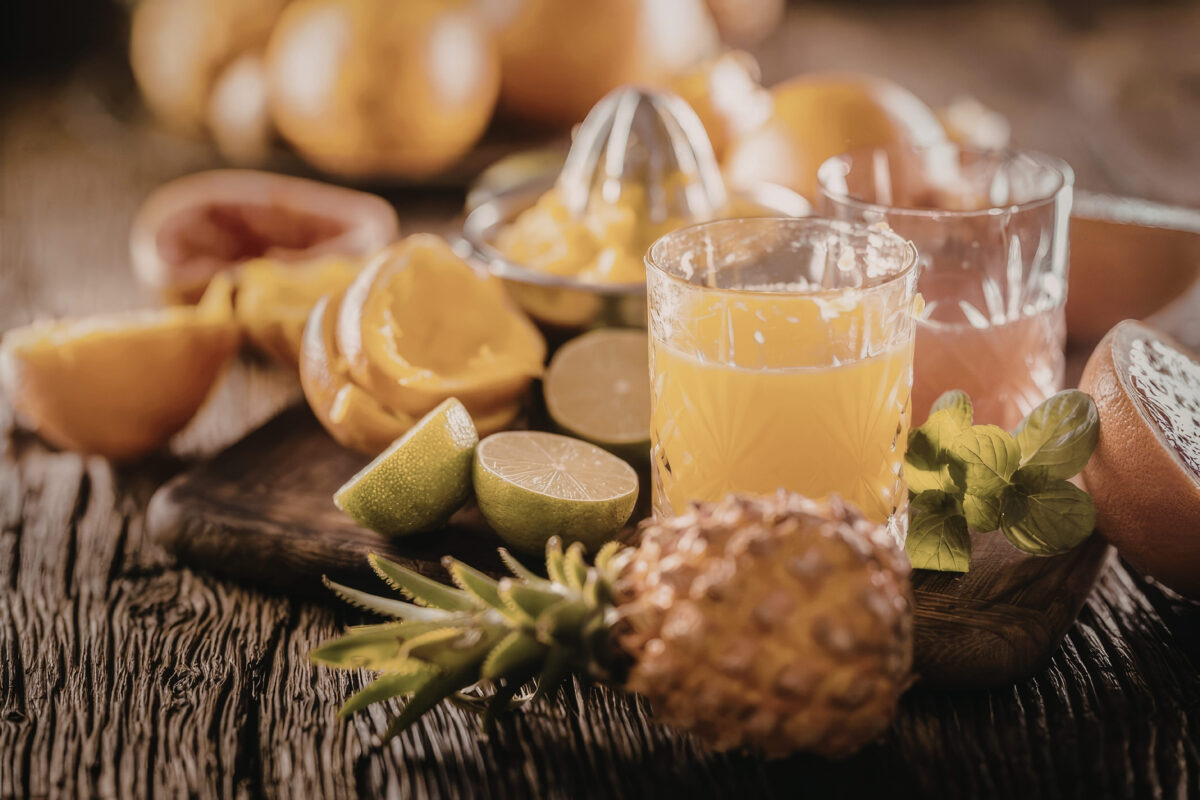
Cold-pressed juice has gained popularity as a health trend, with claims that it’s packed with vitamins and minerals.
However, the high price and the lack of substantial fiber in cold-pressed juice make it overrated. While it’s certainly better than sugary sodas or artificially flavored beverages, it’s also easy to forget that juicing removes the fiber that makes fruits and vegetables truly beneficial. Not to mention, drinking a large amount of juice can overload your body with sugar, leading to a spike in insulin levels. The hype around cold-pressed juice is largely driven by convenience and marketing, but for the health-conscious consumer, whole fruits and vegetables offer more benefits.
Organic Products
Organic foods are often viewed as healthier and more sustainable, but that isn’t always true. While organic products typically contain fewer pesticides, they’re not always more nutritious than their conventional counterparts.
In fact, some studies have shown that there’s little to no difference in the nutritional value of organic versus non-organic foods. Additionally, the higher cost of organic produce doesn’t always guarantee a better taste or a more ethical product. Organic labels are often associated with health, but they can also be a marketing ploy, leaving consumers paying more for minimal benefits.
Gluten-Free Products
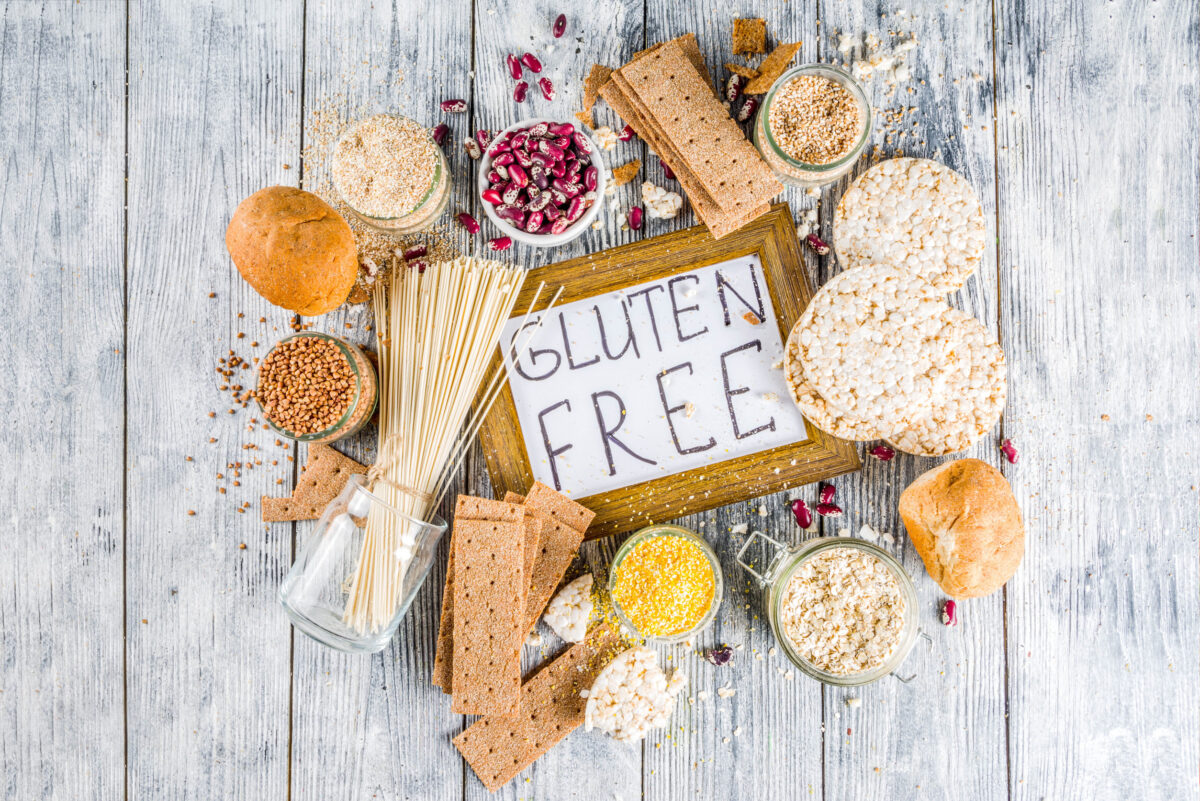
The rise of gluten-free foods has been fueled by the idea that avoiding gluten improves digestion and overall health. However, unless you have a diagnosed gluten intolerance or celiac disease, there’s no reason to avoid gluten.
Many gluten-free products are processed and loaded with refined sugars, additives, and fats to compensate for the lack of gluten. Moreover, gluten-free options often have less nutritional value than their gluten-containing counterparts. So, while these products may cater to those with dietary restrictions, they’re not necessarily healthier or tastier – they’re just a product of the gluten-free trend.
Acai Bowls
Acai bowls became a social media sensation, with their vibrant colors and a plethora of toppings like granola, coconut flakes, and fresh fruit. But when you get down to the nitty-gritty of an acai bowl, it’s essentially a smoothie in a bowl.
While the acai berry itself is a nutritious superfood, the other ingredients – especially the sugary granola and syrupy fruit – can outweigh its health benefits. The hype around acai bowls largely stems from their aesthetic appeal rather than their actual health benefits. They’re expensive, filled with hidden sugars, and, at the end of the day, often less healthy than advertised.
Protein Bars
Protein bars have become the go-to snack for those looking to fuel their workouts or avoid unhealthy cravings. However, while they’re marketed as healthy snacks, many protein bars are packed with artificial sweeteners, unhealthy fats, and excessive amounts of sugar.
The convenience of grabbing a protein bar on the go comes with a price – and that price is often an overload of calories in a small package. Additionally, some protein bars lack the nutrients needed to deliver a true energy boost, leaving you feeling sluggish or hungry shortly after eating them.
Quinoa
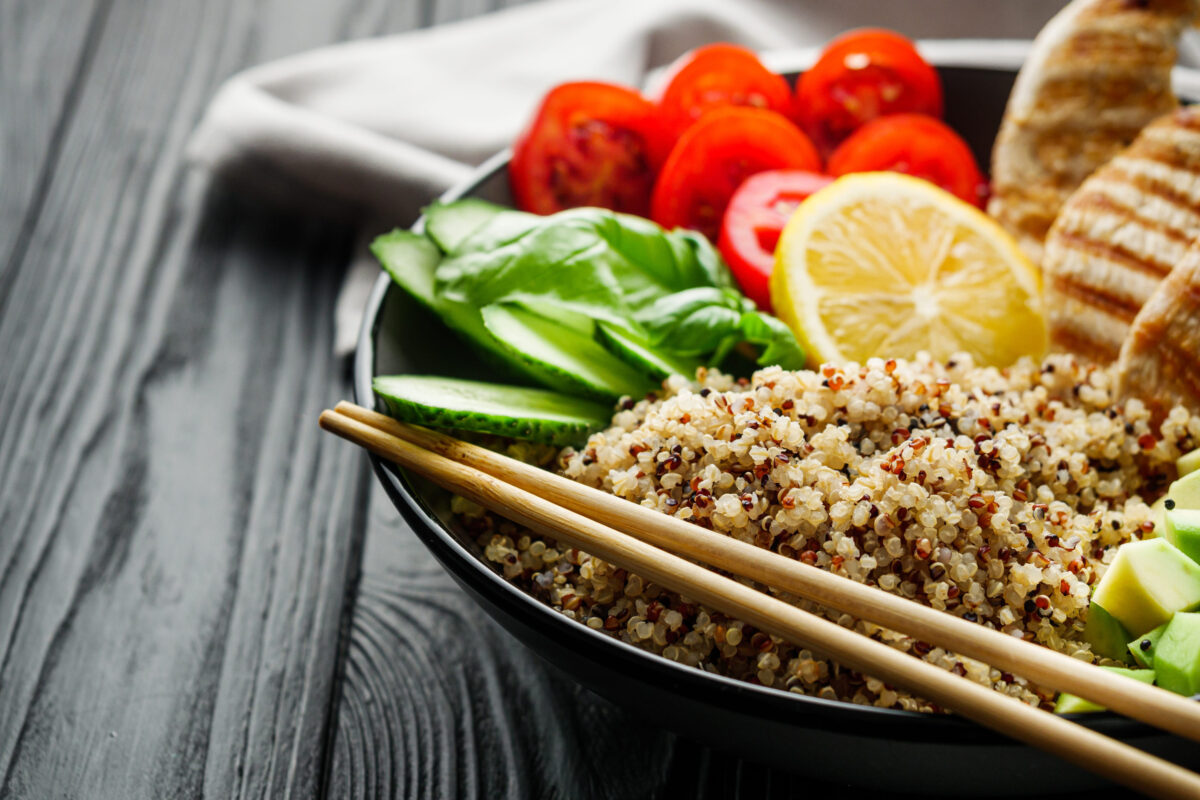
Quinoa was once hailed as a superfood, praised for its high protein content and versatility in dishes. While quinoa does have some nutritional value, it doesn’t live up to the hype for many people. It’s often described as a “replacement” for rice, but its bitter taste and chewy texture can be off-putting.
Additionally, quinoa is high in calories and carbohydrates, making it less appealing to those looking to reduce their carb intake. Quinoa’s popularity has led to a proliferation of quinoa-based products, but the trend has already started to fade for many, as it doesn’t always live up to its superfood status.
Conclusion
Food trends often come with heavy marketing, catchy Instagram posts, and the allure of something new and exciting. However, when it comes down to it, many of these trendy foods fail to live up to the hype. Whether it’s the overpricing of simple dishes like avocado toast or the overcomplicated fusion of sushi and burritos, some of the most popular foods are often more style than substance.
It’s important to remember that just because something is trendy doesn’t mean it’s the best choice for your taste buds or your health. Next time you’re tempted by the latest food craze, ask yourself: Is this really as good as it seems? And if it’s not, don’t be afraid to skip it in favor of something that genuinely brings joy to your palate.