Stop Consuming These 10 Foods If You Want to Improve Your Sleep
We all know how crucial a good night’s sleep is for our overall health and well-being. However, many of us struggle to fall asleep or stay asleep, despite our best efforts.
If you’re constantly waking up tired, it might not just be about your bedtime routine; it might also be about what you’re consuming throughout the day. The foods you eat, especially close to bedtime, can have a significant impact on the quality of your sleep. Certain foods, packed with caffeine, sugar, or heavy fats, could be sabotaging your chances of getting restful, uninterrupted sleep. Here’s a list of 10 foods you should avoid if you want to improve your sleep quality and wake up feeling refreshed.
Caffeine-Rich Drinks
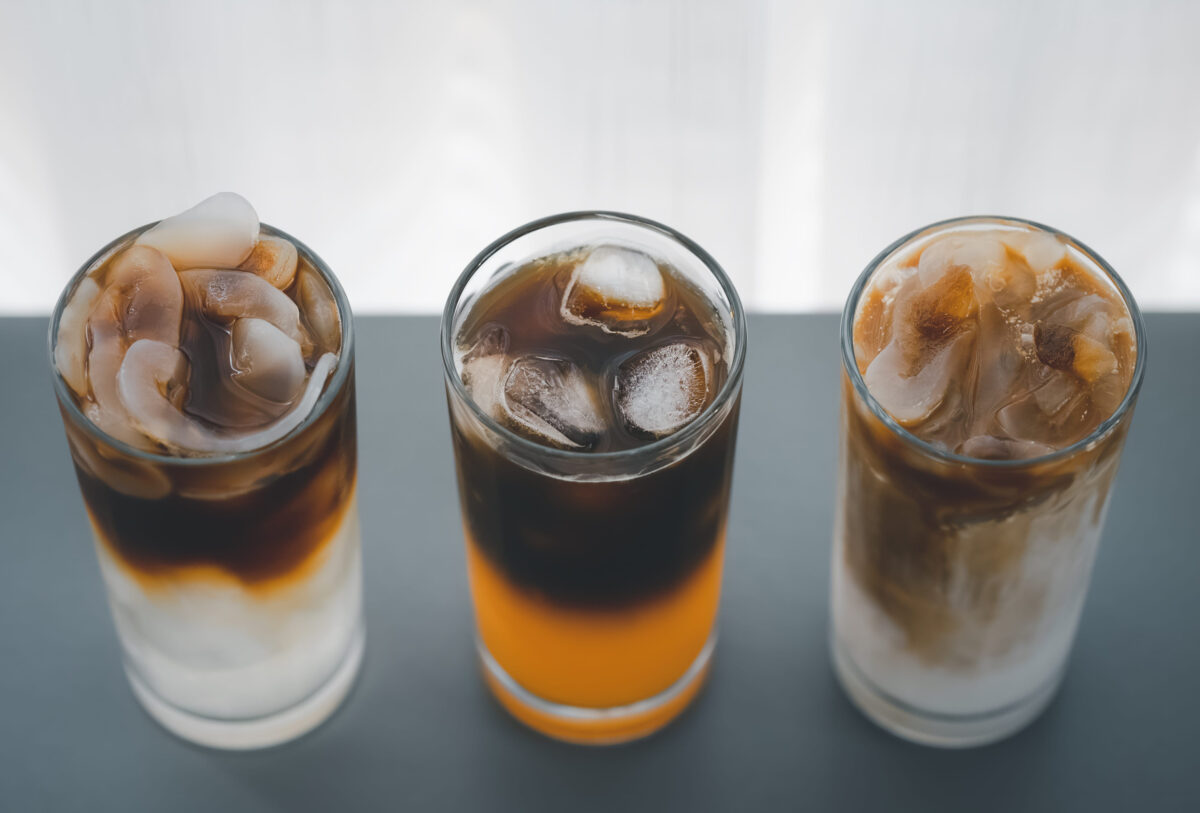
Coffee and other caffeinated drinks are the obvious culprits when it comes to keeping you up at night. Caffeine is a stimulant that can remain active in your system for hours, interfering with your ability to fall asleep. While some people can drink coffee in the afternoon without any issues, others may find that even a morning cup leaves them tossing and turning at night.
Caffeine works by blocking the action of adenosine, a neurotransmitter that promotes sleep. As a result, it’s best to avoid coffee, energy drinks, or even certain sodas at least 6 hours before bedtime.
Spicy Foods
If you love a spicy meal, it may be time to reconsider your eating habits before bedtime. Spicy foods, such as those containing chili peppers, can cause indigestion or acid reflux, which can keep you awake.
The body’s natural response to spicy food is an increase in metabolism, which can raise body temperature and make it harder for you to fall into a restful sleep. Additionally, the discomfort caused by acid reflux can make it difficult to stay asleep through the night. If you’re sensitive to spice, try to enjoy these foods earlier in the day.
Heavy, Fatty Foods

Eating heavy, fatty meals before bed can disrupt your digestive system and make it harder to fall asleep. Fatty foods like pizza, burgers, and creamy dishes take longer to digest and can cause discomfort or bloating, making it harder for your body to relax and fall into a deep sleep.
Moreover, these types of foods can increase your risk of developing acid reflux, which can lead to nighttime awakenings. Stick to lighter, well-balanced meals to improve your chances of getting quality sleep.
Chocolate
Chocolate is another sneaky sleep disruptor, primarily because it contains caffeine, albeit in smaller amounts than coffee.
Dark chocolate, in particular, contains theobromine, a stimulant that can increase your heart rate and make it harder for you to fall asleep. Milk chocolate also contains sugar, which can spike your blood sugar levels, making it difficult for your body to wind down. If you find yourself craving something sweet in the evening, opt for a light fruit snack instead of a chocolate bar.
Alcohol
While a glass of wine or a nightcap might seem like a relaxing way to end your day, alcohol can have a significant impact on your sleep quality.
Although alcohol may help you fall asleep faster, it disrupts the later stages of sleep, particularly REM (rapid eye movement) sleep, which is the restorative phase where dreaming occurs. As your body processes alcohol, it causes fragmented sleep, leading to more frequent awakenings throughout the night. Additionally, alcohol can cause dehydration, which leads to more trips to the bathroom during the night.
Greasy Fried Foods
Fried and greasy foods like fried chicken, French fries, or anything drenched in oil can be hard to digest and can interfere with your sleep. The high fat content in these foods requires your digestive system to work overtime, which can leave you feeling uncomfortable when trying to sleep.
The heavy, greasy nature of these foods can cause heartburn and acid reflux, which are notorious for keeping people awake at night. If you’re serious about getting a better night’s sleep, consider replacing fried foods with lighter, steamed, or grilled alternatives.
Citrus Fruits
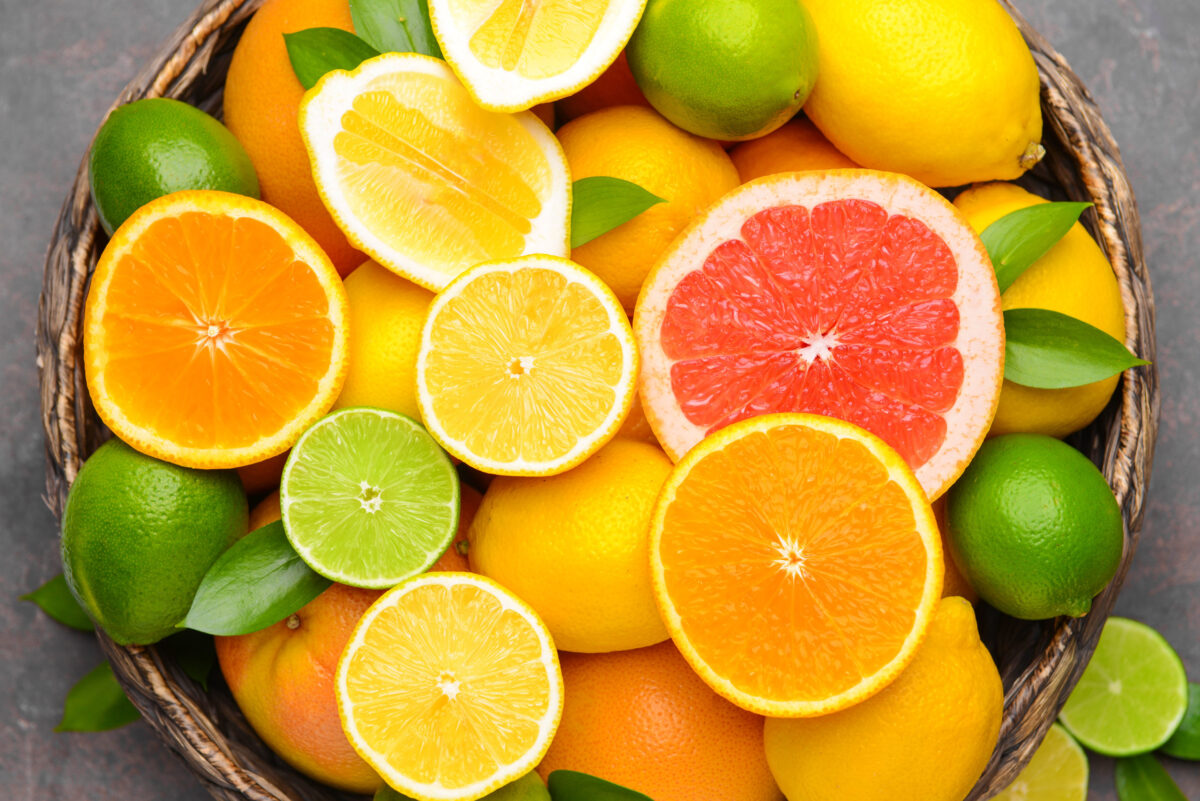
Although fruits like oranges, lemons, and grapefruits are packed with vitamins and antioxidants, they can be troublesome when consumed too close to bedtime.
The high acidity of citrus fruits can lead to acid reflux and indigestion, causing discomfort and disturbing your sleep. If you must have a fruity snack in the evening, try opting for less acidic options like bananas or berries, which are gentler on your digestive system.
Sugar-Laden Snacks
Consuming sugary snacks, like cookies, candy, or sweetened beverages, right before bed can spike your blood sugar and cause a burst of energy that’s the last thing you need before winding down for the night. This blood sugar spike is often followed by a crash, leaving you feeling restless and unable to relax.
Additionally, sugary snacks can raise insulin levels, potentially disrupting the balance of other hormones that regulate sleep. To promote better sleep, stick to low-glycemic foods and avoid sugary snacks in the evening.
Processed Foods
Highly processed foods, such as instant noodles, fast food, and packaged snacks, are typically loaded with unhealthy fats, excess sodium, and artificial additives.
These foods can disrupt your sleep by increasing systemic inflammation, which has been linked to poor sleep quality. Furthermore, these foods can cause dehydration due to their high salt content, increasing the likelihood that you’ll wake up in the middle of the night feeling parched. Opt for whole foods, like vegetables, fruits, lean proteins, and whole grains, to nourish your body and support healthy sleep.
Ice Cream
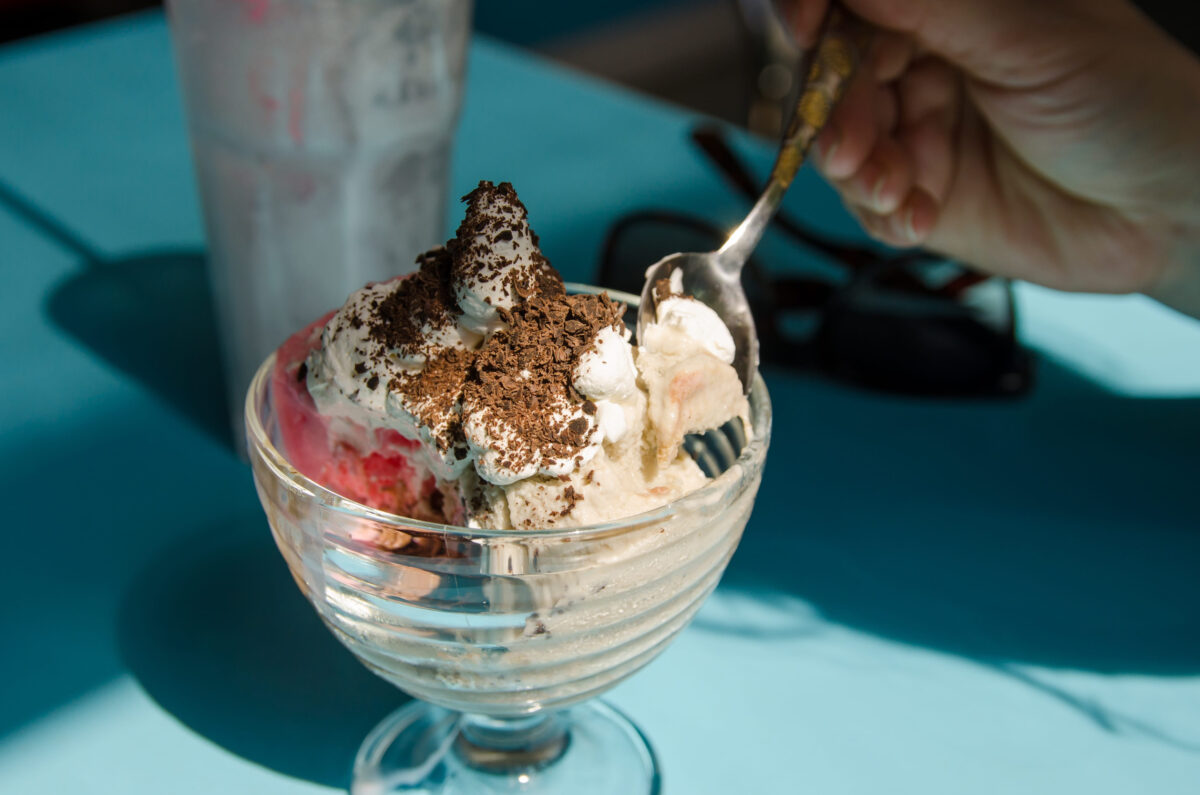
While it’s a favorite treat for many, ice cream is another food that can negatively affect your sleep. Dairy products, particularly ice cream, can be problematic for individuals with lactose intolerance or dairy sensitivity.
The high sugar content in ice cream can also cause a spike in blood sugar levels, leading to a surge of energy that prevents you from unwinding before bed. If you’re craving something cold and creamy, try swapping ice cream for a dairy-free option or for a lighter, lower-sugar frozen yogurt.
Conclusion
What you eat plays a pivotal role in the quality of your sleep. While a delicious meal might seem like the perfect way to wind down, consuming the wrong foods before bed can interfere with your ability to fall asleep and stay asleep.
Caffeine, spicy foods, fatty meals, and sugary snacks can all disrupt your sleep cycle, leaving you feeling groggy and unrested the following day. If you’re looking to improve your sleep, consider making small dietary changes by cutting out sleep-disrupting foods and opting for lighter, healthier alternatives. By prioritizing sleep-friendly foods, you’ll be on your way to better rest and better health.