8 Foods That Are Becoming Unbearably Expensive Due to Inflation
Inflation isn’t just a headline you hear on the news; it’s something that affects every aspect of your life. From gas prices to housing, everything seems to be on the rise. But perhaps the most impactful area is the food industry.
As prices increase, many consumers feel the pinch in their grocery bills. The surge in food prices, driven by supply chain disruptions, labor shortages, and global events, means that staples we once took for granted are hitting our wallets harder than ever. Let’s explore the foods most affected by inflation and how you can manage your shopping habits in these challenging times.
Eggs

Eggs are often seen as a simple, affordable source of protein, but that has changed dramatically in recent years. Due to the Avian flu pandemic that wiped out millions of hens, egg prices have skyrocketed. As a result, the average consumer is now paying significantly more for their breakfast staple.
While the price surge is partially due to bird flu-related supply shortages, it’s also driven by higher feed and transportation costs. Whether you’re making a quick scramble or whipping up a batch of cookies, the once-inexpensive eggs now come with a steep price tag. Experts predict that prices may stabilize, but for now, you’ll feel the pinch every time you crack open an egg.
Meat
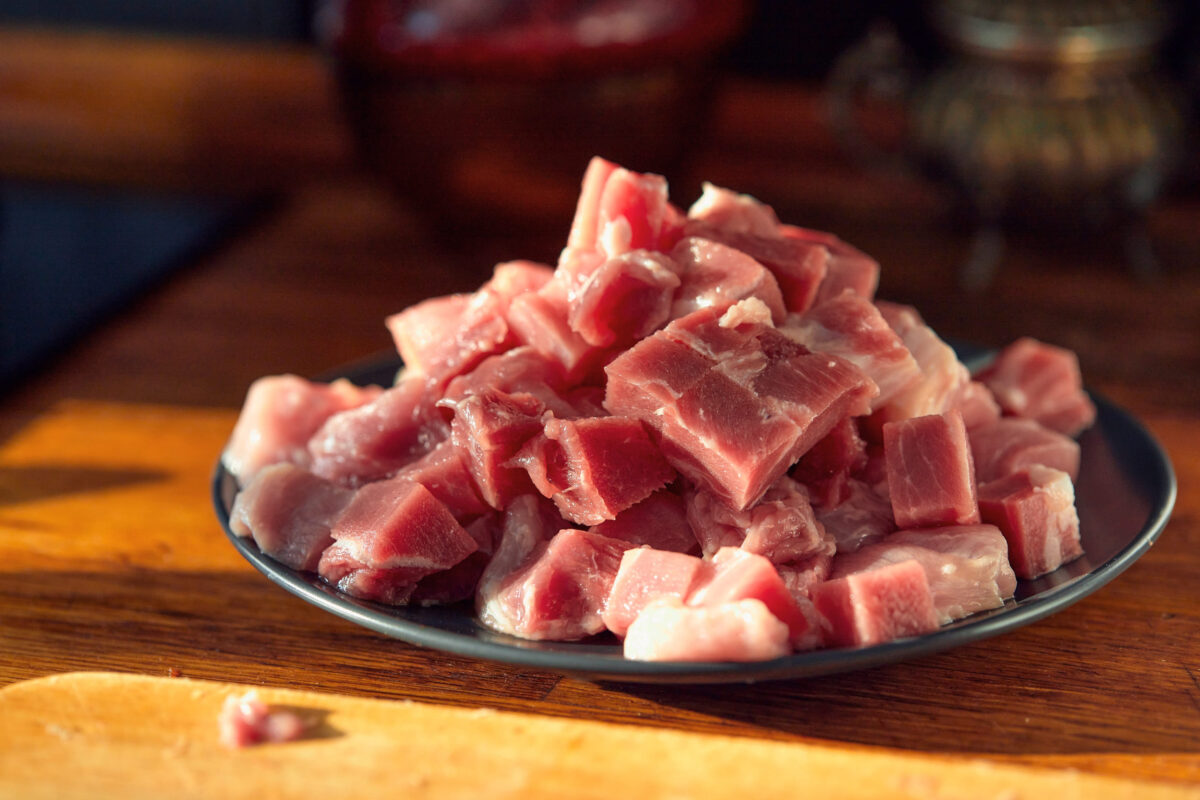
Meat has long been a significant portion of many people’s diets, but it’s also one of the foods most impacted by inflation. Beef, chicken, and pork have seen price increases due to higher production costs and labor shortages in slaughterhouses. Transportation costs have also risen, particularly as fuel prices have surged.
Additionally, global supply chain issues have made it more difficult to source meat from abroad, pushing prices even higher. As a result, families are opting for cheaper cuts or reducing their meat consumption altogether. The situation has led many consumers to reconsider how much meat they can afford, especially when feeding a large family.
Dairy
Dairy products, particularly milk, cheese, and butter, are another casualty of inflation. Increases in feed prices, labor shortages, and transportation costs have all contributed to the higher prices at your local grocery store.
But the issues don’t stop there; dairy farming has become more costly due to stricter regulations and environmental concerns about cow emissions. These rising expenses are being passed on to the consumer, making it harder to justify indulging in your favorite dairy products. As milk prices soar, some consumers are turning to plant-based alternatives like almond or oat milk, but these options often come with their own price hikes.
Bread
Bread is often considered a staple food, but inflation has driven its price up significantly. Wheat, the primary ingredient in most bread, has been subject to price fluctuations, particularly due to unfavorable weather conditions in major wheat-producing countries. Droughts and floods have impacted crop yields, making it more expensive to produce flour.
. Transporting grains has also become pricier, contributing to higher bread prices at the store. While bread prices may not make the headlines as dramatically as meat or eggs, the increase in their cost has still left consumers with higher grocery bills and less bread for their buck.
Coffee
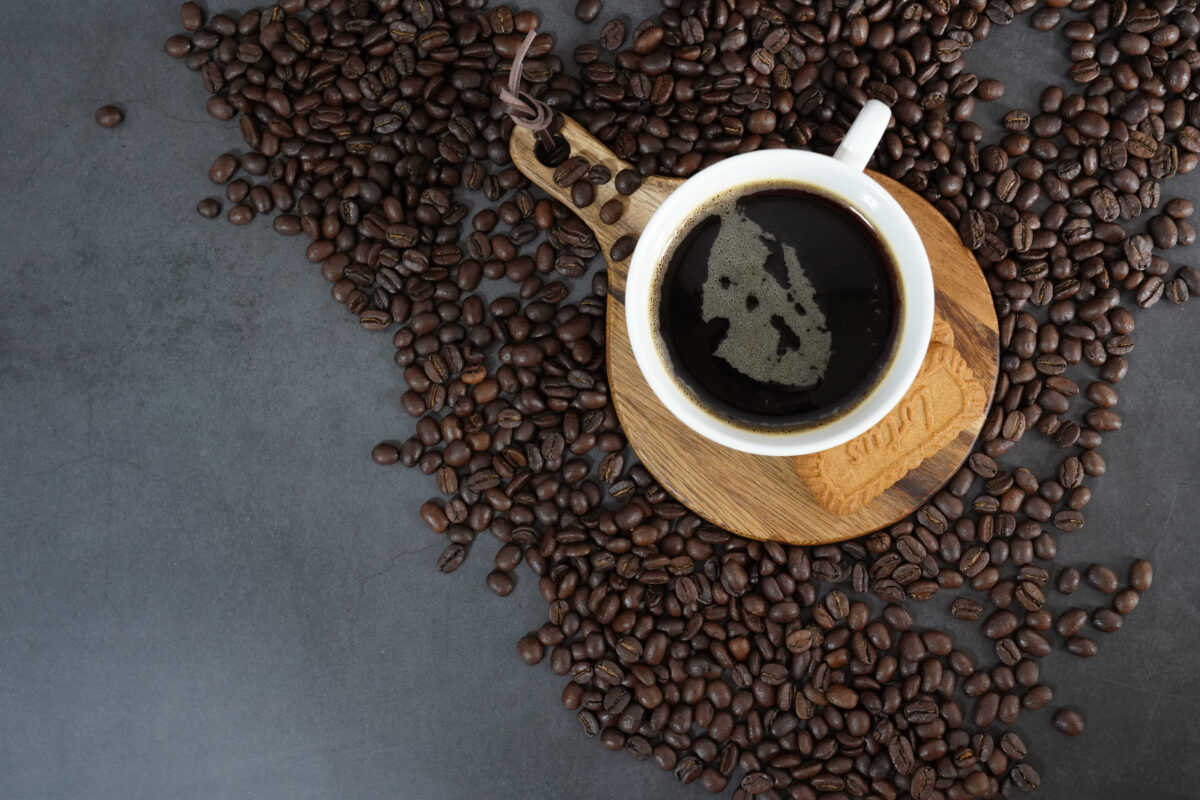
For many people, coffee is a must-have to kick-start the day, but it has become another casualty of inflation. Coffee prices have been on the rise due to a combination of factors, including poor harvests in key coffee-growing regions, rising labor costs, and global shipping delays.
The demand for coffee remains strong worldwide, but climate change and extreme weather events, such as droughts, have devastated coffee crops in countries such as Brazil, one of the largest exporters. Consequently, your morning cup of joe is getting more expensive, whether you’re grabbing it at your local café or brewing it at home. And with increased costs throughout the coffee supply chain, it’s not expected to go back down anytime soon.
Fruits and Vegetables
Fresh produce is another category where inflation has been particularly noticeable. While the prices of fruits and vegetables fluctuate with the seasons, current inflationary pressures are making them more expensive year-round.
Extreme weather events, such as heatwaves and floods, have disrupted crop production and affected the availability of certain fruits and vegetables. This has led to price hikes, especially for seasonal items like tomatoes, lettuce, and avocados. Furthermore, labor shortages in farming and picking have added another layer of complexity to food production, making fresh produce even less affordable for families trying to maintain a healthy diet.
Canned Goods
Canned goods are a pantry staple for many households, but their prices have surged along with broader inflation. Supply chain disruptions have affected the availability of key ingredients for canned goods, and rising packaging costs,especially aluminum for cans, have made them more expensive.
At the same time, manufacturers are dealing with higher transportation costs, which only add to the overall price. For many people, canned soups, vegetables, and beans were once affordable, but these days, they’ve become a less budget-friendly option. As inflation continues, consumers are finding that even their emergency food supplies are becoming more expensive.
Fish and Seafood
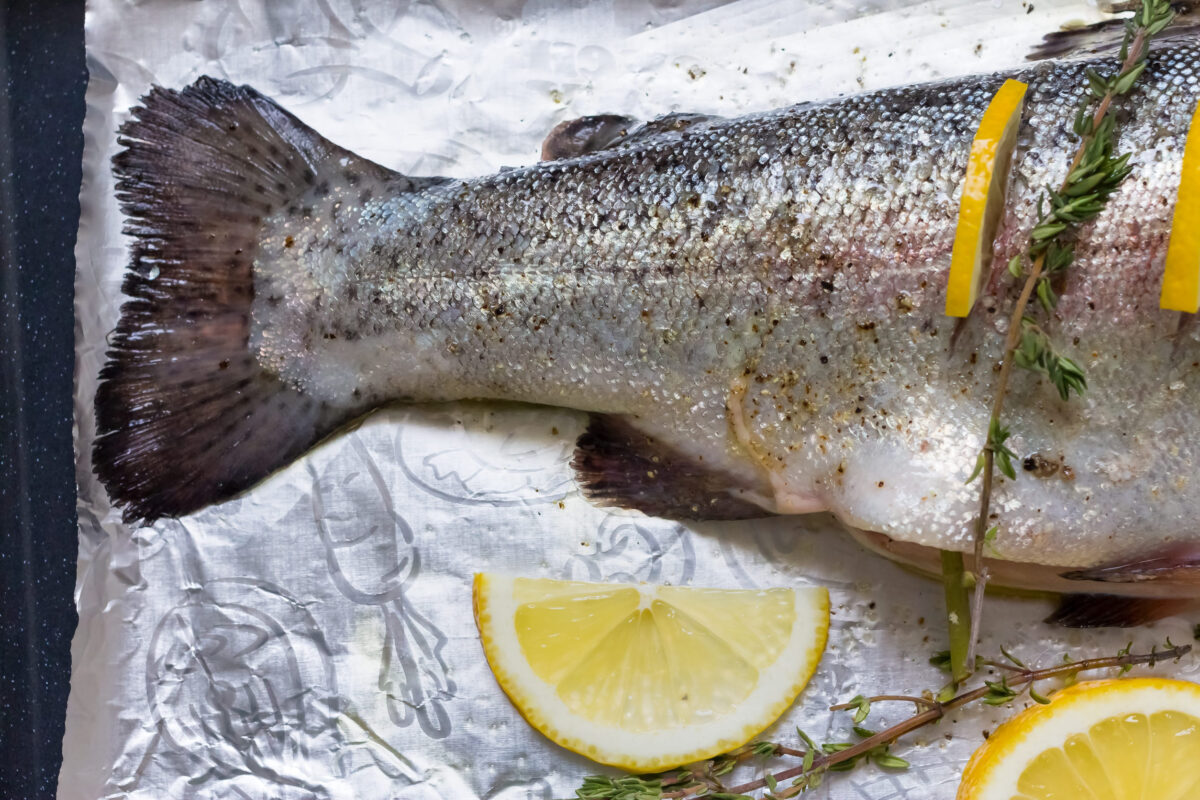
Fish and seafood, often seen as a healthy and flavorful option, are becoming more expensive due to inflationary pressures. The fishing industry has been severely impacted by rising fuel costs, which make it more expensive to catch and transport fish.
In addition, labor shortages in both fishing and processing plants have led to delays and higher wages, further driving up prices. On top of that, concerns about overfishing and regulations have reduced the supply of certain fish species, contributing to price increases. As a result, seafood lovers are feeling the impact, whether they’re buying fresh fish, canned tuna, or frozen shrimp.
Cooking Oils
Cooking oils such as vegetable, canola, and olive oil have been hit hard by inflation. The primary factors driving up oil prices include poor crop yields, especially of soybeans and palm oil, which are used in many popular cooking oils.
Additionally, transportation and labor costs have made it harder for manufacturers to keep production costs down. As a result, consumers are now paying much more for the oils they use in everyday cooking. This price surge is putting a strain on families that rely on these oils for everything from frying to baking. Unfortunately, with the uncertainty in global supply chains, cooking oil prices are expected to remain high for the foreseeable future.
Snack Foods
Lastly, snack foods like chips, cookies, and crackers are among the foods most affected by inflation. The cost of ingredients such as potatoes, wheat, and sugar has been rising steadily, driving up the production cost for many snack manufacturers.
On top of that, labor shortages and transportation costs have increased the price of producing and delivering these products. What once might have been a quick and affordable snack is now a luxury for many consumers, with some opting for homemade alternatives or cutting down on snack consumption altogether. The inflationary pressures on snack foods are forcing many to reconsider their treat habits.
Conclusion
As inflation continues to shape the cost of living, food prices are among the most noticeable areas where people feel its impact.
The rise in costs for everything from eggs and meat to dairy and snacks has made it more difficult for consumers to maintain their previous spending habits. While some of these price hikes are temporary, others could last longer, depending on global events and local factors. In the face of rising costs, it’s important for families to adapt by shopping smarter, seeking deals, and considering alternatives. Although inflation is a tough reality, understanding which foods are most affected by it can help you make more informed decisions about what to put in your grocery cart and how to plan your meals.