7 Hidden Impact of Rising Gas Prices on Your Grocery Bill
The fluctuation of gas prices is one of the most visible economic indicators, often prompting immediate reactions from consumers, businesses, and governments alike. However, not everyone realizes that gas prices have a far-reaching impact beyond just filling up your car’s tank.
In fact, gas prices have a profound effect on grocery costs,an influence often underestimated. Whether you’re buying fresh produce or pantry staples, the price at the checkout counter is often shaped by the unseen consequences of fluctuating fuel costs. So, how exactly do gas prices affect grocery costs? Let’s delve deeper into this subject and uncover the hidden connection.
The Link Between Gas Prices and Grocery Costs
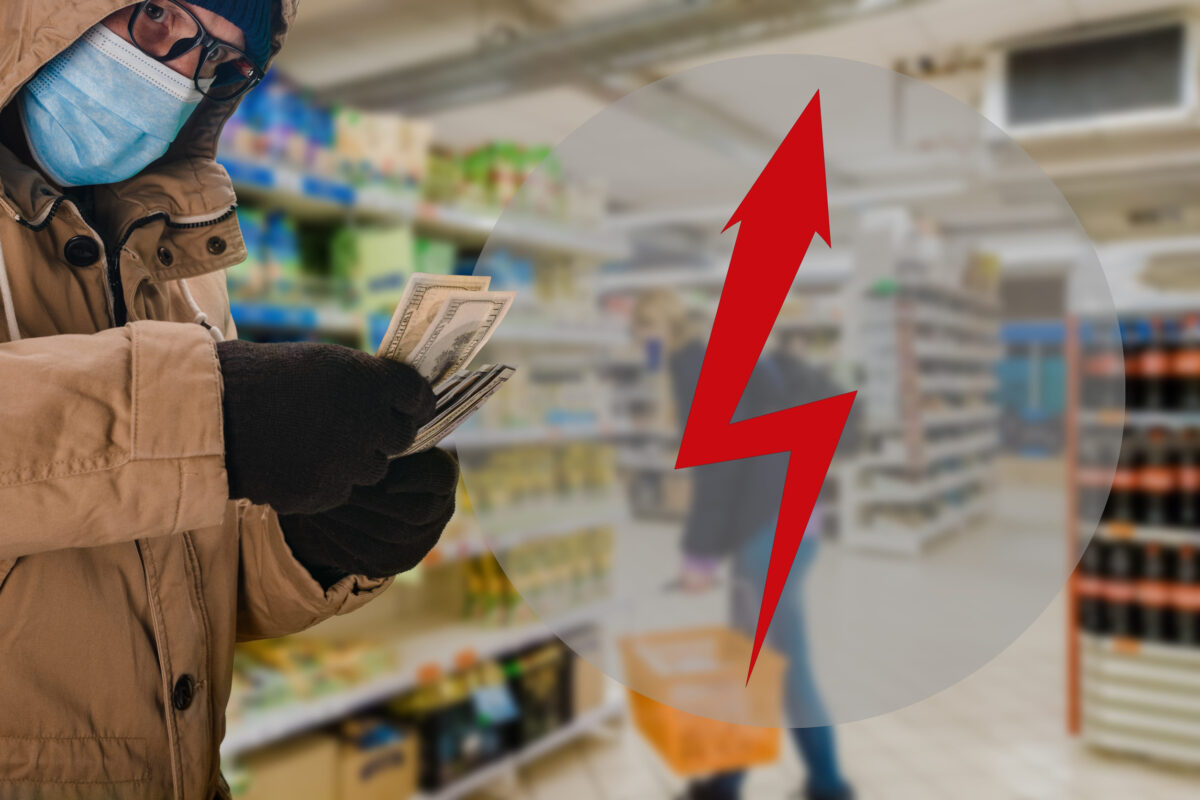
When gas prices rise, the cost of transportation,the backbone of grocery distribution,also increases. Most food products we find on supermarket shelves travel long distances, sometimes crossing states or even countries, before they reach their final destination. From farmers’ markets to large scale supermarkets, transportation plays an essential role in the food supply chain. When gas prices surge, transportation costs skyrocket, leading directly to higher grocery prices.
Trucks, trains, ships, and airplanes,all of which are integral to the logistics and delivery of food, rely heavily on fuel. As fuel costs rise, so do delivery costs. For example, a higher fuel price directly impacts the cost of transporting goods from farms to food processing facilities and then from these facilities to retail locations. This makes up a significant part of the final price you pay for products in the grocery store.
Distribution Costs
The price of transportation is not limited to the long-distance trips from farm to warehouse to supermarket. Distribution costs are felt across the entire supply chain. Grocery stores, for instance, require frequent shipments to keep shelves stocked, especially for perishable items. When gas prices climb, the cost for these shipments increases as well.
In addition, transportation companies that rely on diesel fuel, which is typically more expensive than regular gasoline, are also impacted. As their operating costs rise, companies are more likely to pass them down the supply chain, making consumers bear the brunt of the price hikes. This is why, when gas prices soar, you’ll often notice not just higher transportation costs for products like snacks and canned goods, but also for refrigerated items like meat, dairy, and produce.
The Role of Agricultural Costs
For agricultural products, gas price hikes play a pivotal role in production costs. Farmers depend on fuel to run their equipment,tractors, harvesters, and irrigation systems, all of which require fuel to function. Higher fuel costs increase the expense of producing crops, which in turn raises the prices for raw food items. In some cases, these higher agricultural costs can lead to shortages, further amplifying grocery prices under the laws of supply and demand.
Additionally, fertilizers, pesticides, and other farming chemicals are also affected by gas prices. Many of these are derived from petroleum products, so when oil prices rise, so too does the cost of these essential farming inputs. If the costs of farming increase, they directly affect the cost of food production and, inevitably, the prices consumers pay at the grocery store.
Supply Chain Disruptions
When gas prices rise rapidly, the economy can experience inflation, particularly in essential industries like food. The retail sector, including groceries, is particularly susceptible to this form of inflation. As transportation costs rise, distributors and retailers may not fully pass along the increase in price. Instead, they pass these rising costs on to consumers through higher prices. This can create a scenario where the cost of food items, from dairy to meat to canned goods, increases steadily, sometimes far beyond inflation levels.
Furthermore, gas price hikes may create significant disruptions in the supply chain. Unforeseen global events, such as political instability, natural disasters, or global pandemics, can disrupt fuel supplies. When these disruptions occur, it becomes harder and more expensive to secure the necessary fuel for transportation. These interruptions often lead to shortages in essential grocery items, further driving up costs.
Energy Prices and the Bottom Line
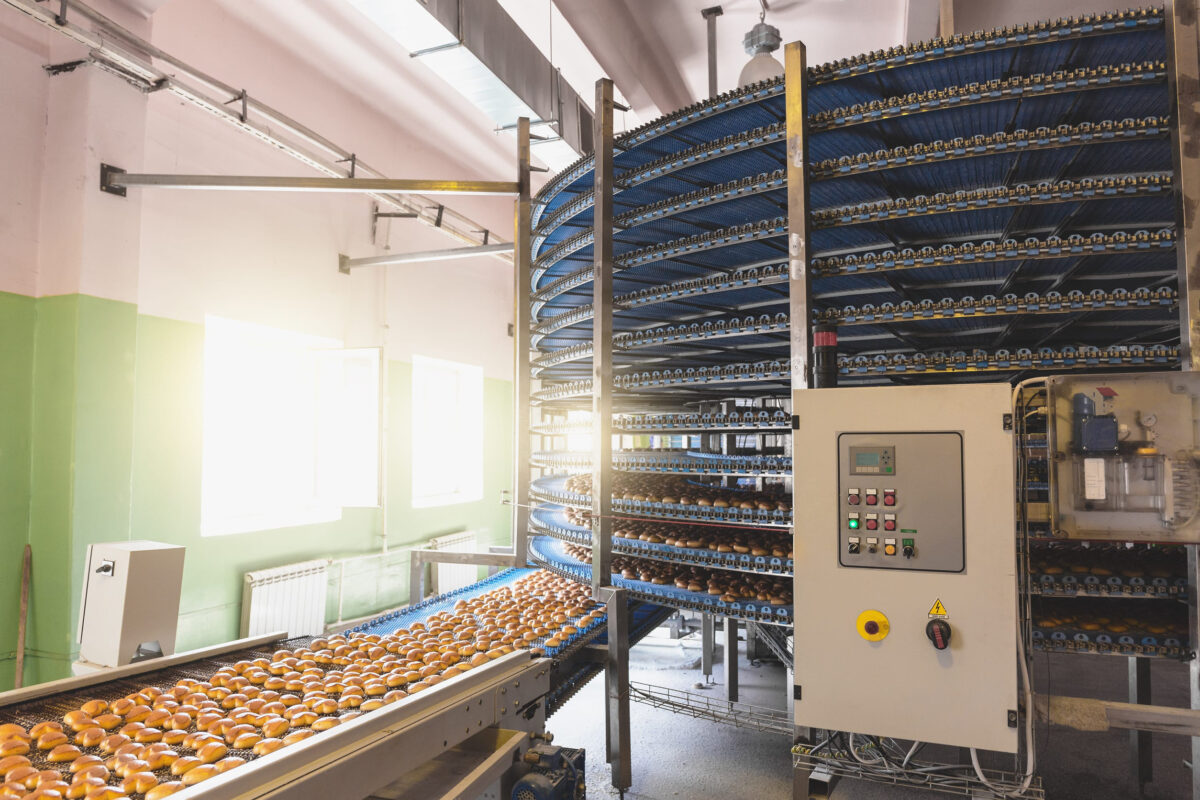
It’s not just fuel that affects grocery costs. As energy prices increase, so do the costs for food production. Energy is used to power factories, process food, refrigerate items, and keep warehouses functioning. When energy prices rise in tandem with gas prices, the cost of keeping food fresh, producing packaging, and maintaining operations skyrockets. Much like transportation, these costs are then passed along to consumers, raising the prices of everything from fruits and vegetables to processed and frozen foods.
A substantial increase in energy prices also affects small local producers, who may struggle to absorb the higher costs without passing them on to consumers. Larger chains and big-box retailers can sometimes offset these costs through economies of scale, but for smaller stores, these increases can be much harder to manage.
Gas Prices and Consumer Behavior

Interestingly, the rise in grocery prices due to higher gas prices can also alter consumer behavior. As food costs climb, many consumers will look for ways to save money,perhaps by opting for store brands, discount products, or shopping less frequently. This behavior can indirectly influence grocery stores to adjust their pricing strategies, offering deals and discounts on higher-margin products to keep customers shopping.
Retailers may also change how they source their products, seeking local alternatives to reduce transportation costs or experimenting with different supply chain models. However, in reality, these shifts may not always fully offset the increased transportation costs. The cumulative effect of higher gas and energy prices ultimately makes groceries more expensive for consumers.
How Long Can This Last?
As gas prices fluctuate and the cost of living continues to rise, consumers can expect to feel the impact at the grocery store for the foreseeable future. There is no immediate fix for this problem; the food supply chain is deeply entrenched in fuel-dependent infrastructure, and alternatives are not easily implemented.
Additionally, market forces and geopolitical factors often create volatility in the fuel market. This unpredictability means that prices will continue to rise and fall with no clear timeline for stabilization. While more sustainable energy solutions and shifts toward local sourcing may help mitigate some of the long-term effects, for now, it’s clear that consumers will continue to feel the pinch when gas prices soar.
Conclusion
In conclusion, the relationship between gas prices and grocery costs is complex and intertwined. When gas prices rise, transportation costs increase, agricultural expenses soar, and supply chains experience strain, all of which directly impact the prices we pay for groceries. While there are potential long-term solutions, such as investing in sustainable energy or local production methods, the immediate effects of rising gas prices are undeniable.
To keep food prices manageable, it’s crucial to be aware of these interconnected factors and to adjust our consumption habits accordingly. As consumers, understanding this connection can help us make more informed choices when shopping for groceries,whether by adjusting our shopping habits, exploring local alternatives, or simply bracing for the inevitable price increases.