10 Politicians Who Blamed Video Games for Violence — And Why They Were Wrong
Video games are often scapegoated after tragedy. Politicians and media frequently blame the gaming industry, claiming violent games cause societal violence.
Despite investigations and debates, no substantial link has been found between gaming and real-world violence. This article explores key moments when politicians blamed video games and why their claims lacked evidence.
The Mortal Kombat Saga
The late 1980s and early 1990s saw the rise of more violent games like Mortal Kombat and Doom. Public outcry followed, prompting U.S. senators to hold hearings. Lawmakers worried these games would harm children.
The industry responded in 1994 by creating the Entertainment Software Rating Board (ESRB), which assigned age ratings. This was widely seen as a success, but it did not end the debate over whether games influence violence.
Lord Campbell’s Outrage
In 1997, the UK’s House of Lords targeted Grand Theft Auto (GTA), a controversial game that allowed players to commit virtual crimes. Lord Campbell of Croy argued that no product should encourage youth violence.
Despite objections, the game’s popularity grew, with the controversy increasing its visibility. This episode highlighted the gap between political concerns and the gaming industry’s adaptability.
Bill Clinton’s 1999 Response

The 1999 Columbine High School shooting in Colorado remains one of the most devastating and shocking events in U.S. history. The shooters, Eric Harris and Dylan Klebold, were avid players of violent video games like Doom and Quake.
As details emerged about their interests, President Bill Clinton seized the opportunity to address violent media.
Clinton suggested that games like Mortal Kombat were making children “more active participants in simulated violence,” implying that these games contributed to violent actions in real life.
This rhetoric sparked debates about whether video games were fostering aggressive behavior, but subsequent research failed to establish any clear causal link between gaming and real-world violence.
Hillary Clinton’s Failed 2005 Bill
In 2005, Hillary Clinton pushed for legislation restricting the sale of violent video games to minors.
The Family Entertainment Protection Act aimed to fine businesses that sold games like Grand Theft Auto and Mortal Kombat to children and to seek stricter oversight by the ESRB. The bill failed but reflected the era’s fears, despite the lack of evidence linking games to violence.
Mitt Romney’s 2008 Campaign

The 2007 Virginia Tech shooting, which claimed the lives of 32 individuals, reignited the debate over violent video games. During his 2008 presidential campaign, Mitt Romney used the tragedy as an example to push for stricter regulation of violent entertainment.
Romney argued that such content, spanning video games, movies, and television, was directly contributing to societal violence.
His comments, however, were met with skepticism, as numerous studies at the time debunked the theory that violent games led to real-world aggression. Romney’s stance ultimately did little to resonate with voters, and he lost both the nomination and the election.
Ralph Nader’s “Electronic Child Molesters” Outburst
After the 2012 Sandy Hook shooting, Ralph Nader called video game companies “electronic child molesters,” blaming them for desensitizing youth to violence. His remarks caused outrage but did not lead to any policy change, as research did not link games to real violence.
Barack Obama’s Task Force on Violent Video Games

In response to Sandy Hook, President Barack Obama launched a task force to examine links between violent video games and gun violence.
The CDC found no connection. Still, politicians continued to play blame games, overlooking other contributing factors like gun access and mental health.
Matt Bevin and the Parkland Shooting
In the aftermath of the 2018 Parkland shooting in Florida, Kentucky Governor Matt Bevin suggested that violent video games played a significant role in fueling mass shootings.
Bevin recalled his own school experience, where guns were present, but violence was rare, blaming the shift in culture on video games.
His comments were widely criticized, especially since research continued to show no direct link between video games and violent behavior. Like many before him, Bevin’s attempt to link gaming to violence did not gain much traction.
Donald Trump’s 2019 Statement on Video Games and Violence
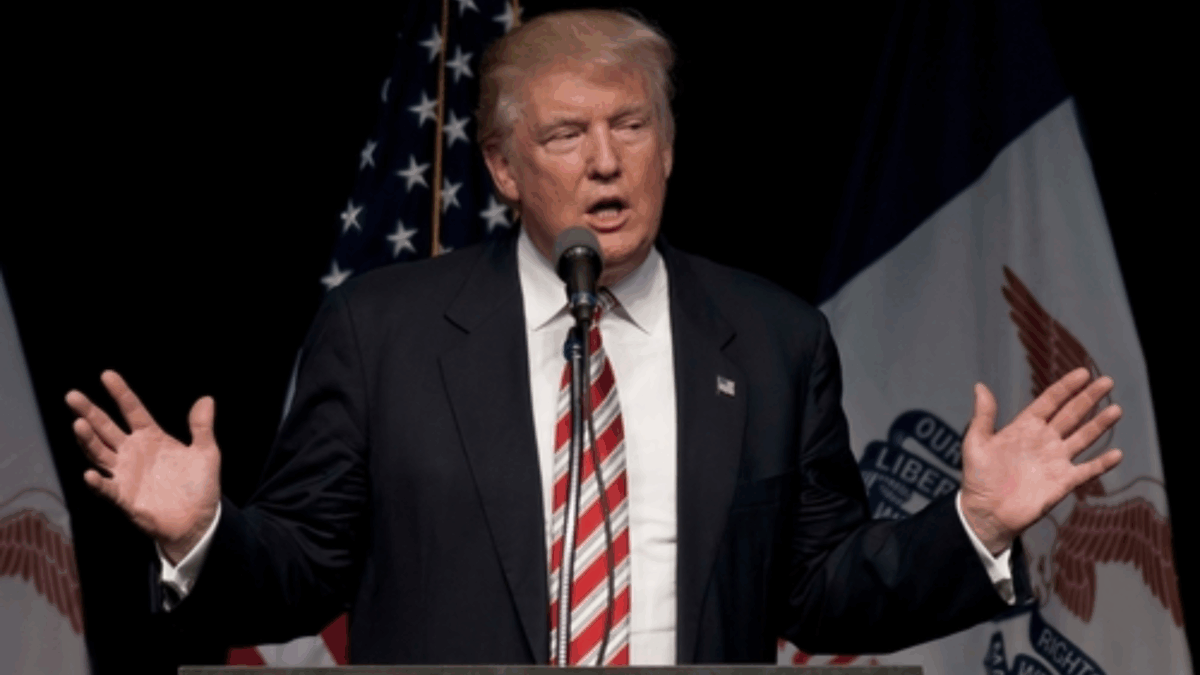
After the 2019 mass shootings in El Paso and Dayton, President Donald Trump once again pointed to video games as a contributing factor to violence. He echoed concerns that violent games were reshaping young minds, making them more prone to committing heinous acts.
Trump’s comments led to a meeting between gaming industry leaders and policymakers, but no concrete legislation emerged from these discussions. The continued lack of evidence linking games to violence casts doubt on the efficacy of such policies.
Chicago’s 2021 Grand Theft Auto Ban Proposal
In 2021, after rising carjackings in Chicago, local legislators proposed banning violent games like Grand Theft Auto, blaming them for crime.
The bill sought to amend a 2012 law that restricted the sale of mature-rated games to minors. Critics argued that real causes were socioeconomic. The bill failed, and focus returned to the root causes of poverty and a lack of education.
Conclusion
Politicians have consistently blamed video games for societal violence, but the evidence supporting these claims has always been lacking. Despite numerous studies and investigations, no clear link has been established between gaming and real-life violence.
In fact, the vast majority of gamers can differentiate between fiction and reality. As the gaming industry continues to grow, it remains clear that video games are an easy scapegoat for politicians seeking simple solutions to complex problems.
The real challenges, such as addressing mental health issues, improving access to education, and tackling the proliferation of firearms, remain unresolved. Until these factors are addressed, the debate over video games will likely continue to distract from the real issues at hand.