9 Food Myths That Need to Be Debunked
Food myths have been circulating for centuries, leading to a lot of confusion about what’s actually good for us.
From old wives’ tales to the influence of social media trends, it’s easy to be misled. It’s time to break down these food myths and reveal the truth behind them. So, let’s dive into some common misconceptions and set the record straight on food and nutrition.
Carbs Make You Gain Weight

The truth: Carbs have been villainized in recent years, especially with the rise of low-carb diets. While it’s true that overeating any macronutrient,be it carbs, fats, or proteins. can lead to weight gain, but carbs themselves are not inherently fattening. In fact, complex carbs like whole grains, fruits, and vegetables are packed with essential nutrients and fiber that support digestion, energy, and overall health. The real problem lies in refined carbs and sugars, which offer little nutritional value and can cause blood sugar spikes.
If you’re eating the right kind of carbs and watching your overall calorie intake, they won’t automatically lead to weight gain. So, next time you’re choosing between a piece of bread or a salad, don’t fear the carbs,just choose wisely.
You Need to Drink 8 Glasses of Water a Day
The truth: While hydration is crucial, the idea that everyone must drink eight glasses of water a day is an oversimplification. The amount of water you need depends on factors such as your body weight, activity level, and the climate you live in. The truth is, your body gives you clues when it needs more hydration, so listen to your thirst signals.
Additionally, food contributes a significant amount of water to your daily intake. Fruits and vegetables, such as cucumbers, watermelon, and oranges, are naturally packed with water. So, the “8 glasses” rule? It’s not as rigid as it seems. Your body’s thirst is a pretty reliable guide.
All Fats Are Bad for You
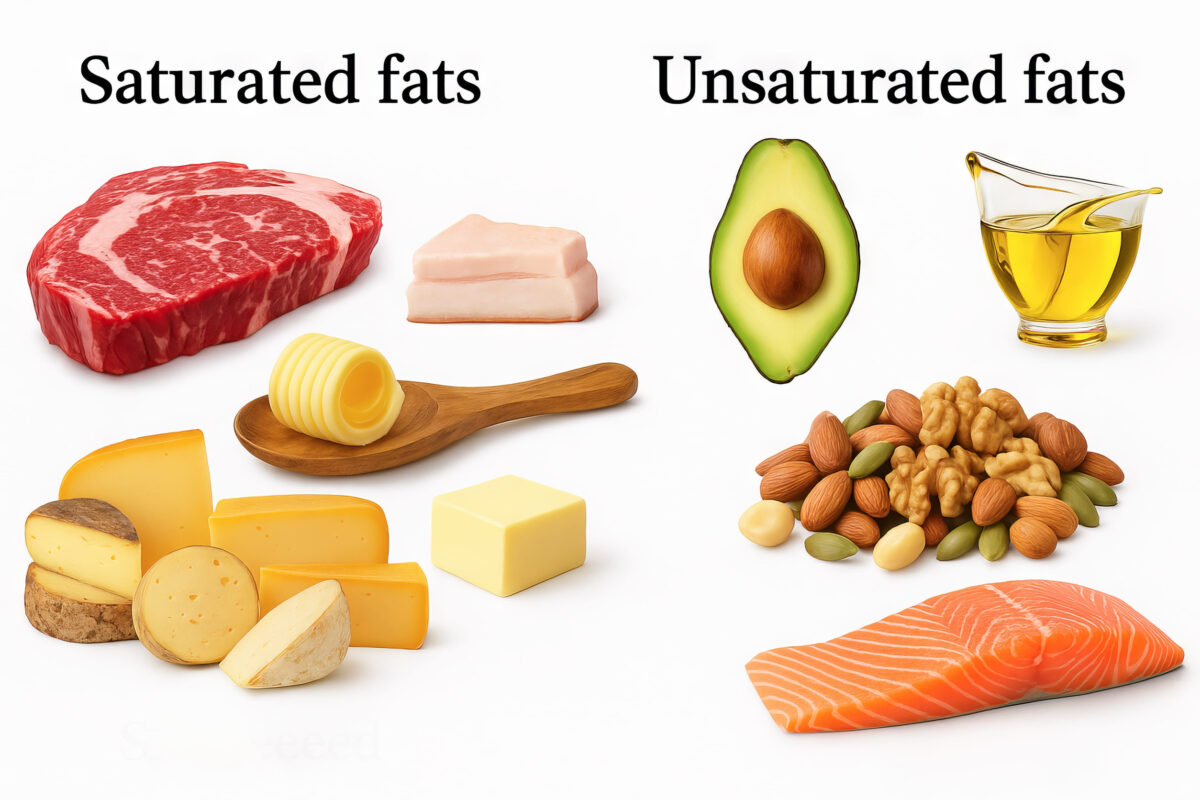
The truth: Fat has gotten a bad rap, but not all fats are created equal. Healthy fats, like those found in avocados, nuts, seeds, and fatty fish, are essential for your body’s functions. They help absorb vitamins, regulate body temperature, and support brain health. The real culprit? Trans fats are found in many processed foods and snacks. These fats can increase bad cholesterol levels and raise the risk of heart disease.
So, while it’s important to avoid processed foods, including healthy fats in your diet is crucial. Incorporate olive oil, salmon, and nuts into your meals to keep your heart and body functioning at their best.
Eating Late at Night Leads to Weight Gain

The truth: Eating late at night does not inherently cause weight gain. It’s all about what you eat and how much. If you’re consuming an excessive number of calories late in the evening, that can lead to weight gain, regardless of the time. Your body doesn’t magically stop processing food after a certain hour. In fact, some studies suggest that eating smaller meals throughout the day, including a light snack before bed, can help with muscle repair and metabolism during sleep.
It’s the overall calorie intake that matters, not the timing. As long as you’re mindful of portion sizes and food choices, eating late isn’t the weight-gain culprit it’s often made out to be.
Eating Fat-Free Foods Is Always Healthier
The truth: Fat-free does not mean healthier. In many fat-free products, the fat has been replaced with added sugars, artificial sweeteners, or more refined carbs to maintain the flavor and texture. These substitutes can actually be worse for your health than consuming the original product in moderation. For example, fat-free salad dressings often contain added sugars, which can spike your blood sugar and contribute to insulin resistance.
Instead of reaching for fat-free options, aim for whole, minimally processed foods. If you enjoy the taste of full-fat versions, consider smaller portions and balance them with other nutrient-dense foods.
Detox Diets
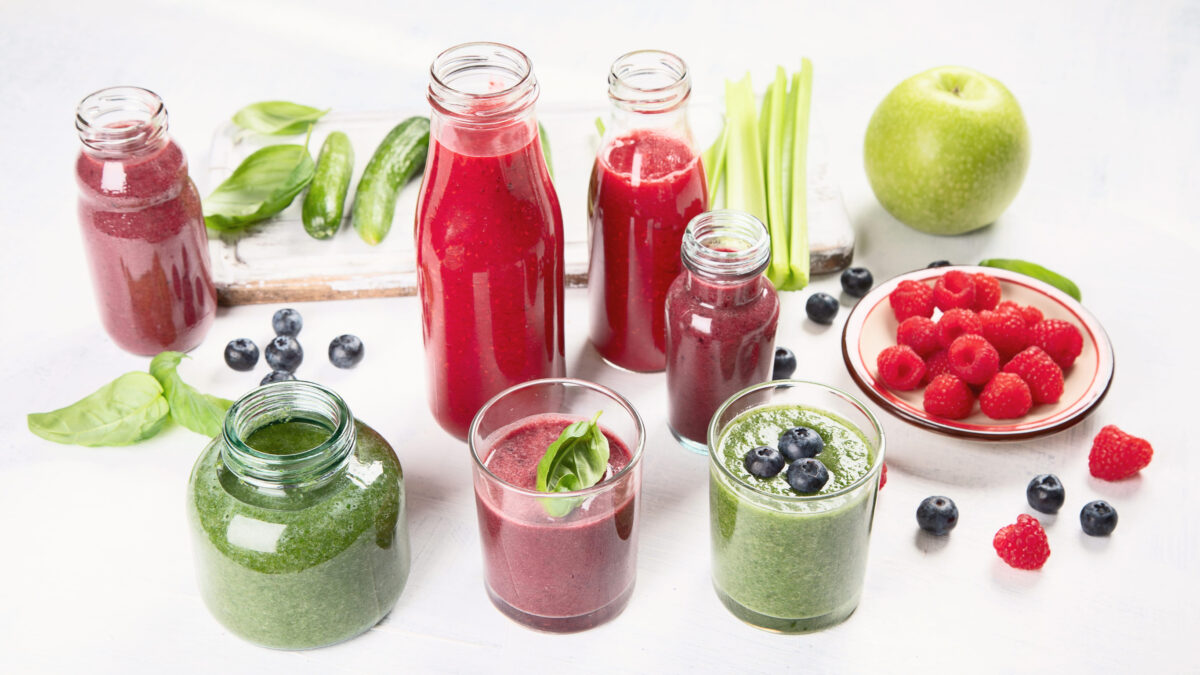
The truth: Your body is equipped with its own natural detox system, consisting of the liver, kidneys, and digestive tract. These organs can remove toxins from your body without the need for fad detox diets or expensive juice cleanses. Many of these detox programs are not only ineffective, but they can also be dangerous, especially if they lead to nutritional deficiencies.
Instead of relying on detox diets, focus on nourishing your body with a well-rounded, balanced diet rich in vegetables, fruits, fiber, and plenty of water. This approach supports your body’s natural detoxification process and ensures you get all the nutrients you need for optimal health.
You Should Avoid All Sugar
The truth: Not all sugars are created equal. While it’s true that refined sugars found in candy, soda, and baked goods should be limited due to their minimal nutritional value and impact on blood sugar, not all sugar is harmful. Natural sugars, like those found in whole fruits, come packaged with fiber, vitamins, and minerals that support your overall health.
The key is moderation. Instead of cutting out all sugar, aim to reduce your intake of added sugars while enjoying naturally sweet foods like fruit. When consumed mindfully, sugar can be a part of a healthy diet.
Fruit Juices Are Healthy
The truth: Many fruit juices, even those labeled as “100% natural,” contain added sugars, preservatives, and lack the fiber found in whole fruit. Without fiber, juice can cause rapid blood sugar spikes, which aren’t ideal for your health. Additionally, juice can be calorie-dense, meaning it can add a significant number of calories without providing the fullness and nutrients that whole fruits do.
Instead of reaching for juice, opt for whole fruits or make smoothies that preserve the fiber. You’ll get more nutritional bang for your buck and feel fuller longer.
Gluten-Free Diets Are Healthier for Everyone
The truth: A gluten-free diet is essential for people with celiac disease or gluten sensitivity, but it’s not inherently healthier for those who don’t have these conditions. Many gluten-free products are heavily processed and lack the nutrients found in whole wheat or other grains. They may also contain more sugar or fat to improve taste and texture.
If you’re gluten intolerant, you need to avoid gluten. However, if you don’t have a gluten sensitivity, there’s no need to eliminate it from your diet. Instead, focus on whole grains like quinoa, brown rice, and oats, which offer a wealth of nutrients and fiber.
Conclusion
Food myths can significantly impact our health decisions. While there’s no shortage of advice on what we should or shouldn’t eat, it’s essential to rely on science and evidence rather than popular trends or misconceptions.
By understanding the truth behind these myths, we can make more informed choices about our diets. So, next time you come across a food myth, remember: it’s not always what it seems. Keep seeking knowledge, and you’ll be well on your way to better nutrition and overall health.