10 Foods with Surprising Secrets You Didn’t Know
Food isn’t just fuel for our bodies; it’s a window into cultural traditions, evolving technologies, and even hidden dangers. While many foods are cherished for their taste, texture, and convenience, fascinating secrets are lurking behind them. Let’s explore 10 foods that have some shocking truths you probably never knew. These aren’t just culinary tidbits; some could even pose serious risks to your health if consumed carelessly. Ready to be amazed? Let’s dive in.
Corn
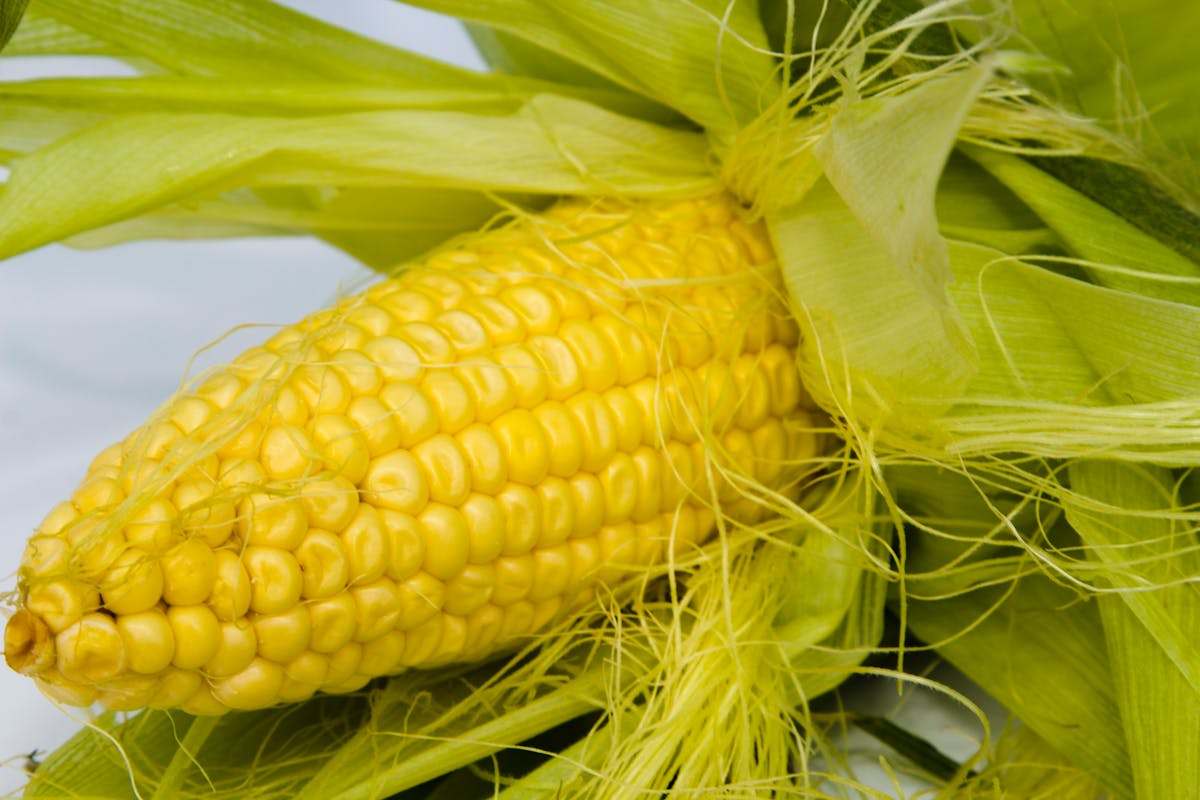
Corn has been a staple food in the Americas for centuries, but the way it’s processed can drastically affect its nutritional value. When corn is not treated with an alkaline solution through the process of nixtamalization, it can cause a severe niacin deficiency known as pellagra. This disease, once widespread in the American South, can lead to skin rashes, diarrhea, and even death if left untreated.
The tragic part? This health crisis could have been avoided had the ancient method of processing corn been passed down to European settlers.
Cheese with Living Mites
Certain traditional cheeses, like Mimolette and Milbenkäse, include a surprising ingredient: live cheese mites. These tiny creatures are deliberately introduced into the cheese to help ripen and develop unique flavors. While it may sound gross, the practice has been part of cheese-making for centuries and gives these cheeses their distinct taste and texture. Despite some hygiene concerns, the mites play a vital role in the cheese’s maturation process.
Potatoes
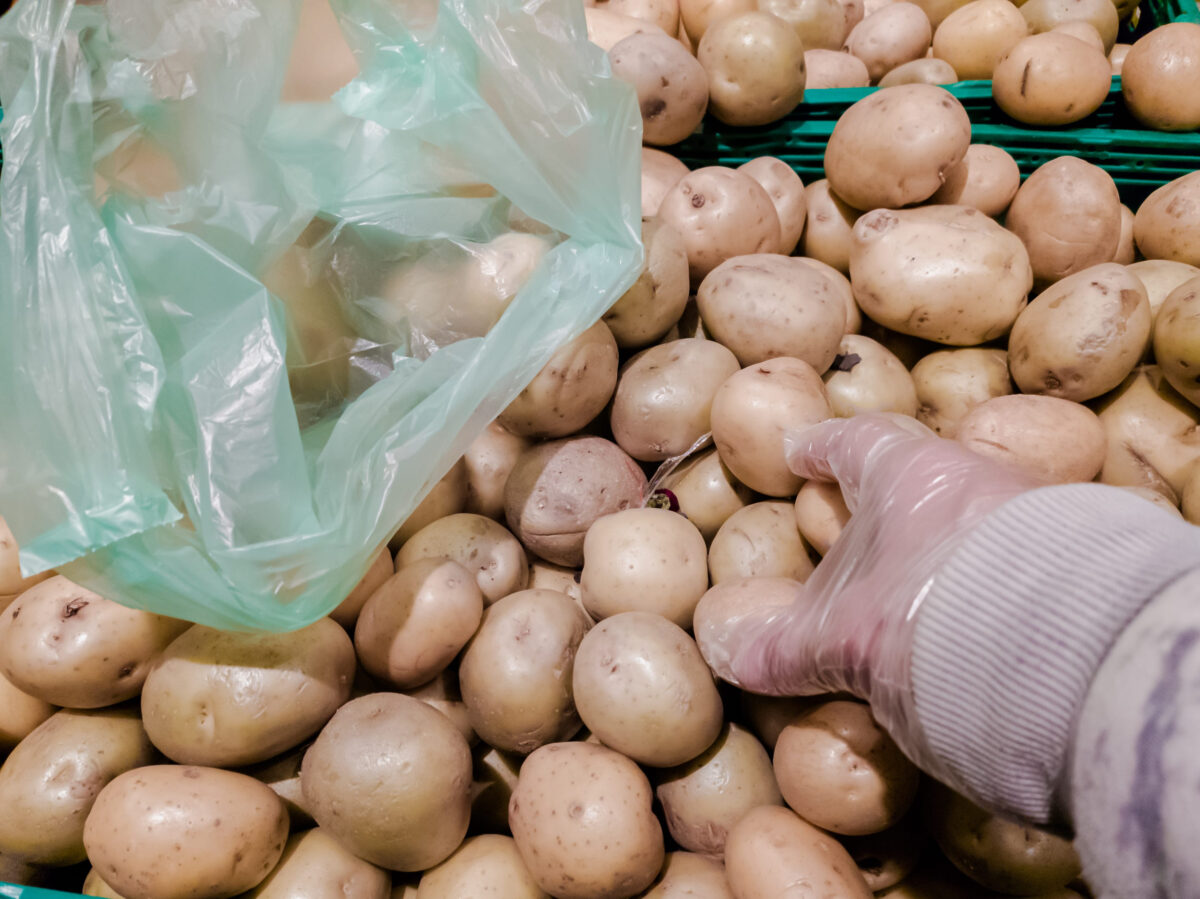
Potatoes are a staple food for many, but when they’re stored improperly or exposed to light, they can develop solanine, a toxin that can cause headaches, nausea, and even coma in extreme cases. This greenish substance appears when potatoes are sprouting or turning green, signaling the presence of solanine. To avoid this, always store potatoes in a cool, dark place, and never eat green or sprouted potatoes.
Fugu
Fugu, or pufferfish, is a delicacy in Japan, but it comes with a significant risk; if not prepared correctly, it can be fatal. The fish contains tetrodotoxin, a potent neurotoxin found in its organs and skin. Only licensed chefs are allowed to prepare fugu in Japan, and even then, the risk is ever-present. The thrill of eating this dish comes from the dangerous process of ensuring the fish is served safely.
Rhubarb

Rhubarb is commonly used in pies, jams, and other desserts, but its leaves are highly toxic. They contain oxalic acid and anthraquinone glycosides, which can lead to kidney failure or death if consumed in large quantities. While the stalks are safe to eat, the leaves should never be ingested, as they are far too toxic for human consumption.
Durian
Known as the “King of Fruits,” durian is notorious for its pungent odor, which is so strong that it has been banned from public transportation in many Southeast Asian countries. While some people adore its creamy flesh, others find the smell so offensive that they compare it to rotten onions, gym socks, or even raw sewage. What makes durian’s odor so unique? Researchers have identified a mix of over 50 chemicals responsible for the smell, some of which were previously unknown to science.
But it’s not just the scent that can be dangerous, durian also inhibits enzymes in the liver, making it a risky pairing with alcohol.
Star Fruit
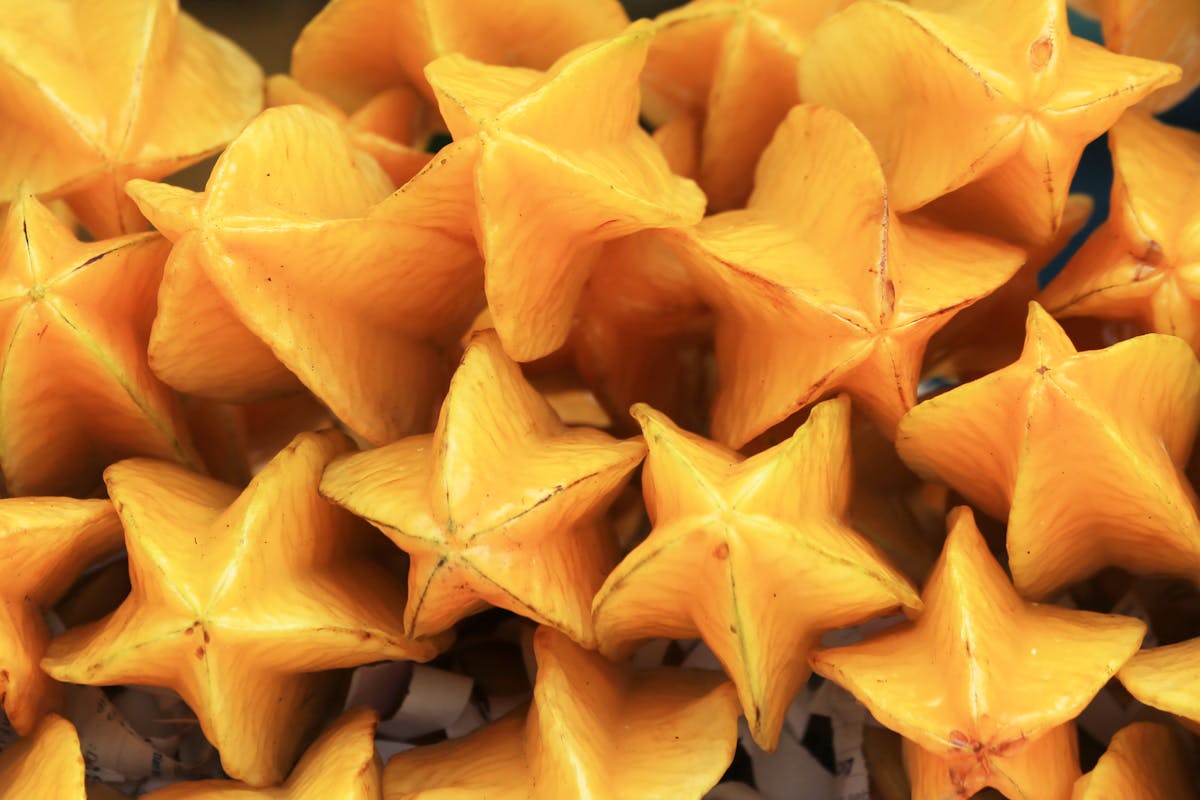
Star fruit, with its star-shaped ridges and tropical flavor, is a popular treat in many parts of the world. However, for people with kidney disease, this seemingly harmless fruit can be dangerous. Star fruit contains oxalates, which healthy kidneys can filter out, but for those with kidney problems, the buildup of oxalates can lead to fatal consequences. The toxin caramboxin found in star fruit can overstimulate the brain, causing symptoms like confusion, hiccups, and seizures.
Nutmeg
Nutmeg, often used in baking and as a spice for savory dishes, hides a dark secret: in large quantities, it can cause hallucinations and seizures. The psychoactive compound myristicin, found in nutmeg, is what makes this spice potentially dangerous. A small amount of nutmeg in food is perfectly safe, but consuming large amounts, like 50 grams, can lead to serious neurological effects, including paranoia, nausea, and even death.
Unripe Tomatoes
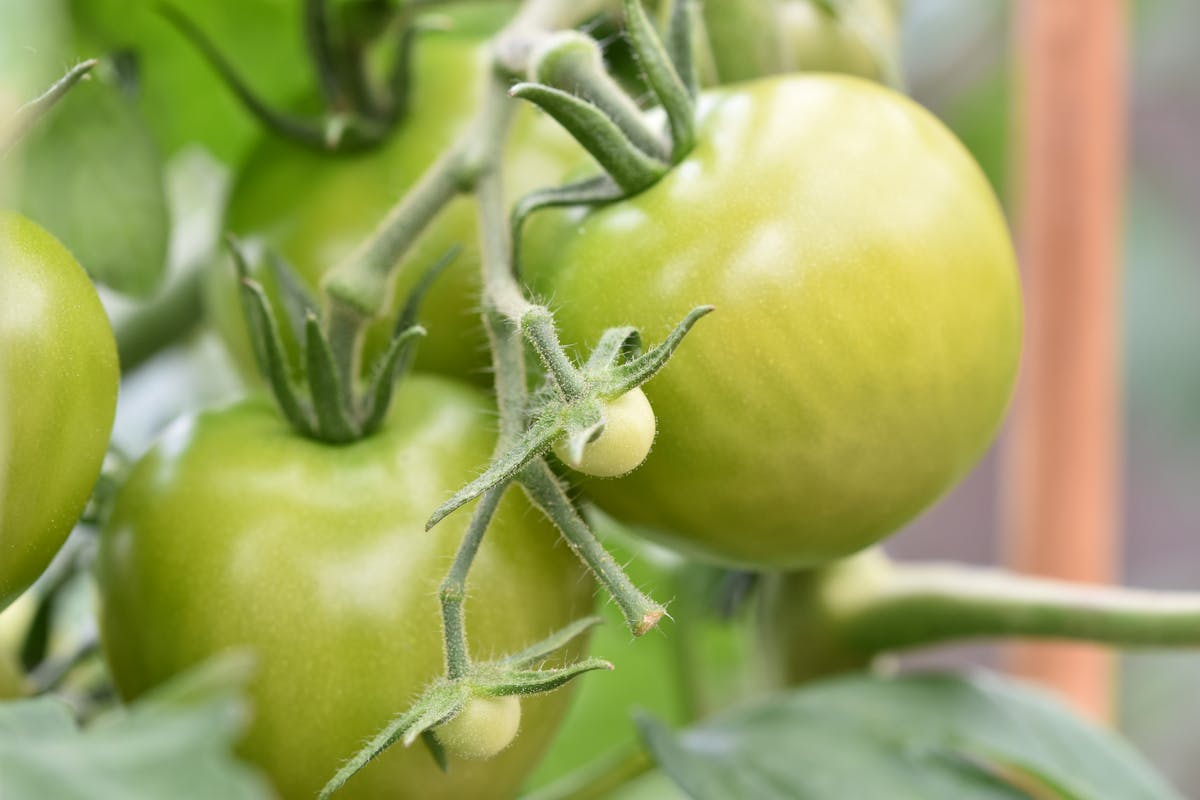
Tomatoes are a beloved fruit, but unripe tomatoes and their green parts contain solanine, a toxin also found in potatoes and eggplants. This compound can cause nausea, vomiting, and headaches if consumed in large amounts. Fortunately, ripe tomatoes are free of this toxin, so you can safely enjoy them in salads, sauces, or as a snack once they’ve ripened.
Lima Beans
While lima beans are a common legume, you might not know that they contain a naturally occurring cyanide compound called linamarin. If consumed raw or undercooked, lima beans can release cyanide, a potent toxin that can interfere with the body’s ability to use oxygen. Fortunately, cooking lima beans properly can neutralize the toxin, rendering them safe. But for those who consume them without adequate preparation, the consequences could be fatal.
Conclusion
These 10 foods may seem like common ingredients in your daily meals, but they carry hidden dangers and fascinating secrets. From deadly toxins to ancient food preparation methods, the world of food is far more complex than we realize. By understanding these secrets, you can enjoy food more safely and with a newfound appreciation for its complexities. Be cautious, adventurous, and most importantly, informed about what you’re eating!