10 Foods With Secrets You Never Knew About
Food is a source of comfort, energy, and nourishment for most of us, but there’s more to the meals we consume than we might expect. Many foods we take for granted hold deep, often hidden secrets, ranging from health risks to bizarre facts that might just change the way you think about them.
Let’s dive into these ten surprising foods and uncover the truths that the world may not have told you.
Durian
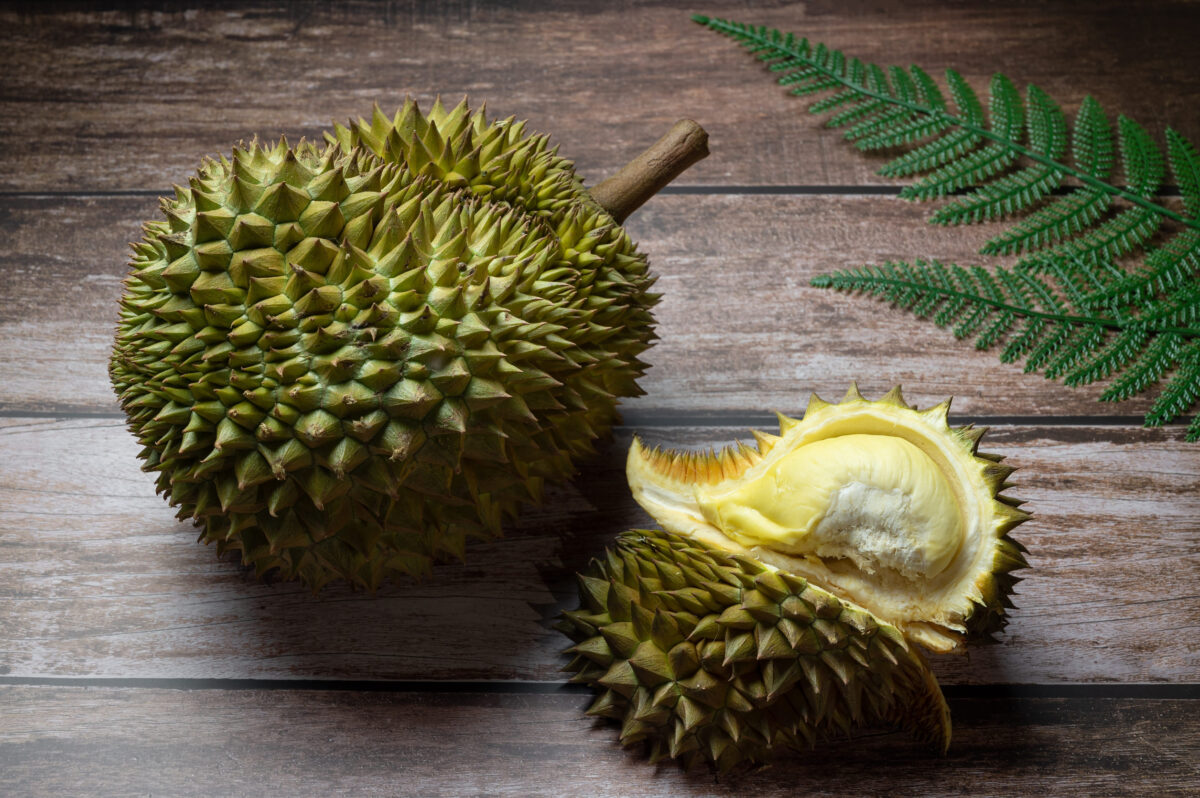
Durian, often called the “king of fruits,” is native to Southeast Asia. While many consider it a delicacy, it’s also infamous for its overpowering smell. The strong, pungent odor is so unpleasant that it’s banned in many public spaces in places like Singapore and Malaysia. But why does it smell so bad? Scientists have discovered that durian’s powerful stench is due to a unique combination of over fifty chemical compounds, some of which were previously unknown to science.
However, the danger goes beyond the smell. Consuming durian with alcohol can be fatal due to its interference with the enzyme responsible for metabolizing alcohol in the liver, aldehyde dehydrogenase. This combination has been a part of local folklore for centuries, but it wasn’t until recent studies that we fully understood the risks.
Lima Beans
Lima beans, also known as butter beans, are a staple in many kitchens, but did you know they contain cyanide compounds? These beans contain linamarin, a naturally occurring cyanogenic glycoside that releases cyanide when the beans are eaten raw or undercooked. Fortunately, these beans aren’t as dangerous as they seem. Properly cooking lima beans can eliminate the risk of cyanide.
A simple 10-minute boil is all it takes to make them safe to consume. However, consuming raw or improperly prepared lima beans can cause serious health complications or even death. So, next time you’re making a lima bean dish, make sure they’re thoroughly cooked to avoid any potential risks.
Corn
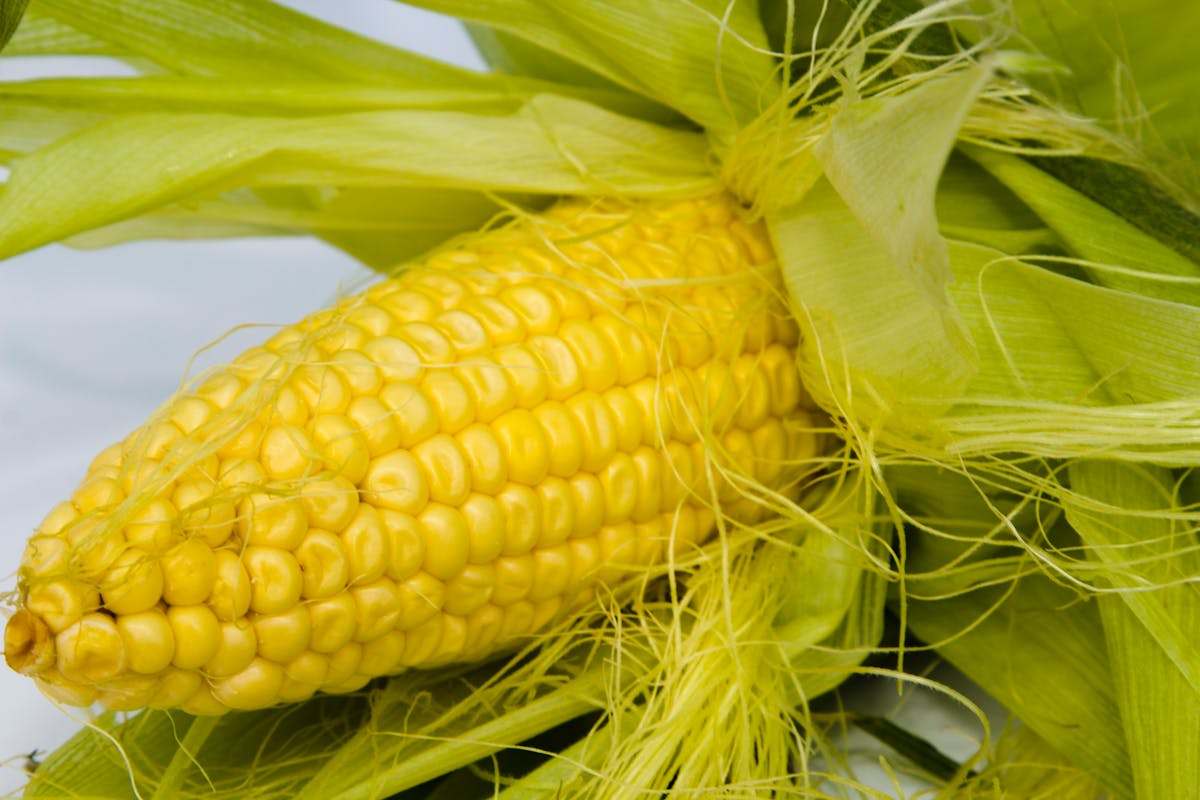
Corn has been a staple food for centuries, but for much of its history, it was consumed incorrectly, leading to a condition known as pellagra. This vitamin B3 deficiency became widespread in parts of the Southern United States in the early 1900s, especially among populations reliant on untreated cornmeal. Indigenous people used a process called nixtamalization, soaking and cooking corn in an alkaline solution, unlocking niacin, a crucial vitamin for the body.
Without this process, people consuming corn as their primary food source suffered from severe symptoms, including skin lesions, diarrhea, and even death. It wasn’t until the 1930s that the cause of pellagra was fully understood and eradicated with the widespread adoption of nixtamalization.
Milbenkäse
Cheese is known for its rich flavors and varied textures, but some varieties contain an unexpected ingredient: live mites. Milbenkäse, a traditional German cheese, is made by intentionally introducing mites into the cheese. These tiny creatures help the cheese ripen and develop its distinct flavor. The mites release digestive enzymes that break down proteins in the cheese, enhancing its taste. Despite its strange preparation, Milbenkäse is a delicacy, particularly in small villages in Germany.
Similarly, Mimolette from France also features cheese mites, which contribute to its complex, nutty taste. While the idea of eating cheese with live mites may sound off-putting to some, it’s considered a gourmet experience by others.
Star Fruit
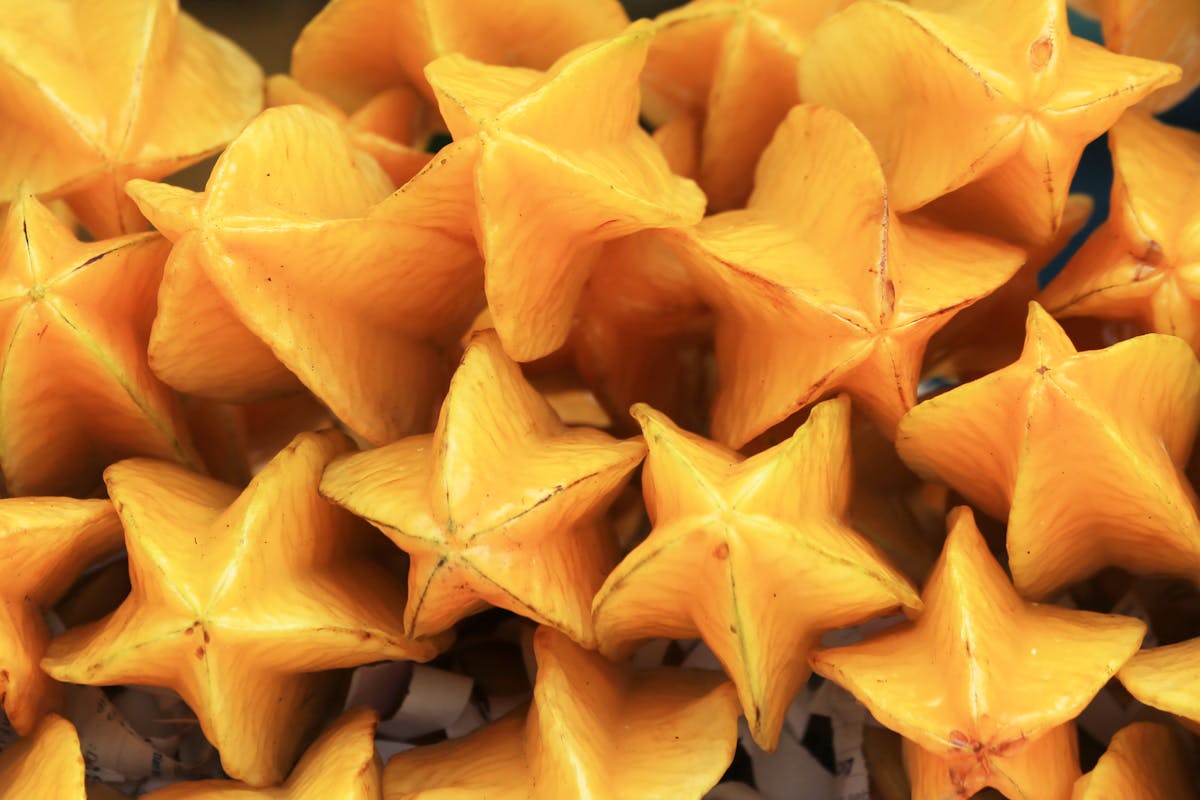
Star fruit, with its star-shaped appearance, is a tropical fruit that is popular in Southeast Asia and has made its way into global markets. While it’s sweet and refreshing, star fruit contains a toxin called caramboxin, which can be dangerous, even deadly, for those with kidney problems. Healthy kidneys filter out the toxins in star fruit, but for those with compromised renal function, it can cause severe neurotoxic effects, including seizures and confusion.
In extreme cases, even a small amount of star fruit can lead to death. This hidden danger is why individuals with kidney disease should avoid consuming star fruit and consult a healthcare provider before eating it.
Nutmeg
Nutmeg is a commonly used spice that adds warmth and flavor to holiday dishes, but did you know that it can cause hallucinations and even seizures if consumed in large quantities? Nutmeg contains myristicin, a psychoactive compound that, when ingested in excessive amounts, can trigger vivid hallucinations, rapid heart rate, and paranoia.
The lethal dose is around 50 grams, about a tablespoon of nutmeg. Although it’s generally safe in small culinary amounts, it’s important to be aware of the potential dangers when experimenting with this spice.
Unripe Bananas
Unripe bananas are packed with starch and are often considered an excellent source of prebiotic fiber. However, consuming them in their raw, unripe state can cause digestive distress. The high starch content of green bananas is difficult for most people to digest, leading to bloating, gas, and constipation.
While ripe bananas are easier on the digestive system, the unripe versions can cause significant discomfort, particularly for those with sensitive stomachs.
The Truth About Raw Cashews and Their Toxicity
Cashews are a beloved snack, but did you know that raw cashews are toxic? They contain urushiol, the same toxic compound found in poison ivy, which can cause severe skin reactions. However, commercially sold cashews are never truly raw; they undergo roasting, which removes urushiol.
So, while it’s safe to enjoy cashews from the store, consuming raw cashews directly from the plant can lead to skin irritation and other health problems. It’s crucial to roast cashews before eating them to avoid toxic effects.
Potatoes
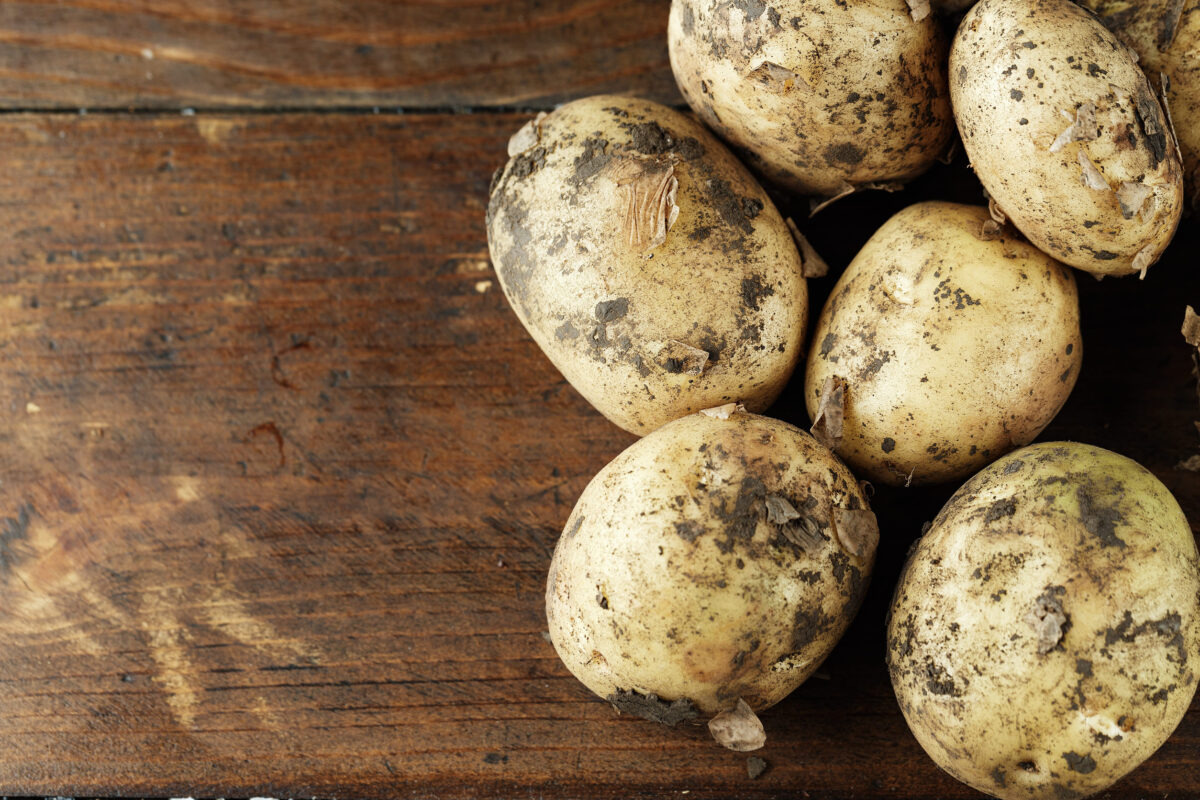
Potatoes are a kitchen staple, but many people are unaware of the dangers that can lurk in these commonly consumed tubers. When potatoes are exposed to light, they can develop a greenish tint due to the production of solanine, a toxic compound that can cause nausea, vomiting, and even coma in severe cases.
This happens more frequently in potatoes that have been improperly stored or have started to sprout. To avoid solanine poisoning, it’s essential to store potatoes in a cool, dark place and discard any that show signs of greening.
The Deadly Potential of Raw Fish
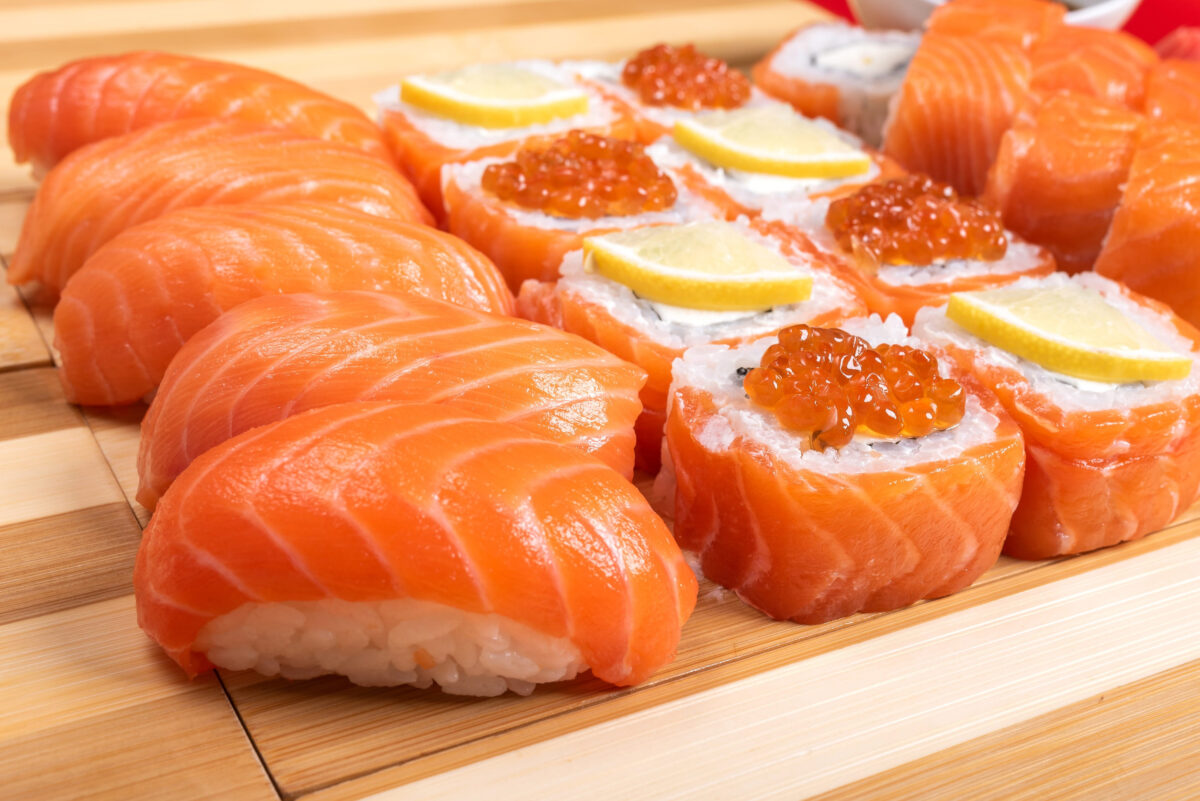
Sushi and sashimi have become popular worldwide, but consuming raw fish poses significant health risks if not prepared correctly. Raw fish can harbor parasites, bacteria, and viruses that can cause food poisoning or more severe infections, such as anisakiasis.
This parasitic infection occurs when larvae of worms found in raw fish are ingested, leading to symptoms such as stomach pain and vomiting. It’s crucial to consume only high-quality fish from reputable sources that follow proper freezing methods to kill any potential parasites.
Key Takeaways
These foods hold hidden dangers that can go unnoticed by the average person. By becoming aware of the risks, we can enjoy our meals more safely and avoid harmful consequences. Always ensure you follow proper preparation methods and store food under the right conditions to reduce the risk of these hidden dangers. When in doubt, always consult with experts or refer to food safety guidelines to protect yourself and those you love.