9 Surprising Facts About American Cheese That Will Blow Your Mind
American cheese is a staple in fast food, found on everything from burgers to grilled cheese sandwiches. Its iconic bright orange hue and smooth texture make it a favorite for many, but its origin and peculiarities might surprise you. While it may seem like a simple, often-questioned food product, American cheese has a fascinating backstory filled with unexpected twists and turns. Read on to uncover some of the most mind-blowing facts about this seemingly humble cheese.
Any Cheese Can Be Turned Into American Cheese
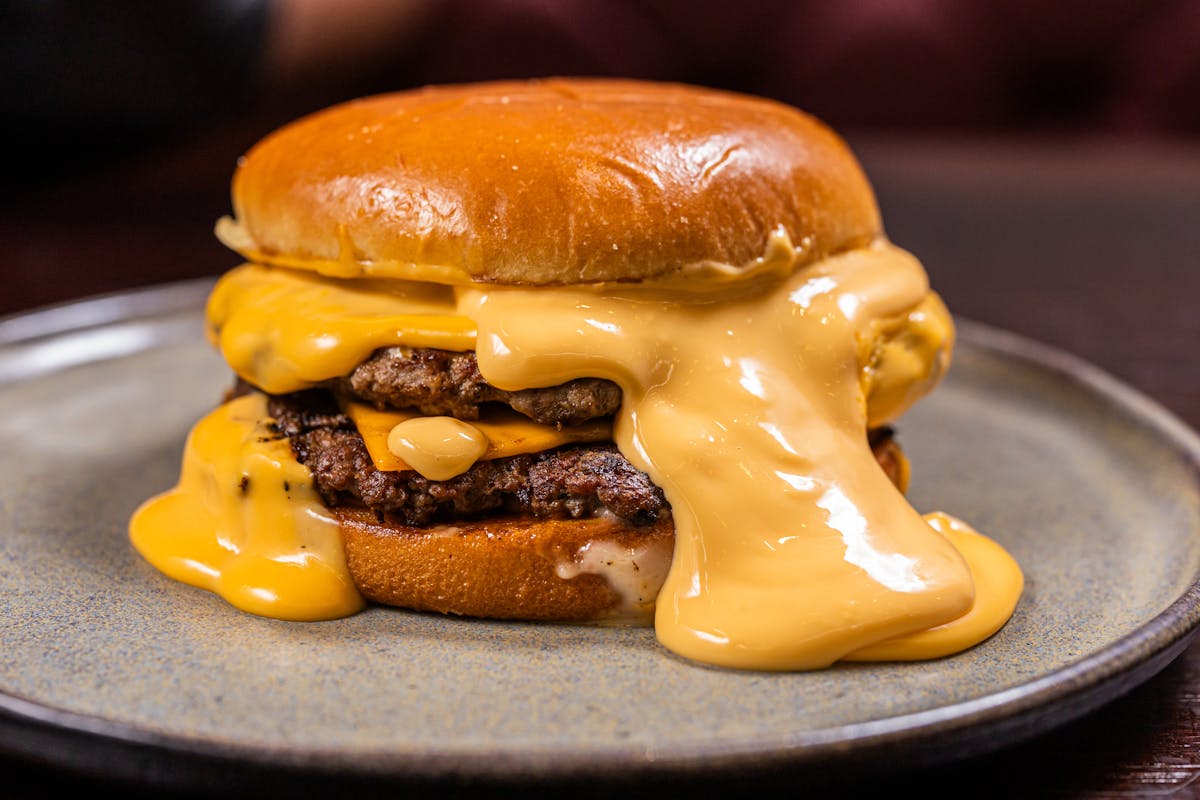
Here’s a fun fact: you can transform any type of cheese into American cheese simply by adding sodium citrate. Yes, that’s right, cheddar, provolone, even the strong-smelling Limburger cheese can be converted into a processed cheese that melts perfectly and has that iconic American cheese texture. The magic ingredient, sodium citrate, enables the cheese to become extra creamy and smooth, perfect for a melt-in-your-mouth experience on your sandwich or burger.
It Helped Make Cheese Affordable for the Masses
Before the rise of processed cheese, cheese was considered a luxury item, expensive and difficult to obtain. American cheese, with its long shelf life and mass production methods, changed that. By making cheese cheaper and more accessible to the general population, American cheese helped break down the barriers to cheese consumption, allowing nearly everyone to enjoy it at a more affordable price.
It Was Popularized by a Canadian
While American cheese has a name that ties it to the United States, its popularity was largely driven by James Kraft, a Canadian-born businessman. Kraft Foods, under his leadership, made processed American cheese a household name. Although the process was invented in Switzerland, it was Kraft’s work in Chicago that helped the cheese gain widespread recognition. Today, Kraft Singles are some of the most recognizable American cheese products on the market.
American Cheese Was Once Distributed by the U.S. Government
In the 1980s, American cheese was distributed as part of U.S. government food assistance programs. In an attempt to alleviate a dairy surplus, President Jimmy Carter subsidized the dairy industry, and an overwhelming amount of cheese was produced. By the 1980s, the government had an excess of processed cheese, which was eventually handed out to those in need through the Temporary Emergency Food Assistance Program (TEFAP).
This government cheese, while long-lasting and processed, became an unfortunate symbol of poverty for many Americans.
American Cheese Is Not Actually Cheese
Though we call it “American cheese,” it’s not technically classified as cheese by the U.S. Food and Drug Administration (FDA). American cheese falls under the category of “pasteurized processed cheese.” This means it’s a blend of cheese, milk, cream, whey, and emulsifiers like sodium citrate. This ingredient is the key to the cheese’s smooth texture when melted and is what separates it from true cheeses like cheddar or Colby.
It’s Not Naturally Yellow
Despite its bright yellow appearance, American cheese is not naturally yellow. The cheese itself is typically white, but yellow food dyes, like annatto, are added to achieve that signature golden hue. Historically, cheese was naturally colored by the butterfat in milk, but to make the product more visually appealing and to increase its perceived quality, cheesemakers began using yellow dyes to create the signature color we recognize today.
American Cheese Has a Low Melting Point

Unlike most cheeses, which can turn rubbery or oily when heated, American cheese has an unusually low melting point. Thanks to the emulsifiers and sodium citrate, this cheese melts effortlessly, becoming a smooth and velvety sauce. This quality makes it ideal for burgers, grilled cheese sandwiches, and other hot dishes, where you want a cheese that melts perfectly every time.
The Process Was Invented in Switzerland
Though we associate American cheese with the U.S., the process of making it was actually invented in Switzerland in 1911. Swiss chemists Walter Gerber and Fritz Stettler discovered that by adding sodium citrate to cheese, they could extend its shelf life and make it melt more smoothly. They initially used Swiss Emmentaler cheese, but the concept was later adapted with American ingredients to create the American cheese we know today.
It Was Nearly Called “Embalmed Cheese.”
When processed cheeses like American cheese were first developed, traditional cheesemakers weren’t too pleased with the invention. To distinguish processed cheese from the real deal, a group of cheesemakers lobbied for a name that clearly indicated it wasn’t 100% cheese. One suggested name? “Embalmed cheese” is due to the use of preservatives similar to those used in embalming fluids. Thankfully, this name didn’t stick, and “pasteurized process cheese” became the official term.
Key Takeaways
American cheese has a surprising history and some very unique properties that set it apart from other cheeses. Whether it’s its not-so-cheesy classification or its improbable journey into space, there’s no shortage of strange facts surrounding this beloved processed food. From being a government giveaway to revolutionizing cheese accessibility, American cheese continues to surprise us.