Plant Any of These 10 Plants and Your Garden is Doomed
What if the very plants you admire in your garden are quietly destroying it from the ground up? While lush greenery and vibrant blooms may seem harmless, some plants are silent invaders, spreading aggressively, choking out healthy vegetation, damaging structures, and even posing serious health risks.
Left unchecked, they can transform a thriving garden into an uncontrollable, costly nightmare. Before you plant your next flower or vine, it’s crucial to know which species could do more harm than good.
Here are 8 highly invasive and dangerous plants you should avoid if you want to protect your garden, and everything in it.
Sweet Violet
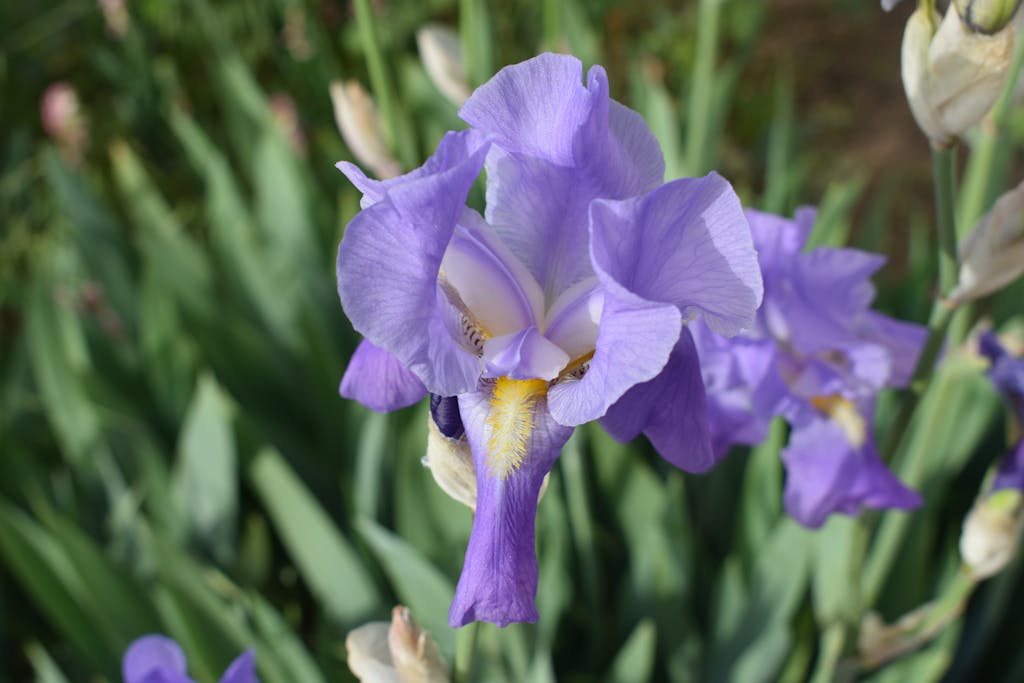
Sweet Violet may seem harmless with its delicate purple flowers and fragrance, but its rapid spread makes it a garden nuisance. This perennial plant, while loved for its beauty, can quickly take over garden beds, especially in shaded areas. Sweet Violet produces abundant seeds that spread easily, creating a dense carpet of plants that block sunlight from reaching other vegetation.
Once established, Sweet Violet is difficult to control because it continues to spread through both seed and root growth. The plant often competes with other ground cover species, leaving your garden overcrowded and unattractive. It also tends to invade flower beds and outcompete other delicate plants for resources.
Poison Ivy
Poison Ivy is infamous for causing allergic reactions upon contact with its leaves, stems, or roots. The plant produces an oil called urushiol, which can trigger severe rashes, itching, and blisters when it comes into contact with skin. While it may be found in wild areas, Poison Ivy can also invade gardens, making it a significant threat to anyone working outdoors.
Aside from its harmful effects on human health, Poison Ivy can also damage the surrounding plant life by growing rapidly and competing for resources. The plant spreads quickly through seeds and runners, making it difficult to control. It can quickly take over garden spaces, leaving other plants stifled and struggling for sunlight and nutrients.
Japanese Knotweed

Japanese Knotweed is among the most notorious invasive plants worldwide. It’s a powerhouse of growth, capable of reaching up to 10 feet tall in just a season, and it doesn’t stop there. The plant’s true damage lies beneath the surface. Its deep, aggressive root system can break through concrete, disrupt foundations, and cause significant structural damage to homes and fences. The rhizomes (underground stems) grow rapidly, allowing the plant to spread uncontrollably and overtake surrounding plants.
Its ability to outcompete native species is astonishing. Japanese Knotweed thrives in disturbed environments where other plants struggle to establish, making it a major threat to local biodiversity. Once it’s established, it’s incredibly difficult to remove, often requiring professional treatment to control its spread. Even cutting it back only encourages more vigorous growth.
English Ivy
English Ivy is often favored as a ground cover or climbing vine due to its hardy nature and attractive foliage. However, what many fail to realize is that this evergreen plant has a dark side. It grows rapidly and smothers everything in its path. The plant clings to trees, fences, and buildings with its aerial roots, robbing other plants of sunlight and nutrients.
As it climbs, it often damages the structures it adheres to, weakening tree trunks and permanently harming their growth. English Ivy can also create a dense blanket on the forest floor, stifling the growth of native vegetation. Over time, this diminishes biodiversity, making it harder for new plants to take root and for wildlife to thrive.
Bindweed
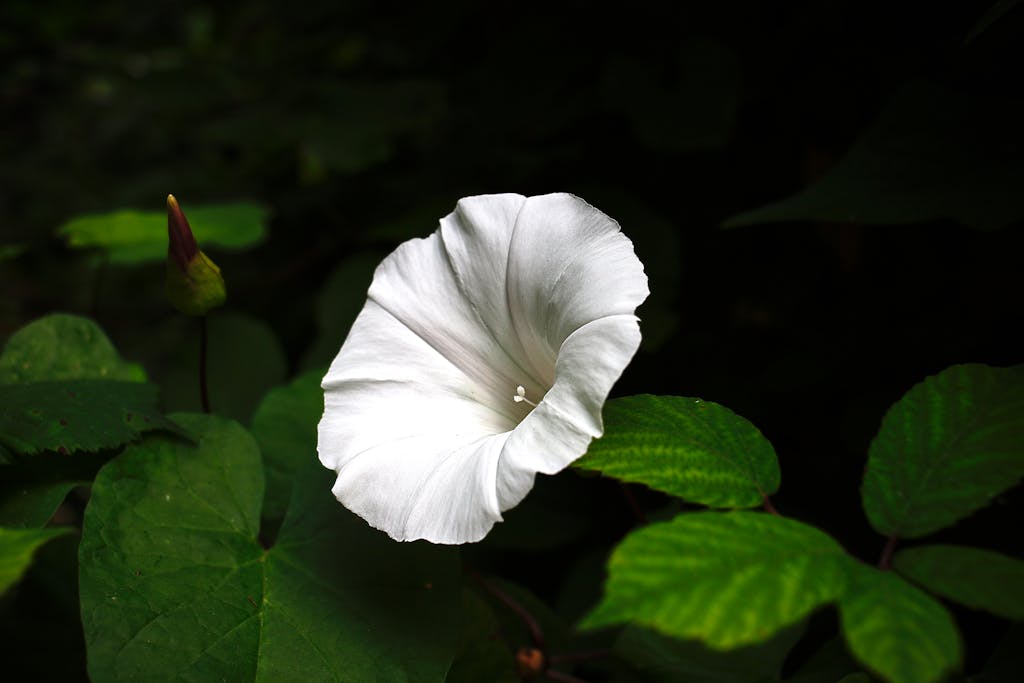
Bindweed, often mistaken for morning glory, is a fast-growing vine that can infiltrate gardens and landscapes with little resistance. Its twining, heart-shaped leaves and white or pink funnel-shaped flowers may seem charming at first, but don’t be fooled, this plant is highly destructive. It wraps itself around any nearby structure, whether it’s plants, fences, or trees, blocking sunlight and preventing other plants from thriving.
Bindweed is particularly difficult to control because of its long, deep roots, which allow it to regenerate from even the smallest root fragments. This persistent regrowth makes it a nightmare for gardeners trying to maintain healthy plant life. Its rapid spread and overwhelming growth choke out native plants, eventually replacing them with dense mats of bindweed.
Giant Hogweed
Giant Hogweed is a plant of true menace. Towering up to 14 feet tall, it’s easy to mistake this weed for something benign at first glance. However, the plant’s sap is highly toxic and can cause severe skin burns, particularly when exposed to sunlight. Contact with Giant Hogweed sap can cause blistering, scarring, and permanent sensitivity to sunlight, making it a significant health risk for anyone who comes into contact with it.
Not only does it pose a threat to human health, but it also disrupts ecosystems. Its dense foliage and rapid growth prevent native plants from receiving sunlight and nutrients, leading to a decline in local biodiversity. It often invades riverbanks, where its deep roots can destabilize the soil, leading to erosion.
Bamboo
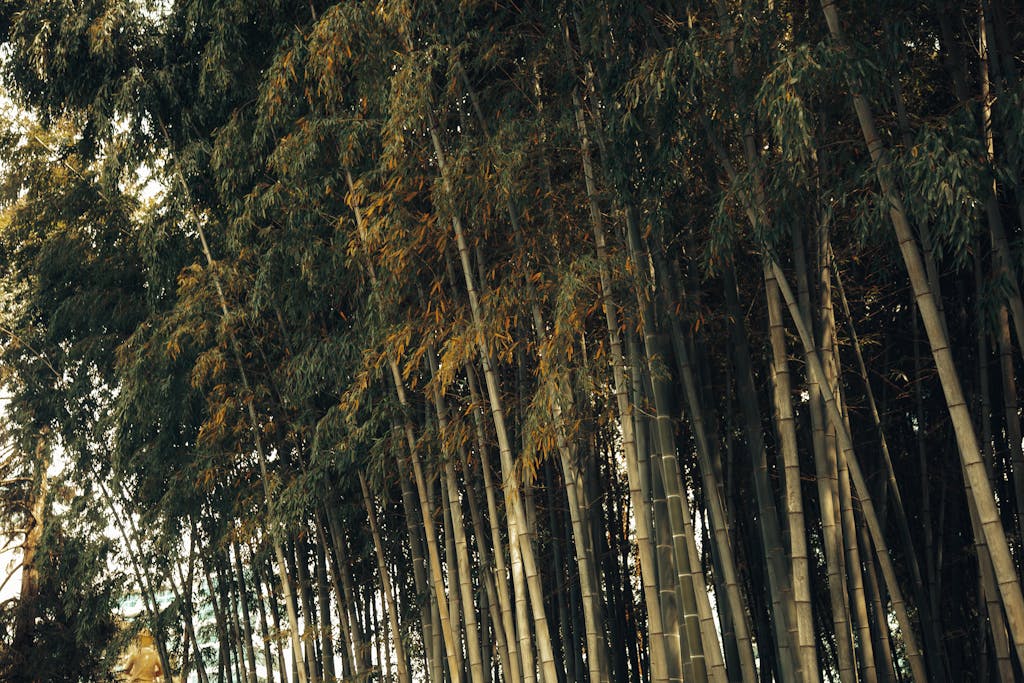
Bamboo is often praised for its fast growth and striking appearance, but beneath its beauty lies a beast that can quickly turn your garden into a chaotic jungle. The primary culprit is the running type of bamboo, which spreads via underground rhizomes, sending shoots far beyond its original planting area. In just a few seasons, bamboo can invade neighboring garden beds, lawns, and even driveways, creating a tangled mess of roots and stems.
Once established, bamboo is incredibly difficult to remove. Its extensive root system anchors it deep into the ground, and even cutting the shoots back won’t stop it from sending up new ones. Without careful management, bamboo will quickly outgrow its designated space, suffocating other plants and overtaking the garden.
Morning Glory
Morning Glory vines are a common sight in many gardens, loved for their colorful, trumpet-shaped flowers. However, these plants grow so rapidly that they can quickly become uncontrollable. Their aggressive climbing habit results in them smothering shrubs, fences, and even trees. In no time, Morning Glory vines can completely block sunlight from reaching the plants beneath them, causing them to die.
The roots of Morning Glory are deeply embedded in the soil, making them resistant to removal. This, combined with their ability to spread easily through seed and vine, makes them a major threat to any garden. What starts as a small, decorative vine can quickly become a dense, suffocating mass that prevents other plants from thriving.
Conclusion
A beautiful garden isn’t just about what you plant, it’s also about what you keep out. The plants on this list may look appealing at first glance, but their long-term impact can be devastating, from destroying biodiversity to causing physical harm and structural damage.
Staying informed and vigilant is your best defense. By choosing safer, non-invasive alternatives and acting quickly when these plants appear, you can maintain a garden that is not only visually stunning but also balanced, sustainable, and safe for both people and the environment.