10 Ways to Stop Wasting Money Right Now
In today’s fast-paced world, it’s easy to overlook the small expenses that quietly drain your bank account. The truth is, many of us are spending money on things we don’t need, and those costs can add up quickly.
Fortunately, by making a few simple adjustments, you can stop wasting money and start saving more effectively. Here are the 10 best ways to cut expenses immediately.
Ditch Subscriptions You Don’t Use

Subscriptions can sneak up on us. Whether it’s streaming services, apps, or magazines, they tend to renew automatically, often without us realizing it. Start by reviewing your bank statements for any recurring charges that you don’t actively use or need.
If you’re not using it regularly, cancel it. You’ll be surprised by how much money you can save by eliminating these unnecessary expenses.
Stop Paying for Extended Warranties
While extended warranties may seem like a smart way to protect your purchases, they often aren’t worth the investment.
Many products rarely break down after their original warranty period, and if they do, the repair costs are often less than the warranty price. Unless it’s for an extremely expensive or essential item, skip the extended warranty and put that money into a savings account for emergencies.
Cancel Gym Memberships You Don’t Use

Gym memberships can be costly, and many people sign up with the best intentions, only to find themselves rarely using them. Instead of paying for a gym that you don’t frequent, consider working out at home or outdoors.
Many fitness apps and YouTube channels offer free or low-cost workouts that can help you stay in shape without the hefty monthly fee.
Eliminate Unnecessary Bank Fees
Bank fees are some of the easiest charges to avoid. Many banks charge maintenance fees, overdraft fees, and ATM fees that you don’t need to pay.
Switch to a bank with no fees or look for options that offer free services. Additionally, be mindful of avoiding overdrafts by tracking your account balance and setting up alerts.
Cook at Home Instead of Dining Out

Eating out can quickly become an expensive habit. Instead of grabbing lunch or dinner from restaurants, consider cooking at home.
Meal prepping for the week not only saves you money but also gives you better control over your nutrition. A homemade meal is often a fraction of the cost of dining out, and it’s much healthier.
Cut Back on Convenience Foods
Convenience foods, such as frozen meals or pre-cut produce, are marked up to save time. While convenient, they can significantly increase your grocery bill.
Save money by preparing your meals from scratch and buying whole ingredients. It might take a little more effort, but the savings are well worth it.
Use Generic Brands Instead of Name Brands
Brand-name products often come with a hefty markup for the label, but generic or store-brand products often offer the same quality at a lower price. From medicine and groceries to cleaning supplies, try switching to the generic version and see how much you can save.
In many cases, there’s no noticeable difference in performance, but your wallet will feel much lighter.
Stop Buying Bottled Water
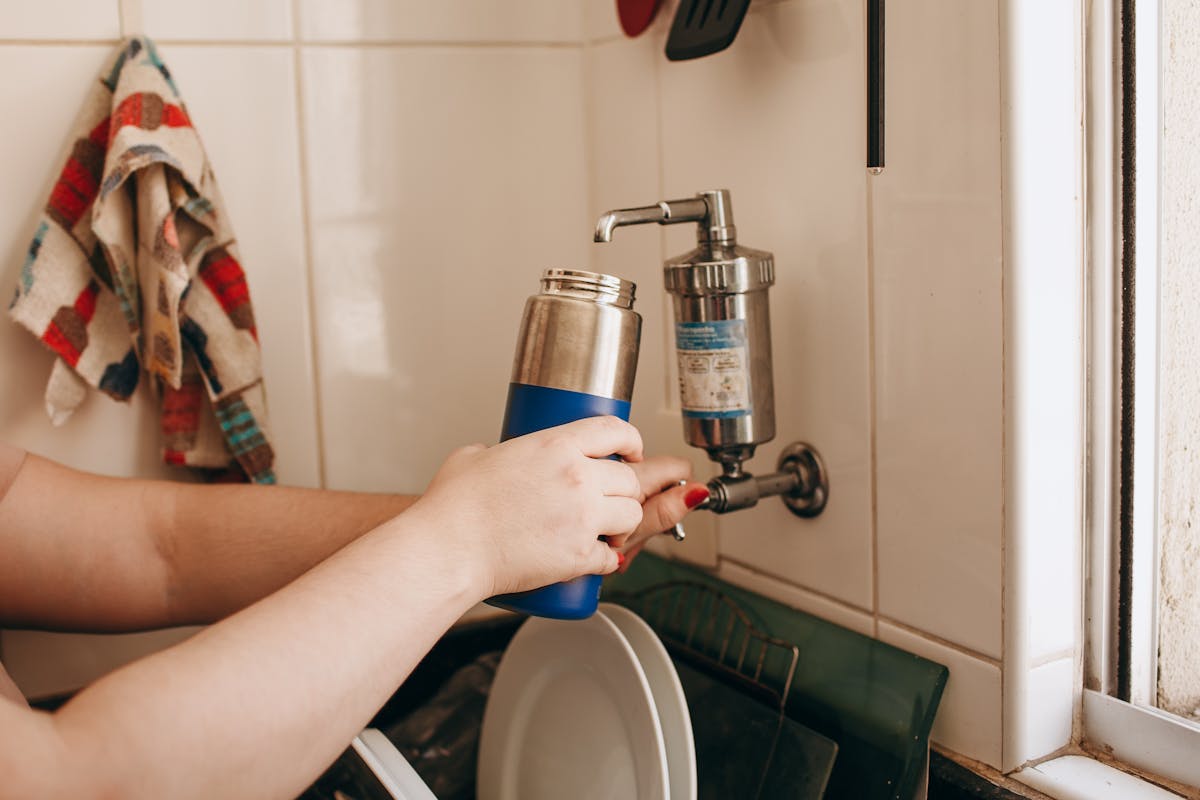
Bottled water is one of the most wasteful purchases you can make. Not only does it cost far more than tap water, but it also contributes to plastic waste. Instead, invest in a reusable water bottle and a water filter.
You’ll save money, reduce plastic waste, and have access to fresh water all day long.
Shop Smart for Groceries
Grocery shopping can quickly become an expensive habit, especially when items are bought impulsively. Plan your meals ahead of time and stick to your grocery list to avoid unnecessary purchases.
Also, buy in bulk for items you use frequently, like rice, pasta, and canned goods. This will save you money in the long run.
Reevaluate Your Utility Usage
One of the easiest ways to save money is by cutting down on utility costs. Start by turning off lights when you leave a room, unplugging electronics when they’re not in use, and using energy-efficient appliances.
Small changes, like adjusting your thermostat by a few degrees, can also significantly lower your heating and cooling costs.
Conclusion
By implementing these changes, you’ll not only stop wasting money but also start building a more secure financial future.
It’s all about making smarter choices with your spending and being mindful of where your money is going. Every dollar you save is one step closer to your financial goals.