9 Ways People Are Pretending to Be Single Online
Some people are in relationships everywhere except the internet. At home, they share a bed, bills, groceries, streaming passwords, dog duties, school pickup, and Sunday errands. Online, though, they move like a free agent.
No partner in the bio. No anniversary post. No couple of photos. No “we.” Just solo selfies, vague captions, late-night likes, and enough mystery to make strangers assume nobody is waiting for them at home.
That is the strange new dating problem nobody had to explain to grandparents. Once upon a time, pretending to be single took effort. You had to remove a ring, lie at a bar, or hope nobody from church saw you flirting at Applebee’s.
Now, a person can keep their relationship offline, flirt in DMs, hide tagged photos, and build a whole single-looking identity while sitting three feet from the person they claim to love.
Social media is now baked into American romance, and its scale is massive, with use remaining widespread across the country. When nearly everyone has a digital life, relationship status is no longer just what people say it is. It is also what they choose to show, hide, like, follow, and leave conveniently unclear.
They keep their relationship deliberately invisible.
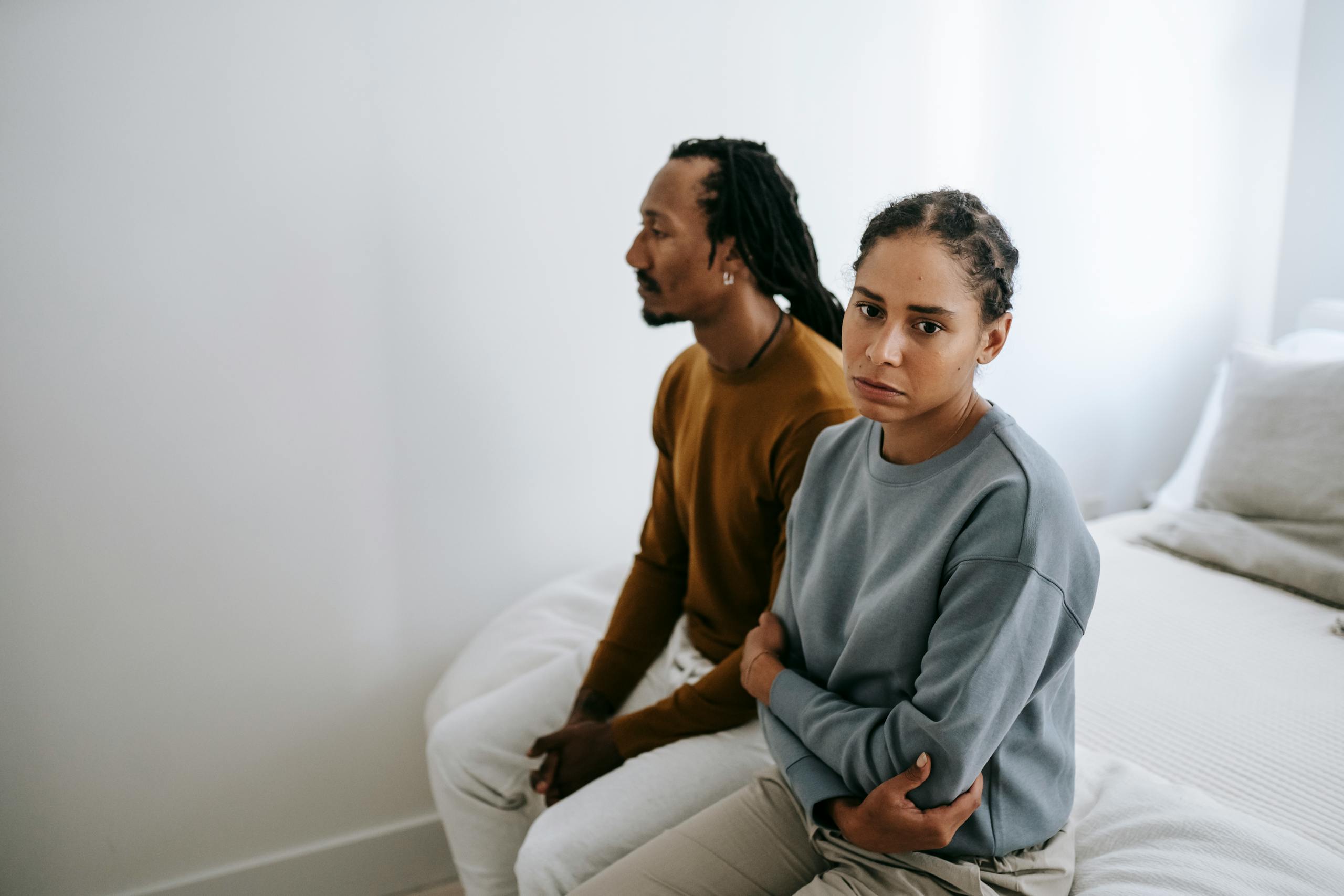
Not everyone who keeps a relationship private is doing something wrong. Some people are private. They do not post much. They hate performative couple content. They want to protect their relationship from public judgment, family drama, coworkers, exes, or nosy strangers with too much time and too many opinions.
That is different from hiding. The problem starts when someone is active online, but their partner is somehow never there.
They post brunch, gym mirrors, vacations, outfits, concerts, hotel views, beach photos, birthday dinners, and “life lately” slides. Still, the person they are supposedly building a life with is treated like classified information.
That kind of invisibility can feel humiliating. It makes the hidden partner wonder why the relationship is acceptable in private but inconvenient in public. It raises questions that no longer sound crazy.
Are they protecting the relationship, or protecting their options? Are they private, or are they marketing themselves as available?
Online dating and relationship behavior already creates insecurity for many couples, with partnered adults reporting they have felt jealous or unsure because of how a partner interacts online. When a relationship is erased from someone’s profile, that uncertainty gets even louder.
They post like they are emotionally available.
Some people never say they are single. They post like they are. The captions sound lonely. The selfies feel suggestive. The song lyrics are suspicious. The gym photos are timed like bait.
The “healing era” posts never mention the person they are still texting “good morning” to. Everything about the profile sends one quiet message: I am available enough for attention. That is where the game becomes slippery.
A person can defend themselves by saying, “I never lied.” Technically, maybe they did not. But the whole online image is built to invite interest, attention, compliments, and curiosity from people who would behave differently if they knew the truth.
This matters because modern relationship boundaries are not only physical. Digital behavior can create emotional openings that slowly damage trust. If a person keeps presenting themselves as unattached, they may be feeding a version of themselves that their relationship cannot compete with.
The internet rewards this kind of ambiguity. A clear relationship status closes doors. A mysterious single-coded vibe keeps them open. That is not privacy. That is option management.
They use dating apps as “just entertainment.”
Nothing says relationship trouble like someone explaining a dating app on their phone as “not serious.”
Maybe they say they forgot to delete it. Maybe they claim they only use it for validation. Maybe they say they are “just looking,” “just bored,” “just curious,” or “helping a friend.” Somehow, the app is always harmless, and the partner is always overreacting.
That excuse is hard to swallow. Dating apps are designed for romantic and sexual possibilities. They are not weather apps. They are not grocery lists. They are not calculator tools. If someone in a committed relationship keeps one active, the question is not only whether they physically cheated. The question is why they are still keeping a door open.
The dating-app world is so vast that this temptation is easy to resist. About three in ten adults have used a dating site or app, and many Americans now see app-based dating as normal. That normalization can blur boundaries.
A person can tell themselves that swiping is not betrayal because nothing has happened yet. But for the partner, the betrayal may already be in the intent. If someone is collecting matches while claiming to be committed, they are not single. They are practicing escape routes.
They keep sliding into DMs as if nothing counts.

The DM has become the modern gray area where relationships go to get messy. A public comment is visible. A like is trackable. A follow can be explained. But a DM feels private enough for people to test boundaries while pretending everything is innocent.
That is where “pretending to be single” often begins. It starts with a reaction to a story. Then a joke. Then a compliment. Then a late-night reply. Then, a private conversation that somehow feels more exciting than talking to the person at home. The messages may not look dramatic at first, but secrecy changes the meaning.
The scary part is that people often know when a DM has crossed a line. They delete messages. They mute notifications. They turn the phone away. They say, “It’s nothing,” with the exact tone people use when it is absolutely something.
Online spaces already expose users to unwanted and uncomfortable behavior, with many dating-app users reporting unwanted explicit messages or persistent contact. Inside relationships, private messaging can create a different problem: attention that looks small but feels intimate.
A DM need not be physical to be disrespectful. Sometimes betrayal starts with someone making another person feel available.
They hide tags, stories, and comments that reveal the truth.
Some people do not just avoid posting about their relationship; they also avoid posting about it.
They actively manage the evidence. They remove tags. They hide stories. They ask not to be posted. They avoid commenting under a couple of photos. They keep their partner off the main feed but allow strangers to believe every solo post tells the full story. They treat visibility like a threat.
That is where privacy becomes suspicious. A private person usually has one consistent standard. They are low-key with everyone. A person pretending to be single often has a selective standard.
They are visible enough for attention, invisible enough to avoid accountability, and careful enough to keep different audiences from comparing notes.
The hidden partner may start feeling foolish. They wonder why they are good enough for errands, family obligations, emotional support, and late-night comfort, but not for a birthday post. They may feel like a real-life partner but an online secret.
Digital jealousy is not always insecurity. Sometimes it is pattern recognition. Research on young adults has linked social media jealousy and electronic monitoring with relationship strain, including digital jealousy and satisfaction.
When someone keeps scrubbing the internet clean of their relationship, the partner does not need paranoia to feel disrespected. They only need eyes.
They flirt through likes and “harmless” comments.
Some online flirting is designed to be deniable. A fire emoji. A heart-eye reaction. A “you look good” under a selfie. A late-night like in an old photo. A playful comment that is just suggestive enough to get attention but vague enough to defend.
When confronted, the script is familiar.
“You’re reading too much into it.”
“It was just a like.”
“I comment on everyone’s posts.”
“You’re insecure.”
“It’s social media. Relax.”
The problem is that small gestures can still carry big meaning. A like is not always innocent when it is part of a pattern. A comment is not harmless when it creates private tension in a public space. A person in a relationship does not need to act like a single person to be friendly.
This is where online behavior can feel uniquely humiliating. The partner is not only hurt. They are hurt in public, where others can see the attention they are receiving.
Social media already creates relationship uncertainty for many couples, with some partnered adults reporting that online interactions made them feel jealous about their relationship. Flirty likes and comments pour gasoline on that uncertainty.
The betrayal is not always the emoji. It is the repeated choice to seek attention that makes the relationship feel optional.
They keep exes close enough to look single.

Some people do not keep exes around as friends. They keep them as emotional backup.
They like the posts. Watch every story. Reply privately. Laugh at old jokes. Send “hope you’re good” messages during lonely moments. They claim it is harmless because nothing physical is happening, but the energy says otherwise.
This is one of the most common ways people pretend to be single online. They may be committed offline, but online, they keep old romantic doors cracked open. That can make a current partner feel trapped in a triangle they never agreed to be part of.
There is nothing automatically wrong with being civil toward an ex. Adults can be mature. Co-parenting may require contact. Some friendships genuinely survive old relationships. But secrecy, emotional intensity, nostalgia, and flirtation change the situation.
The internet makes ex access dangerously easy. One story reply can reopen a conversation. One old photo can trigger a memory. One private message can become emotional comfort during a weak moment.
Digital life has made monitoring exes common enough that relationship research has examined behaviors such as checking up on former partners and engaging in online interactions. In modern relationships, social media can keep old connections visible and emotionally active.
A person who keeps looking back may not be fully present in the relationship they now claim to value.
They use “privacy” as a shield for disrespect.
Privacy is healthy. Secrecy is different. A private person protects the relationship from noise. A secretive person protects their outside options from the relationship. The difference is not always obvious at first, which is why this argument causes so much damage.
Someone may say, “I just don’t post my personal life.” That can be fair. But if they post everything else, thirst traps, parties, vacations, work wins, family photos, gym progress, new outfits, and restaurant dates that carefully crop out the person sitting across from them, the privacy excuse starts looking thin.
The partner may not need a giant anniversary post. They may only need to not feel erased.
The issue is not whether every relationship belongs online. It does not. The issue is whether one person is using privacy to create a single-looking brand while benefiting from commitment behind closed doors.
Digital behavior matters because online harassment, unwanted attention, and boundary violations are already part of internet life, with many Americans reporting they have experienced online harassment.
A partner has a right to expect that the relationship will not be made more vulnerable by careless or deceptive online behavior. Privacy should protect love. It should not protect disrespect.
They chase validation that they do not want to admit they need
Some people pretend to be single online because attention feels addictive. Compliments feel good. Likes feel good. DMs feel good. Being wanted by strangers feels good. The problem starts when that validation becomes more exciting than being trusted by the person already in their life.
This does not always come from cruelty. Sometimes it comes from insecurity. Someone wants proof they are still attractive, desirable, interesting, powerful, or not trapped. They may love their partner and still enjoy the ego rush of being seen as available. That makes the behavior more complicated, but not harmless.
A committed relationship cannot compete with endless strangers offering quick approval. Real love includes bills, moods, chores, routines, apologies, and boring Tuesdays. Online attention offers fantasy without responsibility.
That fantasy can become dangerous. Dating culture already runs heavily through digital spaces, with a significant share of users saying they met a partner or date through apps, and many describing mixed online dating experiences. In that environment, validation is always one notification away.
The question is not whether attention feels good. Of course it does. The question is what someone is willing to risk to keep getting it.
How couples can handle this without sounding controlling
Nobody wants to feel policed in a relationship. But nobody wants to feel publicly disrespected either.
The answer is not to demand passwords, monitor every like, or turn into a full-time detective. That kind of surveillance usually creates more fear than trust. The better answer is clear boundaries before resentment grows.
Couples should talk about what counts as disrespect online. Is flirting in comments okay? Are DMs with exes okay? Are dating apps completely off-limits? Does the relationship need to be visible? What does privacy mean? What feels embarrassing, secretive, or unsafe?
These conversations may feel awkward, but they are better than silent suspicion.
A healthy partner does not need to be forced to act as if they are unavailable. They understand that commitment should show up in behavior, not just words.
Conclusion
Pretending to be single online is not always about posting “single” in a bio. Sometimes it is quieter than that.
It is the hidden partner, the flirty comments, the dating app kept “for fun,” the secret DMs, the erased tags, the private ex conversations, the single-coded selfies, and the constant chase for validation from people who do not know the full story.
Not every relationship needs to be public. Not every couple photo needs to be posted. Not every private person is suspicious. But there is a difference between protecting a relationship and hiding it so attention keeps flowing.
The internet has made it easier than ever to stay available while being committed. The real question is simple.
If someone truly values the relationship, why do they need the world to think they are still on the market?