8 Ways Divorce Has Broken American Families Forever
Divorce does not always begin with someone throwing clothes into a suitcase. Sometimes it begins in quieter ways. Two parents stop laughing in the kitchen. One sleeps on the couch. The kids learn which parent to ask for permission.
Family dinner turns into separate plates at separate times. Everyone still lives under the same roof, but the house starts to feel like a place where love is waiting for the legal paperwork to be filed. Then the split happens.
One home becomes two. One Christmas becomes a negotiation. One set of rules becomes two. A child’s backpack starts carrying homework, sneakers, chargers, medication, and the emotional weight of moving between parents who once promised forever.
Divorce may be necessary in many homes, especially where there is abuse, addiction, cruelty, betrayal, or constant conflict. But even when divorce is the right choice, it can still leave permanent changes in its wake.
This is not a lecture against divorced parents. Many divorced parents work incredibly hard to protect their children and rebuild peace. The uncomfortable truth is that divorce changes the structure of family life in ways nobody fully understands until the calendar, money, children, relatives, and memories have all been divided.
The scale is hard to ignore. In 2023, over 1.8 million Americans divorced, which means this is not a rare private crisis. It is one of the major forces reshaping American family life.
Divorce turns childhood into a schedule.
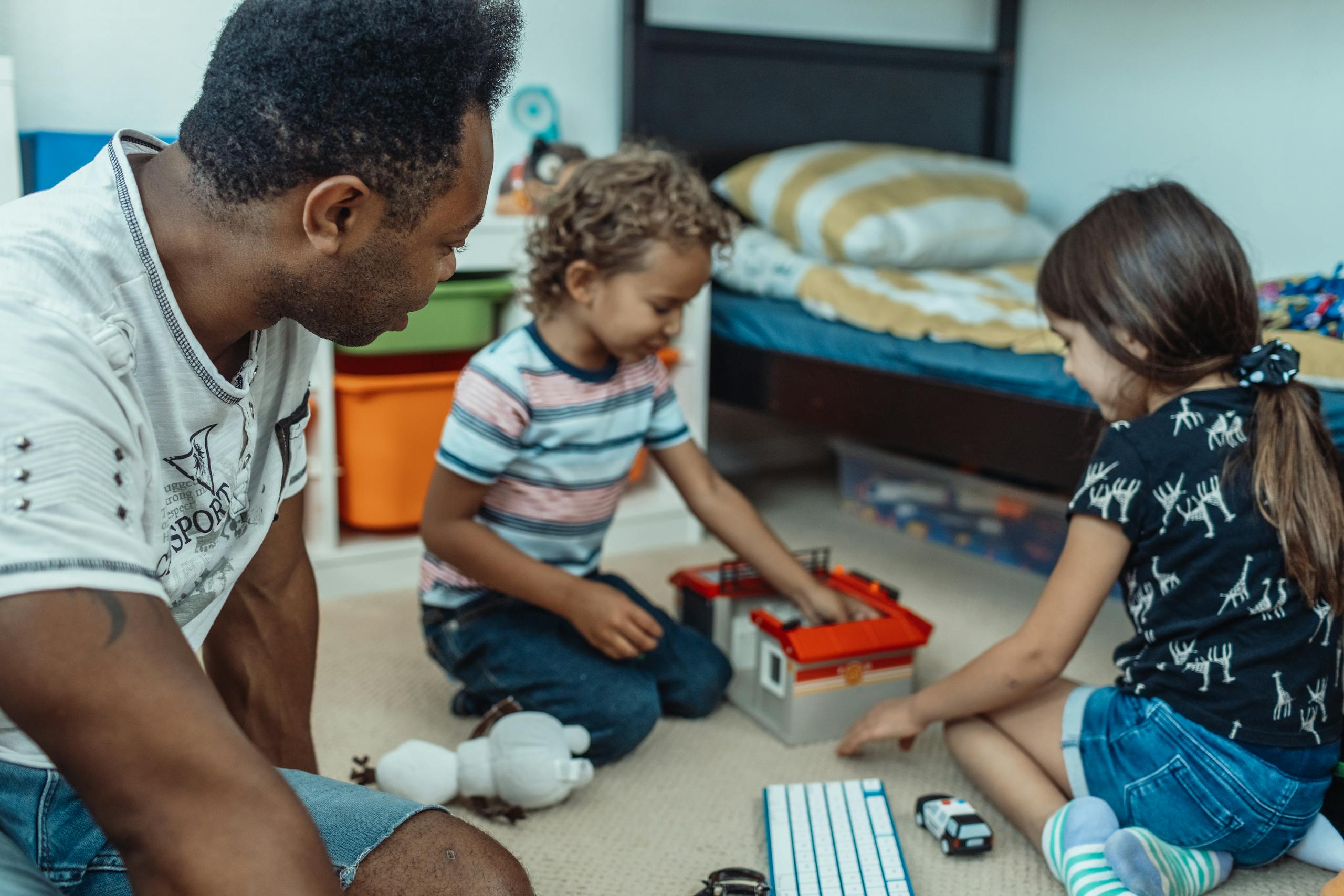
A child should not need a calendar to understand where home is. After a divorce, many do. Monday at Mom’s. Tuesday at Dad’s. Every other weekend. Alternating holidays. Pickup at 5:30.
Drop-off after practice. School supplies at one house. Soccer cleats, on the other hand. The child may be loved in both places, but their life becomes more complicated than it was before.
That can make childhood feel strangely administrative. Some kids adapt well. Others quietly carry the stress. They learn to pack bags, remember which parent has which item, manage different rules, and read the emotional temperature of two homes.
They may feel guilty enjoying one parent’s house too much. They may feel responsible for keeping both adults emotionally steady.
Divorce can be healthier than living in constant fighting. Even a peaceful divorce still asks children to be more flexible than they should have to be. They move between bedrooms, routines, expectations, and sometimes entirely different versions of family culture.
That is one way divorce changes a child’s life forever. It does not always erase love, but it often turns stability into logistics.
Money becomes a permanent wound.
Divorce can turn one family budget into two survival plans. The mortgage or rent does not magically shrink. Groceries do not become cheaper. Childcare still costs money.
Health insurance, gas, school activities, birthday gifts, sports fees, legal bills, furniture, moving costs, and car expenses all remain. The difference is that the same family now has to support two households instead of one.
That financial split can haunt everyone. A parent may downgrade housing. Another may work more hours. Children may notice smaller birthdays, fewer trips, tighter grocery lists, or tense conversations about who pays for what.
Even when both parents do their best, money can become one of the loudest ghosts after divorce. This is why divorce not only ends a marriage. It can reset the entire family’s economic life.
The legal system may divide assets and responsibilities, but the emotional cost of financial stress often plays out at dinner tables, at school events, and in late-night text arguments. A child may not understand legal language, but they understand when both parents suddenly seem worried.
Divorce has broken American families in part because it can turn love into an invoice. Custody, support, housing, transportation, and daily needs can all become financial battlegrounds.
Children can carry the consequences into adulthood.
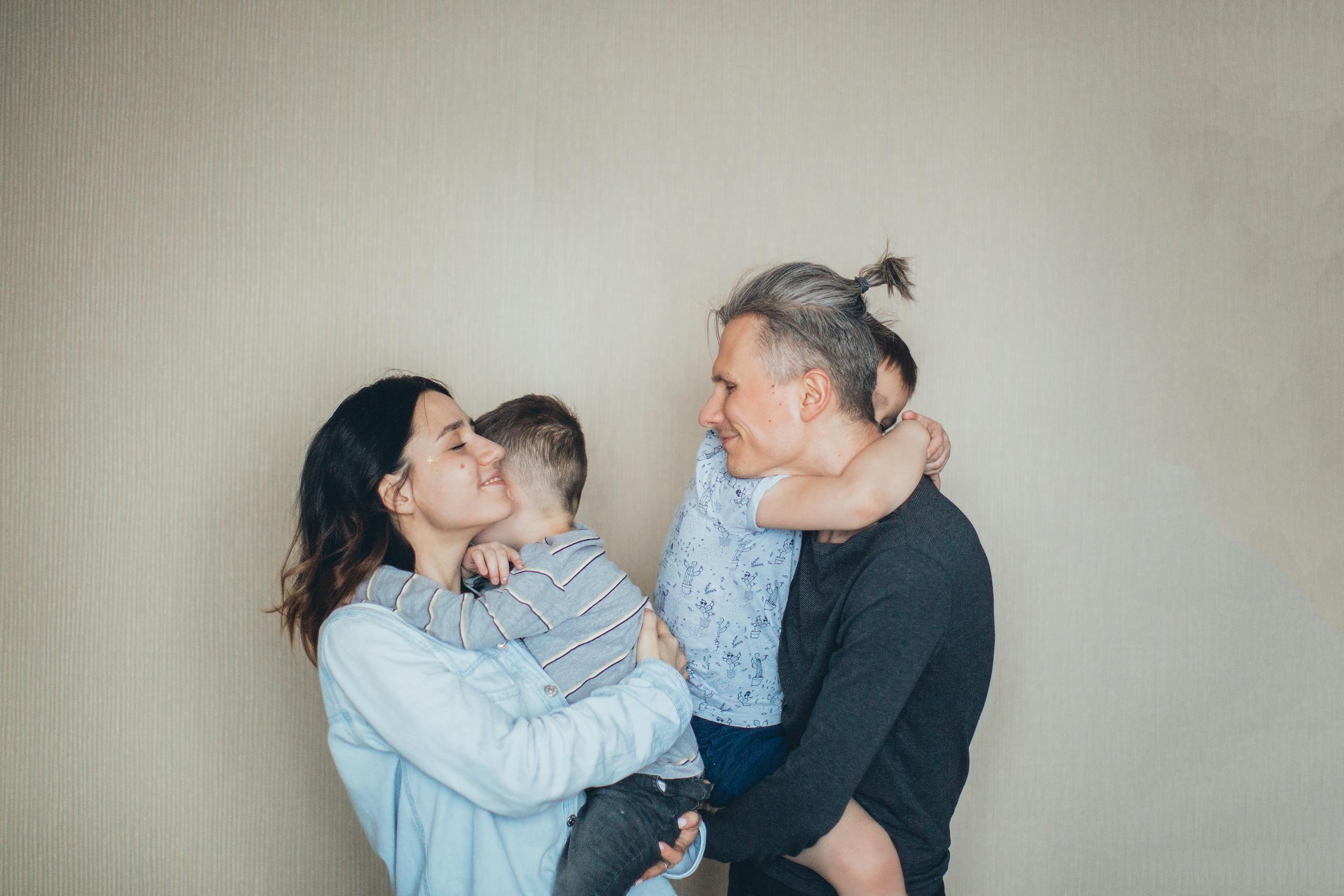
People often say children are resilient. That is true. It is also incomplete. Children can adapt, grow, succeed, love, marry, parent, and build beautiful lives after divorce. Many do. But some still carry the emotional, financial, and relational effects for years.
The consequences may not always show up right away. Sometimes they appear later in trust issues, fear of abandonment, difficulty with conflict, or confusion about what healthy love should feel like.
Research on long-term outcomes has found that parental divorce can affect children’s later lives, including adult earnings and college residence, along with other measures. That does not mean divorce destroys every child’s future. It does mean the disruption can echo longer than adults sometimes want to admit.
The hardest part is that kids may not have the words while it is happening.
They may seem fine because they are getting good grades. They may seem fine because they are funny, helpful, quiet, or polite. But “fine” can be a costume children wear when they do not want to add to the stress of adults who are already falling apart.
Divorce changes a child’s map of love. Some redraw it with strength. Others spend years trying to figure out why home became two addresses.
Holidays become emotional negotiations.
Before divorce, holidays may have been messy, loud, stressful, and imperfect. After a divorce, they can become a custody puzzle with pie.
Thanksgiving at one house. Christmas morning at another. Split birthdays. Alternating spring breaks. Two sets of grandparents. Two sets of expectations. A child may open gifts in one home while feeling guilty about the parent waiting alone somewhere else.
The hardest part is that everyone wants the holiday to feel normal. Parents try to smile. Children try not to hurt anyone. Relatives tiptoe around old tensions. New partners may be present. Old traditions may feel too painful to repeat. The family photo looks different, and everyone pretends not to notice.
This can last for decades. Adult children of divorce may still juggle holiday expectations long after they have families of their own. They may dread the annual question of where they will go, who will feel rejected, and whether one dinner will become another quiet loyalty test.
Divorce has broken American families by turning celebration into scheduling. The family may still gather. The love may still be real. But the old sense of one shared home base often never fully returns.
Co-parenting can become a second marriage with worse communication.

Divorce ends the marriage. It does not always end the relationship. For parents, divorce can create a strange new arrangement: they are no longer partners, but they still have to make decisions together.
School choices. Medical care. Discipline. Phone rules. Dating boundaries. Sports fees. Vacations. Bedtimes. Emergencies. College savings. Holidays. Graduation plans.
Co-parenting can work beautifully when parents are mature, respectful, and child-focused. But when anger lingers, it can become a battlefield.
Some parents use children as messengers. Some compete for loyalty. Some undermine the rules of the other home. Some turn every schedule change into proof of betrayal. The child learns to manage adult tension instead of simply being a child.
Custody arrangements matter too. Research on relocation after divorce has found that children can be worse off when one parent lives more than an hour away, especially across several well-being measures.
That distance not only affects driving. It affects involvement, routine, sports, school events, bedtime presence, and the small daily moments that keep parent-child relationships alive.
The tragedy is that some divorced parents are still emotionally married through conflict. The romance is gone, but the fighting survives.
New partners can make old wounds fresh.
A new relationship after divorce can bring healing. It can also bring chaos. Children may suddenly have to adjust to a parent’s boyfriend, girlfriend, fiancé, spouse, step-siblings, new rules, new houses, and new family traditions.
Even when the new person is kind, the change can feel like proof that the old family is truly gone. This can create deep loyalty conflicts.
A child may like the new partner but feel guilty about it. They may resent the new partner for taking attention. They may fear being replaced. They may compare themselves to other households and feel confused about where they belong.
Adults often underestimate how complicated this feels. To a parent, moving on may feel like survival. To a child, it may feel like another disruption they did not choose. A new partner may walk into a family story already full of grief, anger, jealousy, and unfinished pain.
Divorce does not simply split two adults. It creates space for new family systems, and those systems can be hard to blend. Some blended families become loving and strong. Others become another layer of stress on children already trying to adjust.
That is why divorce can permanently break the original family structure, even when a new family eventually forms.
Trust in marriage can collapse across generations.
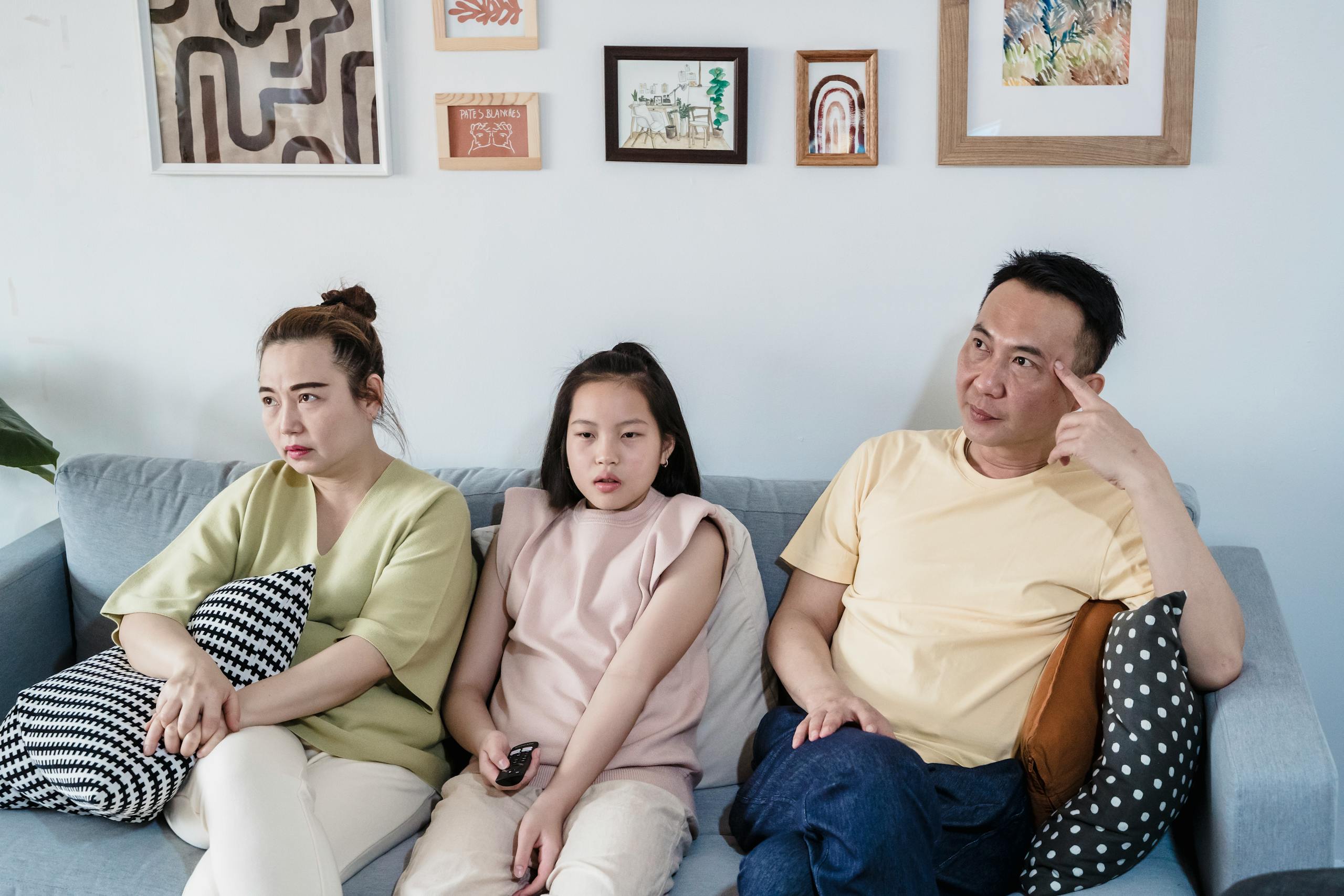
Children learn about love by watching it. They watch how parents argue, repair, forgive, speak, touch, avoid, apologize, and stay. When a marriage ends, children may draw conclusions they carry into adulthood, even if those conclusions are not always fair.
Some decide marriage is unsafe. Some fear abandonment. Some avoid commitment. Some rush into relationships because they crave stability. Some become hyper-alert to conflict. Some promise they will never repeat their parents’ mistakes, only to discover how hard it is to escape their patterns.
This is where divorce can echo across generations. A parent may say, “Our divorce had nothing to do with you.” That may be true, but the child still grew up watching love fail inside the home that shaped them.
Divorce remains a major part of American life. Federal data show that 672,502 divorces and annulments were reported in 45 states and D.C. in 2023, reflecting legal endings with emotional aftermaths.
The paperwork may close the marriage. The meaning of the divorce may stay open in the child’s mind for years.
Divorce can make family identity feel permanently divided.
A family is not just a group of people. It is a story about where we live and what we celebrate. Who cooks what? Which grandparents do we visit? What jokes belong to us? What photos hang in the hallway? What traditions happen every year, even when everyone complains about them?
Divorce tears that story into separate chapters. The family name may stay the same, but the feeling changes. One parent has one version of events. The other has another.
Relatives take sides. Old friends disappear. Family photos become emotionally complicated. Children may feel like they belong to two histories that no longer speak to each other.
That divide can last long after the legal process ends. Even adult children may feel it at weddings, graduations, funerals, baby showers, hospital rooms, and milestone birthdays.
Who sits where? Who gets invited first? Who cannot be in the same room? Who still refuses to speak? The divorce may be old, but the family system still bends around it.
That is why divorce can break families forever. Not because love disappears completely, but because the original version of “us” never comes back the same.
Why is this conversation so hard
Talking about divorce is difficult because the truth is not simple. Some divorces save people. Some end abuse. Some protect children from growing up inside constant screaming, fear, betrayal, addiction, or emotional cruelty.
Staying together is not always noble. Sometimes it is harmful. At the same time, divorce can still wound families deeply. Those two truths can exist together.
Divorce can be necessary and painful. It can be the healthiest option and still leave scars. It can free one parent while confusing a child. It can end daily conflict while creating new logistical and emotional struggles. It can stop one kind of damage and start another kind of adjustment.
That is why pretending divorce is either always tragic or always liberating misses the point. The real story is more human: families break, adapt, rebuild, grieve, and carry on.
Conclusion

Divorce has broken American families forever in the sense that it changes the shape of family life in ways that cannot always be undone.
It turns childhood into a schedule. It splits money, holidays, homes, traditions, loyalties, and memories. It can follow children into adulthood, complicate future relationships, and make family identity feel permanently divided.
But broken does not always mean destroyed. Many divorced families still love hard, parent well, show up, heal, and build new versions of home. Some children become stronger, wiser, and more compassionate.
Some parents become healthier apart than they ever were together. Some families find peace only after the marriage ends.
Still, the cost should not be minimized. Divorce is not just a private breakup between two adults. It is a family earthquake. Even when everyone survives, the rooms are never arranged the same again.