9 Diving Horror Realities That Reveal the Ocean’s Deadly Secrets
Deep-sea diving has long been glamorized as the ultimate adventure: weightless swimming through crystal-clear waters, exploring vibrant reefs, or uncovering sunken shipwrecks. Yet beneath this allure lies a harsh reality few are willing to acknowledge. The ocean is a domain of unpredictable forces, and even the most experienced divers are vulnerable. What may begin as an exhilarating dive can quickly spiral into life-threatening situations. These nine diving horror realities expose why the ocean’s depths are far more dangerous than the glossy brochures and social media photos suggest.
Pressure That Crushes Mistakes

Every meter descent increases the water pressure on your body exponentially. A misjudged ascent or descent can wreak havoc on lungs, sinuses, and inner ears. Many divers underestimate how quickly pressure changes can overwhelm the body. One wrong calculation at depth can result in barotrauma or decompression sickness, turning a routine dive into a critical emergency.
The terrifying aspect is how sudden it feels. Even trained divers report that the physical sensations at depth, such as tightness, dizziness, and disorientation, can strike within seconds. The ocean is not forgiving of overconfidence. Survival depends on constant awareness and strict adherence to safety protocols.
Equipment Can Fail Without Warning
Regulators, tanks, and buoyancy devices are lifelines, yet they are mechanical and fallible. Horror stories from divers frequently feature catastrophic gear malfunctions: air supply disruptions, buoyancy compensator failures, and depth computer glitches. At extreme depths, even minor equipment issues can escalate rapidly into life-threatening situations.
These failures are compounded by isolation. Unlike on land, a diver cannot simply call for help. Immediate problem-solving under stress becomes the only option. One lapse, one panic-driven decision, and the dive shifts from adventure to survival.
Human Physiology Is a Limiting Factor

Humans are surface dwellers. The body wasn’t designed to withstand nitrogen saturation, oxygen toxicity, or the narcosis that comes with depth. Divers are trained to manage these risks, yet countless accounts show that unexpected reactions, confusion, slowed judgment, and physical incapacitation can occur even in experienced individuals.
Physiological limits are unforgiving. The combination of cold, pressure, and exertion can overwhelm even the most experienced divers. The result is a sudden realization that nature has rules far beyond our control.
Currents and Underwater Forces Are Relentless
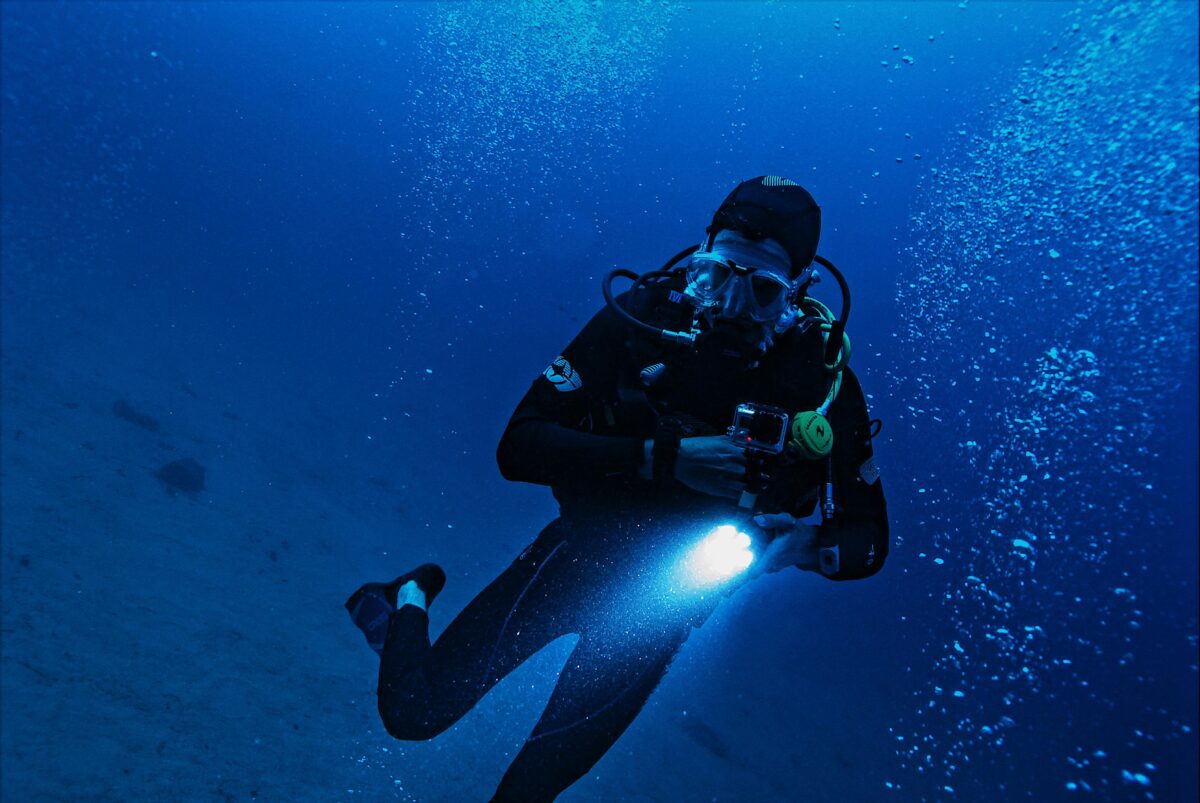
Unlike terrestrial environments, underwater currents can change direction and strength without warning. A calm dive can turn into a fight against relentless pull, dragging divers away from their group or safety lines. Panic often follows, further escalating risk.
Even seasoned professionals acknowledge that the ocean’s invisible forces are unpredictable. Being carried away by a strong current isn’t just inconvenient; it can isolate a diver from life-saving support and critical escape routes.
Visibility Can Disorient Completely
Deeper waters often bring low light, murk, and particulate matter, reducing visibility to near zero. Divers have reported becoming separated from their buddies or losing their sense of orientation entirely. In confined spaces like caves or wrecks, this disorientation can cause panic, rapid ascent, or collision with sharp or dangerous structures.
The danger of poor visibility cannot be overstated. Without clear visual reference points, instinct fails, and every decision becomes a gamble with life itself.
Panic Is a Silent Killer

Many horror stories revolve around moments of panic rather than external threats. A sudden equipment problem, strong current, or unexpected encounter can trigger an uncontrollable fight-or-flight response. Once panic sets in, air consumption skyrockets, decision-making collapses, and even simple corrections become impossible.
The ocean amplifies panic. Unlike on land, there is no immediate exit, and even minor fear can quickly turn into a real risk. The mental discipline of remaining calm is as critical as any piece of gear.
Encounters with Wildlife Are Unpredictable
Sharks, barracudas, and other marine life rarely attack humans, but their size and power make encounters inherently risky. Divers have reported close brushes that, while non-fatal, caused injury or escalated panic. Curiosity-driven approaches or accidental provocation can quickly create dangerous situations.
The ocean does not accommodate human assumptions about safety. Unlike terrestrial animals, marine predators operate in three dimensions, giving them maneuverability and speed that humans cannot match underwater.
Rescue and Medical Response Are Limited

Emergencies in deep-sea diving are complicated by distance, depth, and accessibility. Unlike land incidents, help cannot arrive instantly. Every second underwater counts, and survival often depends entirely on a diver’s ability to respond correctly.
Even minor miscalculations can leave divers stranded without immediate assistance. From decompression sickness to blackout events, delayed response is a recurring factor in near-misses and fatalities. The ocean’s isolation amplifies every risk.
Human Error Is the Leading Cause of Tragedy
The most chilling reality is that the majority of diving accidents stem from preventable mistakes. Overconfidence, skipping pre-dive checks, misreading gauges, and underestimating conditions all play a role. The ocean is unforgiving of human error, and even small lapses can escalate into catastrophic outcomes.
Misjudgment compounds with environmental stressors. One diver may survive a wrong move by chance; another may not. These stories demonstrate that respect for training, preparation, and nature is not optional; it is essential.
Conclusion
Deep-sea diving is alluring, but the ocean is relentless. These nine horror realities, from pressure and equipment failure to panic, currents, and human error, show that the dangers are not sensationalized anecdotes but consistent, documented threats. Survival depends on preparation, discipline, humility, and unwavering respect for the environment.
The ocean offers beauty, wonder, and adventure, but it also tests human limits daily. Anyone considering deep dives must understand that risk is inherent, and the line between awe and tragedy is thinner than most think. These realities aren’t just warnings; they are survival lessons that every diver must take seriously.