A 6-Ounce Steak at LongHorn Has Gone Viral, and It’s Sparking a Bigger American Food Fight
Americans are spending more money than ever just to eat out, but one viral steak order is now raising a question people cannot stop arguing about: Are restaurant portions shrinking, or are expectations getting bigger?
A customer recently shared a post claiming that the 6-ounce steak he ordered at LongHorn Steakhouse looked much smaller than he expected when it arrived. The short clip quickly spread across social media, pulling in reactions from diners who saw more than just a steak on a plate.
Some viewers said the portion looked disappointing for the price. Others insisted it looked like a normal 6-ounce steak once cooked and plated. But beneath the argument lies something bigger: a growing frustration that many Americans feel every time they eat out.
Because in 2026, even a simple steak dinner is no longer just a meal. It is a decision, a budget moment, and for many people, a test of value.
The Steak That Started a Nationwide Debate
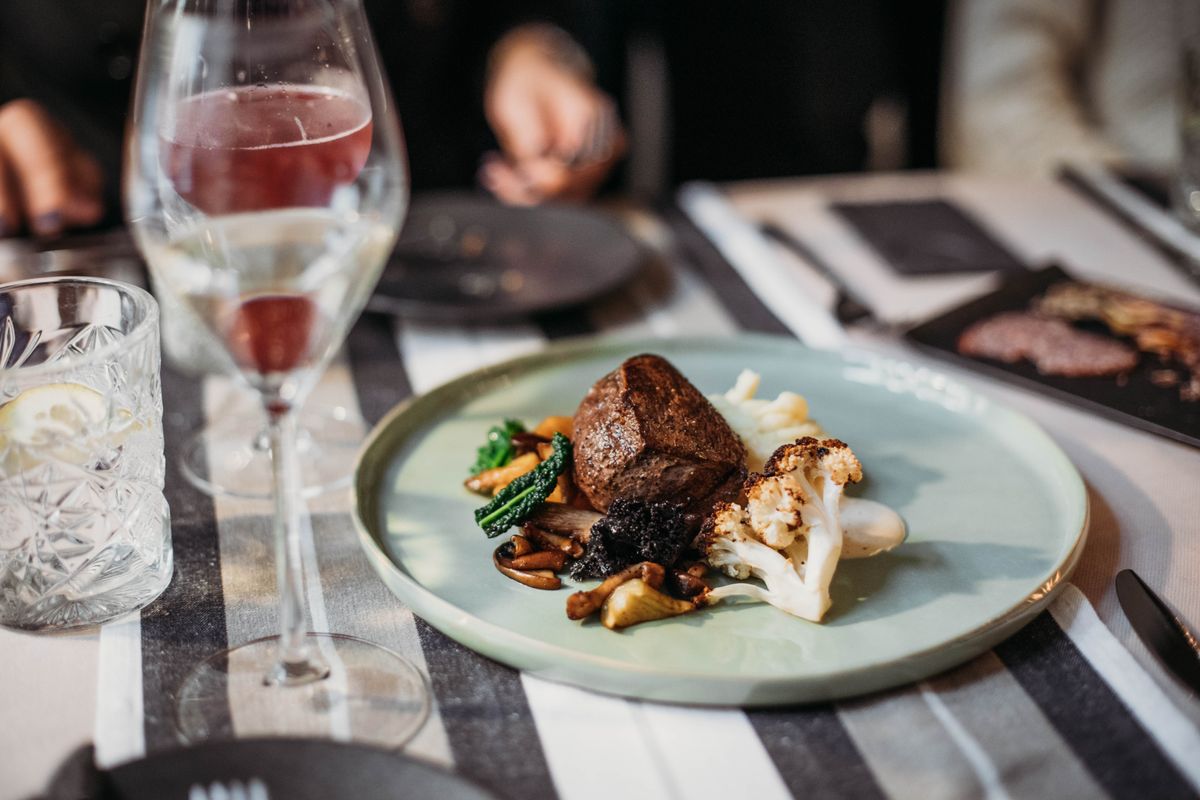
The viral post showed what the customer claimed was a 6-ounce steak served at LongHorn Steakhouse. In the video, the steak appeared small on a large plate, which immediately sparked debate online.
Within hours, the clip spread widely, with viewers splitting into two clear camps.
One side said the portion looked too small for a restaurant meal at that price point. The other side argued that 6 ounces is a standard serving size and that people often underestimate how small that actually looks once it is cooked.
That disagreement is what made the post take off. It stopped being about one steak and became a broader argument about the value of restaurants in America.
And once that conversation started, it did not slow down.
Why a 6-Ounce Steak Feels Smaller Than People Expect
A big part of the confusion comes from the gap between perception and reality.
On a menu, “6 ounces” sounds like a solid portion. But visually, especially after cooking, that same steak can appear much smaller than diners imagine. Heat reduces moisture, changes shape, and can affect thickness, which changes how the final plate looks.
That gap between expectation and reality is where frustration often begins.
Most customers are not thinking about cooking shrinkage or food science when they order. They are considering whether the meal is worth the money they are spending.
And when it does not match that expectation, disappointment is almost immediate.
The Internet Reacted Fast and Split Hard
The moment the clip spread, social media reactions moved in two directions.
Some viewers said the steak looked too small for the price and pointed to rising restaurant costs as the real issue. Others pushed back, saying people are simply out of touch with what portion sizes actually look like.
A third group tried to stay in the middle, pointing out that camera angles, lighting, plate size, and even steak cut can completely change how a dish appears in a short video.
But the strongest reactions were emotional.
Because this was not really about steak. It was about value.
And value is something Americans are already sensitive to.
The Bigger Pressure Behind the Plate
Even though the debate focuses on one meal, it connects to a broader feeling many people share.
Eating out has become noticeably more expensive. What used to feel like a casual decision now feels more intentional. Many diners look at menu prices more carefully, think about tips differently, and expect more from what they receive.
So when a dish looks smaller than expected, it does not land lightly.
It becomes part of a larger frustration around rising costs, tighter budgets, and the feeling that everyday spending does not stretch as far as it used to.
In that environment, even a 6-ounce steak can become a symbol of something bigger.
Why This Clip Hit a Nerve So Quickly

This video did not need a long explanation to go viral.
Most people have had a moment where a restaurant meal felt smaller or less satisfying than expected. A burger that looked different in real life. A side dish that felt lighter than advertised. A plate that did not match the mental image created by the menu.
Social media takes those private moments and multiplies them instantly.
What might have been a quick complaint at a table turns into thousands of opinions online. And once that happens, the original meal becomes secondary.
The real story becomes the argument.
LongHorn Is Now Part of a Larger Conversation
LongHorn Steakhouse has not publicly addressed the viral post, but the brand is now indirectly part of a wider debate about casual dining in America.
Steakhouses operate on expectations. Customers expect consistency, familiarity, and a certain level of value tied to price. Even when portions are technically correct, perception still matters.
A single viral clip can shift how people talk about a brand, even if nothing about the restaurant itself has changed.
That is the reality of modern dining culture.
Every plate is now a potential viral moment.
Are Portions Shrinking, or Are Expectations Changing?
At the center of the debate is a simple but uncomfortable question.
Some diners believe restaurant portions have gradually gotten smaller over time while prices continue to rise. Others argue that portion sizes have not changed as much as perception has, especially in a social media environment where images can distort reality.
Both sides feel confident in their view.
And that is why this debate is not going away.
Because once people start questioning value, every meal becomes part of a comparison.
A steak is compared to the menu photo. A burger is compared to the ad. A dinner bill is compared with what the same meal cost a few years ago.
That is how one small-looking plate can become part of a much bigger American food fight.
So, What Would You Think If This Hit Your Table?
Strip away the internet debate for a moment.
If you ordered a 6-ounce steak at a restaurant and this arrived in front of you, would you feel satisfied with the value, or would you feel like something was missing?
That is the question now driving the conversation.
For some diners, the answer is simple: 6 ounces is 6 ounces, and people need to understand what they are ordering. For others, the issue is not the exact weight. It is the feeling that restaurant meals cost more while leaving customers less impressed.
And that is where the argument gets personal.
Because in a time when dining out feels more expensive and more intentional than ever, people want the plate to feel worth it. They want to leave full, satisfied, and certain they got what they paid for.
So here is the real debate: would you accept the steak, send it back, or say that this is exactly why eating out no longer feels worth it?