How People With PTSD Live Their Daily Life
On the surface, daily life with PTSD can look completely normal. A person might go to work, answer messages, laugh at the right times, shop for groceries, and pay bills, all while feeling a constant, hidden sense of alertness.
We might see someone handling their responsibilities and assume they are okay. But PTSD often hides behind strict routines, quiet behavior, careful planning, emotional distance, or a calm look that takes real effort to keep up.
Post-traumatic stress disorder is more than a bad memory. It happens when the nervous system keeps reacting to a past threat as if it could return at any time.
A person with PTSD might know they are safe, but their body can still react to a smell, sound, face, place, tone of voice, certain dates, crowded spaces, or sudden movements as if danger is happening right now.
When we ask how people with PTSD manage daily life, we are really asking how someone builds routines while their mind can be pulled back to the past at any moment. There is no single answer. Some people become quiet and careful.
Some people become very driven and try to stay in control. Others avoid conflict, and some get irritable because their body already feels tense.
PTSD changes daily life in many ways. Sleep can be hard to find. Relationships may get harder. Work might mean hiding symptoms. Simple errands can feel tough. Even happy moments can feel strange because peace no longer feels normal.
Still, people with PTSD are not beyond help. Many learn to manage their symptoms, rebuild trust, find safety, and live meaningful lives as they heal.
What PTSD Feels Like in Daily Life

PTSD can feel like having an internal alarm that keeps going off long after the danger is gone. The threat may be over, but the body does not always believe it.
This is why someone might feel tense in a quiet room, worn out after a normal conversation, or overwhelmed by something others barely notice.
For many, daily life with PTSD includes intrusive memories, flashbacks, nightmares, avoidance, emotional numbness, guilt, shame, anger, and hypervigilance. These symptoms can show up in different ways.
One person might struggle most with sleep and focus, while another might have trouble with trust, closeness, crowds, or sudden noises.
Often, the hardest part is the gap between what is happening outside and what is happening inside. On the outside, it might be a normal Tuesday. On the inside, the person could be fighting a strong reaction that says danger is close.
This gap can make PTSD feel very lonely because others may not understand why a harmless moment suddenly feels too much to handle.
Hypervigilance

Hypervigilance, living on constant alert, is one of the most exhausting parts of daily life with PTSD. It means the person’s mind and body are constantly watching for danger.
They may sit where they can see exits, avoid having people behind them, notice every raised voice, track every movement in a room, or feel uneasy in crowds.
This is not paranoia in the casual sense. It is a survival response that once may have helped the person stay alive or endure a threat. The problem is that the response can remain active when the danger is no longer present.
The body keeps preparing for impact, even during dinner, work, church, school, or a family gathering.
Hypervigilance drains energy because the brain is doing two jobs at once. It is trying to participate in the current moment while also scanning for the next threat.
That is why a person with PTSD may leave social events early, seem distracted, become irritable, or need quiet time after being around people.
Triggers
A trigger is anything that reminds the brain or body of the trauma. It’s why ordinary things can suddenly feel dangerous. It may be obvious, like a loud bang after combat exposure, or subtle, like a certain cologne, room layout, phrase, season, weather pattern, song, medical smell, or type of touch.
Triggers are not always logical to outsiders because trauma memory is not stored like a neatly written report.
When triggered, a person may feel panic, rage, nausea, numbness, dizziness, shaking, or a sudden need to escape. They may freeze and go quiet. They may become defensive.
They may seem “too sensitive” to people who do not understand what is happening. In reality, their nervous system may be reacting before they have time to explain it.
Daily life with PTSD often becomes a map of invisible danger zones. Some people avoid certain roads, neighborhoods, television scenes, conversations, news topics, celebrations, hospitals, smells, or forms of physical closeness.
Avoidance can bring short-term relief, but it can also shrink a person’s world if support and treatment are not available.
Flashbacks

A flashback is when the Past Invades the Present; it’s not the same as casually remembering something painful. It can feel as if the traumatic event is happening again in the present. Some flashbacks are vivid and immersive.
Others are emotional or physical, where the person feels terror, shame, pain, or panic without seeing a clear mental image.
During a flashback, the person may lose track of where they are. Their breathing may change. Their body may tense. They may cry, freeze, hide, push someone away, or become unable to speak clearly.
To outsiders, the reaction may seem sudden. To the person experiencing it, the present moment may have been hijacked.
This is one reason daily life with PTSD can feel unpredictable. A person may be doing fine and then suddenly be pulled into a memory that feels alive. Recovery afterward can take minutes, hours, or the rest of the day.
We should not underestimate how much strength it takes to return to ordinary tasks after the mind has been dragged through fear.
Sleep Problems

Sleep is supposed to restore the body, but PTSD can turn sleep into a battlefield. Nightmares, insomnia, fear of losing control, or waking at every sound can make rest feel unsafe. Some people delay sleep because they fear what their mind will do when the room gets quiet.
Poor sleep affects the next day. It can make concentration harder, patience thinner, emotions sharper, and memory weaker. A person may seem moody or unfocused, but the real issue may be that they have been running on fragmented sleep for weeks, months, or years.
Nighttime routines can become highly controlled. Some people need lights on, doors locked a certain way, background noise, a pet nearby, a specific side of the bed, or repeated checks before they can rest.
These habits may look excessive to others, but for the person with PTSD, they may be attempts to create enough safety for the body to power down.
Relationship
PTSD can affect how people connect with others. Love can feel complicated after trauma. Trust may become difficult. Emotional closeness may feel risky. Physical intimacy may trigger fear or shutdown.
Even loving relationships can become strained when one person is trying to understand the other person’s reactions, which the other person may barely understand themselves.
A person with PTSD may pull away without meaning to hurt anyone. They may need space after a conflict. They may struggle to explain why a tone of voice felt threatening or why a harmless touch caused panic. They may fear being a burden, so they say they are fine when they are not.
Loved ones may feel rejected, confused, or helpless. That is why communication matters. We should not demand that a person with PTSD reveal every detail of their trauma.
Safety grows when the relationship allows honest sentences such as “I am triggered,” “I need a break,” “Please lower your voice,” or “I cannot talk about this right now.”
Anger and Irritability
Anger can be one of the most misunderstood PTSD symptoms. People may assume someone is rude, difficult, cold, or aggressive when the person is actually overwhelmed. Irritability can rise when the body is already tense, sleep is poor, and the brain is scanning for threat.
This does not excuse harmful behavior. People with PTSD are still responsible for how they treat others. However, understanding the root of the anger helps us respond more wisely. The goal is not to shame the person into silence, but to help them recognize early warning signs, step away before escalation, and build safer coping skills.
For the person living with PTSD, anger can also bring shame. They may hate how quickly they react or how hard it is to calm down. A strong recovery plan often includes learning to recognize body cues, grounding techniques, pausing during conflict, therapy skills, and repairing conversations after difficult moments.
Avoidance
Avoidance is one of the most common ways people try to survive PTSD;the relief that can become a cage. If something triggers pain, the natural instinct is to avoid it. This may mean avoiding places, people, conversations, media, medical appointments, driving routes, family events, or even emotions.
At first, avoidance may feel like control. It can reduce panic in the short term. The problem is that avoidance can slowly make life smaller. A person may stop visiting friends, stop traveling, stop dating, stop applying for jobs, or stop doing things they once loved because the risk of being triggered feels too high.
Healing does not mean forcing someone into terrifying situations without support. It means slowly building capacity, safety, and choice. With professional help, some people learn to face reminders in a structured way so the nervous system can discover that the present is different from the past.
Physical Symptoms

PTSD is not only mental, but it also lives in the body. It can show up physically through headaches, stomach problems, muscle tension, chest tightness, fatigue, shaking, sweating, rapid heartbeat, nausea, chronic pain, or digestive discomfort. The body may carry the stress even when the person is not talking about trauma.
This can be frustrating because the person may visit doctors, change routines, or try to “push through” without realizing their body is responding to unresolved stress. Physical symptoms can also make daily life more expensive and complicated because they may affect energy, appetite, exercise, sleep, and medical needs.
We should not dismiss physical symptoms as “just stress.” They are real experiences that deserve care. A trauma-informed approach looks at the whole person: body, mind, environment, relationships, sleep, safety, and support.
Social Life
Social life with PTSD can be unpredictable. Invitations feel heavy. A person may want connection and still dread the noise, questions, crowds, alcohol, touch, conflict, or lack of control that can come with social events. They may cancel plans at the last minute because their body cannot handle the setting that day.
Friends may take this personally. They may think the person is uninterested or unreliable. In reality, someone with PTSD may spend hours trying to talk themselves into attending, then feel ashamed when they cannot go. The desire for connection may be real, even when the capacity is limited.
Supportive friends learn to offer flexible connections. A quiet walk, a short visit, a low-pressure meal, a text with no demand for immediate response, or a clear plan with an easy exit can feel safer than crowded, unpredictable gatherings. A small, steady connection can matter more than big emotional speeches.
Parenting With PTSD
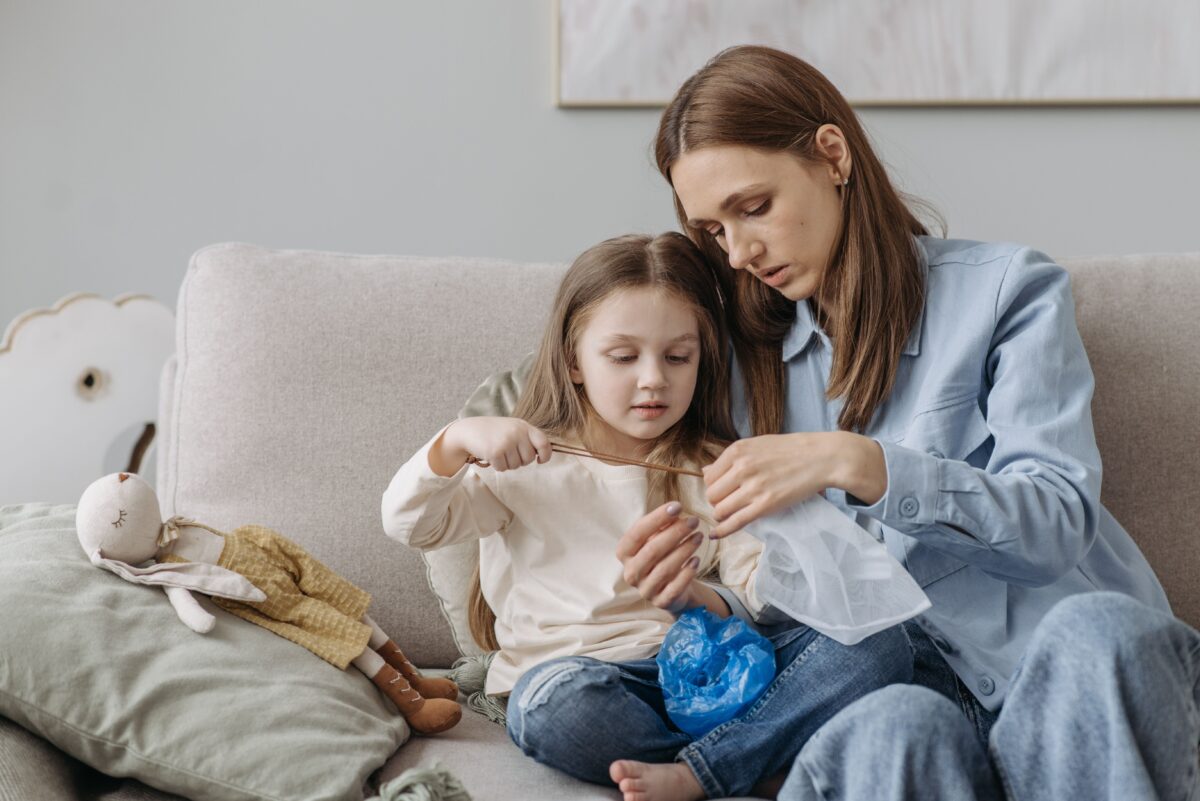
Parents with PTSD often carry a painful fear: “Will my trauma affect my child?” This fear can be heavy, especially for parents who are working hard to create a safer home than the one they experienced. PTSD may affect patience, sleep, emotional regulation, noise tolerance, and conflict response.
A child’s crying, sudden movement, defiance, or neediness may trigger stress in a parent whose nervous system is already overloaded. The parent may then feel guilt for reacting too strongly or needing space.
This cycle can be painful, but it can also become a turning point when the parent seeks help and builds repair skills.
Healthy parenting with PTSD does not require perfection. It requires awareness, support, repair, and routines that reduce overload. Children benefit when adults can say, in age-appropriate ways, “I was upset, but it was not your fault,” and then model calm repair. Healing can become part of the family’s safety story.
Daily Coping Strategies That Can Help
People with PTSD often build daily coping systems, even if they do not call them that. These may include grounding exercises, breathing routines, therapy appointments, medication plans, journaling, exercise, faith practices, support groups, structured schedules, calming music, sensory tools, or trusted people who understand their triggers.
Grounding can be especially useful during moments of panic or dissociation. A person may name objects in the room, press their feet into the floor, hold ice, describe the present date and location, or focus on slow breathing. The goal is to remind the brain and body that the traumatic event is not happening now.
Coping is not weakness. It is maintenance. Just as someone with asthma may carry an inhaler, someone with PTSD may carry grounding tools, boundaries, routines, and support plans. These strategies do not erase trauma overnight, but they can make daily life more manageable.
What Supportive People Should Understand
The most supportive people do not demand dramatic details. They create safety. They ask what helps. They respect boundaries. They avoid mocking triggers, minimizing pain, or telling someone to “just move on.” PTSD recovery is not powered by pressure; it is strengthened by trust.
Support may sound like, “Do you want company or space?” “Would it help if we left?” “I believe you.” “We can slow down.” “You do not have to explain everything right now.” These simple responses can help the person feel less trapped inside their own reaction.
We should also understand that support does not mean becoming someone’s therapist. Loved ones can encourage professional care, maintain healthy boundaries, learn about PTSD, and avoid taking every symptom personally. Compassion works best when it includes both patience and honesty.
Treatment and Recovery
PTSD can feel permanent when someone is inside it, but symptoms can improve with the right care. Treatment may include trauma-focused therapy, cognitive processing therapy, prolonged exposure therapy, medication, support groups, or a combination of approaches. The best plan depends on the person, the trauma history, current symptoms, and available support.
Therapy can help people process traumatic memories, challenge painful beliefs, reduce avoidance, and regain a sense of control. Medication may help some people with depression, anxiety, sleep, or severe distress. Treatment is not about pretending the trauma did not happen. It is about helping the brain and body stop living as if the danger is still happening.
Recovery is rarely a straight line. There may be setbacks, anniversaries, new triggers, or stressful seasons. Progress may look like sleeping better, driving a route again, having one honest conversation, staying present during a trigger, or feeling joy for a few minutes without fear. These moments matter.
When PTSD Becomes a Crisis
Daily life with PTSD can become dangerous when a person feels unable to stay safe, thinks about self-harm, abuses substances to numb symptoms, becomes violent, stops functioning, or feels completely trapped. These moments require urgent support, not shame.
If someone is in immediate danger, emergency help is necessary. If someone is in emotional crisis in the United States, calling or texting 988 can connect them with trained crisis support. Veterans and their loved ones can also reach the Veterans Crisis Line by dialing 988 and pressing 1.
Crisis support is not a sign of failure. It is a bridge through a dangerous moment. PTSD can lie to a person and tell them they are alone, damaged, or beyond help. Those thoughts can be symptoms, not the truth.
Final Thoughts
Daily life with PTSD can be exhausting, but it is not hopeless. People with PTSD may live with triggers, sleep problems, emotional numbness, flashbacks, avoidance, and constant alertness, yet many still build careers, raise families, love deeply, create art, lead communities, and heal in powerful ways.
The world often asks trauma survivors to act normal before they feel safe. A better response is to understand that healing requires time, support, skilled care, and environments that do not punish people for having invisible wounds.
We do not need to reduce people with PTSD to their worst symptoms. We can recognize their strength without romanticizing their pain.
PTSD changes daily life, but it does not erase dignity. It does not remove the possibility of peace. It does not mean someone is weak, dangerous, or permanently trapped.
With treatment, support, and patient rebuilding, life after trauma can become more than survival. It can become a steady return to safety, connection, and self-trust.