Scientists Found Something Creepy Your Brain Does Under Anesthesia
Going under anesthesia feels like disappearing into yourself. One moment, the room is bright, a masked voice asks you to breathe deeply, and the next moment, you wake up somewhere else with no memory of the missing time. We trust that gap because surgery would feel unbearable without it.
New research now makes that gap feel stranger. Scientists studying patients under general anesthesia found that the unconscious brain may still process sounds, track language, notice unusual tones, and even predict what kind of word might come next in a sentence. The patients were not awake; they did not respond and remembered nothing afterward, but parts of their brains were still working with surprising precision.
That does not mean anesthesia is failing. It means unconsciousness may be far more complicated than the clean blackout most people imagine.
The Brain May Go Quiet, But It Does Not Go Blank
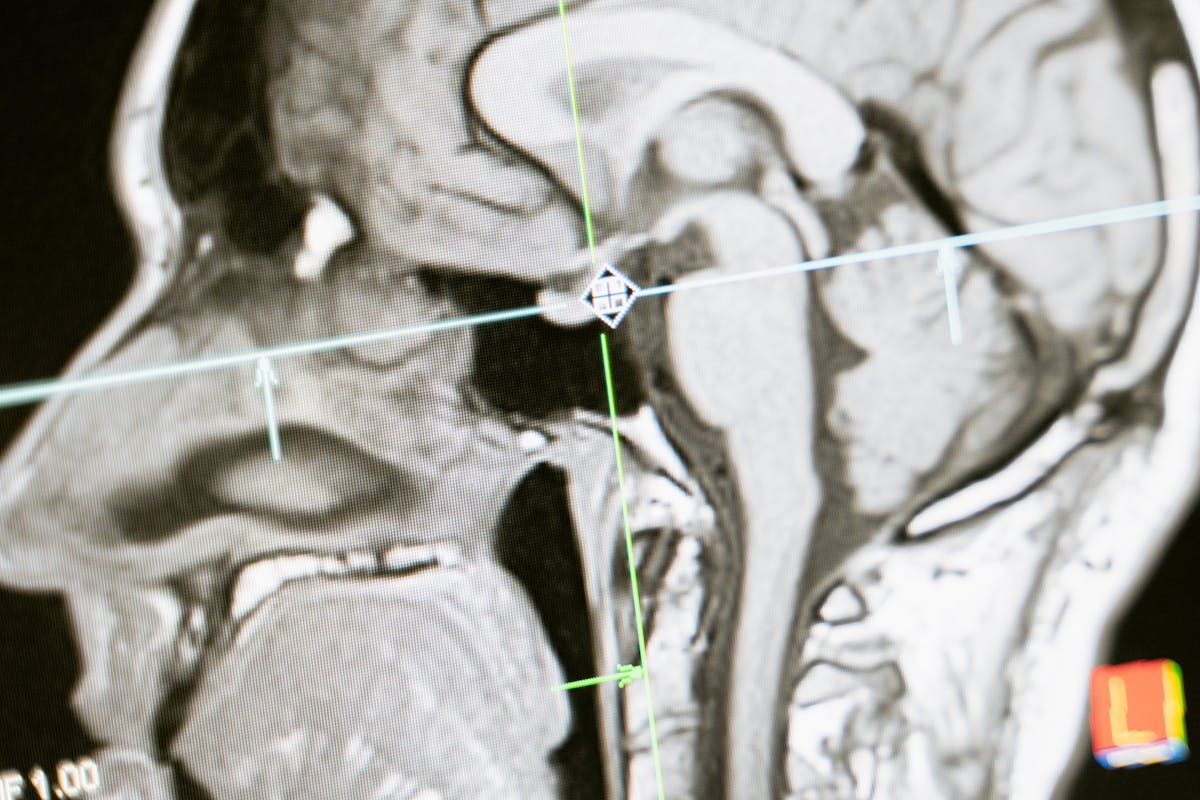
General anesthesia is designed to block awareness, pain, movement, and memory. For patients, that usually feels like a hard cut in the film of life. We lose the scene, the sound, the fear, and the story until the body wakes again.
The unsettling part is that the brain may keep processing pieces of the outside world even when the person is fully unconscious. In this study, researchers focused on the hippocampus, a deep brain region strongly tied to memory, learning, and context. It is not a simple hearing center, which makes the findings more surprising.
If the hippocampus still reacts under anesthesia, the old idea of the “shut down” brain starts to look too simple. We may need to think of anesthesia less like flipping off a light switch and more like cutting communication between rooms in a large building. Some rooms go dark, some stay active, and the person inside never becomes aware of what is happening.
The Study Looked Inside the Brain During Surgery
Researchers studied seven patients who were already undergoing brain surgery for epilepsy. That medical situation gave scientists a rare opportunity to record directly from the human hippocampus during general anesthesia. This was not a surface scan or a guess from outside the skull.
The team used Neuropixels probes, extremely sensitive recording devices that can track activity from hundreds of individual neurons. These probes allowed researchers to watch brain cells respond in real time as patients remained unconscious. Across the recordings, scientists isolated hundreds of neural units and studied how they reacted to sound.
Some patients heard repeated tones interrupted by rare, unusual tones. Others heard spoken material, including stories and podcast-style speech. The goal was simple but powerful: to find out whether the anesthetized brain merely receives sound or still organizes it into meaning.
The Unconscious Brain Still Notices Odd Sounds
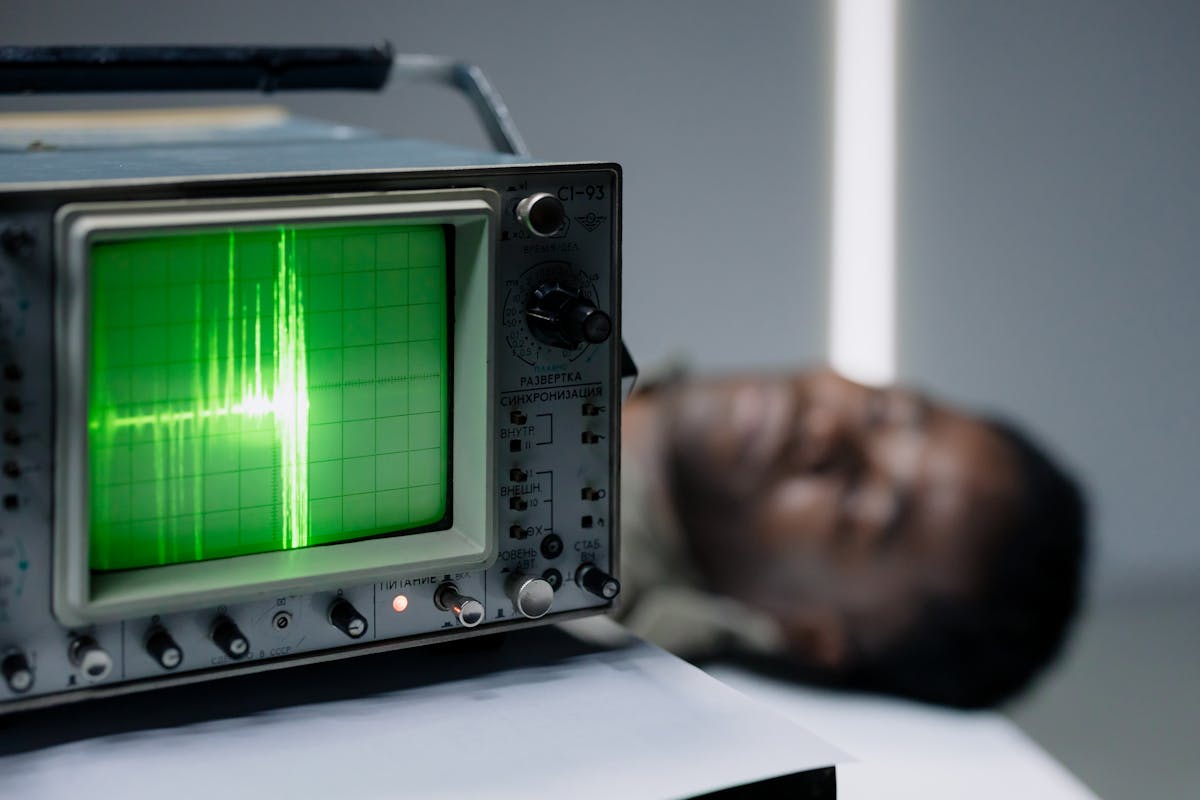
The first surprise came from the tone experiment. Most monitored hippocampal neurons reacted to sounds, and many could distinguish ordinary repeated tones from unusual “oddball” tones. That means the unconscious brain was not simply receiving noise like a broken radio.
Even more striking, the difference in the brain’s response improved over time. The neurons appeared to sharpen their reaction to the unusual tones during the recording session. That suggests a form of learning or adaptation was happening without conscious awareness.
This finding matters because learning is usually treated as something connected to attention. We hear a pattern, notice a change, and adjust our expectations. Under anesthesia, the patients did none of that consciously, yet their hippocampal neurons still behaved as if the brain was tracking the pattern.
Speech Processing Continued Without Awareness
The language experiment pushed the finding into stranger territory. When patients heard spoken stories, their hippocampal neurons responded to the structure of language. The brain activity appeared sensitive to features such as word type, meaning, and context.
That is not a small detail. Speech is layered. A sentence carries sound, rhythm, grammar, meaning, and expectation. We usually assume the brain needs some level of awareness to handle those layers with sophistication.
The anesthetized hippocampus challenged that assumption. The brain did not simply react to voices as sound. It seemed to sort language into useful patterns, even though the patients had no conscious experience of listening.
Your Brain May Predict Words Before You Hear Them
One of the most fascinating findings involved prediction. The researchers found neural patterns that suggested the brain could anticipate upcoming words based on context. That means the anesthetized brain was not just reacting after the sound arrived.
Prediction is one of the brain’s most important habits. We use it constantly while reading, listening, driving, walking, and talking. If someone says, “I poured coffee into the…” the brain begins preparing for likely endings before the final word arrives.
Seeing that kind of prediction under anesthesia complicates our understanding of consciousness. It suggests that some advanced processing can happen quietly below awareness. The brain may continue building patterns even when the conscious self is absent from the room.
Memory May Be More Than a Recording Device
The hippocampus is often described as a memory hub, but this research shows why that label can be too narrow. Memory is not just a storage box. It is also a system for pattern, context, sequence, and prediction.
Under anesthesia, the hippocampus appeared to keep doing some of that work. It noticed sound patterns, adapted to repeated information, and tracked elements of speech. Yet it did not produce a conscious memory that the patient could later describe.
That split is important. It suggests that parts of memory processing may survive even when conscious experience disappears. The brain may prepare, sort, and structure information without saving it as a personal memory.
Consciousness May Depend on Brain-Wide Coordination
The findings point toward a bigger question: what makes an experience conscious? If individual neurons can respond to speech under anesthesia, then consciousness cannot simply mean “brain cells are active.” Active neurons are clearly not enough.
A stronger possibility is that consciousness depends on coordination across many brain regions. The hippocampus may process information locally, but awareness may require that information to spread, connect, and become available to larger brain networks. When anesthesia disrupts those connections, the processing may remain trapped below the surface.
That idea helps explain the strange divide in the study. The brain heard without the person hearing. The brain predicted without the person knowing. The brain worked, but the self never arrived.
The Finding Could Change How We Think About Surgery
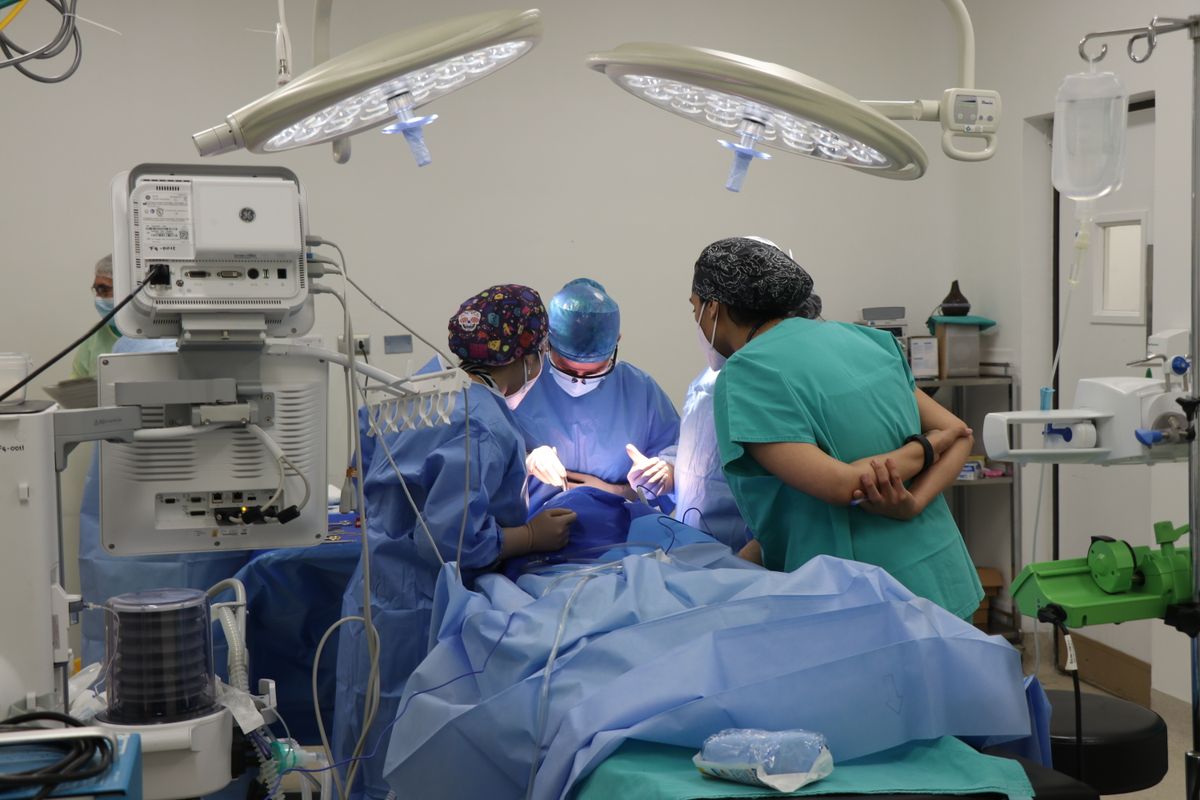
For patients, the most practical message is not to panic. Modern anesthesia remains one of medicine’s most powerful tools, and anesthesiologists closely monitor patients to keep them safely unconscious. This research does not suggest that ordinary surgical patients are secretly aware.
Still, it may influence how hospitals think about the surgical environment. If the unconscious brain can process language, then sound in the operating room may deserve more attention. Calm speech, reduced noise, and careful communication could become even more important areas of study.
We should avoid jumping too far ahead. The study was small, involved a rare surgical setting, and focused on patients undergoing epilepsy surgery. Even so, it opens a serious conversation about what the brain receives when the patient appears completely absent.
Why the Discovery Feels So Unsettling
The disturbing part is not that anesthesia suddenly looks unsafe. The disturbing part is that the brain looks less obedient than we imagined. We want unconsciousness to mean silence, but the evidence suggests it may mean separation instead.
The conscious person may disappear while the brain continues to run quiet calculations. It may track voices, sort sounds, and predict language without giving the patient any awareness of the process. That makes the mind feel less like a single command center and more like a city where some neighborhoods keep working after the mayor has gone missing.
Anesthesia still protects patients from pain and conscious memory. Yet this research reminds us that the border between awareness and unconsciousness is not a clean wall. It is a foggy threshold, and the brain may be doing far more behind that fog than we ever expected.