8 Trendy Foods That Aren’t Automatically Healthier Than Familiar Alternatives
Walk through any grocery store today, and you’ll see shelves full of products promising to make you healthier. Protein bars, detox juices, plant-based burgers, and vegetable chips all come in colorful packages with words like “clean,” “natural,” and “superfood.” Many of them cost far more than the foods our parents and grandparents ate.
Some of these products have real benefits. But many trendy foods are not as healthy as their marketing suggests, and some are no better than the familiar options they claim to replace. A higher price doesn’t always mean better nutrition. Here are eight trendy foods that aren’t automatically healthier than familiar alternatives, and what to look for before you buy.
1. Protein Bars
Protein bars are marketed as healthy snacks for busy people. Many contain added protein, but they can also be high in sugar, sugar alcohols, and processed ingredients. Some have as much sugar as a candy bar.
Before buying, check the label for sugar and ingredient lists. In many cases, a handful of nuts, a hard-boiled egg, or a cup of yogurt offers protein with fewer additives. These familiar foods are often cheaper as well.
Some protein bars also use sugar alcohols, which can cause bloating or stomach upset in some people. Others are high in calories, which can surprise people who eat them as a light snack. Treating them as an occasional convenience rather than a health food is a sensible approach.
2. Detox Juices
Juice cleanses and detox drinks promise to remove toxins and help with weight loss. But the body already has organs, like the liver and kidneys, that do this job. There is little scientific evidence that detox juices improve health.
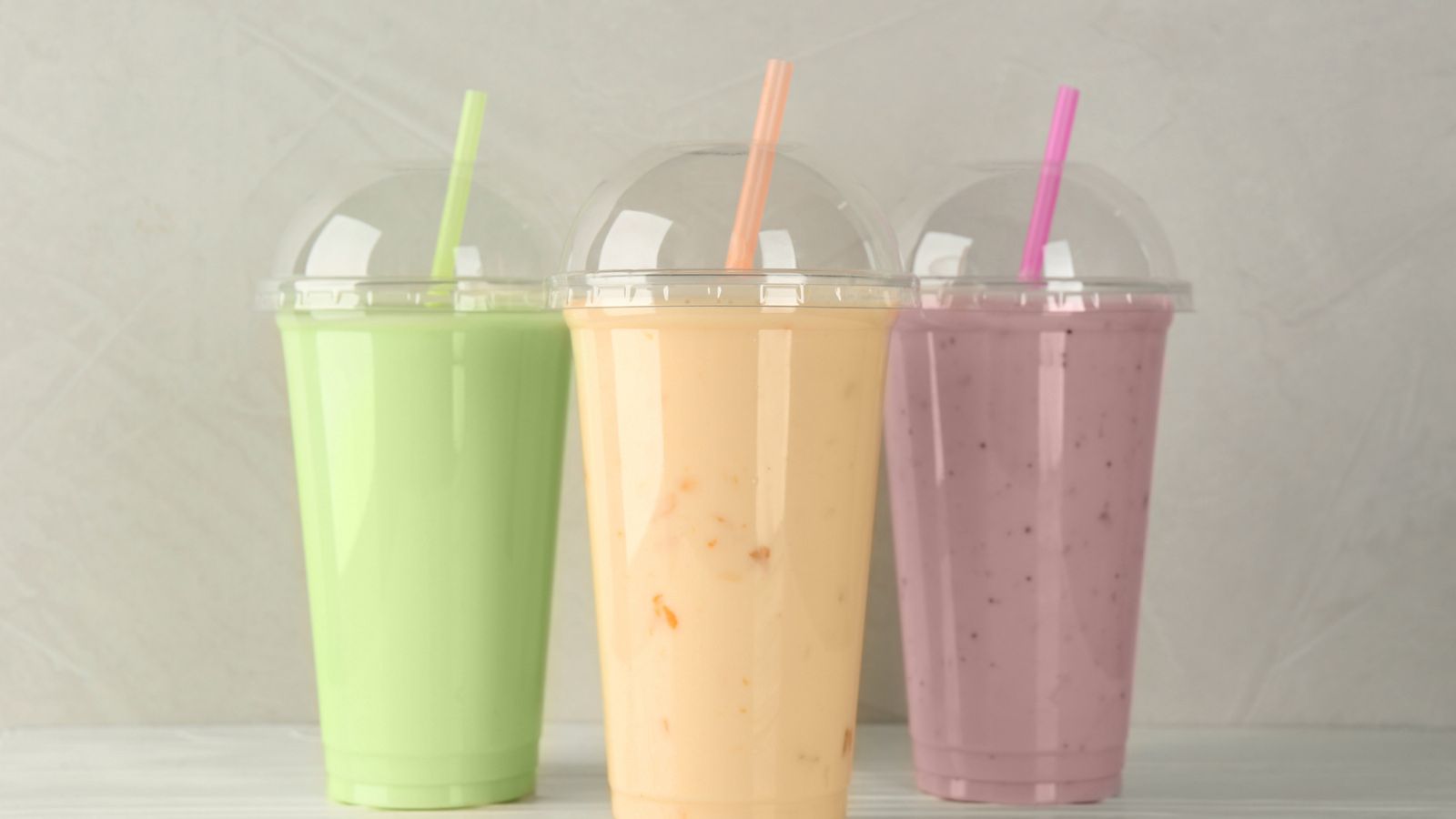
Juices can also be high in sugar and low in fiber compared to whole fruits and vegetables. According to the National Center for Complementary and Integrative Health, there is no convincing evidence that detox programs remove toxins from the body. Eating whole fruits and vegetables is a better choice.
Many juice cleanses are also expensive, sometimes costing a significant amount for just a few days. They can leave people feeling hungry and tired because they lack protein and fiber. A balanced diet is a far more sustainable way to support the body.
3. Smoothie Bowls
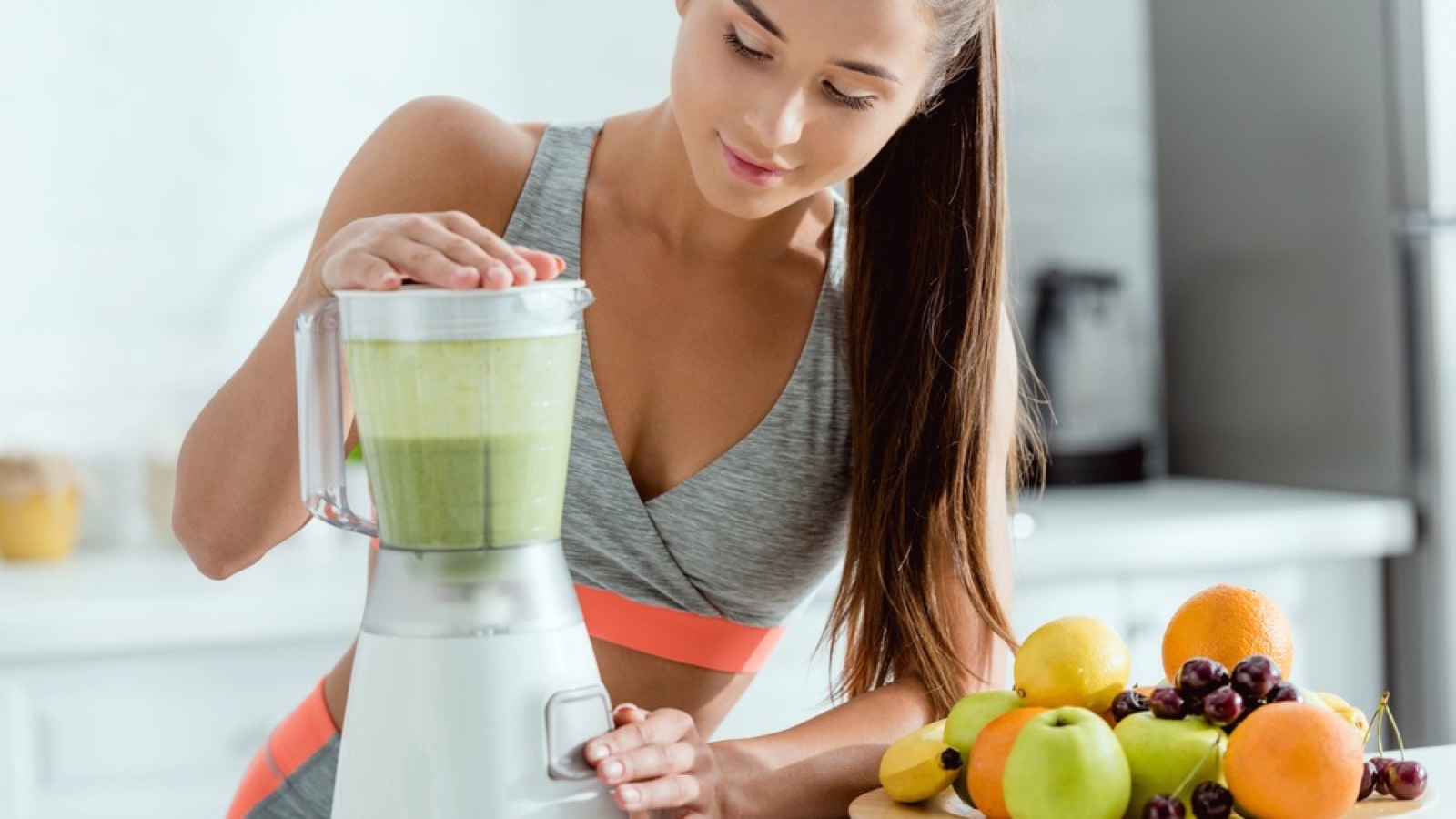
Smoothie bowls look beautiful and are popular on social media. They are often topped with granola, fruit, nuts, and honey. While they contain healthy ingredients, they can also be very high in calories and sugar.
A large smoothie bowl can contain more sugar than a dessert. Making smoothies at home with whole fruits, vegetables, and unsweetened yogurt can be a healthier option. Paying attention to portion sizes is also important.
Store-bought smoothie bowls are often served in large portions, sometimes enough for two people. Sharing one or ordering a smaller size can help. Adding protein, like nut butter or yogurt, can also make them more filling.
4. Plant-Based Meat Alternatives
Plant-based burgers and sausages are marketed as healthier alternatives to meat. Some can be part of a healthy diet, but many are highly processed. They may contain high levels of sodium and saturated fat.
Beans, lentils, and tofu are simpler plant-based protein options. They are often less processed and cheaper. Reading labels can help you make informed choices.
That doesn’t mean plant-based products are bad. They can be a convenient option for people who want to eat less meat. The key is understanding that a plant-based label doesn’t automatically make a food healthier.
5. Veggie Chips
Veggie chips may sound healthier than potato chips, but many are made mostly from potato starch or flour with a small amount of vegetable powder. They are often fried and salted just like regular chips. The nutritional difference can be very small.
If you want the benefits of vegetables, eating them fresh, roasted, or steamed is a better choice. Carrot sticks or cucumber slices with hummus make a crunchy snack. These options provide more fiber and nutrients.
6. Granola
Granola has long been seen as a health food. But many store-bought brands are high in sugar and oil. A small serving can contain a surprising number of calories.
Checking the label for sugar content can help you find better options. Plain oatmeal or homemade granola with less sugar may be healthier choices. Using granola as a topping rather than a main dish can also help.
Granola can still be part of a healthy diet when used wisely. A small sprinkle adds crunch to yogurt or fruit without too much sugar. Making it at home lets you control the amount of oil and sweetener.
7. Coconut Oil
Coconut oil became popular as a “superfood” in recent years. However, it is very high in saturated fat. The Harvard Nutrition Source notes that research does not support its reputation as a health food.
Olive oil and canola oil contain more unsaturated fats, which are considered better for the heart. Coconut oil can be used occasionally for flavor, but it isn’t a miracle food. Moderation is key.
8. Specialty Waters
Alkaline water, vitamin water, and other specialty drinks are often marketed with health claims. Many of these claims are not supported by strong evidence. Some flavored waters also contain added sugars.
For most people, plain tap water is a healthy and affordable choice. Adding a slice of lemon or cucumber can add flavor without sugar. Staying hydrated doesn’t require expensive drinks.
Many specialty waters also cost several dollars per bottle, adding up quickly over a month. For most people, the health benefit doesn’t justify the cost. A refillable bottle of tap water is just as effective for staying hydrated.
How to Evaluate a Trend
When considering a new health trend, look beyond the marketing. Reading nutrition labels and ingredient lists can help you understand what you’re buying. Comparing new products with familiar foods can reveal whether they are worth the cost.
Some diet trends aren’t as healthy as they seem. Building healthy habits without extreme diets is often more effective in the long run. Which trendy food have you tried that didn’t live up to the hype?