Is 68°F Still the Best Winter Thermostat Setting? Here’s What Experts Recommend
Every winter, the same question returns: What temperature should you keep your thermostat at to stay comfortable without spending a fortune on heating?
For years, 68°F has been the magic number. But anyone who has spent a freezing evening wrapped in three blankets knows that one temperature doesn’t necessarily work for everyone.
So, should you stick with 68°F, turn the heat up to 70°F, or experiment with something lower?
The answer might surprise you. Experts haven’t abandoned the 68°F recommendation. Instead, they emphasize something more useful: adjusting your thermostat to match your household, heating system, and daily routine.
Here’s what homeowners should know before the winter heating bills arrive.
Where Did the 68°F Rule Come From?
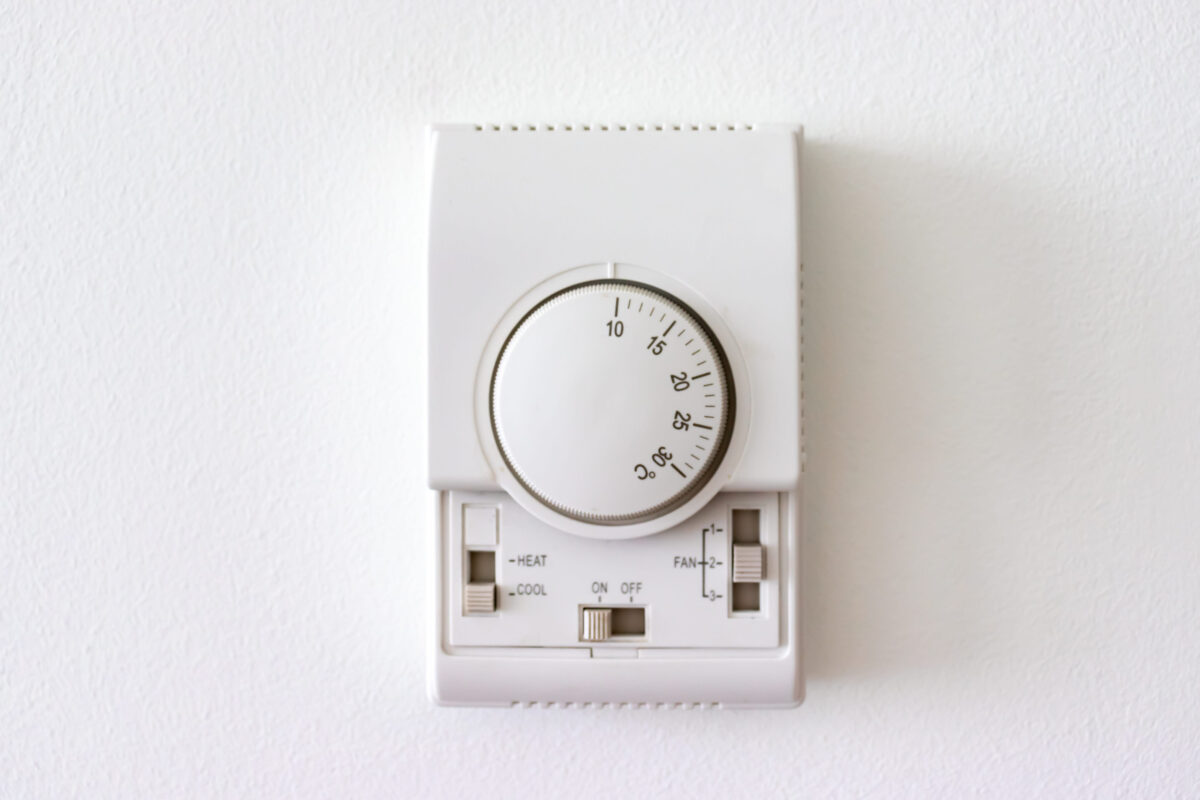
Believe it or not, America’s fascination with 68°F goes back more than 50 years.
During the energy crisis of 1973, President Richard Nixon encouraged Americans to lower their thermostats to help conserve fuel. His administration called for an average daytime home temperature of 68°F.
The idea was simple: use less energy without making homes unnecessarily cold.
The U.S. Department of Energy (DOE) later promoted 68°F as an energy-conscious winter setting while people are awake.
However, that recommendation was never meant to be a strict rule requiring every household to maintain exactly 68°F around the clock.
And that’s where many homeowners get confused.
Experts Still Recommend Around 68°F to 70°F
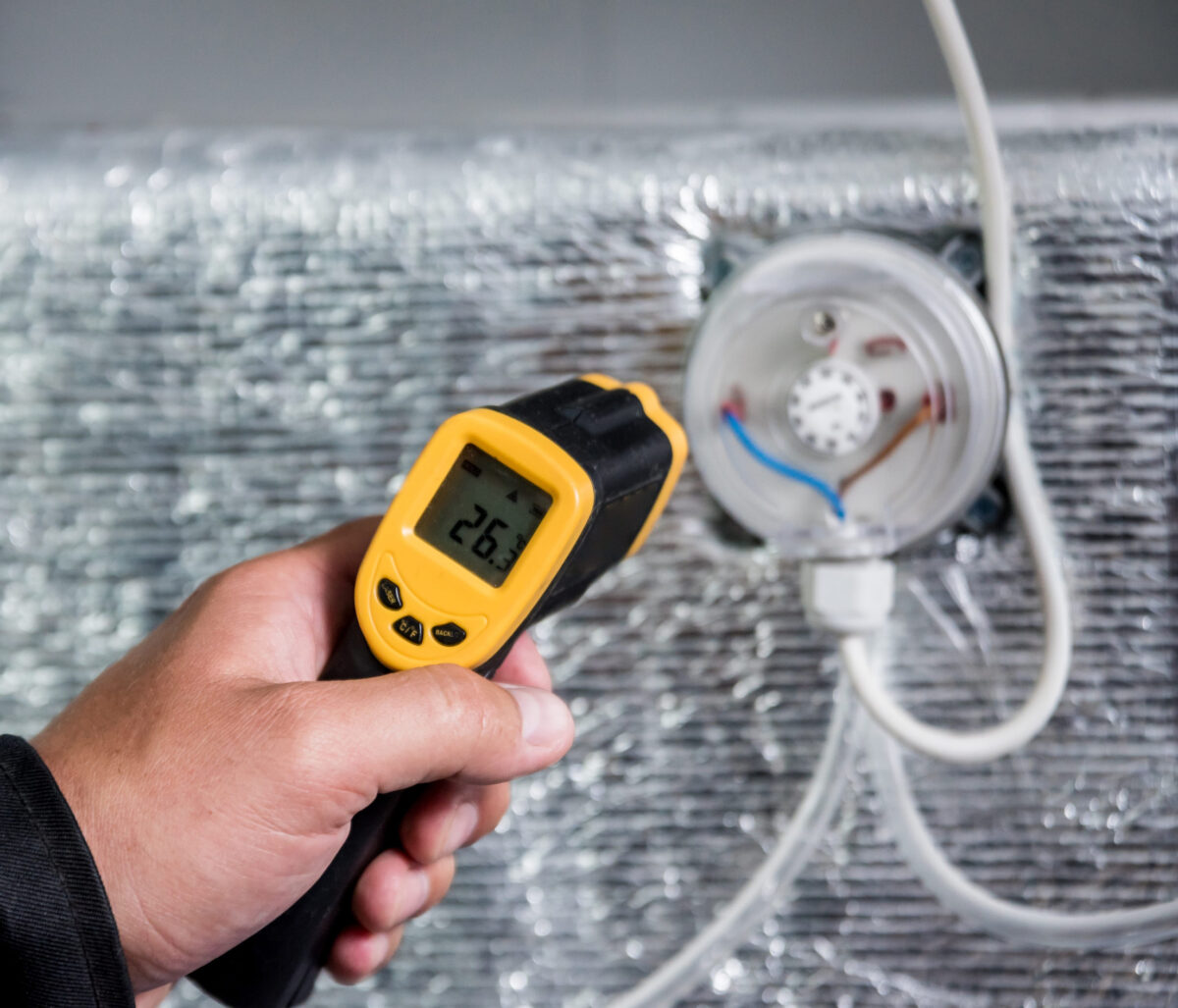
If you’ve heard that experts recently replaced 68°F with an entirely new temperature, there’s an important detail missing.
No verified federal announcement has established a universal replacement.
In fact, utility provider EPB published guidance in October 2026 recommending approximately 68°F to 70°F while people are home and awake.
That gives homeowners some flexibility.
At 68°F, many households can maintain a reasonable balance between comfort and energy conservation. At 70°F, people who prefer a warmer environment may feel more comfortable.
The difference comes down to individual needs, home insulation, and heating efficiency.
The important thing is finding the lowest comfortable setting that works for your household, rather than blindly following someone else’s thermostat preference.
What About Setting Your Thermostat to 65°F?
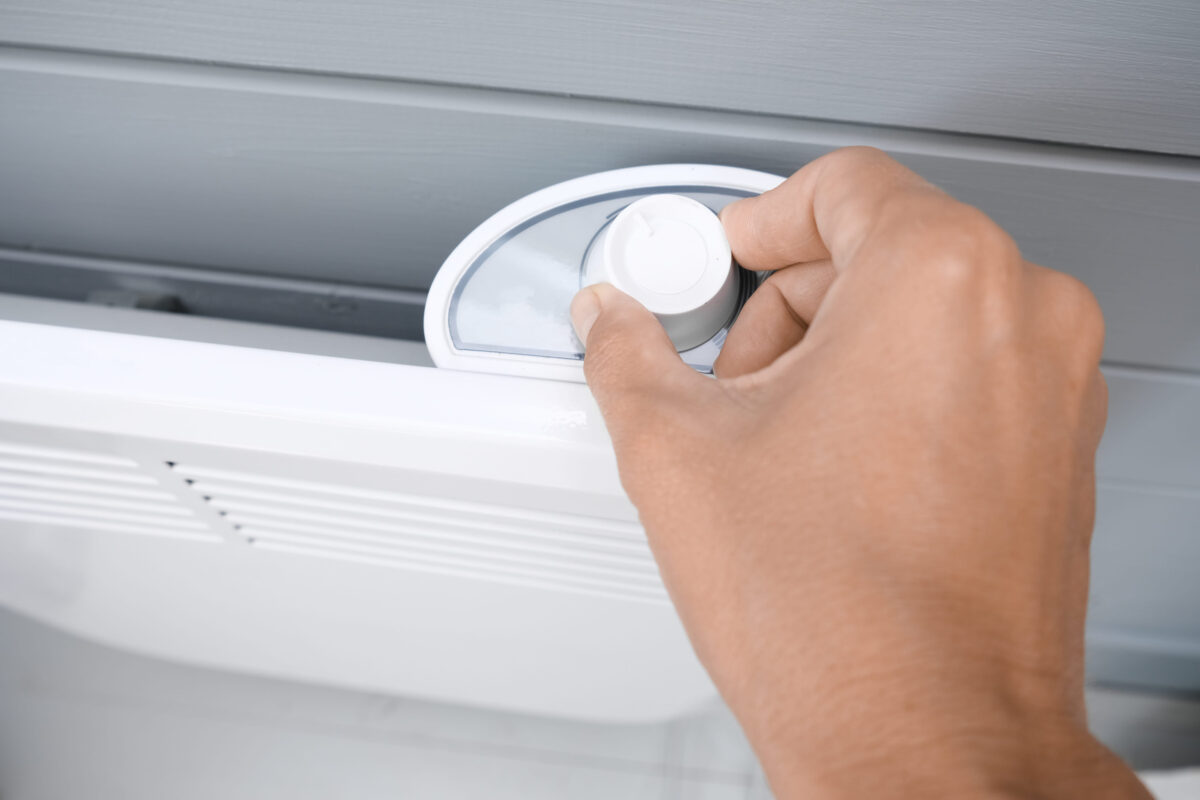
Lowering the thermostat to 65°F might sound like an easy money-saving trick.
And for some households, it can be a reasonable choice.
Lower indoor temperatures generally reduce the amount of heat escaping from a house, which can reduce heating demand.
However, 65°F isn’t a universally recommended temperature for everyone.
The National Institute on Aging advises older adults to keep indoor heating at least 68°F. Some individuals may need warmer conditions.
A practical approach is to experiment with modest adjustments when appropriate, instead of making a dramatic temperature change simply to chase savings.
The Real Money-Saving Trick Is Your Schedule
Here’s something homeowners often overlook: when you adjust the thermostat can matter just as much as the temperature you choose.
According to the U.S. Department of Energy, households may save as much as 10% annually on heating and cooling by lowering their thermostats 7°F to 10°F for eight hours daily.
That doesn’t mean every household will automatically save 10%.
It also doesn’t mean everyone should make such a large adjustment.
For a home with a conventional furnace, an appropriately programmed thermostat can reduce unnecessary heating while residents are away or sleeping.
But if someone works from home all day, an empty-house heating schedule obviously won’t make much sense.
The goal is to reduce heating when practical without sacrificing household comfort or safety.
Heat Pump Owners Need to Be Especially Careful
Before rushing to program a dramatic overnight temperature drop, check what type of heating system you own.
Heat pumps can operate differently from conventional furnaces.
The Department of Energy warns that certain heat pump setbacks may activate electric-resistance backup heating during recovery.
That backup heating can reduce or eliminate the savings homeowners hoped to achieve.
Instead of assuming that a large temperature setback is always better, heat pump owners should use compatible thermostat controls and follow their equipment’s recommendations.
A smart heating schedule should work with your system, not against it.
Why Your House Can Feel Cold Even at 70°F
Ever walked into a room where the thermostat says 70°F, but somehow it still feels chilly?
You’re not imagining the difference.
According to ASHRAE, thermal comfort depends on several factors beyond air temperature, including humidity, air movement, surrounding surfaces, clothing, and physical activity.
That explains why sitting beside a cold window can feel different from standing in the middle of the same room.
Before raising the thermostat again, consider checking for drafts, uneven room temperatures, and poorly insulated windows.
The number displayed on your thermostat doesn’t necessarily represent the temperature everywhere in your home.
Don’t Forget About Frozen Pipes
Trying to save money by lowering the thermostat too far can become expensive if your plumbing freezes.
The American Red Cross recommends leaving the heat on at no lower than 55°F when you’re away during cold weather.
However, that recommendation isn’t a guarantee against frozen pipes.
Plumbing running through exterior walls, crawl spaces, garages, or other exposed areas can become much colder than the room where your thermostat sits.
During particularly severe cold spells, the Red Cross also recommends maintaining consistent daytime and nighttime temperatures to help protect pipes.
A slightly higher heating bill may be preferable to dealing with unexpected water damage.
Small Changes Can Make Winter Heating More Practical
You don’t necessarily need expensive equipment to improve your home’s winter comfort.
The Department of Energy recommends opening south-facing window coverings during sunny winter days to take advantage of natural warmth, then closing them at night.
Ceiling fans may also help. Running a suitable ceiling fan clockwise at low speed during winter can redistribute warm air that collects near the ceiling.
And while smart thermostats can make scheduling easier, they’re not guaranteed money-saving machines.
ENERGY STAR recommends checking thermostat compatibility before purchasing, particularly for homes with specialized heating equipment.
Sometimes, the most useful improvement is simply understanding how your existing system operates.
So, What Temperature Should You Actually Choose This Winter?
For many households, 68°F remains a sensible starting point while everyone is home and awake.
If your household needs additional warmth, approximately 70°F may be more comfortable. If conditions allow, lowering the temperature during sleeping or unoccupied hours may reduce energy consumption.
But there is no single perfect setting for every house.
A home’s insulation, outdoor temperatures, heating equipment, and occupants all influence the decision.
And with the U.S. Energy Information Administration forecasting different winter 2026–2027 energy costs depending on heating fuel, finding practical efficiencies matters.
The takeaway? You don’t have to throw away the 68°F recommendation. Just stop treating it as an unbreakable rule.
A thoughtful heating schedule, appropriate temperature adjustments, and attention to your home’s unique needs can make winter more comfortable without unnecessary energy spending.