Only People Who Grew Up in 1961 Will Recognize These 10 Household Objects Without Thinking Twice
There was a time when American homes were filled with everyday objects that younger generations might struggle to identify today. They weren’t considered antiques or collectibles. They were simply things families used almost every day, whether preparing dinner, cleaning the house, making telephone calls, or spending an evening in the living room.
If you grew up around 1961, you probably remember many of them without needing an explanation. You might even remember the sounds they made, where your parents kept them, and how everyone in the household knew exactly how to use them.
But times have changed. Modern appliances, smartphones, and convenient household gadgets have replaced many of these familiar objects.
Here are 10 household items that could take anyone who grew up in the 1960s straight back to childhood.
The Rotary Dial Telephone
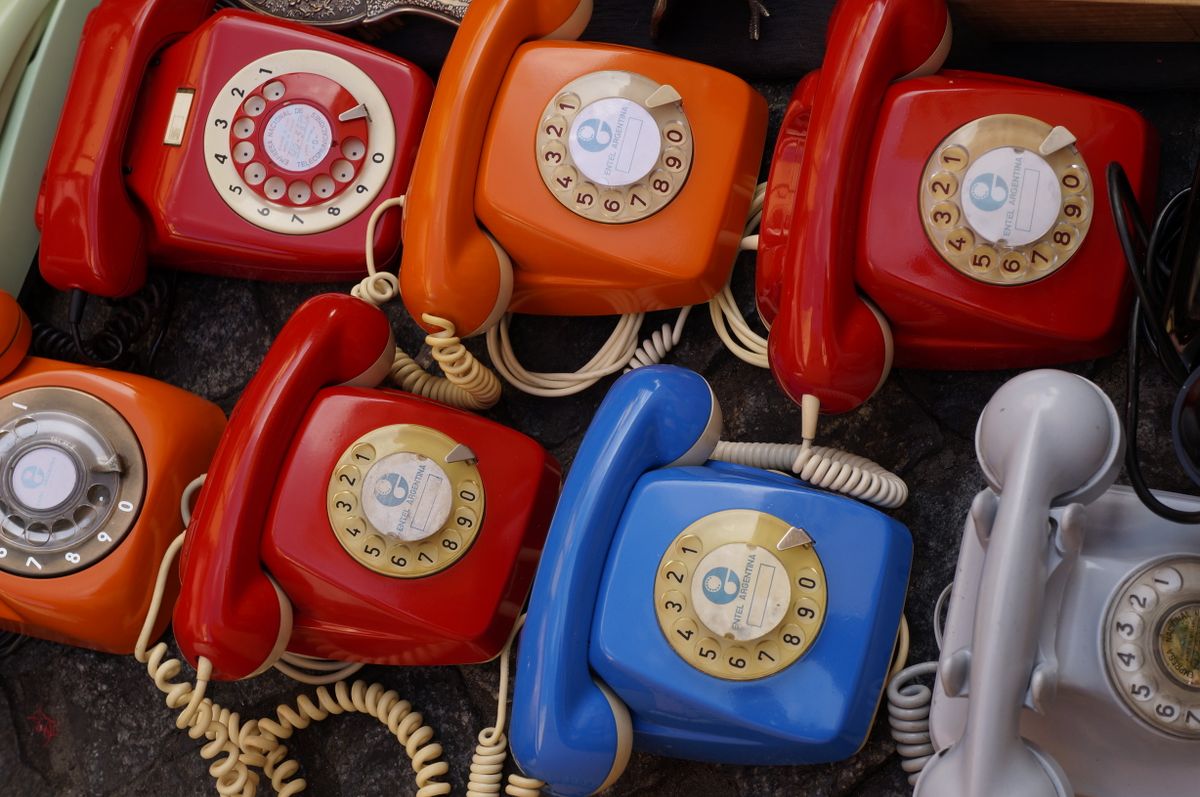
Before smartphones and touchscreen devices, making a telephone call required a little patience.
The rotary telephone was a familiar fixture in American homes throughout the 1960s. Instead of pressing buttons, callers inserted a finger into the numbered dial and rotated it until it reached the metal stopping point.
Each number required a separate movement, making longer telephone numbers particularly time-consuming to dial.
Children often learned important telephone numbers by heart because looking them up wasn’t as convenient as it is today.
And if someone was using the household telephone, everyone else generally had to wait their turn.
The Metal Ice Cube Tray With a Pull Handle
Modern refrigerators make ice almost effortlessly, but older households often relied on metal ice cube trays.
These trays had individual compartments filled with water, which you placed in the freezer.
Getting the ice out was the interesting part.
Instead of twisting a flexible plastic tray, you pulled a metal lever to lift or loosen the ice cubes from their compartments.
Sometimes the cubes came out easily. Other times, they required a little extra effort.
For children growing up in the 1960s and 1970s, retrieving ice from one of these trays was an ordinary kitchen experience.
Related:7 Things You Probably Have at Home if You Grew Up Poor
The Carpet Sweeper
Before vacuum cleaners became commonplace in nearly every household, carpet sweepers were useful cleaning tools.
They typically had a long handle, a small rolling mechanism, and brushes underneath that collected dirt and crumbs as someone pushed them across the floor.
Unlike traditional vacuum cleaners, they didn’t require an electrical outlet or produce the familiar loud motor noise.
They were especially convenient for quick cleanups after meals or when someone wanted to remove crumbs without dragging out a heavier cleaning appliance.
Some families continued using them even after purchasing vacuum cleaners because they were lightweight and easy to operate.
The Percolator Coffee Pot
For many American households, making coffee was a familiar morning ritual that involved more than pressing a button.
The stovetop percolator was a common kitchen appliance. It consisted of a metal pot containing a small basket for ground coffee and a central tube that circulated heated water.
As the water heated, it moved upward through the tube and passed over the coffee grounds.
Many models had a transparent knob on top, letting people watch the coffee bubble as it brewed.
The sound of a percolator working on the stove became part of the morning atmosphere in countless homes.
Today, coffee machines have largely replaced this traditional method, but anyone who grew up with a percolator may still remember its distinctive bubbling sound.
Related: These simple pleasures of our grandparents’ generation became expensive for millennials
The Manual Can Opener Mounted on the Wall
Opening a can wasn’t always as simple as picking up a small electric gadget or using a modern handheld opener.
Some older American kitchens had manually operated can openers attached directly to the wall or a kitchen cabinet.
The device typically had a cutting wheel and a handle to operate the mechanism.
You placed the can against the opener, secured it, and turned the handle until the lid separated.
It was a practical arrangement because the opener stayed in one place and was always available.
For children who grew up around these kitchens, the familiar metal device was simply another part of everyday life.
The Television With Rabbit-Ear Antennas
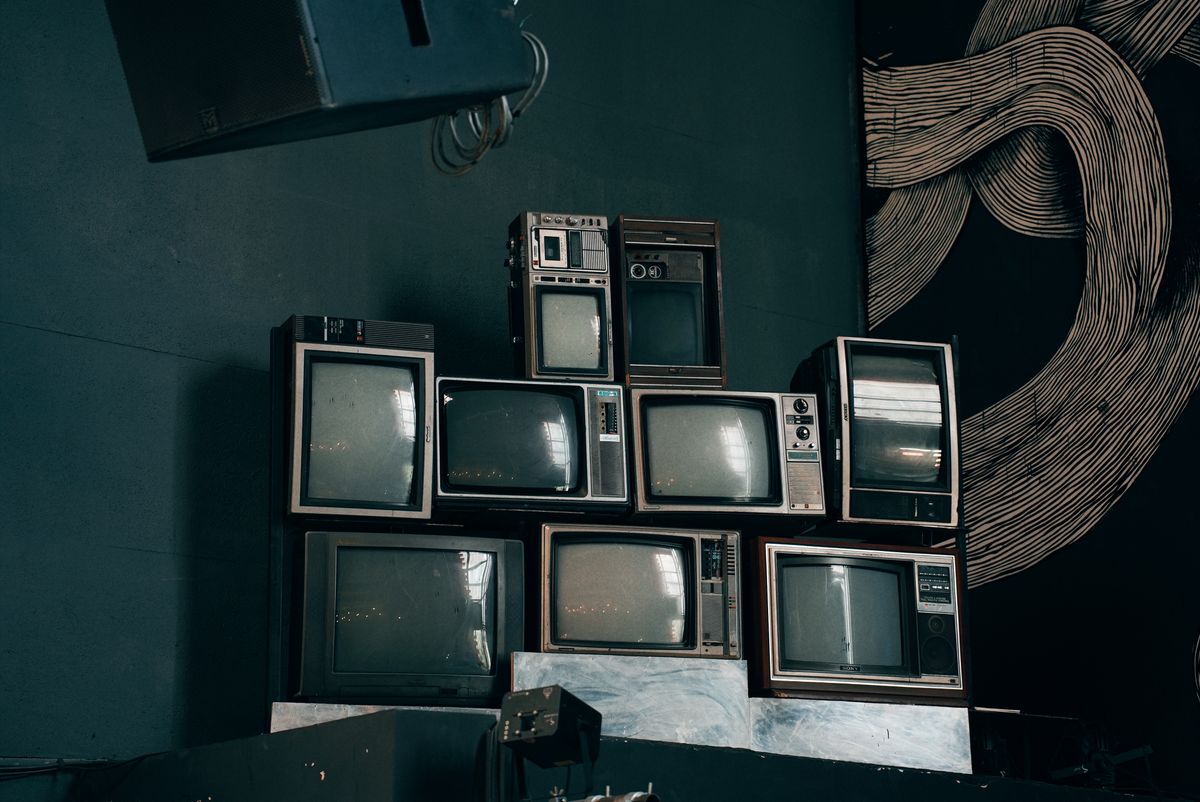
Television was becoming an important part of American family life during the 1960s.
But watching a favorite program wasn’t always as straightforward as turning on a modern smart television.
Many households had television sets fitted with two adjustable metal antennas commonly called rabbit ears.
Getting a clear picture sometimes required moving the antennas into different positions.
Someone might even have to stand nearby and adjust them while another family member checked whether the picture had improved.
Families also had fewer viewing choices than they do today, so people often watched popular programs together.
Those distinctive antennas remain one of the most recognizable symbols of television in the 1960s and 1970s.
The Wooden Clothespin and Outdoor Clothesline
Before electric and gas-powered clothes dryers became standard household conveniences, many American families regularly dried their laundry outdoors.
A clothesline stretched across the backyard provided a place to hang freshly washed clothing.
Wooden clothespins secured shirts, trousers, sheets, and towels to the line.
The pins were simple spring-loaded devices, but they were essential whenever the wind threatened to carry clothing away.
Children sometimes helped collect the dry laundry, while adults handled the washing and hanging.
The smell of freshly dried sheets and the sight of laundry moving in the breeze became familiar parts of everyday life for many families.
The Manual Egg Beater
Preparing certain foods once required considerably more physical effort than it does today.
The manual egg beater was a familiar kitchen tool with two rotating beaters operated by turning a hand crank.
Instead of plugging in an electric mixer, someone had to turn the handle repeatedly to beat eggs, mix ingredients, or prepare certain batters.
The faster the handle turned, the faster the beaters moved.
It was a simple invention that served generations of home cooks before electric mixers became widely available.
For anyone who helped their mother or grandmother in the kitchen during the 1960s, this little gadget may bring back particularly vivid memories.
Related: You know you were raised right if these things are in your home
The Metal Flour Sifter
Baking was a regular activity in many American households, and flour sifters were useful kitchen accessories.
These metal devices were designed to remove lumps and aerate flour before it was added to a recipe.
Some models had a hand-operated crank, while others used a squeezing handle that moved an internal mechanism.
The flour passed through a fine mesh screen and fell into a bowl underneath.
Children who helped with baking sometimes enjoyed operating the sifter because it was one of the few kitchen tasks that felt more like playing than working.
Today, many recipes simply call for whisking flour or using it directly from the bag, but the traditional metal sifter remains familiar to people who grew up in earlier decades.
The Sewing Basket Filled With Everyday Supplies
Almost every household had a place for spare buttons, needles, thread, scissors, and other small sewing supplies.
These items were often stored together in a sewing basket that could be carried from one room to another.
When a shirt lost a button or a pair of trousers developed a small tear, someone in the family could usually find the supplies needed to repair it.
Mothers and grandmothers frequently handled these small repairs rather than immediately replacing damaged clothing.
The sewing basket was more than a storage container. It represented a time when repairing household belongings was an ordinary part of family life.
Even today, some people still keep these traditional baskets, although their contents may not be used as frequently.
A Different Kind of Household Nostalgia
Growing up in the 1960s meant becoming familiar with household objects that served practical purposes and often lasted for years.
Many were simple, mechanical, and required a little more effort than their modern replacements. But they also became part of the everyday experiences that people remember long after childhood.
A rotary telephone, a metal ice cube tray, or an old carpet sweeper might look ordinary to someone who has never used one.
For someone who remembers the 1960s, however, these objects can bring back memories of family kitchens, weekend chores, television evenings, and childhood routines.
Technology has certainly made household tasks easier, but there is something special about remembering the objects that once made an ordinary American home feel complete.