Iran’s Bold Warning as Tensions Escalate Over the Strait of Hormuz
As international tensions rise, Iran has issued a stark warning in response to President Donald Trump’s statement about U.S. involvement in navigating the Strait of Hormuz.
The president’s remarks, which suggested that the U.S. would soon begin guiding ships through the strategic waterway, have ignited fears of military conflict, with Iran declaring that any foreign forces approaching the strait would be met with swift retaliation.
The situation has rapidly evolved into one of the year’s most critical geopolitical flashpoints, raising serious concerns about the potential for military escalation.
The Geopolitical Importance of the Strait of Hormuz

The Strait of Hormuz, a narrow passage connecting the Persian Gulf to the Arabian Sea, plays a crucial role in global energy markets. It is the transit route for a significant portion of the world’s oil supply, with millions of barrels passing through each day. This makes the Strait a focal point for global trade and a region of strategic military importance. Any disruption to this vital artery could have far-reaching consequences for both global economies and international security.
Trump’s Announcement and Its Impact on Global Diplomacy
President Trump’s announcement regarding U.S. intervention in the Strait of Hormuz came as a response to mounting pressure from various nations whose ships have been stranded or threatened by Iranian forces. The U.S. has positioned itself as a stabilizing force in the region, claiming the move would be a humanitarian effort to ensure the free passage of vessels and the protection of international shipping lanes.
However, Trump’s comments left many uncertainties. The U.S. president failed to clarify the specific measures the U.S. would employ to carry out this mission, nor did he outline whether American military forces would be directly at risk in the operation. This ambiguity has only heightened tensions and raised questions about the U.S. move’s true intentions.
Iran’s Retaliatory Threat
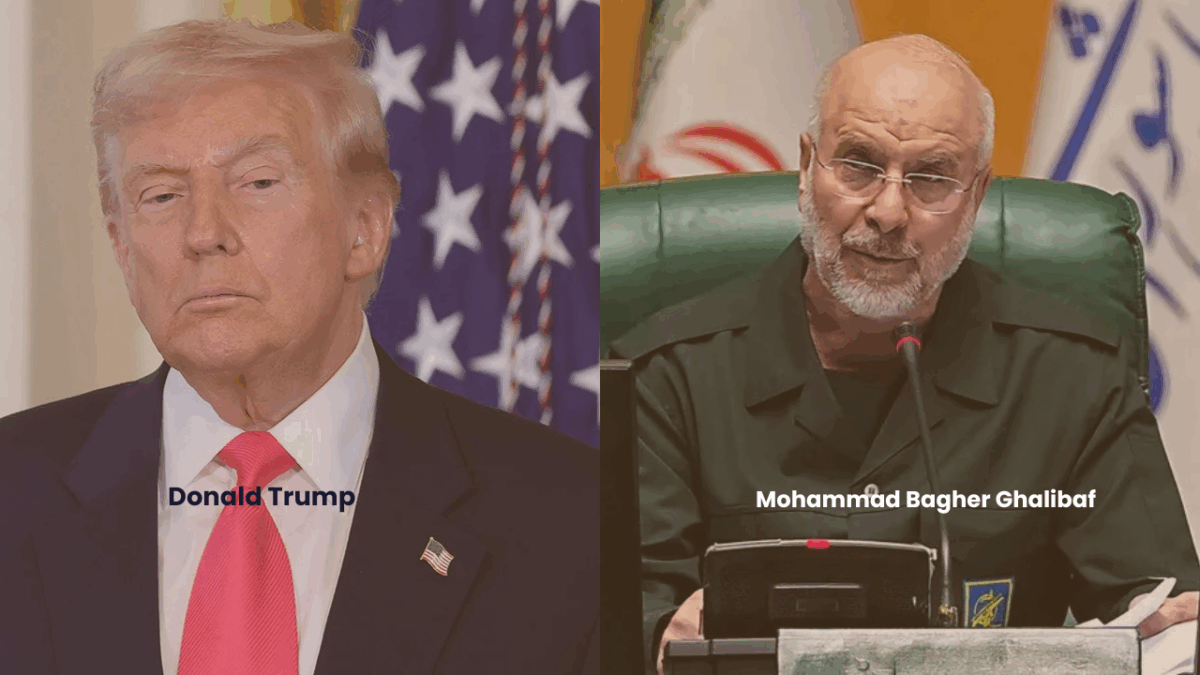
Iran’s military response has been swift and unequivocal. In the wake of Trump’s statement, Tehran warned that it would take immediate and aggressive action against any foreign military presence in the strait. The Islamic Republic has long maintained that it controls the waters around the Strait of Hormuz, and any foreign intervention is seen as a direct challenge to its sovereignty.
Iran’s warning is not just a verbal threat but a reminder of the country’s military capabilities in the region. Iran’s forces, particularly its naval and missile units, have demonstrated a willingness to escalate conflicts when they perceive their interests as threatened. This includes the ability to disrupt international shipping through mines, missile strikes, and other asymmetric tactics.
The Role of International Stakeholders
The Strait of Hormuz is important not only to the U.S. and Iran but also to a host of other international stakeholders. Countries like China, Japan, and the European Union rely heavily on the free flow of oil and goods through the strait. The U.S. intervention, while framed as a humanitarian gesture, could have broader diplomatic repercussions.
China, one of the world’s largest oil consumers, has already expressed concerns about the escalating tensions, fearing that any disruption to oil flows could severely impact its economy. Similarly, European nations have called for de-escalation, urging both the U.S. and Iran to seek diplomatic solutions to the crisis. The growing pressure from these international actors underscores the delicate balance of power in the region and the need for careful diplomacy to avoid a catastrophic confrontation.
Military Options and Risks

While Trump has stated that the U.S. will guide ships through the Strait of Hormuz, the specifics of how this will be achieved remain unclear. The United States has a significant military presence in the Middle East, including naval forces stationed in nearby waters, but the question remains whether this is sufficient to ensure the safety of vessels or if further military escalation is necessary.
Military analysts suggest that the U.S. could opt for a combination of naval escorts, surveillance, and air support to ensure the safe passage of ships. However, such operations come with inherent risks, particularly when confronting a nation like Iran, which has a history of aggressive responses to perceived foreign interventions. In this highly volatile environment, any misstep could result in a rapid escalation of hostilities.
Conclusion
As the situation continues to unfold, the international community must carefully consider the next steps. For the U.S., the challenge lies in balancing the need to protect global shipping lanes with the imperative to avoid provoking a direct military confrontation with Iran. For Iran, the pressure to defend its territorial waters and assert its sovereignty is equally strong. However, both nations are aware that an all-out war in the region could have devastating consequences not only for them but also for the broader global community.
The path forward will require deft diplomacy, transparent communication, and a shared commitment to de-escalation. While military options remain on the table, it is clear that the stakes are incredibly high, and the world watches closely to see if cooler heads will prevail.