“Americans Are Drowning in Debt,” Rick Scott Says Congress Is to Blame
With credit card balances near record highs and everyday costs still climbing, lawmakers’ blame game is meeting rising frustration from voters who say their wallets already know the struggle.
Sen. Rick Scott ignited a firestorm this week when he declared that “Americans are drowning in credit card debt because Congress has a spending problem,” urging lawmakers to rein in federal budgets to ease pressure on households. His comments on Tuesday, May 26, landed amid growing concern over household finances, with rising credit costs and stubborn prices making everyday life feel like a tightrope act.
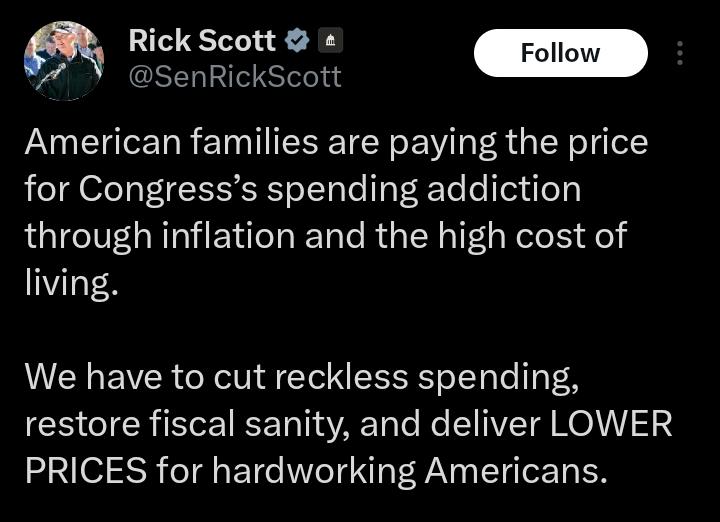
But while Scott’s framing grabbed headlines, many Americans reacted with a mix of agreement and skepticism, agreement about the struggle itself, skepticism about whether Washington’s spending battles reflect real life. On social platforms and comment sections, phrases like “blame the economy, not the politics” and “I wish my statement balance stopped rising because Congress argues” trended across conversations, revealing frustration that transcends party lines.
Debt by the Numbers: A Reality Check
While overall U.S. household debt hit a record $18.8 trillion in the first quarter of 2026, credit card balances remain near historic highs at about $1.25 trillion, a sobering figure that means the average household carries thousands in revolving balances. A WalletHub survey found roughly 42 % of Americans expect to still owe card debt by year’s end, with many saying they feel trapped by relentless costs.
Economists point to a widening divide in the economy, where wealthier consumers manage rising costs more easily, while lower‑income households stretch credit just to keep up with daily expenses. Persistent inflation in essentials like food and energy has kept pressure high, and a Federal Reserve Bank of New York report flagged rising financial strain, especially among more vulnerable groups.
Public Reaction: Blame, Agreement, and Frustration
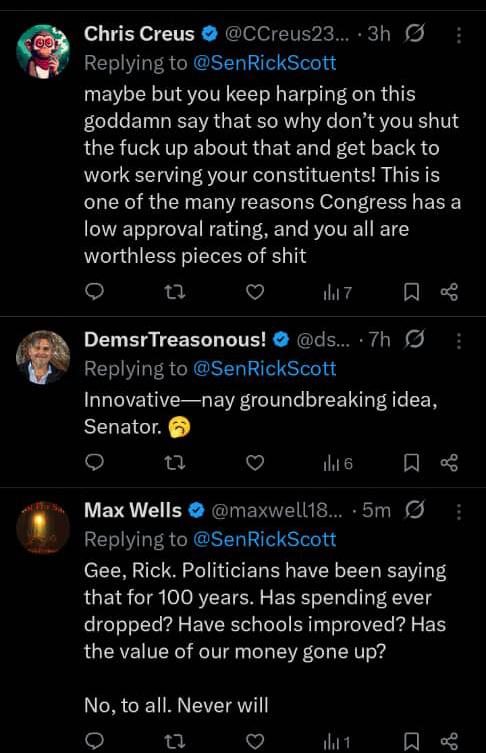
Public sentiment toward Scott’s comment has been mixed. Supporters echoed his point that unchecked federal spending contributes to broader economic headwinds. Critics, including some on the right, argued that pointing fingers at Congress oversimplifies the lived experience of families juggling bills, rent, childcare, and unexpected medical costs.
One viral tweet read: “I don’t care who’s spending , I care that I can’t afford dinner without swiping.” Another comment on a national news page said: “We all know someone living paycheck to card statement , this isn’t about politics, it’s about survival.” These reactions show that while the narrative resonates emotionally, many people feel it fails to capture what they see in their own bank accounts.
What Comes Next? Policy or Posturing?

Scott isn’t alone in sounding the alarm: fellow lawmakers have also warned that federal budget choices and mounting national debt are linked to economic stress for everyday Americans. However, whether those warnings translate into meaningful policy change remains uncertain, especially as daily conversations shift back to pocketbook issues like grocery store price increases or rising minimum payments.
For millions, balancing statements and stress make the issue feel far from abstract. Whether political blame leads to solutions or just more headlines is a debate that is only just beginning, and one that voters say they’ll keep in their sights this election cycle.