10 Toxic Phrases Grandparents Say That Can Quietly Hurt Grandchildren
Grandparents often become the warmest part of a child’s memory. They bring stories, comfort, family history, extra snacks, soft shoulders, and the kind of love that can feel larger than the house itself. Yet even loving grandparents can use words that land harder than they intended, especially when those words touch a child’s body, loyalty, emotions, food, boundaries, or relationship with their parents.
We do not need to treat every awkward comment as a family disaster. Most grandparents are not trying to harm their grandchildren. Still, healthy family communication asks us to notice the phrases that create shame, secrecy, fear, confusion, or pressure. When we replace those phrases with warmer, clearer language, we strengthen the bond rather than weaken it.
Give Me a Hug or Kiss
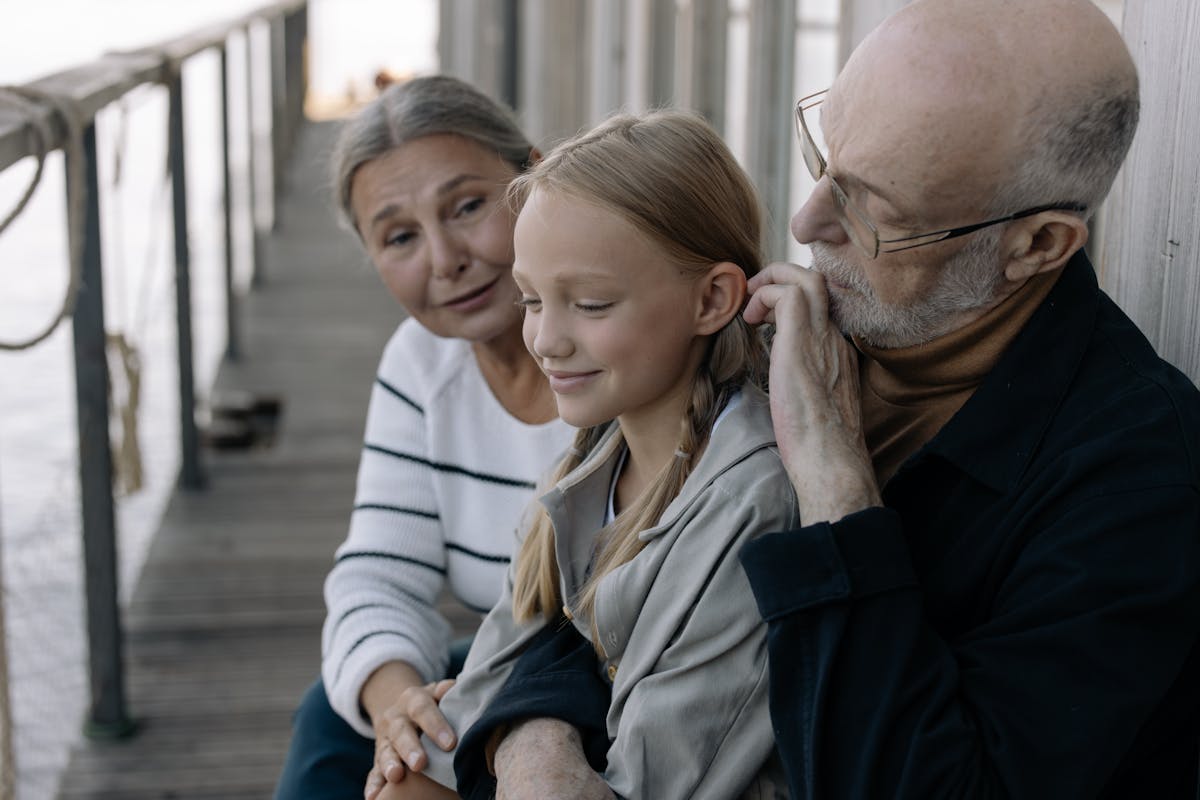
Physical affection should never feel like a debt children owe adults. Grandparents may ask for hugs because they miss their grandchildren and want closeness, but forcing affection can teach children to ignore their own comfort. A child who learns that saying no disappoints adults may later struggle to protect personal boundaries.
We can make affection an invitation instead of a demand. Try, “Would you like a hug, a high five, or a wave?” If the child says no, we should accept it warmly and move on. Respecting that answer teaches the child that love does not disappear when they set a boundary.
You’re So Spoiled
Calling a child spoiled may feel like a quick way to correct rude or demanding behavior, but it often attacks the child rather than addressing the behavior. A child who hears this may feel labeled as bad, greedy, or unlovable. The phrase can also create tension between grandparents and parents, as it quietly criticizes how the child is being raised.
We get better results when we name the behavior clearly. Instead of saying, “You’re spoiled,” we can say, “Let’s use a kinder voice,” or “It’s okay to feel disappointed, but we still say thank you.” This corrects the moment without turning the child’s character into the problem.
Your Parents Are Wrong
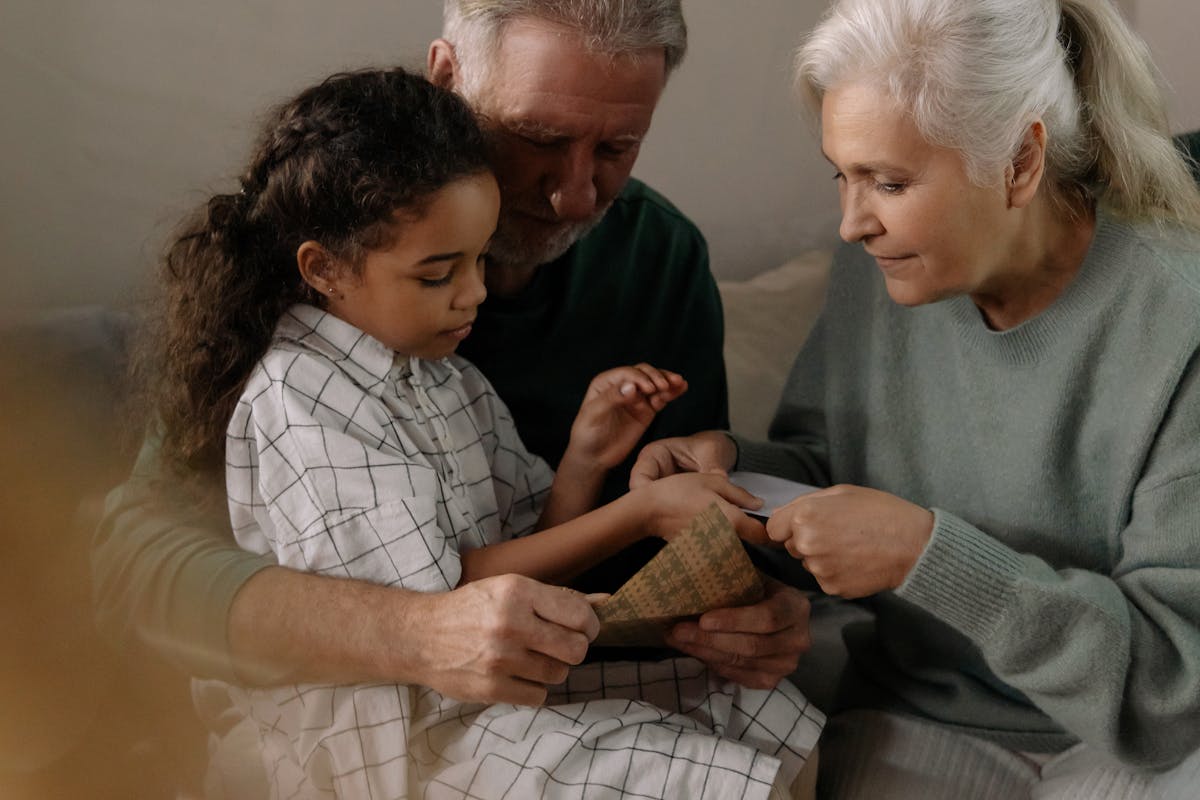
Grandparents may disagree with how their adult children parent. Rules about screens, bedtime, discipline, food, school pressure, and manners often change from one generation to another. Still, telling a grandchild that their parents are wrong puts the child in the middle of an adult conflict.
The better path is to speak privately with the parents when a serious concern exists. Around the child, we can say, “Your parents make the rules, and we will follow them here.” That keeps the family structure stable and helps the child feel secure rather than divided.
When I Was Your Age, We Didn’t Act Like This
This phrase can sound like wisdom, but children often hear it as rejection. It compares two different childhoods as though they happened in the same world. Today’s children face different school pressures, digital habits, social expectations, and emotional language than many grandparents grew up with.
A stronger version keeps the wisdom without the shame. We can say, “Things were different when I was young, and I’d love to understand how it feels for you now.” That sentence invites conversation instead of competition. It also lets grandparents share experiences without making the child feel weak or disrespectful.
Stop Crying. It’s Not a Big Deal
Children do not learn emotional strength by being told their feelings are too much. When a grandparent dismisses tears, the child may learn to hide sadness, fear, or disappointment. Over time, that can make the grandparent feel less safe about talking to you.
We can still help a child calm down without dismissing what they feel. Try, “I can see this upset you,” or “Let’s take a breath together.” Those words do not reward bad behavior. They help the child feel understood before we guide them toward better choices.
Don’t Tell Your Parents

This phrase may sound playful when it involves one extra cookie, a late bedtime, or a small surprise. The problem is that it teaches a child that secrets from parents can be normal when an adult asks for them. That message can confuse a child’s sense of safety, especially because parents should remain the first people children can go to when something feels wrong.
Grandparents can still create special moments without building secrecy into the relationship. A better phrase is, “Let’s ask your parents first,” or “I want us to have fun and also respect your parents’ rules.” This keeps the grandparent close to the child without making the child feel caught between adults.
You’re Getting So Big. Have You Gained Weight?
Body comments often stay with children far longer than adults expect. A grandparent may mean the comment as a simple observation, but a child can hear it as criticism, embarrassment, or proof that their body is being judged. This becomes even more sensitive during puberty, growth spurts, or any period when a child already feels awkward in their skin.
We can greet children without turning their bodies into the main topic. Instead of mentioning weight, size, height, shape, or appearance, try “I’m so happy to see you,” or “Tell me what you’ve been enjoying lately.” That shift tells the child they are valued for who they are, not for how they look.
Wow, You Ate More Than I Did
Food comments can create shame, even when delivered with laughter. Children are still learning hunger cues, fullness, taste preferences, and social comfort around meals. When adults comment on how much or how little a child eats, the child may start eating to please others instead of listening to their body.
A healthier approach is to make meals feel calm and ordinary. We can say, “There’s more food if you’re still hungry,” or “You can stop when your body feels full.” That language gives the child permission to trust their body without turning dinner into a performance.
You’re My Favorite

This phrase may feel sweet in the moment, but it can quietly create rivalry, guilt, and pressure. A child who hears they are the favorite may feel special at first, then uncomfortable later. Other grandchildren may sense the difference, even if no one says it aloud.
Grandparents can express deep love without ranking children. A better phrase is, “I love the special bond we have,” or “I love spending time with you.” That keeps affection personal without turning love into a competition.
Boys Don’t Cry” or “Girls Don’t Behave Like That
Gendered comments can box children into narrow roles before they understand themselves. A boy who hears that boys do not cry may learn to hide pain. A girl who hears that girls must act a certain way may feel ashamed of being bold, loud, athletic, curious, or assertive.
We can guide manners and emotional control without using gender as a cage. Try, “Everyone has big feelings sometimes,” or “Let’s speak respectfully.” This teaches character, not stereotypes. Children need room to become whole people, not smaller versions of old expectations.
Conclusion
Grandparents do not need to lose their humor, warmth, honesty, or old family charm. They only need to notice when familiar phrases carry hidden weight. Words about bodies, food, secrets, emotions, affection, parents, and comparison can shape how children see themselves and their family.
The strongest grandparents are not the ones who always say the perfect thing. They are the ones who keep learning how to love children in ways those children can actually feel. When we trade shame for curiosity, pressure for consent, and criticism for guidance, we build the kind of grandparent bond that children carry proudly into adulthood.