7 Old-Fashioned Beef Stews Built for Chilly Fall Evenings
A fall evening calls for a pot on the stove. Not a dinner assembled in a rush, but one that begins with beef browning in a heavy pot and ends hours later with a rich broth, tender vegetables, and a kitchen that smells like something worth waiting for.
Long-simmered meat stews appear in many cooking traditions. The details change from place to place, but the idea is familiar: take an economical cut of beef, add liquid, vegetables, and seasoning, then give it time.
That patient method can lead to a wine-braised French classic, a paprika-rich Hungarian soup-stew, a Belgian beer braise, or a thick Southern pot meant for cornbread. These are not recipes to rush. They are old-fashioned stew styles that make chilly evenings feel more settled.
French Boeuf Bourguignon
Boeuf bourguignon is one of the best-known beef braises associated with French cooking.
Its name refers to Burgundy, the eastern French region celebrated for wine. The dish brings together beef, red wine, onions, mushrooms, and bacon or salt pork in a long, slow braise. The sauce becomes dark and glossy, making potatoes, egg noodles, or good bread a welcome part of the meal.
The history is more recent and layered than its farmhouse reputation suggests. National Geographic reports that the word “bourguignon” appeared in an 1867 French culinary dictionary, and the beef version became established as a Burgundian specialty in the 20th century. National Geographic’s history of boeuf bourguignon traces the dish’s connection to Burgundy and its rise as a French classic.
For a fall dinner, it offers depth without requiring a complicated presentation. The point is tender beef and a sauce with enough character to justify a second piece of bread.
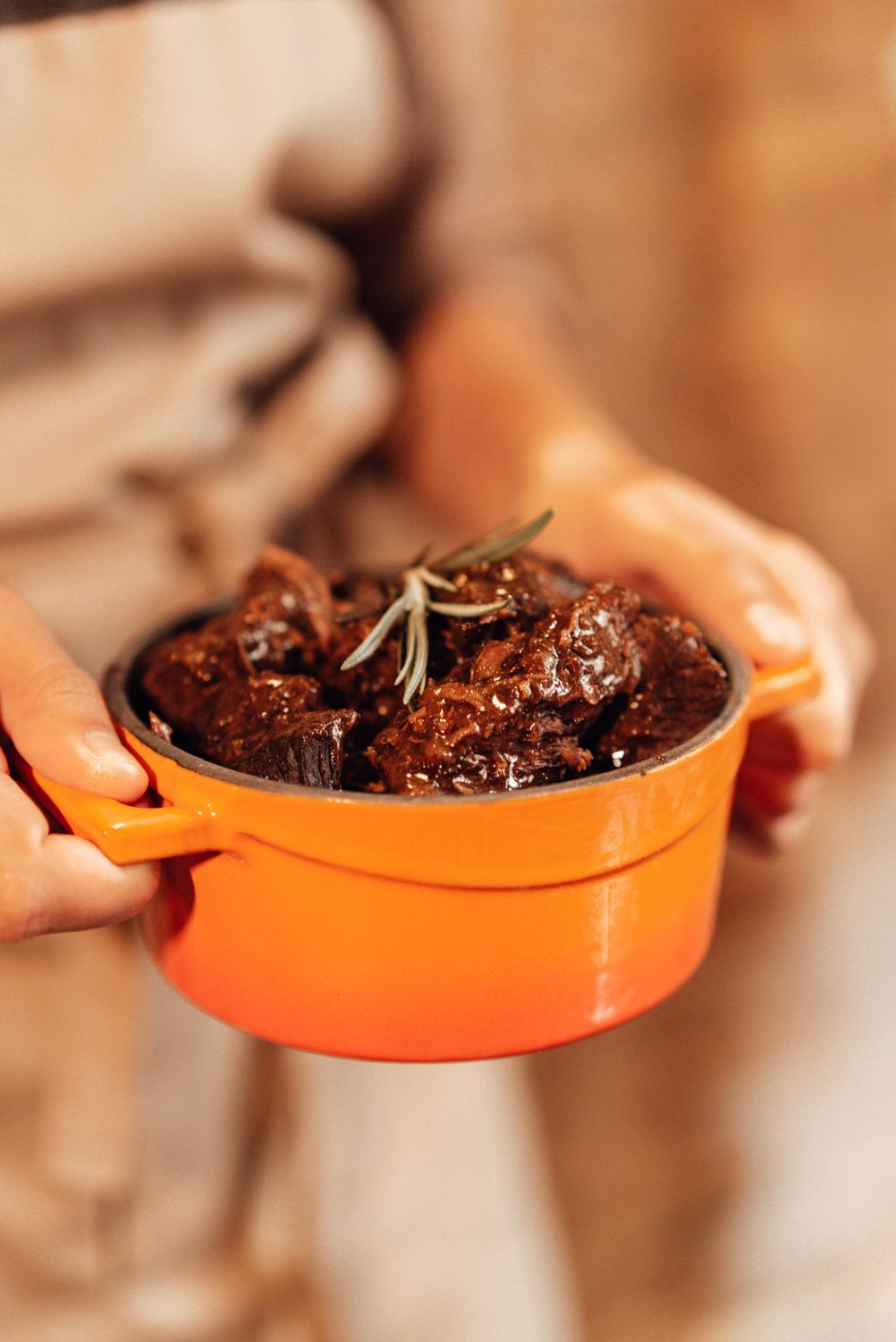
Hungarian Goulash
Hungarian goulash is often misunderstood outside Hungary.
Many American versions arrive as a thick, tomato-heavy dish, but traditional Hungarian gulyás is closer to a soup or soup-stew. It grew out of meals prepared by cattle herders on the Hungarian plains and centers on beef, onions, broth, and paprika.
The Smithsonian reports that goulash began as a humble dish cooked over open fires by Hungarian herdsmen. Paprika later became closely tied to the stew and helped make it an international symbol of Hungarian cooking. Smithsonian Magazine’s history of goulash explains the dish’s pastoral roots and paprika’s rise in Hungarian cuisine.
Related: 8 Meats You Should Never Grill
Potatoes and other root vegetables often make the meal more substantial. Serve it with bread or noodles to catch the broth. Its flavor comes from patience, onions and paprika, not from a crowded ingredient list.
Beef and Stout Stew
Traditional Irish stew is usually made with lamb or mutton, potatoes and onions, rather than beef and stout. Bord Bia, Ireland’s food board, presents a traditional Irish stew built around lamb, onions, root vegetables and potatoes.
Beef and stout stew is a related pub-style variation, built for cooks who want a darker, more robust beef braise. The stout adds roasted, bittersweet notes to the broth, while carrots, onions and potatoes bring familiar cold-weather comfort.
The beer should support the stew, not dominate it. After a long simmer, the finished pot should taste savory and rounded, with the beef and vegetables still leading the way.
Serve it with mashed potatoes, boiled potatoes, or brown bread. It is a good choice when the weather calls for something hearty, but the pantry does not hold a bottle of red wine.
New England Yankee Pot Roast
Yankee pot roast sits between a roast dinner and a stew. A larger cut of beef, often chuck, is browned and braised slowly with potatoes, carrots, onions, and other root vegetables. The beef can be sliced or pulled apart when tender, while the vegetables and broth turn the pot into a complete meal.
No need to make it ornate. The appeal lies in a single pot, slow oven or stovetop cooking, and the way the vegetables absorb the broth as the beef cooks.
The result sits somewhere between a roast dinner and a stew: tender beef, soft vegetables and a rich broth that turns the whole pot into a complete cold-weather meal. It is the kind of dinner that needs little more than bread on the table. Serve it in shallow bowls with bread, or bring the pot straight to the table for a simple, substantial fall dinner.
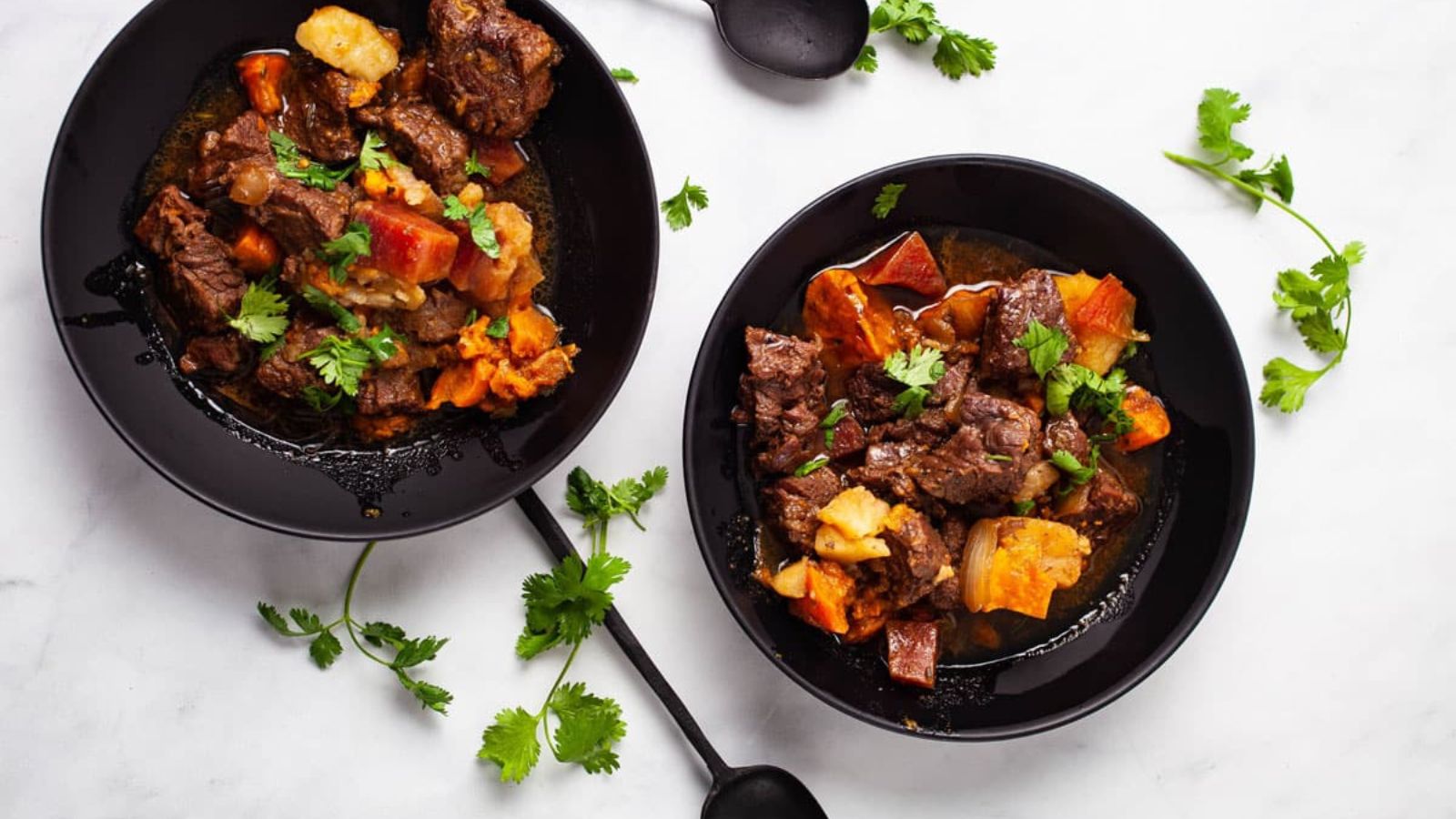
Belgian Carbonnade Flamande
Carbonnade flamande is a Flemish beef stew built around slow-braised beef, onions, and dark beer. Where boeuf bourguignon turns to red wine, carbonnade leans into the malty character of Belgian ale. Many versions also include mustard and a sweet element such as brown sugar, creating a balance of savory, gently sweet, and bitter flavors.
At its core, carbonnade flamande is a slow-cooked beef stew built around dark beer and onions. As the beef braises, the beer gives the sauce a malty depth while the onions soften into the broth. The classic accompaniment is frites, though boiled potatoes, buttered noodles or anything that can catch the rich sauce. The key is having something ready to soak up the sauce.
Southern Brunswick Stew
Brunswick stew is a Southern classic with a disputed origin story.
Brunswick, Georgia, and Brunswick County, Virginia, both claim it. The New Georgia Encyclopedia notes that the Georgia claim centers on a historic iron pot and a local tradition of communal outdoor cooking. In contrast, the competing Virginia claim remains part of the stew’s history. The New Georgia Encyclopedia’s account of Brunswick stew details the competing origin stories.
Earlier versions used game meat. Modern Brunswick stew often uses chicken, pork, beef, or a combination, along with tomatoes, corn, beans, and other vegetables.
A beef-focused version should be thick, tomato-forward, and substantial enough to serve with cornbread. It is less like a delicate European braise and more like a communal Southern supper in a bowl.
Classic American Beef Stew
Classic American beef stew may be the most adaptable entry on this list.
It usually begins with chunks of beef, potatoes, carrots, and onions simmered in broth. Flour may thicken the liquid, while tomato paste, Worcestershire sauce, herbs, or peas may appear depending on the cook and the household.
No single version defines it, which is exactly why it remains useful. You can make it from a written recipe, adjust it from memory, or shape it around what needs using in the refrigerator.
The strength of classic beef stew is not a signature wine or spice. It is familiarity. A good pot delivers tender beef, soft vegetables, and a broth that feels complete with a spoon and a piece of bread.
What Great Stew Has in Common
Across these styles, browning the beef before adding liquid is a worthwhile step.
Cook the beef in batches rather than filling the pot all at once. That gives the pieces room to brown. Once you remove the meat, you can cook onions and aromatics in the same pot before adding wine, beer, broth, or tomatoes to loosen the browned bits.
Then comes the essential part: time.
A stew doesn’t need constant attention, but it does need a gentle simmer long enough for tougher cuts of beef to tenderize and for the broth to develop depth.
Choose the version that suits your pantry. Red wine suggests bourguignon. Paprika points toward goulash. Dark beer makes carbonnade or a stout stew appealing. And when all you have is beef, potatoes, carrots, and a few unhurried hours, classic American beef stew is more than enough.