8 Foods Grandma Canned Herself That Families Now Buy at the Store
Once, a well-stocked American pantry might have held rows of glass jars filled with peaches, green beans, tomatoes, pickles, and homemade jam. For many families, these jars represented months of preparation, with summer and fall harvests carefully preserved to provide food long after gardens stopped producing.
Home canning was more than a way to prepare meals. It helped families make use of seasonal produce, preserve food for winter, and reduce waste when fresh ingredients were plentiful. During the Great Depression and World War II, home food preservation also became part of broader efforts to stretch household resources and support home food production.
Today, many families simply pick up canned vegetables, fruit, applesauce, and jam at the supermarket. Home canning has not disappeared, but the convenience of commercial food production means fewer households need to preserve large quantities of food themselves.
For Americans who remember visiting Grandma’s kitchen, these eight foods may bring back memories of bubbling pots, sticky countertops, handwritten recipes, and shelves lined with jars waiting to be opened.
Peaches and Pears
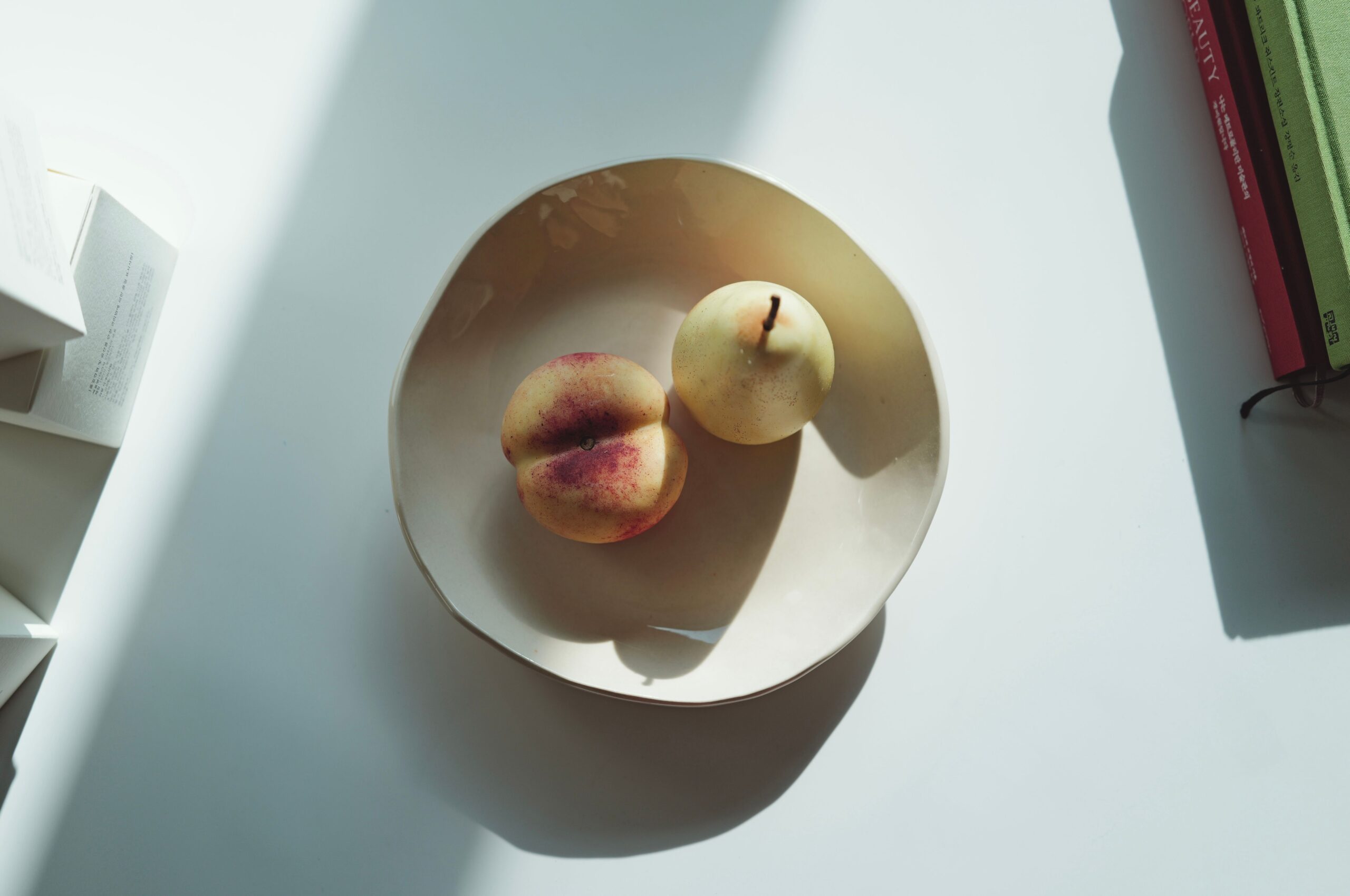
Before canned peaches became an inexpensive supermarket staple, some families preserved fresh peaches and pears at home when the fruit was in season.
The process often began with baskets of ripe fruit. They peeled peaches, halved them, and packed them into jars with syrup or another suitable liquid. Pears could be prepared similarly. The sealed jars were then processed using an appropriate canning method.
For families with backyard fruit trees, orchards, or local farms, preserving fruit let them enjoy the harvest months after picking season ended.
Imagine opening a jar in January and spooning golden peach halves over biscuits, oatmeal, or homemade cake. That simple pleasure kept fruit canning a familiar household tradition. Today, supermarkets offer canned peaches and pears in syrup, juice, or water, eliminating much of the preparation.
Green Beans
Fresh green beans were a natural choice for families who grew vegetables in backyard gardens. When plants produced more beans than a household could eat right away, preserving the extra harvest extended its usefulness.
Grandmothers might gather beans in a large bowl, snap off the ends, cut them into smaller pieces, and pack them into jars for storage. Several family members could help, especially when a garden produced a large crop.
Green beans also became a significant part of America’s wartime home-preservation culture. The USDA’s National Agricultural Library documents how home canning expanded during World War II as families planted Victory Gardens and helped supplement the nation’s food supply. Canning Through the World Wars
Modern shoppers can find green beans canned, frozen, and ready to cook. What once required harvesting, preparation, jars, and canning equipment can now take only a few minutes at the grocery store.
One important distinction remains: green beans are low-acid vegetables, so safe home canning requires a pressure canner and a tested recipe. A boiling-water bath isn’t a safe substitute.
Tomatoes and Tomato Sauce
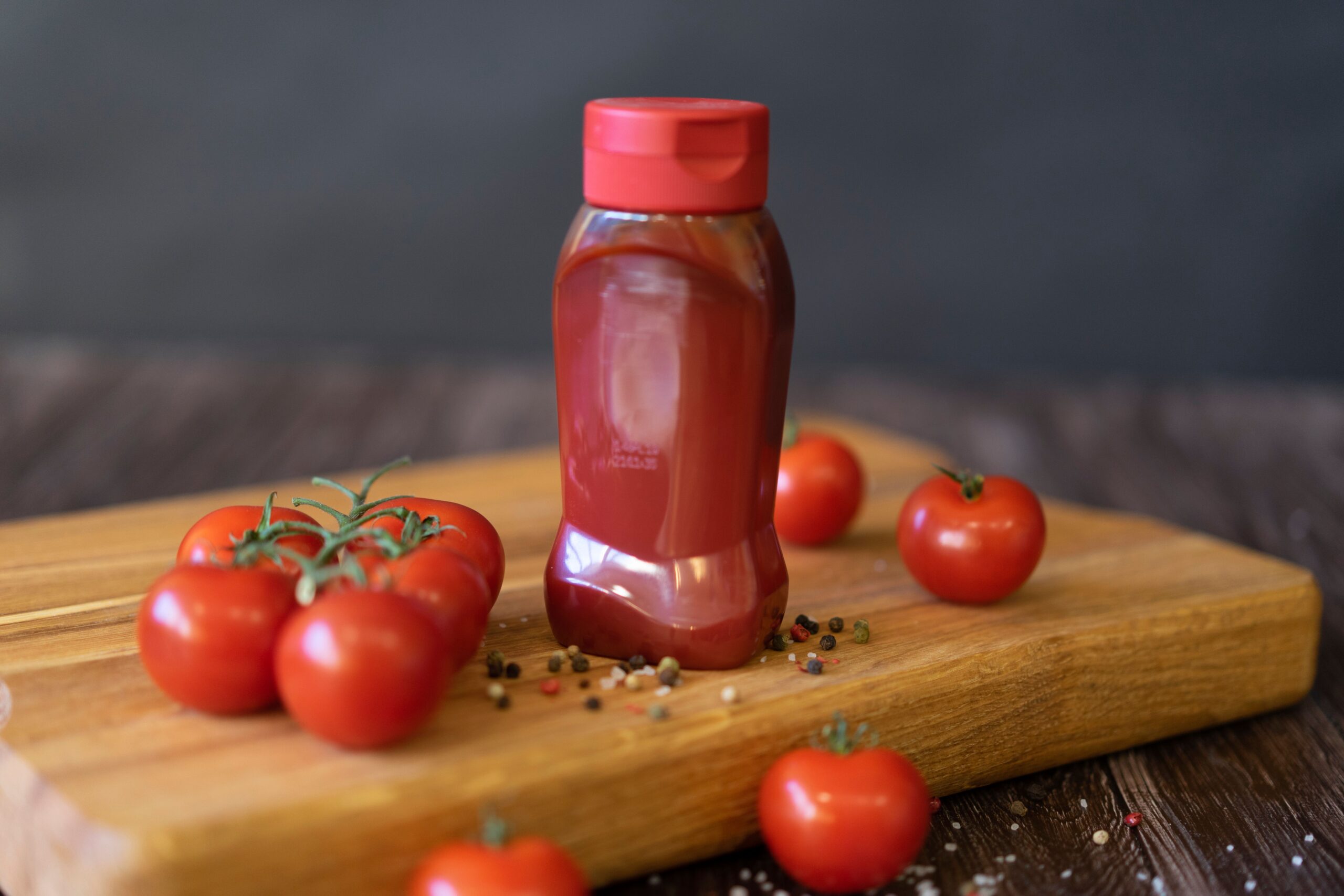
Tomatoes can turn a summer garden into a year-round supply of meal ingredients. Families often preserved whole tomatoes, crushed them, or made tomato sauce for later use in soups, stews, and pasta dishes. A kitchen might fill with the smell of simmering tomatoes while jars sat nearby, ready to be filled.
This was particularly useful when tomato plants produced fruit faster than a family could eat it fresh. Rather than letting ripe tomatoes go to waste, home cooks could preserve part of the harvest for colder months.
Today, supermarket shelves offer whole peeled tomatoes, crushed tomatoes, tomato puree, and prepared sauces. These products make it easier to prepare familiar dishes without spending an afternoon processing fresh produce.
However, tomatoes are not automatically acidic enough for every home-canning method. Modern USDA guidance requires appropriate acidification and tested processing procedures when necessary.
Strawberry and Grape Jam or Jelly
Few foods evoke an old-fashioned American breakfast quite like homemade jam. Families could turn strawberries, grapes, and other fruits into jams, jellies, and preserves. Depending on the recipe, the fruit was crushed, strained, or cooked with sugar and other ingredients to create a spread that could be stored for later use.
Making preserves was also a practical way to use fruit in abundance during the season. A batch of strawberry jam could add sweetness to toast, biscuits, sandwiches, and desserts long after strawberry season passed.
The process often became a family ritual: washing fruit, stirring a bubbling pot, filling jars, and wiping sticky drips off the counter. People might write recipes in a notebook and adjust them over the years to suit individual tastes.
Supermarkets now offer countless varieties of jam and jelly, from familiar grape jelly to strawberry preserves with visible fruit pieces. Yet homemade preserves still appeal to people who want to control ingredients, use locally grown fruit, or recreate a family recipe.
Pickles and Relishes
Cucumbers can produce an impressive harvest, making them a popular choice for home preservation. Instead of eating them all fresh, families could transform them into dill pickles, sweet pickles, or relishes.
The preparation depended on the recipe. Pickling could involve vinegar, salt, spices, and other ingredients, and the finished product could serve as a sharp, tangy accompaniment to sandwiches, burgers, and family meals.
Pickles also illustrate an important point about traditional food preservation: not every recipe was identical. Some pickled foods were fermented, while others were preserved using vinegar-based brines. The methods are related but not interchangeable.
Modern supermarkets carry dill spears, bread-and-butter chips, sweet relish, and specialty pickles in a wide range of flavors. Home cooks can still make their own, especially when cucumbers are abundant in summer.
For anyone recreating an old family recipe, tested preservation instructions matter. The acidity and processing method must match the specific recipe.
Applesauce
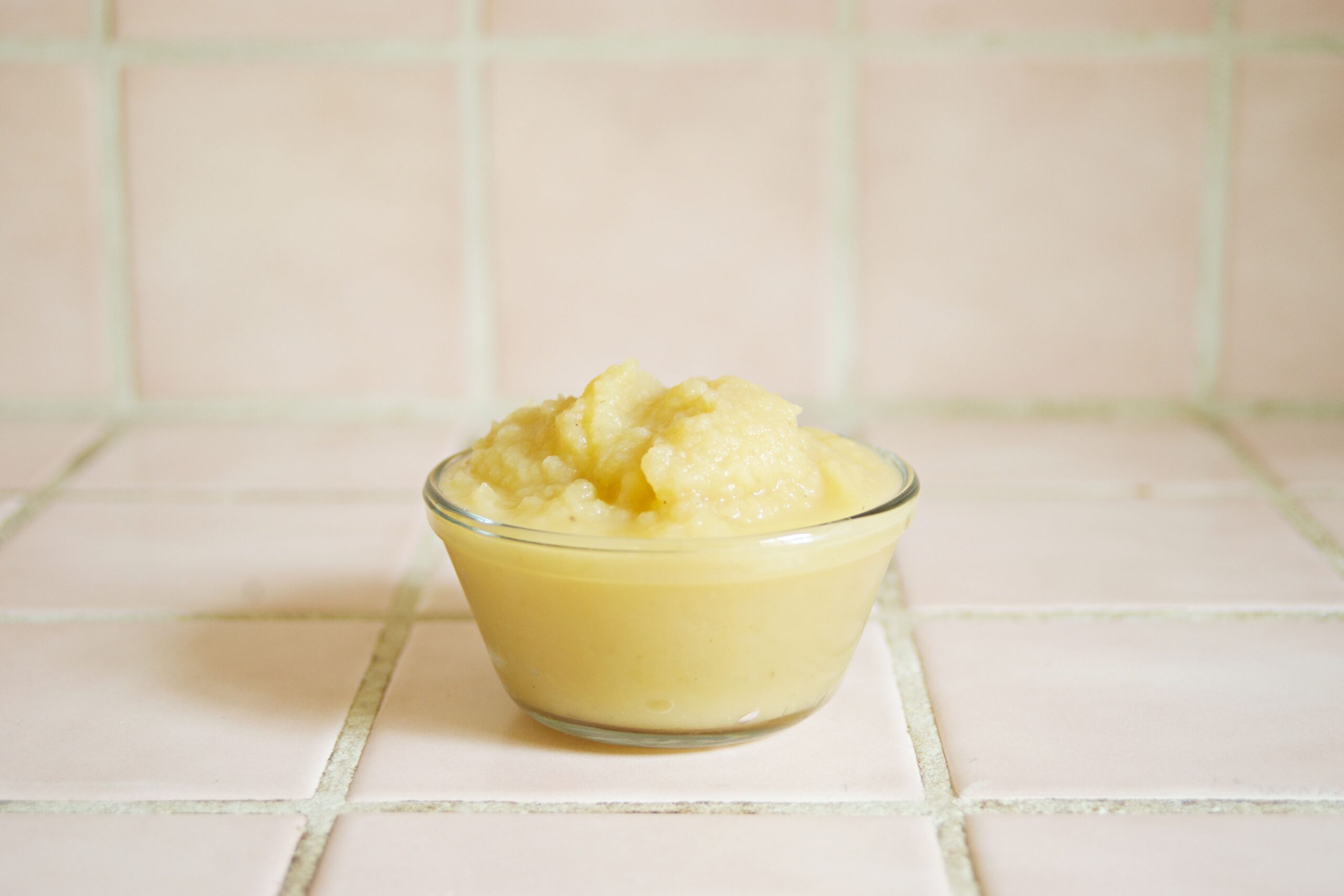
When apple season arrived, families with access to orchards or inexpensive local fruit could restock their pantries. Applesauce was a practical choice because it could be served as a side dish, used in baking, or enjoyed as a simple snack. Home cooks could soften apples by cooking them, mash or process the fruit, and preserve the finished sauce with a tested canning recipe.
The appeal was its versatility. A jar could accompany a weeknight dinner or become an ingredient in cakes and other baked goods. Today, applesauce comes in jars, cans, squeeze pouches, and individual snack cups. Many products require no preparation beyond opening the package.
That convenience is a considerable change from the days when preserving a large quantity of apples could involve peeling, chopping, cooking, and cleaning up a kitchen full of equipment.
Corn
Sweet corn was another crop that could challenge families growing their own food. When several ears ripened at once, the household needed to eat, share, or preserve the surplus. Some families preserved corn kernels for later meals, while others used other methods, including drying or freezing when equipment allowed.
The historical record offers an interesting detail: during World War II, government guidance did not treat every crop as equally suitable for canning. The National Park Service notes that wartime recommendations sometimes favored drying corn because canning could make it hard to maintain quality. This is a useful reminder that old-fashioned preservation wasn’t simply about putting every garden vegetable into a jar.
Today, canned and frozen corn are common supermarket staples, ready for soups, casseroles, salads, and side dishes. Home canning remains an option, but corn is a low-acid food that must be processed using a tested pressure-canning method.
Fruit Pie Fillings
Some home cooks preserved fruit in a form that made future baking easier: pie filling. Depending on the recipe, they could be prepared with ingredients such as sugar and spices. Preserved filling could later become a dessert centerpiece without requiring the cook to start with fresh fruit.
This was especially useful during busy periods or when a family wanted to make seasonal fruit last. A pantry jar could help turn an ordinary meal into a homemade dessert with less work on the day it was served.
Modern supermarkets sell canned apple, cherry, and other pie fillings, along with frozen fruit and ready-made desserts. Home cooks can also prepare fillings themselves, following tested recipes designed for safe preservation.
The nostalgic appeal is easy to understand: a jar of fruit saved months earlier could become a warm pie shared around the family table.
Why Home Canning Became Less Necessary for Many Families
Home canning reached remarkable levels during World War II. The USDA’s National Agricultural Library records that more than 4.1 billion jars were canned in homes and community canning centers in 1943. Families were encouraged to grow Victory Gardens and preserve their harvests while the country faced wartime shortages and rationing.
Over time, grocery-store availability, commercial food processing, refrigeration, and home freezers gave families more ways to store and prepare food. Buying a can of peaches or a jar of pickles became a convenient alternative to preparing everything at home.
Still, home canning has not disappeared. Some households continue the tradition of using garden produce, preserving local harvests, maintaining family recipes, or enjoying the satisfaction of making food from scratch.
One safety note: Anyone returning to home canning should follow current USDA or university-approved instructions rather than relying solely on old family recipes. Improperly preserved foods can cause serious illness, and low-acid vegetables require particular care.
Conclusion
Peaches, green beans, tomato sauce, jam, pickles, applesauce, corn, and pie fillings all remind us of a time when preserving the harvest was an important household skill.
For some American families, these foods bring back memories of grandparents who spent summer afternoons preparing jars for the months ahead. For others, they offer a glimpse into how earlier generations made seasonal produce last and reduced the work needed to feed a household.
Today, supermarket shelves have made these foods easier to buy than ever. But for families who still preserve their own harvests, the tradition lives on, one jar at a time.