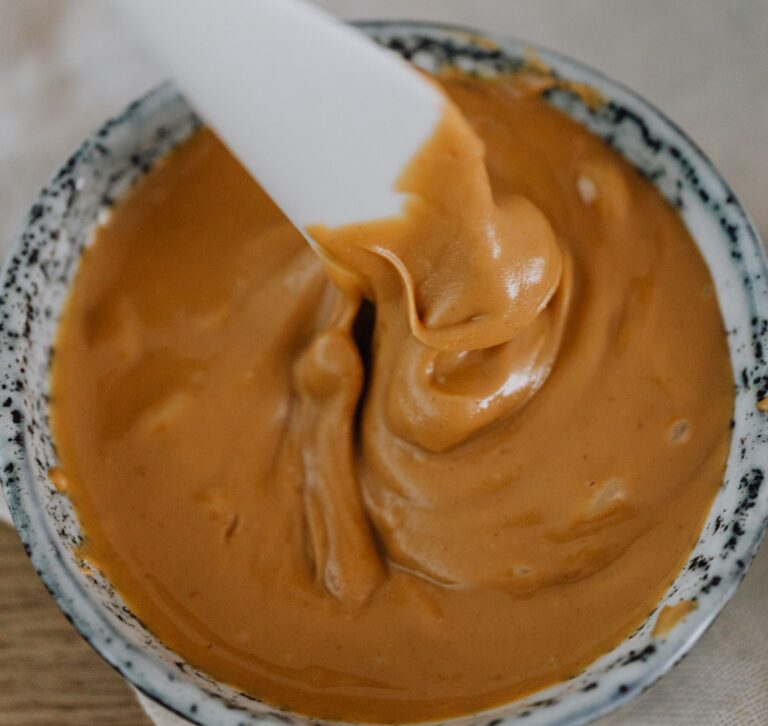
8 Foods You Must Eliminate to Protect Your Liver from Fatty Disease
A fatty liver is a condition where excess fat builds up in the liver cells, which can lead to serious health issues, including liver damage, cirrhosis, and even liver failure. Fatty liver disease (FLD) is a growing concern worldwide, and it’s often linked to unhealthy eating habits, obesity, and a lack of physical activity. If you’ve been diagnosed with fatty liver, it’s essential to make dietary changes to protect your liver’s health.
In this article, we will take a look at eight common foods you need to stop eating if you have a fatty liver. By cutting out these items, you can significantly improve your liver health and prevent further damage. Let’s dive into these foods and why they should be avoided.
Fried Foods
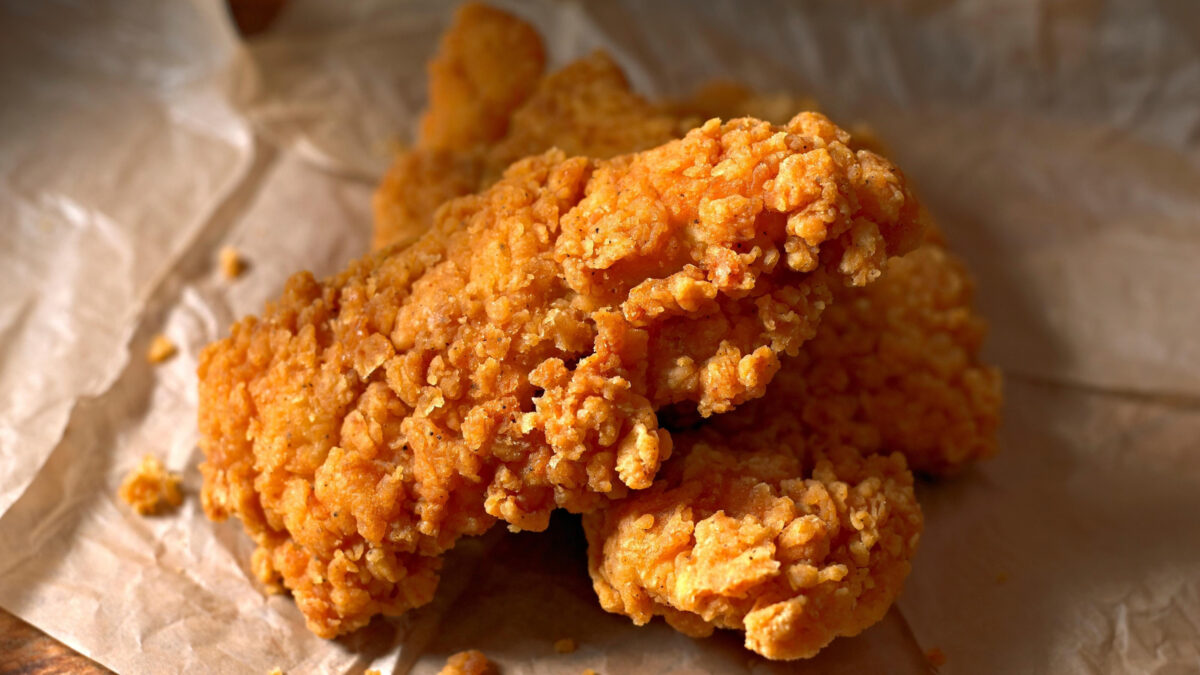
Fried foods are typically loaded with unhealthy fats, especially trans fats, which can worsen fatty liver disease. When foods like French fries, fried chicken, and deep-fried snacks are consumed in large quantities, the excessive unhealthy fats can promote fat accumulation in the liver. These fats can increase the risk of liver inflammation and impair its proper function.
Moreover, fried foods are often high in calories, contributing to weight gain and obesity, two major risk factors for fatty liver. By switching to grilled, baked, or steamed options, you can significantly reduce the burden on your liver.
Sugar-Sweetened Beverages
Sugary drinks, such as sodas, sweetened teas, energy drinks, and fruit juices with added sugar, are among the worst offenders for liver health. These beverages are high in fructose, a type of sugar that, when consumed in large quantities, can contribute to fat buildup in the liver.
Research has shown that excessive sugar intake can lead to non-alcoholic fatty liver disease (NAFLD), which is a condition where fat accumulates in the liver without alcohol consumption. Fructose is processed by the liver and can contribute to insulin resistance, liver inflammation, and the development of liver fibrosis. Instead, opt for water, herbal teas, or sugar-free drinks to keep your liver in good shape.
Alcohol
While it’s no secret that alcohol can damage the liver, its effect on individuals with fatty liver disease is even more pronounced. Alcohol consumption is a major cause of alcoholic fatty liver disease (AFLD), and it can accelerate the progression of liver damage in individuals with NAFLD. Drinking alcohol can lead to increased fat accumulation in liver cells and cause inflammation, which can eventually result in liver cirrhosis.
If you have a fatty liver, it’s advisable to avoid alcohol altogether. The liver is responsible for metabolizing alcohol, and drinking puts additional strain on this vital organ. Even small amounts of alcohol can worsen fatty liver symptoms and hinder the healing process.
Refined Carbohydrates
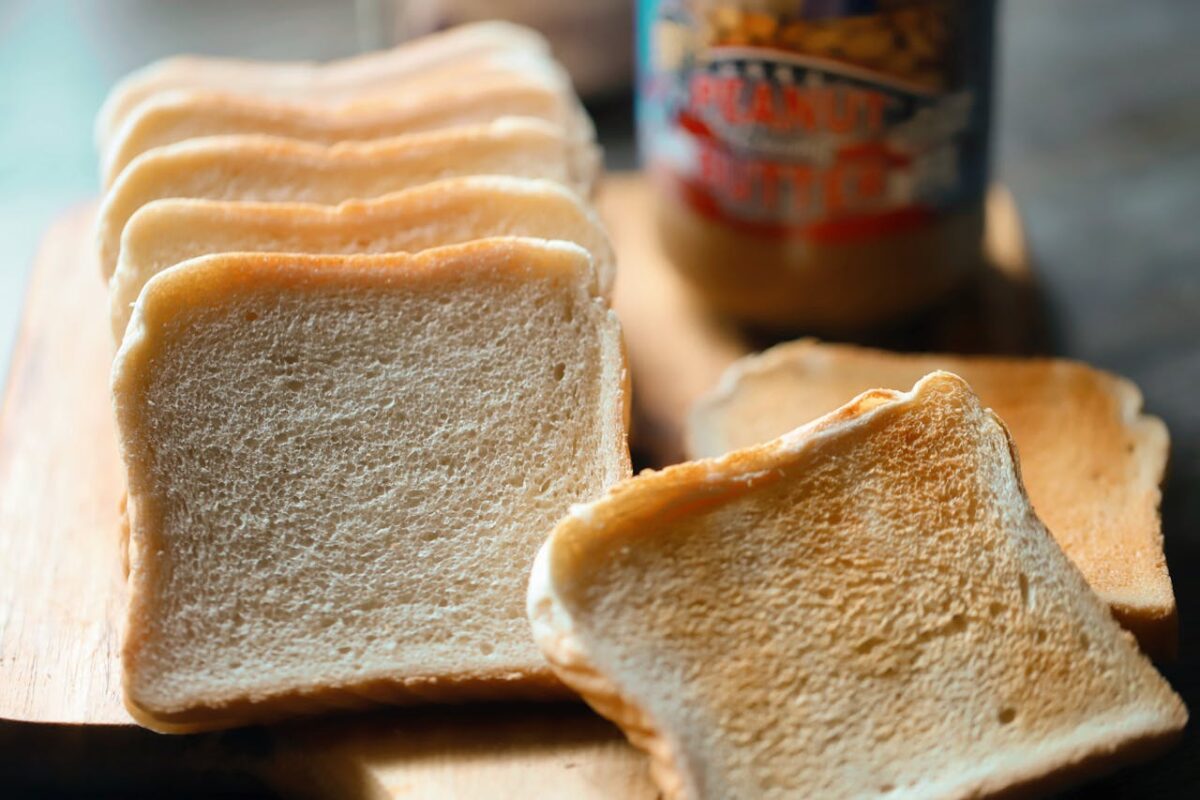
Refined carbohydrates, such as white bread, white pasta, pastries, and cakes, are low in fiber and high in simple sugars, which can be detrimental to liver health. These processed foods cause rapid spikes in blood sugar levels, which can lead to insulin resistance, a key factor in the development of fatty liver disease.
When your body becomes insulin-resistant, it can no longer efficiently process sugar, leading to increased fat storage in the liver. To support liver health, choose whole grains, such as brown rice, quinoa, and whole-wheat bread, which provide fiber and help regulate blood sugar levels.
Processed Meats
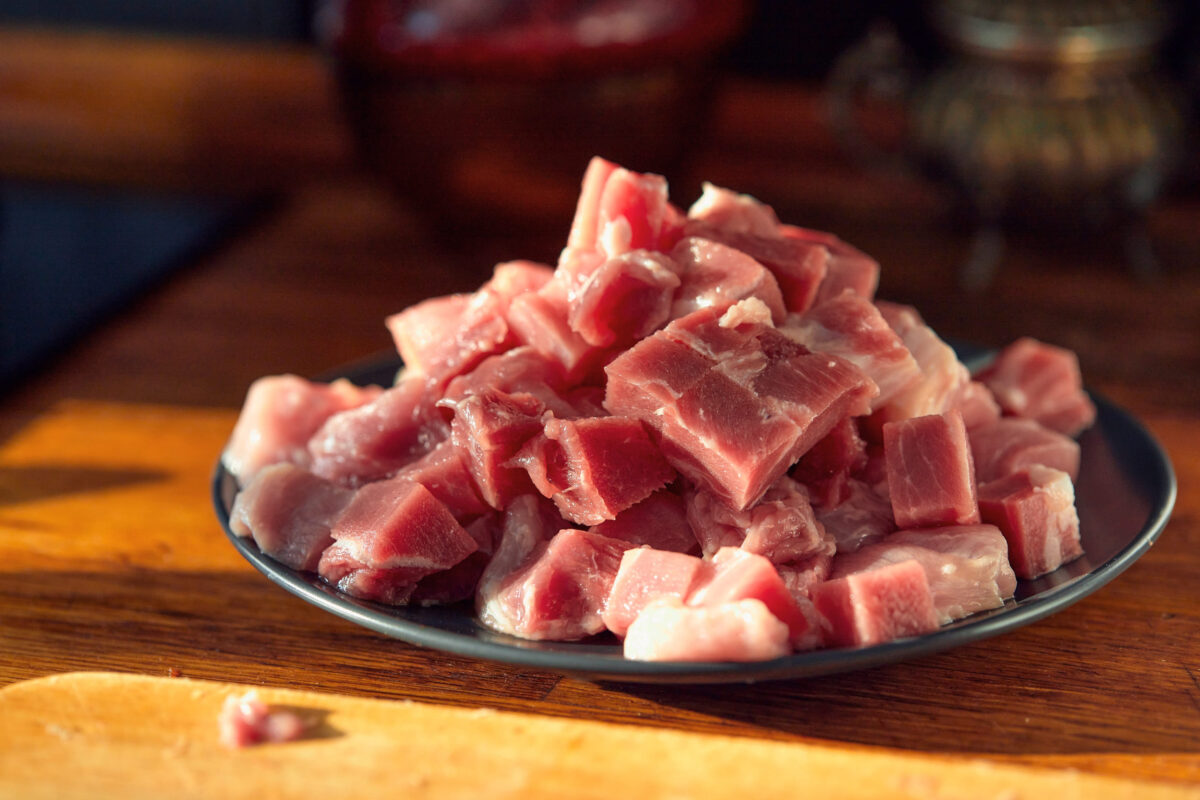
Processed meats, such as sausages, hot dogs, bacon, and deli meats, are packed with unhealthy fats, salt, and preservatives, making them a poor choice for individuals with fatty liver disease. These meats are not only high in saturated fats but also contain nitrates and other chemicals that can contribute to liver inflammation.
Moreover, processed meats are often linked to obesity, heart disease, and metabolic syndrome, which are all risk factors for fatty liver. Instead of processed meats, consider lean protein sources like chicken, turkey, or plant-based options like beans and legumes to support liver health.
Full-Fat Dairy Products
Dairy products such as whole milk, cream, and full-fat cheeses are high in saturated fat, which can exacerbate fatty liver disease. Saturated fats can increase liver inflammation and contribute to the accumulation of fat in liver cells, worsening the condition over time.
If you have a fatty liver, it’s important to choose low-fat or fat-free dairy alternatives. Opt for skim or plant-based milk, such as almond or oat milk, and select low-fat cheeses and yogurt. These options provide essential nutrients without the harmful effects of saturated fats.
Salty Foods
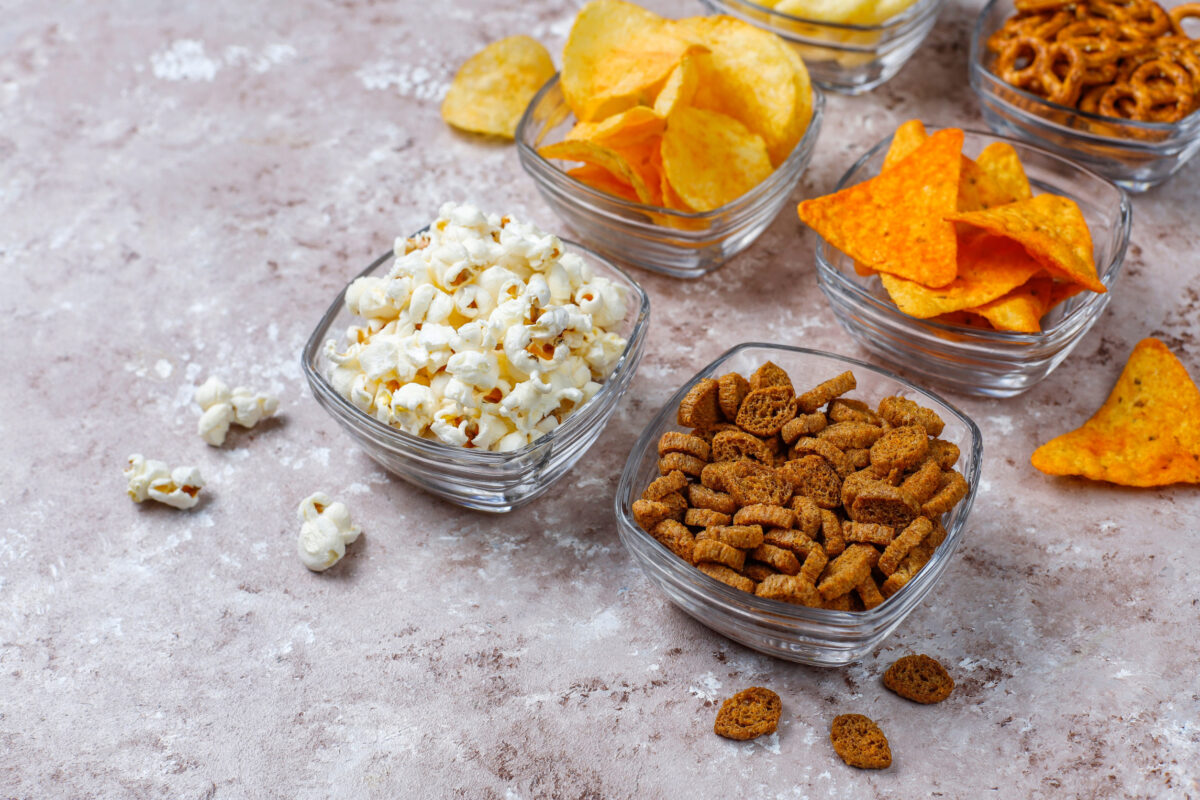
Excessive salt intake can raise blood pressure, contribute to water retention, and strain the liver. People with fatty liver disease are often more susceptible to the negative effects of salt because their liver is already struggling to process and detoxify the body efficiently.
Foods like chips, pretzels, canned soups, and processed snacks are typically high in sodium and should be avoided. Instead, try seasoning your meals with herbs and spices to enhance flavor without adding extra salt. Limiting your salt intake can help reduce the risk of liver damage and improve overall health.
Canned and Packaged Foods
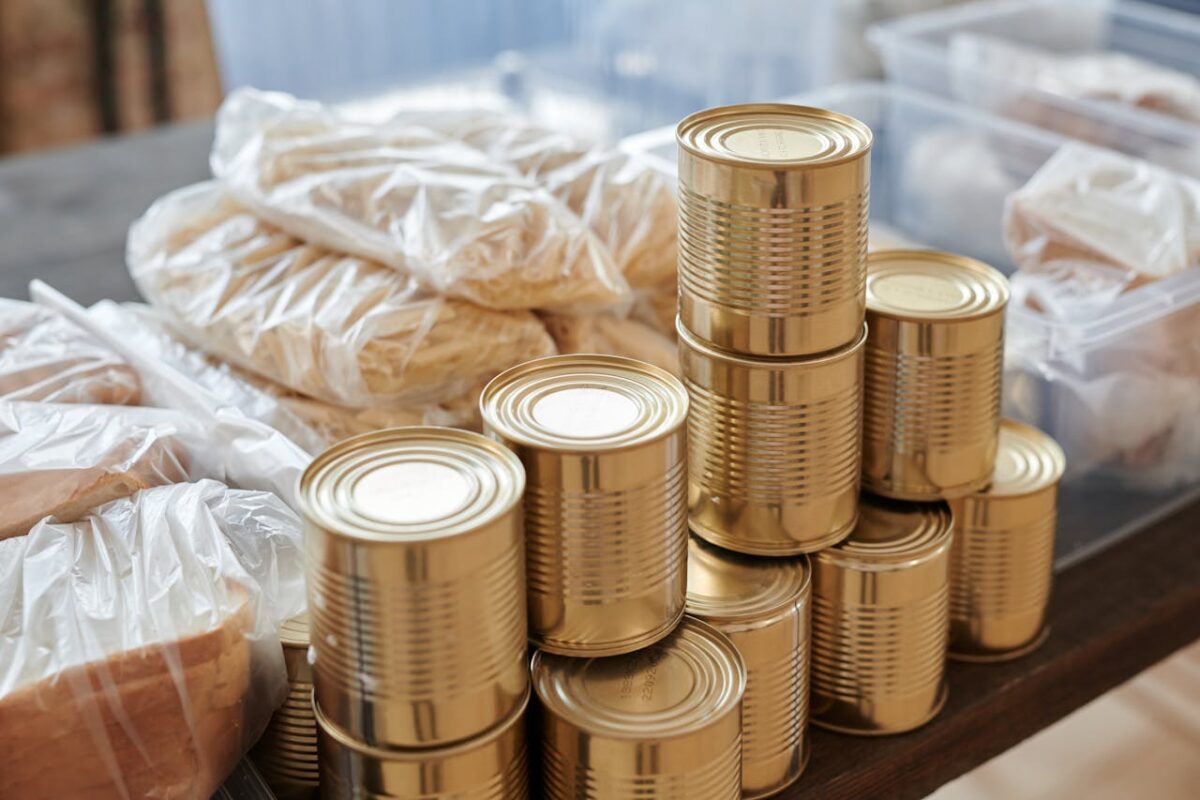
Canned and packaged foods, such as ready-to-eat meals, soups, and snacks, are often filled with unhealthy fats, added sugars, artificial additives, and preservatives. These foods are not only low in nutrients but also contribute to weight gain, which is a significant risk factor for fatty liver.
Many canned and packaged foods also contain high amounts of sodium, which, as mentioned earlier, can worsen liver function. To protect your liver, focus on fresh, whole foods like fruits, vegetables, lean proteins, and healthy fats. Cooking at home allows you to control the ingredients and avoid hidden additives that could harm your liver.
Conclusion
When managing fatty liver disease, your diet plays a critical role in supporting liver function and preventing further damage. By reducing or eliminating consumption of the foods mentioned above, you can help your liver heal and function optimally. A balanced diet that includes fresh, whole foods, healthy fats, lean proteins, and plenty of fiber is essential for reducing the strain on your liver and improving overall health.
Remember, fatty liver disease doesn’t have to be a life sentence. By making mindful food choices and adopting a healthier lifestyle, you can manage and even reverse the effects of fatty liver disease. Always consult with a healthcare professional or nutritionist to create a personalized plan that works best for you. What dietary changes have you made to improve your liver health, and how have they worked for you?