8 Canned Tunas Ranked From Worst to Best: Which Ones Deserve a Spot in Your Pantry?
Canned tuna is a grocery staple that rarely gets attention until lunchtime. It is convenient, versatile, and easy to turn into everything from a classic tuna sandwich to a comforting pasta dinner. But with so many brands competing for shelf space, choosing the right can is not always as simple as grabbing a familiar label.
We compared eight canned tuna products based on their manufacturers’ published information, including ingredients, packing methods, and processing techniques. This editorial ranking considers versatility, product characteristics, and what makes each variety stand out. It is not based on an independent blind taste test, and even the lower-ranked options have their place in the kitchen.
Chicken of the Sea Chunk Light Tuna in Water
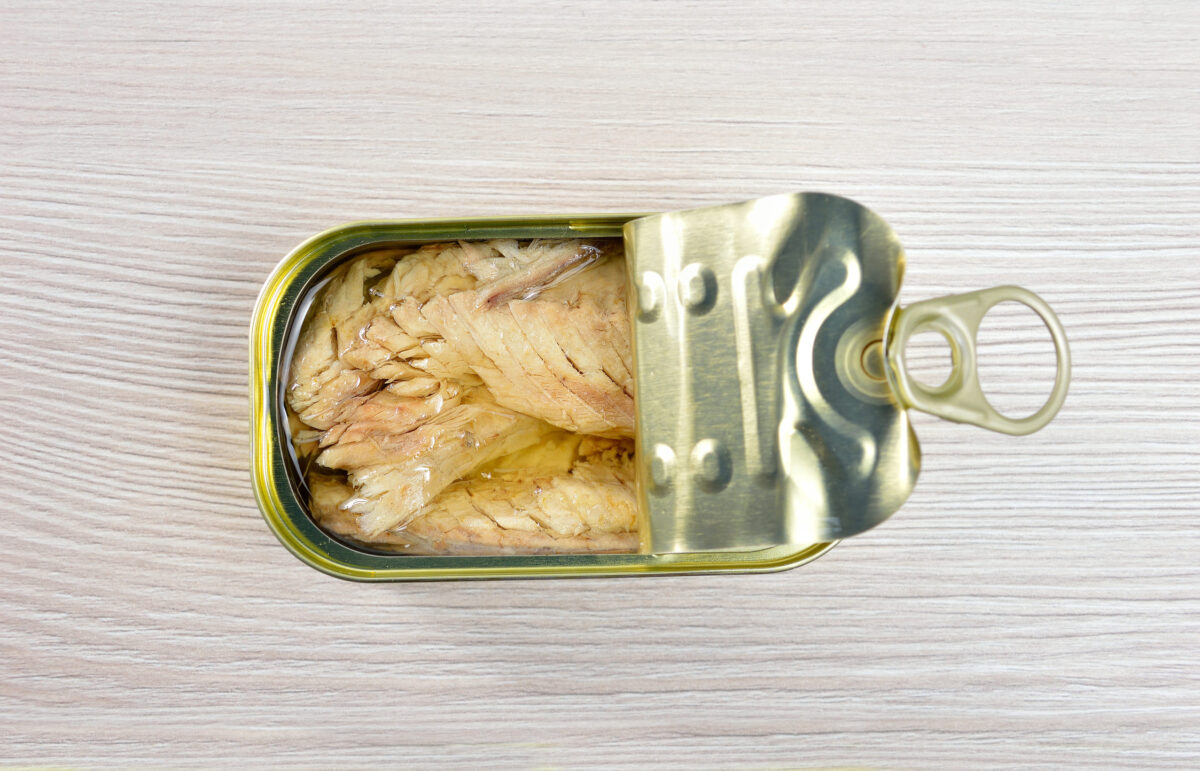
Chicken of the Sea is a familiar name in the canned seafood aisle, and its Chunk Light Tuna in Water remains a straightforward option for everyday meals. The company identifies the product as wild-caught tuna packed in water, with vegetable broth and salt among its ingredients. It is available in several package sizes, including the standard 5-ounce can.
The biggest limitation is that this variety emphasizes convenience and versatility over a distinctive presentation. Its chunk-light format makes it easy to mix with mayonnaise, chopped celery, or seasonings, especially when the fish isn’t meant to be the meal’s centerpiece.
That doesn’t make it a bad purchase. However, shoppers looking for a simpler ingredient list or a more substantial tuna presentation may find stronger options elsewhere.
StarKist Chunk Light Tuna in Water
StarKist Chunk Light Tuna in Water is another pantry classic that earns its place through convenience and flexibility. According to the brand, this wild-caught tuna has a mild flavor and works in everything from chilled tuna salads to baked casseroles. The product also comes in multiple can sizes.
Its biggest appeal is how easily it fits into familiar recipes. When preparing tuna melts, sandwiches, or a quick casserole, a mild-flavored option makes it easy to control the final dish with your preferred ingredients.
However, that same simplicity keeps it toward the bottom of this ranking. It is a sensible everyday choice, but shoppers searching for a more distinctive tuna experience may prefer a premium albacore or olive oil-packed alternative. For heavily seasoned recipes, though, the standard version remains a practical contender.
StarKist Chunk Light Tuna in Water, 25% Less Sodium
This StarKist variety takes the familiar chunk-light formula and offers shoppers another option within the same product family. The company says its 25% Less Sodium version contains 270 milligrams of sodium per 5-ounce can, compared with 360 milligrams in the regular version.
From a cooking perspective, it fills much the same role as the original. It can be mixed into sandwiches, combined with pasta, or used in a casserole without requiring an entirely different approach to preparation.
Its advantage is the flexibility it offers shoppers who prefer to control how much seasoning goes into their meals. Still, it remains conventional water-packed chunk-light tuna, so it lacks the premium fillet presentation found higher on this list.
Bumble Bee Solid White Albacore in Water
Bumble Bee’s Solid White Albacore in Water represents a noticeable change from the chunk-light varieties below it. Rather than emphasizing smaller pieces of tuna, the product uses solid white albacore, making it an appealing choice for recipes where the fish should have a more substantial presence.
That distinction matters when preparing a tuna sandwich with relatively few ingredients. A solid-white variety can be especially appealing to shoppers who want recognizable pieces of fish rather than tuna that disappears into the dressing.
Bumble Bee markets this product for several preparations, including casseroles, tacos, and wraps. It earns a middle position because of its versatile solid-white format, though people who prefer chunk tuna may still favor the alternatives ranked below.
Related: time-saving-canned-foods-that-taste-amazing/
Bumble Bee Prime Solid White Albacore in Water
Bumble Bee Prime takes the company’s albacore offering a step further by emphasizing carefully selected white tuna fillets. According to Bumble Bee, this 5-ounce product contains just three ingredients: white tuna, water, and sea salt.
That short ingredient list is one of its biggest selling points. It gives shoppers a straightforward product for recipes where they want the tuna to contribute much of the character, rather than relying entirely on sauces or additional seasonings.
The Prime variety also makes sense for simple lunches involving crackers, vegetables, or toasted bread. It ranks above the standard Bumble Bee offering because it offers a premium fillet selection, though the manufacturer’s description alone doesn’t mean everyone will prefer its taste.
Safe Catch Elite Wild Tuna
Safe Catch Elite Wild Tuna stands apart because the company places strong emphasis on how it selects and processes its fish. The brand identifies this product as skipjack tuna and says it tests each tuna for mercury, applying its own limits.
Beyond those testing practices, Safe Catch highlights its preparation approach. The company describes hand-cut, hand-packed fish cooked once rather than using a conventional twice-cooked process.
For shoppers interested in production methods, these details provide a meaningful point of difference. Elite Wild Tuna ranks highly because the company offers unusually specific information about its processing, though that doesn’t automatically mean superior flavor.
Genova Premium Yellowfin Tuna in Olive Oil
Genova’s Premium Yellowfin Tuna in Olive Oil brings something different to the table. Unlike the water-packed format found in many everyday canned tunas, this product combines yellowfin tuna with olive oil, making it an appealing option for dishes where the packing oil becomes part of the finished preparation.
This tuna is ideal for Mediterranean-inspired pasta, a simple salad, or a plate of tuna served with bread. The olive oil provides another ingredient to work with, potentially reducing the need to prepare an elaborate dressing from scratch.
Genova identifies its 5-ounce Premium Yellowfin Tuna in Olive Oil as one of its leading products. Its appeal lies in the combination of yellowfin tuna and an oil-packed format that suits recipes where the fish takes center stage. Shoppers should also note that Genova announced recalls affecting specific tuna lots in 2025, so it’s still important to check any potentially affected cans.
Wild Planet Albacore Wild Tuna, No Salt Added
Wild Planet ranks first for its distinctive packing and cooking process. According to the company, its No Salt Added Albacore Wild Tuna contains hand-cut, hand-packed tuna steaks cooked directly in the can in a single step.
Unlike conventional varieties packed in added water or oil, this product contains tuna without either ingredient being added. Wild Planet says the fish cooks in its natural juices, so you don’t have to drain any separate packing liquid.
Wild Planet earns first place because its preparation method and minimal ingredient list offer a different alternative to conventional canned tuna.
The Bottom Line: Which Canned Tuna Should You Buy?
Not every recipe calls for premium canned tuna, so remember that before spending extra at the grocery store. A conventional chunk-light variety can be perfectly suitable for heavily seasoned tuna salad. At the same time, solid albacore or olive oil-packed yellowfin may be more appealing when the fish takes center stage.
Wild Planet earns the top spot for its preparation and packing approach, while Genova stands out for its olive oil-packed yellowfin. Safe Catch offers a distinct processing philosophy, and familiar names such as StarKist, Chicken of the Sea, and Bumble Bee remain practical options for everyday cooking.
Ultimately, the smartest choice depends on your recipe, personal preferences, and grocery budget. The best canned tuna is not necessarily the one with the fanciest label, but the one that delivers what you need when it’s time to eat.
Other articles you may like:
– 8-foods-you-should-never-cook-in-glass-dishes/
– foods-you-should-never-store-in-the-fridge-door-according-to-food-safety-experts/
– the-grocery-store-switch-that-could-help-americans-cut-food-costs-without-giving-up-dinner-at-home-in-2026/