Is Walmart About to Turn Tariff Refunds into Lower Prices?

Walmart is doing something that sounds almost unusual in today’s retail world. Instead of treating tariff refunds like extra money to quietly keep, the company says it wants to use at least some of that cash to lower prices for shoppers. That is why this story is getting attention. At a time when many customers feel squeezed by fuel costs, grocery bills, rent, and everyday expenses, Walmart is trying to send a clear message: if costs come down, shoppers should feel some of that relief too.
The move comes as some retailers face criticism over what shoppers may see as “double dipping.” That means companies could raise prices because tariffs made products more expensive, then keep refunds after those tariff costs are reversed. Walmart is trying to separate itself from that picture. It has already expanded its temporary price cuts and now has about 7,200 products on sale. Still, the big question is not just what Walmart says. The real question is what shoppers will actually see on the shelf.
Is Walmart making a smart public move or a real price promise?
It may be both. Walmart knows that customers are watching prices closely, and that trust has become a major part of shopping. A lower price is no longer just a nice surprise. For many families, it is the difference between staying within budget and cutting something else from the cart.
That makes this announcement powerful. Walmart is not simply saying it wants to offer random deals. It connects possible lower prices to tariff refunds, giving the move a more direct consumer angle. The message is simple enough for shoppers to understand: if the company gets money back, some of that value may return to customers through lower prices.
Why are tariff refunds part of the story?
The refunds are tied to customs duties that importers paid before many of those tariffs were struck down by the Supreme Court. Since Walmart imports a large amount of merchandise, it may receive money back through those refunds.
This matters because shoppers have heard plenty of explanations for why prices went up. Tariffs, transportation costs, labor costs, fuel prices, supply chain issues, and inflation have all been used to explain higher shelf prices. Now that some tariff money may be coming back, customers may naturally wonder why prices should stay high if one of the cost pressures has eased.
Will Walmart shoppers see cheaper items right away?

That is where the story becomes more cautious. Walmart has not named the specific products that could become cheaper due to tariff refunds. It has also not given a clear date for when shoppers might see those possible reductions.
So no, customers should not expect to walk into Walmart and suddenly see every aisle marked down overnight. The price changes may arrive slowly. They may also appear in specific categories rather than across the whole store. The announcement sounds promising, but shoppers will judge it by the receipt, not by the earnings call.
Why is Walmart talking so much about value now?
Because shoppers are tired, and Walmart can see it. The company has said higher income customers are still spending with confidence, but lower income shoppers are more careful and may be dealing with real financial strain. That divide tells a bigger story about the economy.
For Walmart, value is not just a marketing slogan. It is the center of its business. When shoppers feel financially stretched, they often turn to retailers that promise lower prices on food, household goods, and daily basics. Walmart wants to stay at the forefront of that conversation. If customers believe the chain is still fighting for lower prices, they are more likely to keep coming back.
Why does the grocery aisle matter most?
Food is where shoppers feel the most price pressure. People can delay buying a new television, new clothes, or a patio set. They cannot delay feeding their families.
That is why Walmart’s focus on grocery value matters. A few dollars saved on regular food items can feel more useful than a discount on something a shopper buys once a year. Walmart U.S. leadership has made it clear that customers are still looking for value in food, and that is where the company can make its strongest emotional connection with families.
What does the grilling basket example show?
Walmart pointed to a grilling basket that can feed eight people for less than $5 per person. That example works because it turns a corporate pricing conversation into something ordinary people can picture.
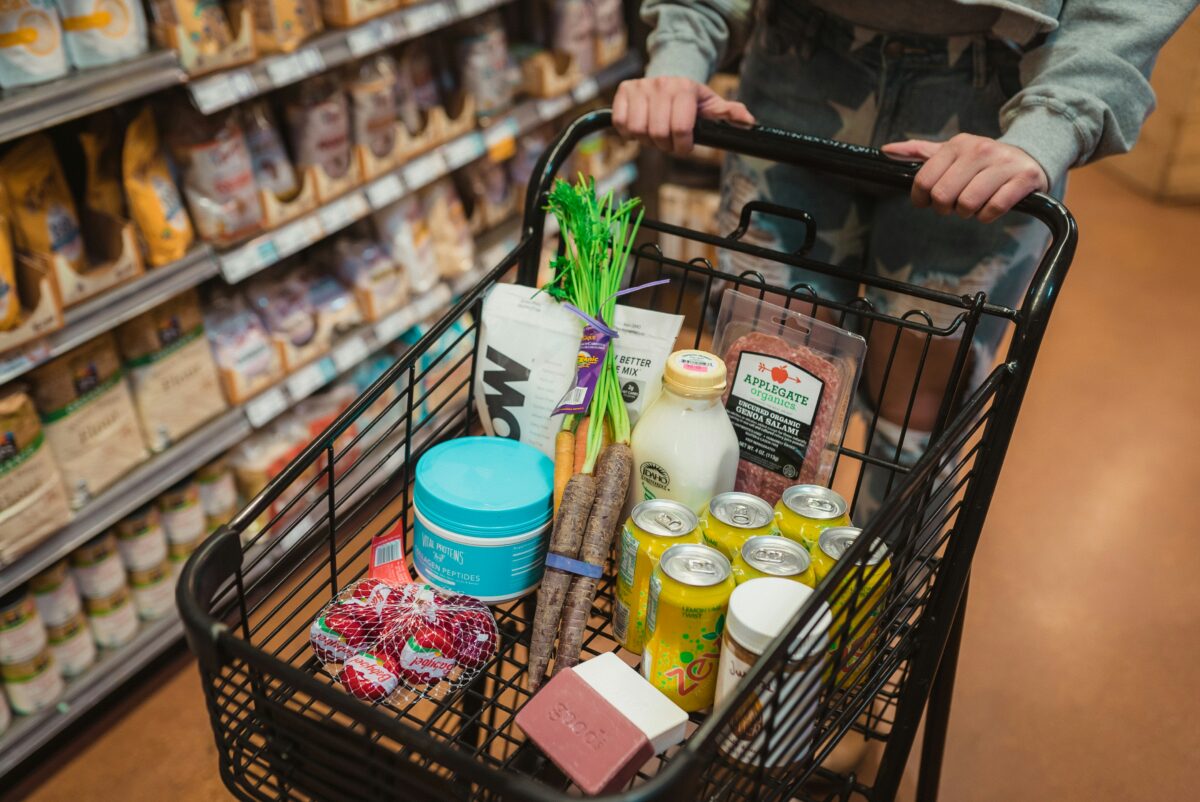
Instead of only discussing refunds, tariffs, and capital decisions, Walmart is talking about a meal. That makes the savings feel more real. A family cookout, a weekend meal, or a simple dinner plan is easier for shoppers to understand than a complicated trade policy issue. Walmart is using that example to show what value could look like in everyday life.
Are the 7,200 reduced-price products connected to this?
The 7,200 reduced-price products show that Walmart is already leaning harder into temporary price cuts. These cuts are part of the company’s wider effort to stay attractive to budget-conscious shoppers.
However, shoppers should still think carefully. A rollback sign can be useful, but it does not automatically mean the best deal. A product can be reduced and still cost more than a store brand option. It can also be cheaper than last week but still higher than what shoppers remember paying before prices climbed. The smartest customers will compare unit prices and focus on what they actually need.
Could this put pressure on other retailers?
Yes, and that may be one of the biggest parts of the story. If Walmart publicly says tariff refunds can help lower prices, shoppers may begin asking what other retailers plan to do with similar refunds.
That creates a trust problem for competitors. A retailer that keeps prices high after receiving refunds may have a harder time explaining itself. Walmart is not just making a pricing decision. It is making a customer loyalty play. In a tough shopping environment, the retailer that looks most committed to value may win more baskets.
Should shoppers be excited or skeptical?
They should be both. The announcement is encouraging because it suggests Walmart understands how much shoppers want price relief. It also shows that the company views lower prices as one of the best ways to build customer loyalty.
At the same time, shoppers should wait for proof. The real value will appear only if prices drop on products people actually buy often. A few selected reductions will help, but broad relief depends on how far Walmart goes and which categories it targets.
So what is the real takeaway?
Walmart’s tariff refund plan could be good news for shoppers, especially if the savings extend to groceries and household basics. The company is trying to show that it will not simply absorb every refund quietly while customers keep paying more.
Still, the shelf will tell the real story. If Walmart turns those refunds into noticeable savings, the move could strengthen its image as the store that understands tight budgets. If the changes feel small or hard to spot, shoppers may see it as another corporate promise. For now, the best advice is simple: watch the prices, compare the deals, and let the receipt decide whether Walmart’s promise is real.