8 Worst States If You Want To Take Vacations More Often in 2026
Taking more vacations sounds simple until real life starts sending invoices. Flights cost more, gas burns through the budget faster, hotel rates keep climbing, and even a short weekend escape can feel like a financial ambush.
In 2026, the best state for frequent vacationers is not always the prettiest one. It is the state that lets people leave often without draining their savings, fighting impossible traffic, paying brutal lodging taxes, or spending half the trip just getting somewhere affordable.
Some states are beautiful, exciting, and full of places worth seeing. But if the goal is to take vacations more often, not just dream about one big expensive trip, these states can make that lifestyle harder than it needs to be.
Hawaii
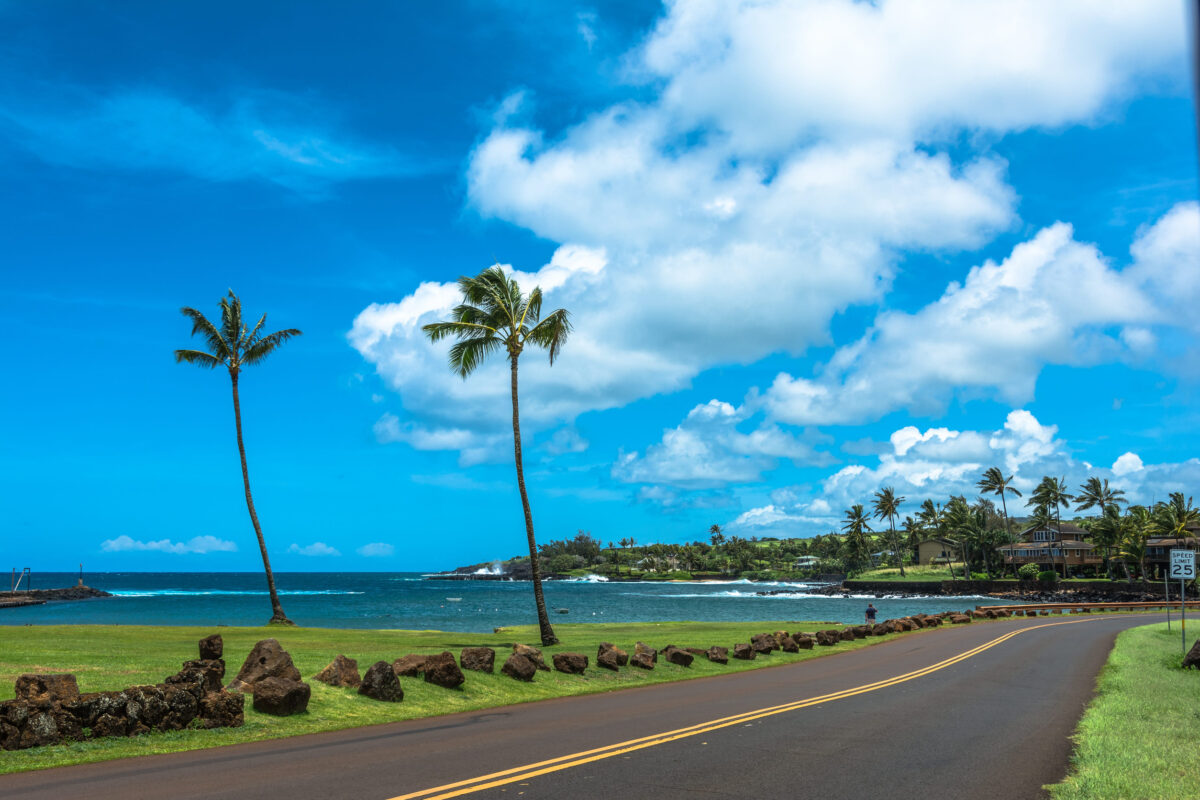
Hawaii is a paradise for visitors, but it can be a difficult home base for people who want to vacation often. The biggest problem is simple geography. Leaving the islands usually means flying, and there is no cheap weekend road trip to a neighboring state when every serious escape begins at an airport.
The cost of everyday life also makes frequent travel harder. Groceries, housing, fuel, and services already stretch household budgets, so saving for regular trips can feel like running uphill. Even local staycations are not always easy because hotel rates, resort fees, and tourism taxes can turn a simple island weekend into a luxury bill.
Alaska
Alaska is breathtaking, but it is not built for casual, frequent vacations. Distance is the enemy here. Many residents already deal with long travel times inside the state, and leaving Alaska often means expensive flights, complicated routes, and limited flexibility.
Weather adds another layer of difficulty. Winter travel can be risky, slow, and unpredictable, while summer brings high demand and higher prices. Alaska is perfect for people who love wilderness and patience, but for anyone hoping to take quick, affordable vacations several times a year, the state can feel like a beautiful trap at the edge of the map.
California
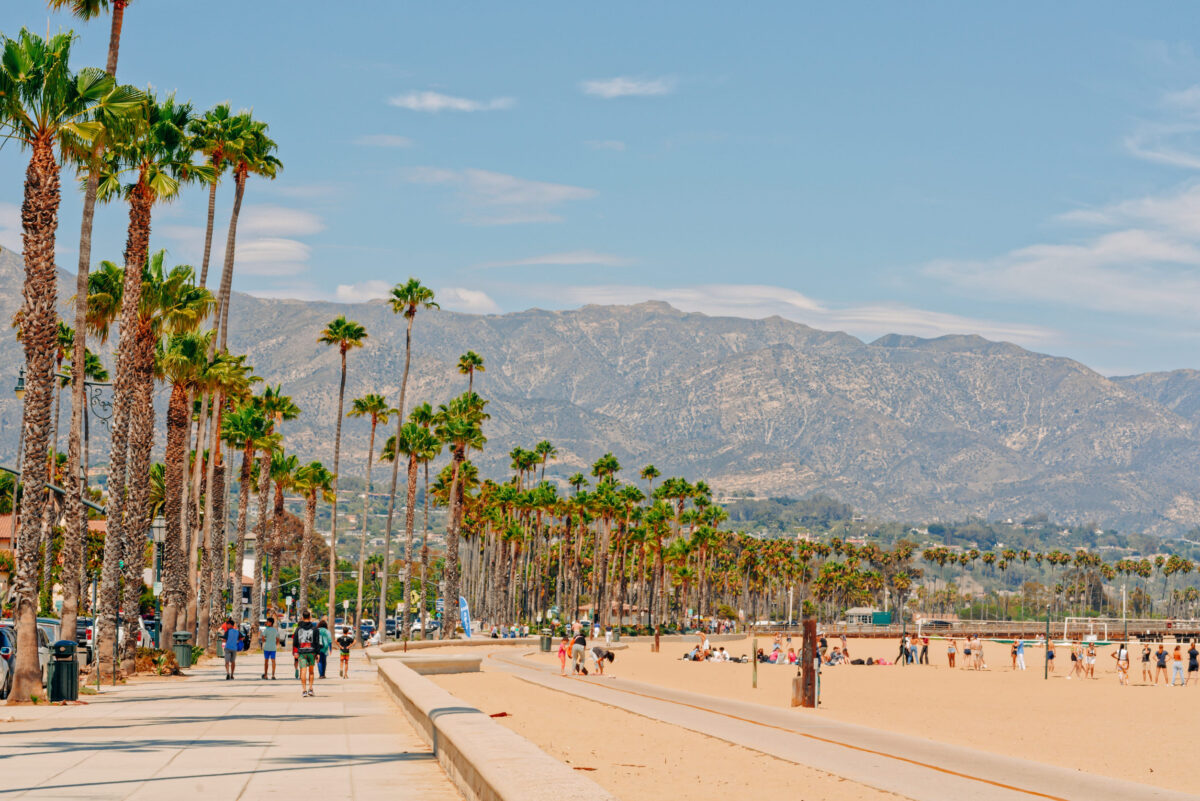
California has beaches, mountains, deserts, cities, wine country, theme parks, and national parks, which sounds perfect until the bill arrives. The state is expensive at almost every stage of travel. Gas prices are often among the highest in the country, hotel rates can be punishing, and popular destinations fill up fast.
Traffic also steals time from short vacations. A weekend trip from Los Angeles, San Francisco, or San Diego can begin with hours of frustration before the relaxing part even starts. California gives residents endless options, but it also makes many of those options crowded, costly, and stressful.
New York
New York looks like a dream state for travelers because the airports are busy and the connections are endless. But frequent vacations are not just about access. They are about affordability, convenience, and the amount of energy a trip takes before it even begins.
For many New Yorkers, the problem is cost. City hotels are expensive, airport transfers are not always cheap, tolls pile up, and weekend escapes from the metro area often come with traffic and premium pricing. Even a modest getaway can feel inflated because everyone else is trying to escape at the same time.
Massachusetts
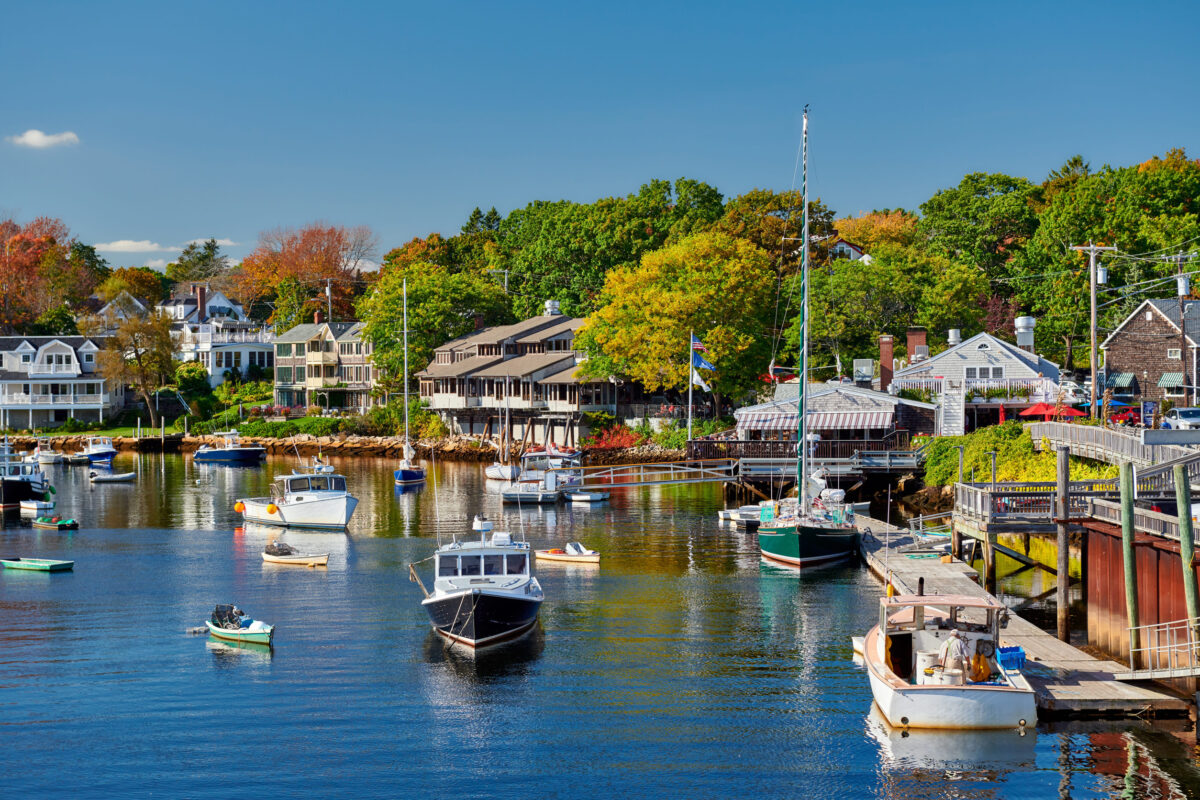
Massachusetts is rich in history, education, culture, coastline, and charm, but it can be rough on people who want regular budget-friendly vacations. The Boston area is expensive, and many classic New England escapes are priced for special occasions rather than casual weekends.
Summer travel can be especially difficult. Cape Cod, Martha’s Vineyard, Nantucket, and coastal Maine routes draw heavy crowds and steep seasonal costs. The state is wonderful for thoughtful trips, but if someone wants frequent, spontaneous, low-cost breaks, Massachusetts often makes them plan earlier, pay more, and settle for less.
New Jersey
New Jersey has a strong location advantage, but that advantage comes with a price. Residents sit near New York City, Philadelphia, the Jersey Shore, and several major airports. On paper, that sounds ideal. In reality, it often means tolls, traffic, parking costs, crowded beaches, and expensive last-minute lodging.
The state can be especially frustrating for families trying to travel more often. A simple shore weekend can become surprisingly expensive once lodging, food, beach fees, fuel, and parking are added. New Jersey offers plenty of escapes, but it rarely makes escaping feel cheap or easy.
Washington
Washington is gorgeous, with mountains, islands, forests, lakes, and a powerful outdoor culture. But beauty does not automatically make a state ideal for frequent vacations. In 2026, Washington can feel expensive for residents who want regular getaways without constant budgeting.
Seattle-area costs are a major reason. Lodging, dining, parking, and fuel can quickly shrink a vacation fund. Weather also matters. Long rainy stretches can push travelers into narrow sunny windows, which increases competition for cabins, campsites, ferries, and flights. Washington rewards patient travelers, but spontaneous budget travelers may feel boxed in.
Florida
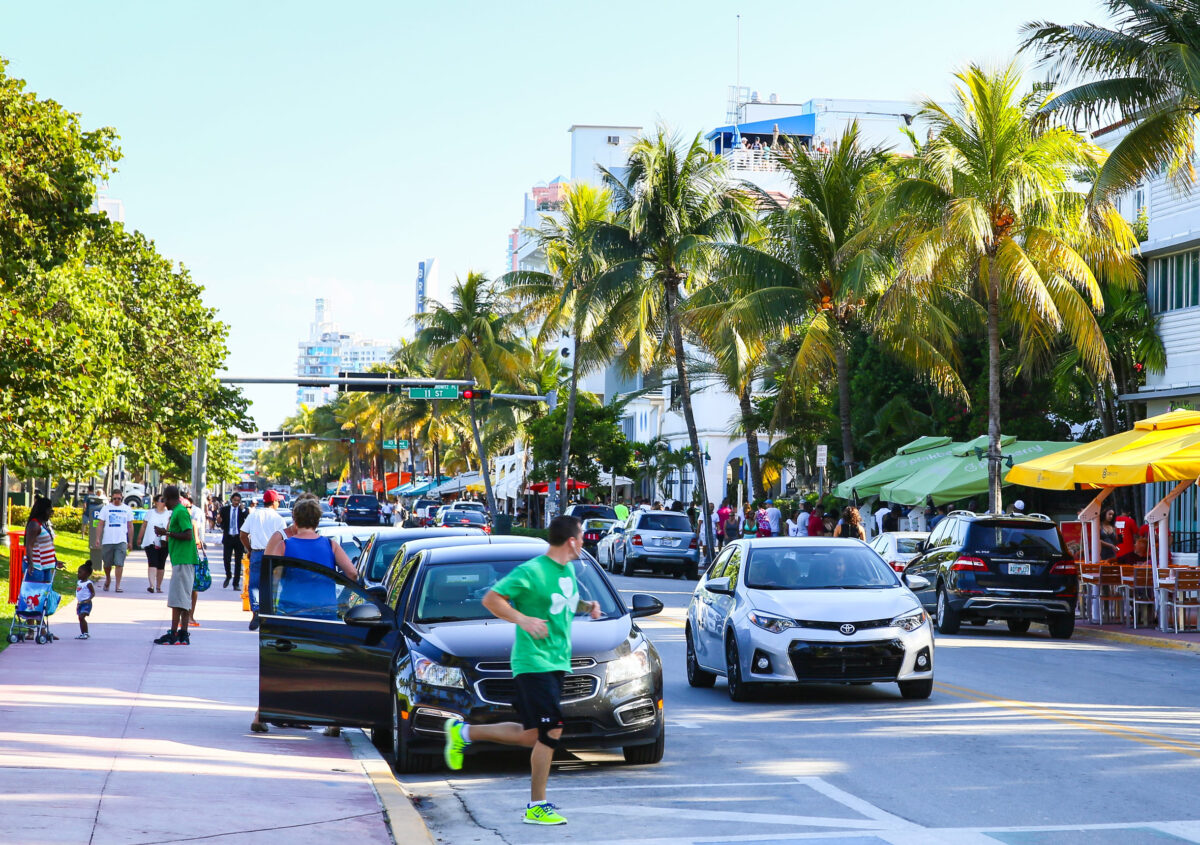
Florida may seem like the easiest vacation state in America, but living in a tourist playground has drawbacks. The same beaches, cruises, theme parks, and warm weather that attract visitors also create crowds, surge pricing, traffic, and inflated seasonal costs.
For residents, frequent vacations can become strangely difficult because the state’s best destinations are often priced for tourists. Hotels near beaches and attractions can jump fast, restaurant costs climb in hot zones, and hurricane season can disrupt plans. Florida is fun, but it can make everyday escapes feel commercial, crowded, and more expensive than expected.