13 People Who Turned Failure Into Success and Proved Rejection Is Not the End
People who turned failure into success prove that rejection, poverty, mistakes, and public embarrassment can become the raw material for greatness.
Success often looks polished from a distance. We see the company, the money, the awards, the famous name, the bestselling book, the historic speech, or the invention that changed daily life. What we do not always see is the long stretch of rejection, debt, shame, silence, and doubt that came before the breakthrough.
That is why the stories of people who turned failure into success matter. They remind us that failure is not always a sign that someone is finished. Sometimes, it is the rough beginning of a much larger story.
The most successful people in history were not protected from failure. Many were fired, rejected, mocked, broke, ignored, or written off by people who thought they had no future. What separated them from the crowd was not a perfect start. It was their refusal to let a bad chapter become the final page.
Walt Disney

Walt Disney’s story is often told like a fairy tale, but the early years were closer to a survival test. Before the global brand, theme parks, animated classics, and cultural empire, Disney faced financial problems, failed business plans, and painful professional losses. His early animation company, Laugh-O-Gram Studio, collapsed after financial trouble, leaving him with little to show for his ambition.
One of the most painful setbacks came when Disney lost control of Oswald the Lucky Rabbit, an early character he had helped create. Instead of treating that loss as the end of his career, he went back to work and helped create Mickey Mouse. That moment became one of the great examples of failure turning into success because Disney did not simply recover. He rebuilt with sharper control, stronger vision, and a deeper understanding of ownership.
Disney’s lesson is clear. Creative talent is powerful, but creative control matters too. His failure taught him that imagination alone was not enough. We can admire the cartoons, but the real story is the business discipline he learned after losing almost everything.
J.K. Rowling
Before Harry Potter became a global name, J.K. Rowling was not living inside the kind of success story people now associate with her. She was a struggling single mother, working through financial stress, grief, and uncertainty while trying to finish a book about a boy wizard. The manuscript did not immediately open doors. It was rejected by several publishers before it found a home.
The early doubts around Harry Potter are now almost hard to believe. Publishers were unsure whether children would read a long fantasy book, and Rowling was reportedly advised not to expect real money from writing children’s stories. Yet the same manuscript that seemed commercially risky became one of the most successful book series in modern publishing.
Rowling’s story matters because it shows how rejection can be wrong. A gatekeeper’s no may only mean the work has not found the right door yet. Her rise proves that a powerful idea can survive delay, doubt, and dismissal when the writer behind it refuses to bury the dream too early.
Oprah Winfrey
Oprah Winfrey’s success did not come from comfort. She was born into poverty and faced serious hardship during childhood, including trauma that could have broken her confidence and silenced her voice. Early in her media career, she also faced professional setbacks and criticism, including being moved from a news anchor role because she was considered too emotionally involved with stories.
That supposed weakness became one of her greatest strengths. Oprah did not build her career by sounding detached, cold, or unreachable. She built it by connecting with people in a way that felt human. Her emotional intelligence, curiosity, and ability to make guests feel seen helped turn her talk show into a cultural force.
Oprah’s failure to fit the traditional news mold became the beginning of a much larger platform. We learn from her story that rejection sometimes reveals the wrong room, not the wrong person. She did not become powerful by removing her humanity. She became powerful by trusting it.
Jack Ma
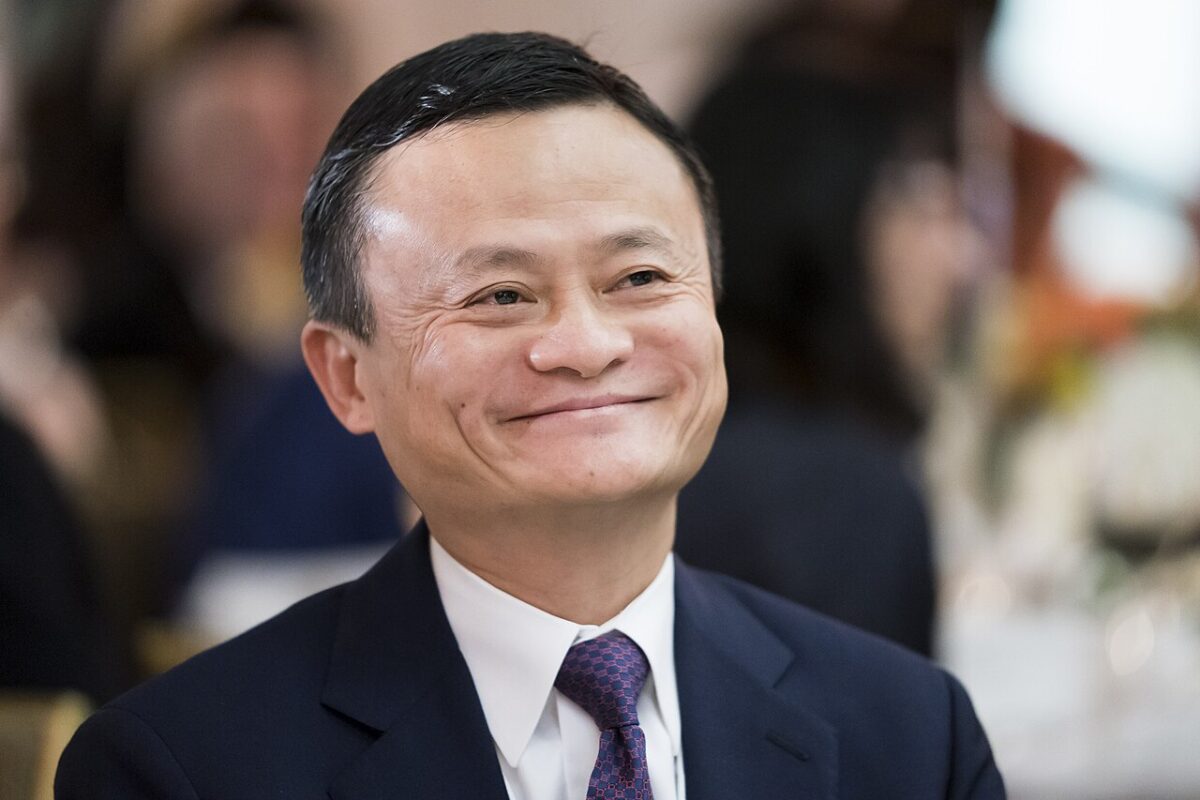
Image Credit:Foundations World Economic Forum, via Wikimedia Commons
Jack Ma’s early life is one of the strongest modern examples of rejection before success. He has spoken openly about failing entrance exams, being rejected from many jobs, and even missing out on a position at KFC when most other applicants were hired. Those repeated setbacks could have convinced him that he was not meant for business, leadership, or global influence.
Instead, Ma developed a different kind of strength. He became an English teacher, learned how to communicate across cultures, and later saw the internet as an opportunity before many others in China understood its commercial power. In 1999, he founded Alibaba with a group of supporters, starting from modest conditions rather than corporate privilege.
Alibaba eventually became one of the world’s most important e-commerce companies. Ma’s story proves that early rejection does not always measure future ability. Sometimes, rejection builds the patience, communication skills, and hunger needed for a much bigger opportunity.
Stephen King
Stephen King’s first major breakthrough almost did not happen. His novel Carrie was rejected repeatedly, and King became so discouraged that he threw the manuscript away. His wife, Tabitha, pulled it from the trash and encouraged him to keep going. That single act helped save the book that launched his career.
Carrie eventually sold, became a success, and opened the door to one of the most productive writing careers of the modern era. King went on to publish dozens of books, many of them bestsellers, and his work became a major force in horror, suspense, and popular fiction. What looked like a failed manuscript became the foundation of a lifelong career.
King’s story is especially useful for writers because it shows how close people can come to quitting right before the turn. Rejection does not always mean the work is worthless. Sometimes, it means the work still needs belief, revision, timing, and one more submission.
Henry Ford
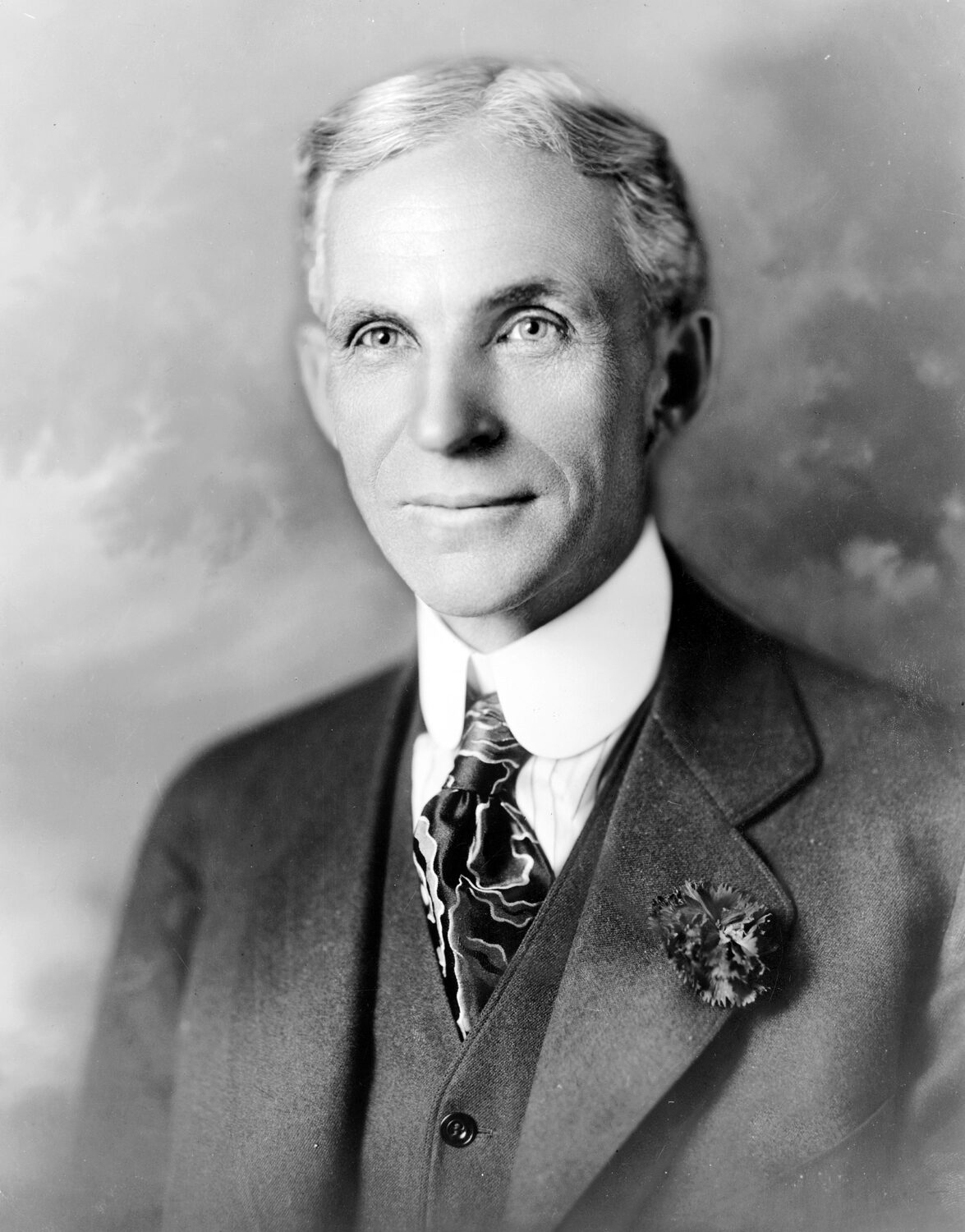
Henry Ford did not begin with a smooth road to success. His early automobile ventures struggled, and one of his first companies failed because the product was expensive, slow to develop, and difficult to bring to market. Ford had ideas, but ideas alone were not enough. He needed a better system.
That system became the heart of his success. Ford eventually founded the Ford Motor Company and transformed manufacturing with assembly-line production. His goal was not just to build cars for the wealthy. He wanted to make automobiles practical and affordable for ordinary people, which changed transportation and the American industry.
Ford’s early failures taught him the importance of process. He learned that innovation had to be repeatable, scalable, and useful to real buyers. His success came not from avoiding failure, but from studying what failure revealed about cost, speed, quality, and demand.
Soichiro Honda
Soichiro Honda’s journey began with mechanical obsession, long hours, and painful rejection. He started by producing piston rings and worked hard to win Toyota as a customer. His early products failed to meet Toyota’s standards, which could have ended his manufacturing dream before it began.
Honda did not treat the rejection as a final judgment. He studied, improved his methods, and kept working until he could meet higher standards. Later, after war damage, material shortages, and economic hardship, he adapted again by attaching small engines to bicycles. That practical solution helped lead to the rise of Honda Motor Company.
Honda’s story shows that rejection of quality can become a teacher. The first product was not good enough, but the founder was willing to become better. That difference changed everything. We do not remember Honda because he failed an early inspection. We remember him because he used that failure to build a stronger machine and a stronger company.
The Wright Brothers
Orville and Wilbur Wright were not wealthy engineers with elite laboratories. They were bicycle mechanics with curiosity, discipline, and a belief that controlled flight was possible. Their path included failed tests, damaged gliders, danger, and public doubt. Many people considered human flight unrealistic or foolish.
The brothers did not simply dream about flying. They studied balance, control, lift, and design with unusual care. They built, tested, crashed, adjusted, and tested again. On December 17, 1903, at Kitty Hawk, they achieved powered, controlled flight and changed human movement forever.
The Wright brothers prove that failure can be data. Every crash gave them information. Every weak design exposed a problem. Their success was not a magical leap into the sky. It was the result of disciplined learning from repeated breakdowns.
Thomas Edison
Thomas Edison is often remembered as the man behind the practical electric light bulb, but his real strength lay not in a single lucky invention. It was his method. Edison and his teams tested, failed, adjusted, and tested again. He understood that invention was rarely a clean moment of genius. It was often a messy process of trial and error and persistence.
Edison held more than 1,000 U.S. patents, and his work helped shape modern life through developments in lighting, sound recording, motion pictures, and electrical systems. Yet his reputation was built on repeated experimentation, not instant perfection. He treated failed attempts as part of the job.
His story matters because many people quit when the first method does not work. Edison’s career shows a different approach. We can fail at a method without failing at the mission. The wrong attempt can still move us closer to the right solution.
Vincent van Gogh
Vincent van Gogh’s life is one of the most tragic examples of success arriving too late for the person who created it. During his lifetime, he struggled with poverty, mental distress, unstable relationships, and limited recognition. He produced hundreds of works, yet he did not enjoy the fame or financial reward that later surrounded his name.
Today, van Gogh is considered one of the most important artists in history. Paintings that were once ignored or misunderstood are now studied, protected, and valued at staggering levels. His color, movement, and emotional intensity helped reshape how later generations understood art.
Van Gogh’s story is not a simple motivational tale because his suffering was real and heavy. Still, it reminds us that public recognition is not always immediate proof of value. Some work is too strange, too honest, or too far ahead of its time to be fully understood in the moment.
Abraham Lincoln
Abraham Lincoln’s life before the presidency was filled with political losses, personal grief, and professional struggle. He failed in business, lost elections, and endured periods of deep sadness. A weaker public image might have been buried under those defeats, but Lincoln continued to return to public life.
His persistence eventually carried him to the presidency during one of the most dangerous periods in American history. Lincoln led the United States through the Civil War and became closely associated with preserving the Union and ending slavery through the Emancipation Proclamation and the passage of the Thirteenth Amendment.
Lincoln’s story shows that leadership is often shaped before the office arrives. His defeats gave him patience, language, humility, and political toughness. We remember the president, but the president was built through years of loss.
Dr. Seuss
Theodor Seuss Geisel, better known as Dr. Seuss, did not walk into publishing success easily. His first children’s book, And to Think That I Saw It on Mulberry Street, was rejected many times before it finally found a publisher. For a writer, that kind of rejection can feel personal, especially when the work is strange, playful, and unlike what publishers expect.
Dr. Seuss kept his unusual rhythm, visual imagination, and oddball language. That refusal to become ordinary became his advantage. His books later reached generations of children and helped make reading feel energetic, silly, musical, and alive.
His story proves that originality can be rejected before it is celebrated. Some ideas look risky because they do not resemble what already sells. Dr. Seuss succeeded because his work had a voice that children remembered, even if publishers did not understand it at first.
Elon Musk

Elon Musk’s success is often discussed in terms of wealth, rockets, electric vehicles, and controversy, but his business story also involves extreme risk. After PayPal, he invested heavily in Tesla and SpaceX, and both companies faced periods of serious financial pressure. In 2008, SpaceX had multiple failed launches, while Tesla struggled with production and funding problems.
The pressure could have ended both companies. Instead, SpaceX eventually achieved a successful launch, earned major contracts, and helped shift the future of private space exploration. Tesla survived its most dangerous years and pushed electric vehicles into mainstream conversation in a way few companies had managed before.
Musk’s story shows that failure at scale can be brutal. Big visions create big risks, and big risks can create public embarrassment. Yet his example also shows that a company can be on the verge of collapse right before it proves its model.
Akio Morita
Akio Morita, one of the co-founders of Sony, did not begin with a flawless product. One early attempt was an electric rice cooker that performed poorly and failed to become a commercial success. For a young company, that kind of weak product could have damaged confidence and credibility.
Morita learned that copying others would not be enough. He wanted products that felt fresh, useful, and globally attractive. Sony later became known for innovation, branding, and consumer electronics that reached far beyond Japan. The company’s portable radios and later products helped define modern electronics culture.
Morita’s story teaches us that a bad product does not have to mean a bad company. Early failure can expose what a business should not become. Sony’s rise came from the decision to move beyond imitation and build a brand people could trust.
Elvis Presley
Elvis Presley did not receive universal approval at the beginning of his career. Early critics and industry figures doubted his future as a singer. Some reportedly told him to return to truck driving because music would not take him anywhere. That kind of dismissal would have been enough to crush many young performers.
Presley kept going, and his voice, stage presence, and blend of musical influences helped transform popular music. He became one of the most recognizable entertainers of the twentieth century, shaping rock and roll, youth culture, fashion, and performance style.
His story shows that talent can look threatening before it looks profitable. Elvis did not fit neatly into the expectations of his time. That made him easy to reject at first, but also impossible to ignore later.