Zelenskyy and Ukraine’s Nobel Peace Prize Nomination Sparks a Global Debate Over the Meaning of Peace
The world has long wrestled with a difficult question: Can peace be defended through resistance, or does true peace require the absence of conflict altogether? That question has returned to the international stage after Ukrainian President Volodymyr Zelenskyy and the people of Ukraine were nominated for the Nobel Peace Prize, a recognition that has triggered both strong support and heated criticism.
The nomination highlights Ukraine’s fight against Russia’s full-scale invasion, which began on February 24, 2022, when Russian forces launched a massive military assault across Ukrainian territory. Supporters of the nomination argue that Ukraine’s defense is not simply a national struggle but a broader effort to protect democratic values, international law, and the security of other nations that fear future aggression.
Critics, however, question whether a leader involved in an ongoing war should receive an award dedicated to peace. They argue that the Nobel Peace Prize should primarily honor individuals or organizations directly involved in ending conflicts rather than those leading a military response.
The debate has opened a wider conversation about what peace means in a world where countries often face aggression before diplomacy becomes possible.
A Nomination Built Around Resistance and Democracy
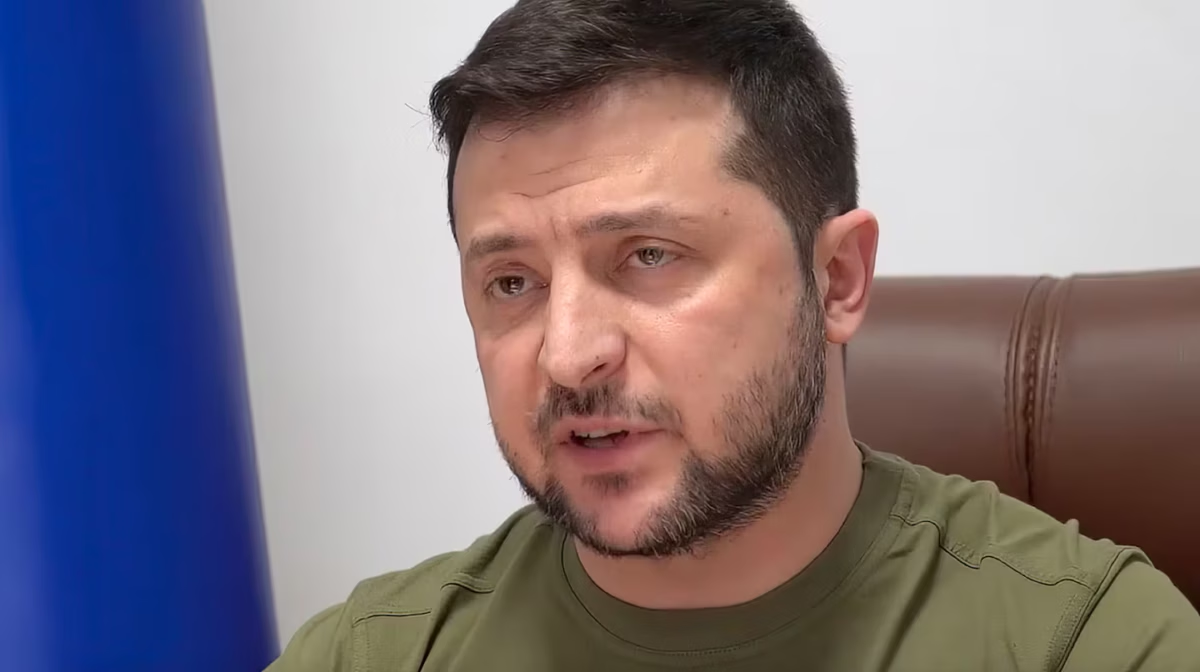
The nomination of Zelenskyy and the Ukrainian people centers on the argument that defending a nation against invasion can be a form of protecting peace. Supporters believe Ukraine’s resistance sends a message that borders cannot be changed through force and that smaller nations have the right to defend their sovereignty.
The nomination also points to the wider consequences of Russia’s invasion. Many European countries, especially those near Russia’s borders, have expressed concerns about regional security and the possibility that unchecked aggression could encourage further territorial ambitions.
Ukraine’s supporters say the country’s military and civilian resistance has helped prevent the conflict from spreading beyond its borders. They argue that peace cannot exist without security, and that security requires countries to be able to defend themselves.
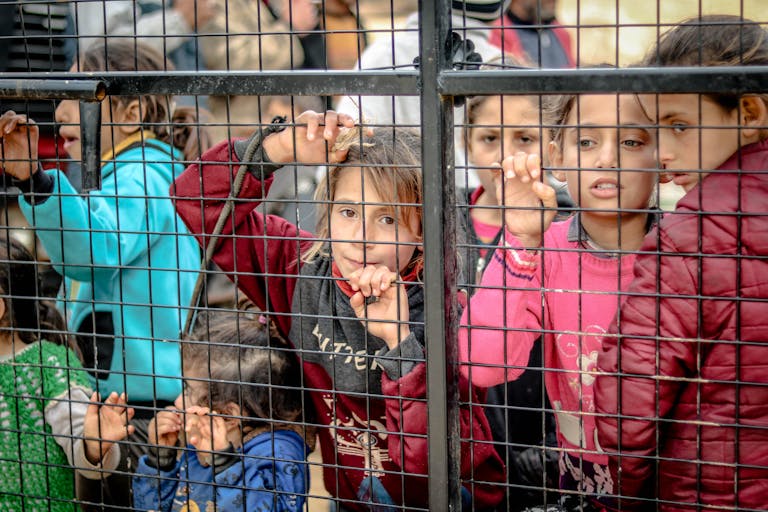
For many Ukrainians, the nomination represents international recognition of the sacrifices made since the invasion began. Millions of people have been displaced, cities have suffered extensive damage, and thousands of civilians and soldiers have lost their lives during the conflict.
Why Supporters Say Resistance Can Lead to Peace
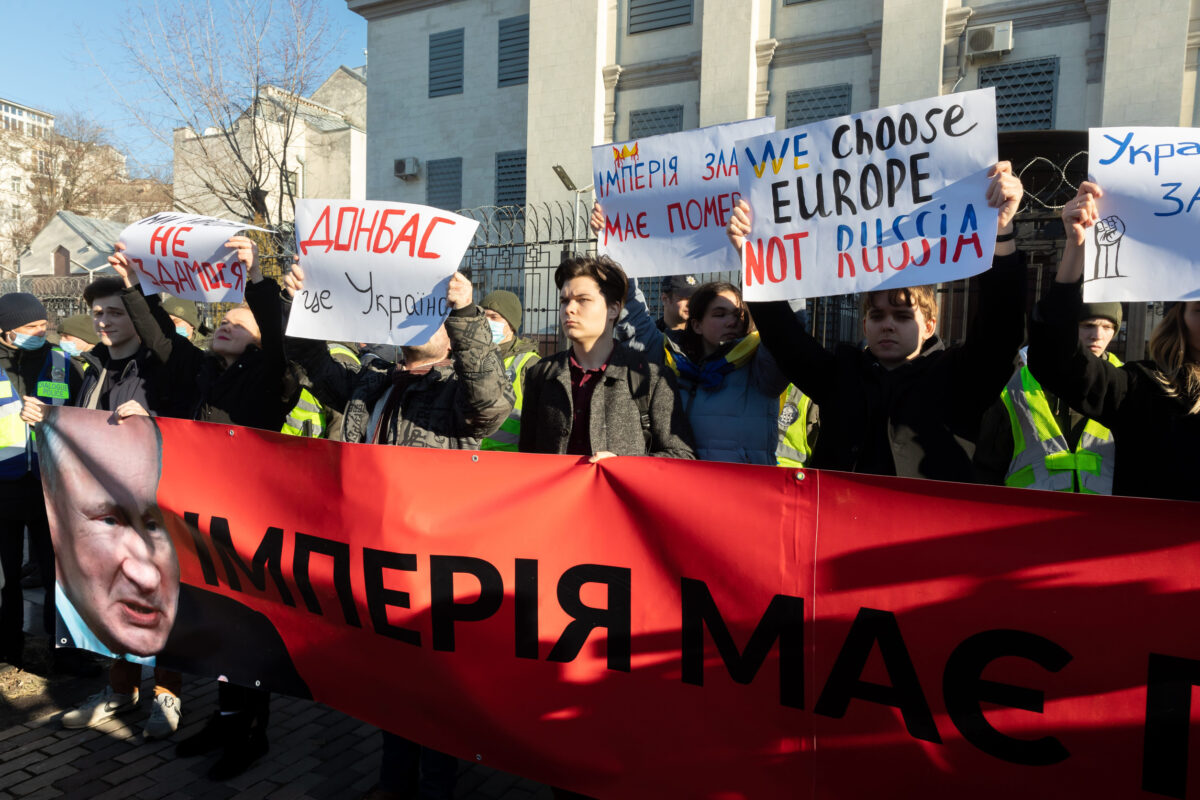
The supporters of Zelenskyy’s nomination argue that history shows peace is sometimes achieved by standing against those who threaten it. They point to examples where nations resisted aggression before negotiations became possible.
Their argument is that surrendering to an invasion may create temporary silence but does not necessarily create lasting stability. A country that loses its independence, they argue, may face future conflict under different circumstances.
The nomination reflects a belief that defending democratic institutions is part of maintaining global peace. Ukraine has repeatedly stated that its goal is to restore its territorial integrity and to achieve a peace agreement based on sovereignty and international law.
Supporters also emphasize Zelenskyy’s role in maintaining international attention on the war. Since the invasion began, he has traveled internationally, addressed foreign governments, and pushed allies to continue providing political, economic, and military support.
To his supporters, these efforts represent a fight for a broader principle: that nations should not be forced to accept invasion as a path to peace.
Critics Question Whether War Leaders Belong Near a Peace Prize
Despite strong support, the nomination has faced criticism from those who believe the Nobel Peace Prize should maintain a narrower definition of peace. They argue that recognizing a wartime leader could blur the distinction between defending against conflict and promoting reconciliation.
Some critics believe the prize should go to individuals involved in negotiations, humanitarian efforts, or conflict resolution. They argue that honoring someone during an active war risks turning the award into a political statement rather than a symbol of peace.
The debate is not new. Previous Nobel Peace Prize decisions have also sparked controversy because the committee has sometimes honored leaders during periods of conflict or political tension.
Supporters of the nomination respond that peace is not always achieved by avoiding confrontation. They argue that allowing aggression to succeed can create greater instability and future conflicts.
The disagreement reveals a fundamental divide: whether peace is simply the end of fighting or whether it also includes the defense of freedom and security.
The Nobel Peace Prize Has Often Reflected Difficult Choices
The Nobel Peace Prize, established through the will of Swedish inventor Alfred Nobel, has always carried significant political and moral weight. Since its creation, the prize has recognized diplomats, activists, humanitarian organizations, and political figures who have shaped global events.
Some recipients have been celebrated worldwide, while others have faced criticism over their actions or circumstances surrounding their awards. The committee’s choices often reflect broader debates about justice, diplomacy, and international responsibility.
The Zelenskyy and Ukraine nomination fits into that long tradition of difficult decisions. It forces the world to examine whether peace is created only through negotiation or sometimes requires resistance to forces that threaten stability.
The final decision will not only recognize a recipient but may also influence how future generations understand the relationship between conflict and peace.
A Global Conversation About the Future of Peace
The controversy surrounding the nomination reflects the complicated reality of modern conflicts. Wars today are rarely simple battles between two sides. They involve questions about sovereignty, democracy, security alliances, humanitarian protection, and the rules that govern international relations.
For Ukrainians and their supporters, the nomination represents acknowledgment of a nation fighting for survival. They see the defense of their homeland as part of a larger struggle to preserve a world where powerful countries cannot freely invade weaker neighbors.
For critics, the nomination raises concerns about whether the Nobel Peace Prize should remain focused on those who bring enemies together rather than those engaged in military defense.
The winner of the Nobel Peace Prize will be announced in October, but the debate surrounding Zelenskyy and Ukraine’s nomination has already achieved something significant. It has forced the world to confront one of the hardest questions in international affairs: What does peace truly require?
In an era where nations continue to face threats from aggression and instability, the answer may not be as simple as choosing between fighting and peace. For many, the challenge is finding a way to defend peace without losing sight of the ultimate goal: a world where wars no longer determine nations’ futures.