12 Everyday Foods That Cost More Than You Think
Some grocery price increases are easy to notice. Others sneak into the cart one regular purchase at a time.
A favorite coffee, a loaf of bread, a bag of rice, or the ingredients for a simple dinner may not feel like a major expense on their own. But when familiar staples become more expensive, the difference can show up over repeated grocery trips.
National food price data from August 2026 showed increases across several everyday categories. These numbers are national Consumer Price Index measures, not a guarantee of what every shopper pays at every store, but they highlight which familiar foods have seen noticeable changes.
Ground Beef
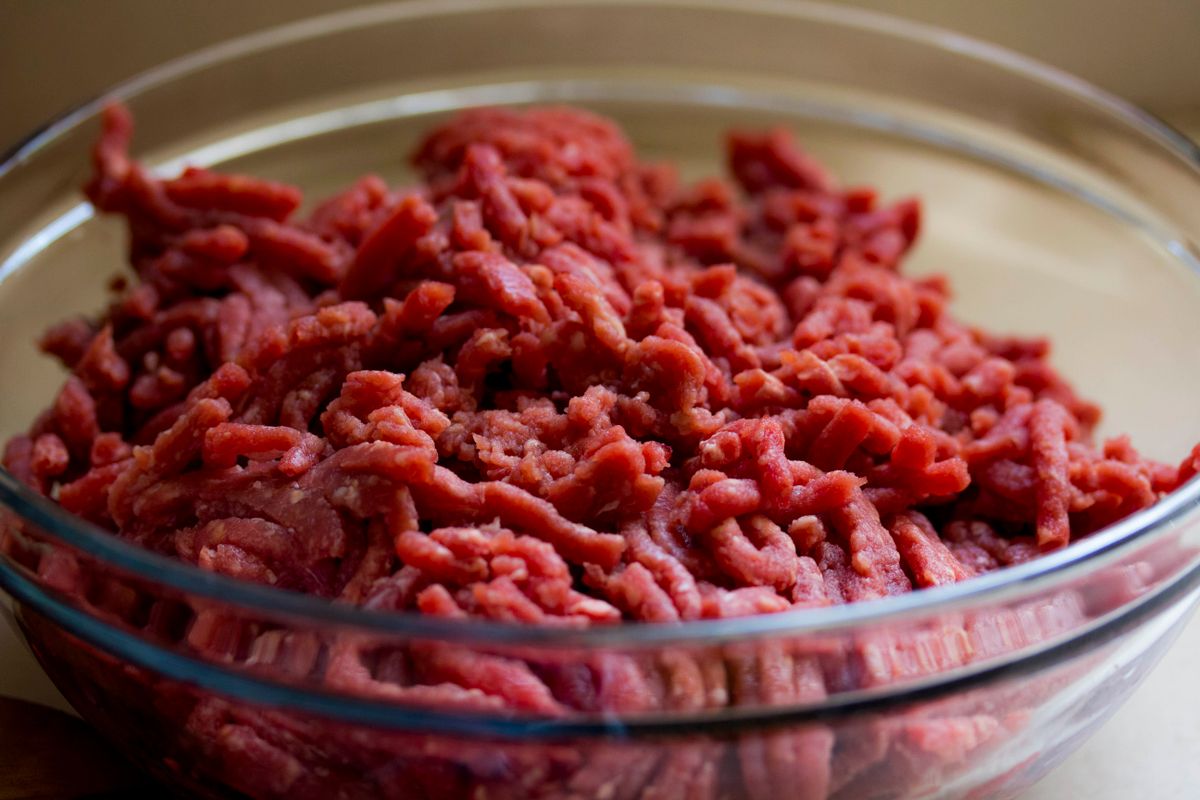
Ground beef remains a common choice for easy dinners, but it has also become one of the more noticeable increases in the meat section. BLS data reported by Yahoo Finance showed uncooked ground beef was up about 7.2% year over year in August 2026.
Because ground beef is often used for everyday meals, changes in its price can stand out quickly during grocery trips.
The takeaway is simple: even familiar dinner basics can become more expensive when prices shift across a category.
Coffee
Coffee is one of those grocery items many households buy repeatedly, which means even a smaller increase can become noticeable over time. According to BLS data reported by Yahoo Finance, coffee prices were up 6.1% year over year in August 2026.
Unlike occasional purchases, coffee often returns to the shopping list again and again.
That regular buying pattern is what makes coffee a good example of how everyday costs can quietly add up.
Fish and seafood prices were up 6.5% year over year in August 2026, according to BLS data reported by Yahoo Finance. USDA also forecasts that 2026 price growth for the category will exceed its 20-year historical average.
Seafood already occupies a different place in many grocery carts than everyday pantry staples, so price changes can quickly affect meal planning.
This category shows that rising food costs are not limited to one type of grocery item.
Tomatoes
Tomatoes are a basic ingredient in many meals, from salads and sandwiches to pasta sauces. In August 2026, tomato prices were up 5.8% year over year.
Because tomatoes often appear as supporting ingredients rather than the main event, shoppers may not always expect them to have a noticeable impact on the total grocery bill.
Small increases across common ingredients can make simple meals feel more expensive.
Apples
Apples are often viewed as a straightforward snack or lunchbox item, but their prices have also moved upward. BLS data reported by Yahoo Finance showed apples were up 5.4% year over year in August 2026.
Their place on this list comes from how ordinary they are. A familiar fruit purchase can still become a noticeable budget change.
The example shows that price increases are not limited to specialty foods.
Rice
Rice is a pantry staple that many households use to build meals, which makes price changes especially noticeable. Rice prices were up 4.7% year over year in August 2026.
Because rice is often used as a way to stretch meals, even a moderate increase can stand out during regular shopping.
This is a reminder that pantry basics can experience the same price pressures as fresh foods.
Peanut Butter
Peanut butter is another everyday purchase that can quietly affect grocery spending. BLS data showed peanut butter prices were up 4.7% year over year in August 2026.
It appears in many routines, from breakfast to snacks and lunchbox meals, making price changes easier for households to notice.
A familiar jar from the grocery aisle can become one more item where shoppers see a difference over time.
Milk
Milk remains a recurring grocery purchase for many households, and its price increased 4.1% year over year in August 2026.
Actual costs can vary depending on the brand, region, and store, but the national measure shows the category moved upward.
Because milk is purchased regularly, even moderate changes can become part of the overall grocery picture.
Bread
Bread prices were up 3.8% year over year in August 2026. While that increase was smaller than some other foods on this list, bread’s frequent appearance in grocery carts makes it a noticeable household expense.
It is a good example of a product where small changes can matter because shoppers buy it often.
Everyday staples do not need dramatic increases to affect routine spending.
Potatoes
Potatoes are often considered a dependable dinner ingredient, but their prices also changed. They were up 3.6% year over year and increased 2.6% from July to August 2026.
That makes potatoes an example of a familiar budget-focused ingredient that can still fluctuate.
Even foods associated with simple meals are not completely separated from broader grocery trends.
Breakfast Cereal
Breakfast cereal prices were up 3.1% year over year in August 2026.
Packaged grocery items can sometimes feel more expensive because they are repeat purchases, even when their increases are less dramatic than categories like meat or seafood.
Cereal shows how the cost of routine shopping can change through many small adjustments.
Fresh Berries
Fresh berries are a good example of produce that can feel unexpectedly expensive, especially outside peak season. USDA forecasts that fresh-fruit prices will increase faster than their 20-year historical average in 2026.
Berries often appear in breakfast bowls, snacks, and other simple meals, which can make changes noticeable when they become part of regular shopping.
The broader lesson from these grocery categories is that rising costs often show up in ordinary foods, not just luxury purchases. A closer look at everyday items can explain why a familiar shopping trip may feel different than it used to.