8 Least Liked States in the U.S., According to Public Opinion and Perception
Every state in America has its own identity. Some are celebrated for beautiful landscapes, booming economies, or unique cultures. Others find themselves battling stereotypes, political divides, high costs of living, or public perceptions that have followed them for years.
Being one of the “least liked” states does not mean a place lacks value. Many states on this list have thriving communities, famous landmarks, and millions of residents who proudly call them home. But when Americans are asked about states they view less favorably, certain names appear more often than others.
Public opinion surveys, reputation rankings, migration trends, and national discussions often shape how states are viewed. Here are eight states that frequently face some of the toughest reputational challenges.
New Jersey

New Jersey is one of the most recognizable states in America, but it has also spent decades fighting an image problem.
The Garden State is often mocked for its highways, traffic congestion, industrial areas, and proximity to larger neighbors like New York and Pennsylvania. Popular culture has reinforced some of these stereotypes, sometimes overshadowing the state’s beaches, historic towns, and natural areas.
Despite the criticism, New Jersey has several strengths. It ranks among the wealthiest states by household income, has strong public universities, and is home to major industries, including pharmaceuticals, finance, and technology.
The state’s reputation problem often comes down more to perception than reality. Many outsiders know New Jersey through jokes and television portrayals rather than through personal experience.
California
California remains one of the most influential states in the country, but its image has changed significantly in recent years. For decades, California represented opportunity, innovation, entertainment, and sunshine. It became home to Hollywood, Silicon Valley, and some of the world’s most recognizable companies.
However, rising housing costs, concerns about homelessness, high taxes, and debates over government policies have contributed to growing frustration among some Americans. The state has also experienced population losses as some residents move to more affordable areas.
Still, California continues to attract millions of visitors and remains a global leader in technology, agriculture, entertainment, and environmental innovation. Its challenges have created a divided reputation rather than universal dislike.
New York
When many Americans think about New York, they immediately picture New York City. That association has shaped the state’s reputation, sometimes unfairly.
Critics often point to expensive housing, crowded streets, high taxes, and the fast-paced lifestyle associated with the region. For people who prefer quieter communities, New York can appear overwhelming.
But outside the city, the state offers a very different experience. New York has scenic mountain regions, farmland, historic communities, and cultural attractions beyond Manhattan.
The gap between New York City and the rest of the state has created complicated opinions. Some admire its influence, while others associate it with problems linked to urban life.
Mississippi
Mississippi has a rich cultural history, but it has frequently ranked near the bottom in national comparisons involving income, health outcomes, and educational measures.
The state’s struggles with poverty have influenced how outsiders view it. Mississippi has often faced unfair stereotypes that overlook its communities, traditions, music history, and natural beauty.
The birthplace of blues music, Mississippi has contributed enormously to American culture. It is also home to important historical sites and a strong sense of local identity.
However, economic challenges remain a major factor in how the state is perceived nationally.
Alabama
Alabama is another state where reputation has often been influenced by political debates and historical associations.
The state has made significant economic progress, attracting industries such as automotive manufacturing and aerospace. Cities like Birmingham, Huntsville, and Mobile have experienced growth and development.
Yet national conversations about Alabama often focus on political controversies, education debates, and its civil rights history. Those discussions have shaped perceptions among people who may have limited personal experience with the state.
Many residents argue that Alabama’s modern identity is more complex than its national reputation suggests.
Louisiana
Louisiana is famous for its food, music, festivals, and cultural traditions. Cities like New Orleans attract visitors from around the world.
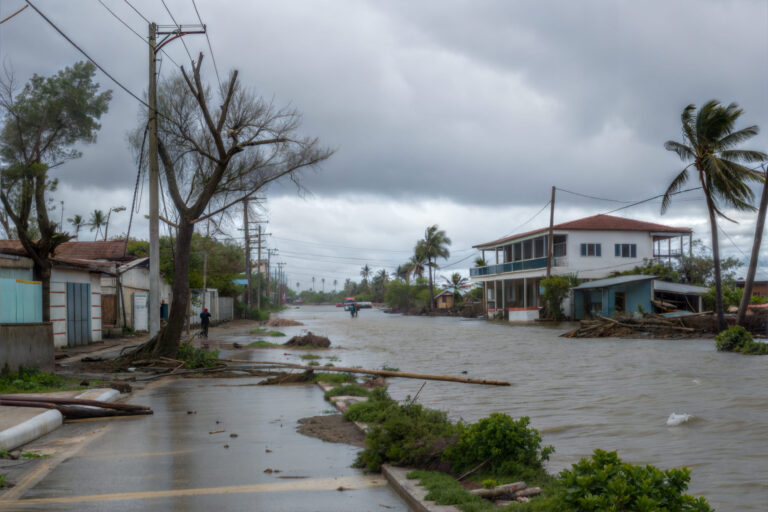
However, the state also faces challenges that affect its national image. Hurricanes, coastal erosion, infrastructure problems, and economic struggles have contributed to negative perceptions.
The impact of major storms, especially Hurricane Katrina in 2005, left a lasting mark on how many Americans view Louisiana.
At the same time, the state remains one of the most culturally distinctive places in the country, with traditions that cannot easily be found elsewhere.
West Virginia
West Virginia’s natural beauty is undeniable. The state’s mountains, outdoor recreation, and Appalachian culture attract visitors looking for a slower pace of life.
However, decades of economic challenges connected to the decline of coal production have affected its reputation.
The state has struggled with population decline, job losses in certain industries, and health challenges. These issues have often dominated national discussions about West Virginia.
Supporters of the state argue that those problems do not define the entire picture. Many communities continue to preserve strong traditions and a deep connection to the land.
Florida
Florida is one of the most visited states in America, but it is also one of the most controversial.
The state attracts millions of tourists every year with its beaches, theme parks, warm climate, and retirement communities. It also has one of the fastest-growing populations in the country.
At the same time, Florida has become a major political battleground. Debates over education, immigration, elections, and public policy have made the state a frequent subject of national arguments.
For some Americans, Florida represents freedom and opportunity. For others, it represents political conflict. That divide has made its reputation increasingly polarizing.
Why State Reputation Is More Complicated Than a Ranking
A state’s popularity is shaped by more than statistics. Personal experiences, media coverage, politics, cost of living, and cultural differences all influence how Americans view different parts of the country.
Many states considered “least liked” still attract millions of visitors and have residents who would not trade their communities for anywhere else.
Reputation can change over time. Economic growth, improved infrastructure, cultural influence, and changing demographics can reshape how a state is viewed.
In the end, America’s diversity means every state has supporters and critics. The same qualities that make one place unpopular with some people can make it a perfect home for others.