Los Angeles Fire Lawsuit Deepens as Karen Bass’ Brother Joins Spencer Pratt in Palisades Legal Battle
The Palisades Fire was already one of Los Angeles’ most painful disasters. Now it has become something even more explosive: a legal and political storm reaching directly into Mayor Karen Bass’ own family.
Former reality TV star Spencer Pratt, who lost his Pacific Palisades home in the fire, is now publicly aligning himself with Kenneth Bass, the mayor’s brother, after Kenneth joined broader litigation tied to the destruction. The lawsuit does not simply raise questions about fire damage. It puts City Hall, water systems, emergency preparation, and public trust under a harsh spotlight at a moment when Los Angeles is still trying to rebuild.
A wildfire case that has turned into a political and personal storm
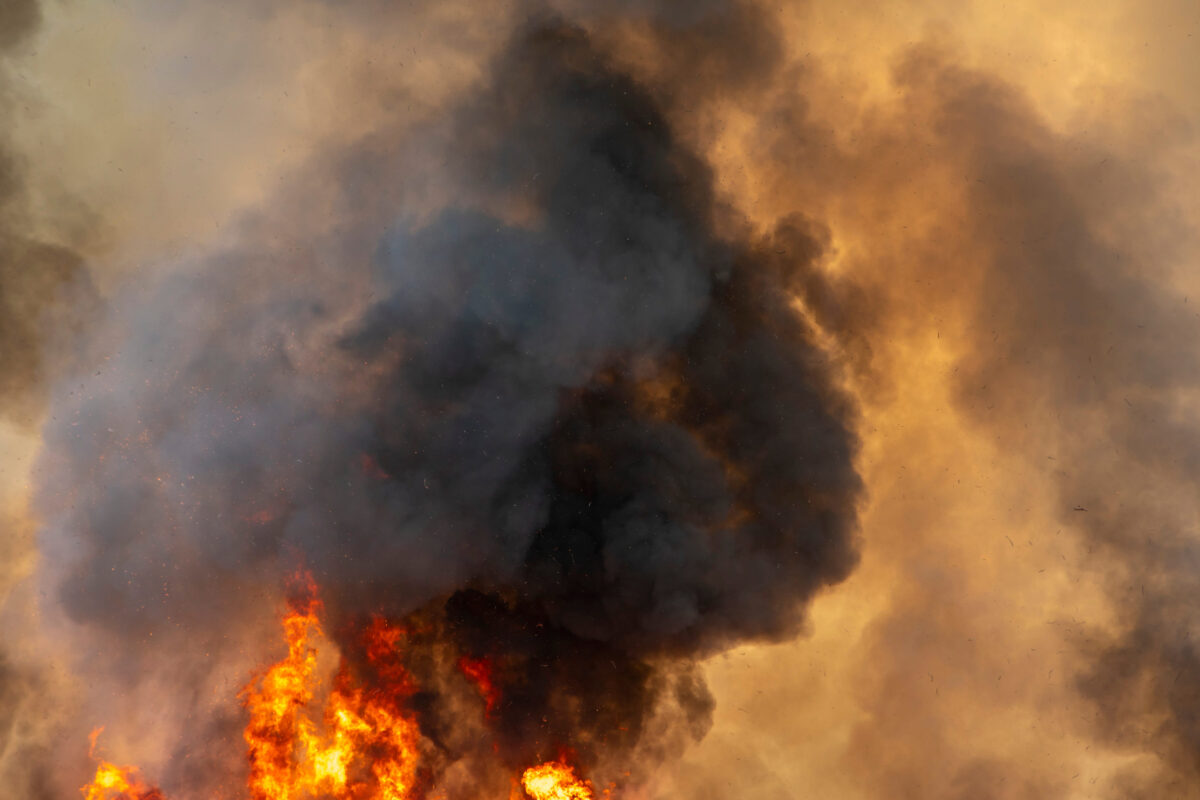
The Palisades Fire was already one of the most destructive wildfire events to hit Los Angeles in recent years. But what began as a natural disaster has now evolved into a legal and political controversy that reaches deep into City Hall and even into Mayor Karen Bass’ own family.
At the center of the growing storm is a surprising alignment: former reality television personality Spencer Pratt and Kenneth Bass, the mayor’s brother, are now linked by a legal battle stemming from the fire’s destruction. Their involvement has pushed an already emotional lawsuit into the national spotlight.
For many residents, however, this is not about celebrity names or political headlines. It is about accountability, survival, and unanswered questions over how the fire was handled.
Kenneth Bass becomes part of a sweeping lawsuit.
Kenneth Bass, a longtime California resident and brother of Los Angeles Mayor Karen Bass, is among thousands of plaintiffs involved in litigation connected to the Palisades Fire.
Court filings describe significant property loss, emotional distress, and health impacts linked to smoke exposure. His inclusion in the case is legally similar to many other residents who lost homes or suffered damage during the blaze.
But the political sensitivity is unavoidable. Because of his family connection to the mayor, his involvement has drawn far more attention than a typical plaintiff in a wildfire lawsuit would receive.
City officials have emphasized that thousands of residents have joined similar claims and that Kenneth Bass’ participation does not change the city’s official position on the fire response.
Still, the optics are difficult to ignore, especially as scrutiny of Los Angeles’ emergency systems continues to grow.
Spencer Pratt turns personal loss into public pressure.
Spencer Pratt, widely known from reality television, lost his Pacific Palisades home in the fire. Since then, he has transformed his personal loss into a broader public campaign criticizing the city’s handling of wildfire preparedness and emergency response.
Pratt even launched a political campaign for mayor following the disaster, framing his platform around frustration with infrastructure breakdowns, evacuation planning, and government accountability. Although he did not advance politically, he has remained active in public discourse surrounding the fire.
Now, his alignment with Kenneth Bass in the legal process has added another layer of visibility to the case. Pratt has argued that the fire was not purely a natural disaster but the result of systemic failures that worsened its impact.
His outspoken position has resonated with some fire victims while drawing criticism from officials who argue that the fire’s intensity overwhelmed even prepared systems.
Water systems and emergency response under scrutiny
A major focus of the lawsuit involves allegations related to Los Angeles’ water infrastructure during the Palisades Fire.
The Los Angeles Department of Water and Power has stated that its system was pushed beyond capacity as firefighters battled rapidly spreading flames across steep terrain. According to preliminary reports, pressure loss occurred in high-elevation zones, limiting water flow in certain areas.
Officials also explained that storage tanks were depleted as demand surged simultaneously from hydrants, firefighting operations, and damaged infrastructure.
One of the most controversial elements has been the Santa Ynez Reservoir, which was offline for repairs during the fire. Critics have pointed to its absence as a contributing factor in reduced water availability, while later analyses suggest the situation was more complex, involving pressure distribution rather than total water supply alone.
Despite these explanations, many residents remain unconvinced. For those who watched neighborhoods burn, technical reports do little to ease the memory of hydrants with low or no pressure when they were needed most.
Political pressure rises for Mayor Karen Bass.
For Mayor Karen Bass, the lawsuit creates an unusually personal political challenge. While she has repeatedly emphasized that wildfire disasters affect entire communities rather than individual families, the fact that her own brother is part of the legal action intensifies public attention.
Opponents have seized on the situation as a symbol of broader frustration with city leadership, while supporters argue that blaming the mayor for large-scale wildfire damage oversimplifies a complex emergency scenario.
The situation places Bass at the intersection of governance and personal loss , a position few elected officials ever face in such a public way.
Residents remain at the center of the crisis.
Beyond the political and celebrity attention, thousands of residents continue to deal with the aftermath of the Palisades Fire.
Families are still navigating insurance disputes, temporary housing, rebuilding delays, and emotional trauma from losing homes and belongings. For many, the lawsuit represents not just a legal process, but a search for answers about why the fire caused such widespread destruction.
Some plaintiffs argue that earlier investment in infrastructure, improved emergency coordination, or better fire prevention planning could have reduced the scale of damage. Others focus on compensation and recovery, seeking financial relief to rebuild their lives.
A legal battle that continues to expand

As the lawsuit moves forward, more plaintiffs are expected to join, and additional details about emergency response decisions are likely to emerge in court filings.
What began as a wildfire has now become a long-term legal confrontation involving government agencies, infrastructure systems, public officials, and private residents.
And while the legal arguments unfold in courtrooms, the broader public debate continues outside them,, fueled by questions about preparedness, responsibility, and whether Los Angeles is truly ready for the next major fire.