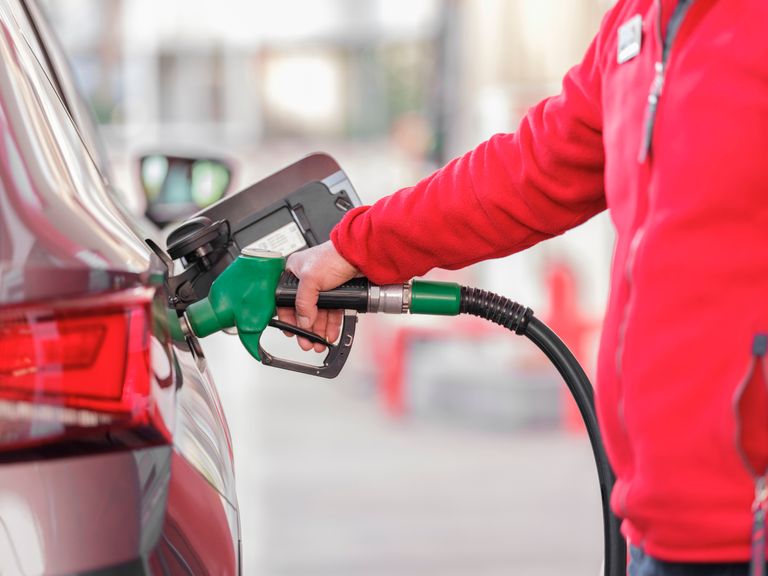
Relief at the Pump for Drivers as Oil Drops on U.S.–Iran Breakthrough Talks
For weeks, the pain at the pump has felt like one more summer expense Americans could not dodge. Families planning road trips, commuters already squeezed by grocery bills, and small businesses watching delivery costs all had the same question: how much worse could gas prices get? On Monday, the answer became a little less grim.
Oil prices fell sharply after U.S. officials announced an agreement with Iran that could reopen the Strait of Hormuz, one of the world’s most important oil shipping routes. The move sent a jolt through energy markets and gave drivers reason to hope that gasoline prices may finally begin to ease after weeks of pressure.
West Texas Intermediate crude, the U.S. benchmark, fell by about 5% and hovered near $80 a barrel. That was the lowest level since March, according to market data cited in the report. Stocks also climbed as investors reacted to the possibility that one of the biggest global energy disruptions in months could be nearing resolution.
For everyday Americans, this is not just a Wall Street story. It is a grocery-store story, a school-drop-off story, a summer-vacation story, and a small-business survival story.
What Happened
President Donald Trump said the United States and Iran had reached a deal that would reopen the Strait of Hormuz, the narrow waterway that carries a major share of the world’s oil supply. The strait had become a flashpoint during the conflict, and its closure helped push crude oil and gasoline prices higher.
Trump said in a social media post that the agreement would allow ships to move again and remove the U.S. naval blockade. Iranian Deputy Foreign Minister Kazem Gharibabadi also confirmed that the deal had been finalized and said it would be signed in Switzerland on Friday.
That timeline matters because oil markets often move before drivers see changes at the pump. Traders react quickly to expected supply shifts, but gasoline prices usually take longer to adjust because fuel must be refined, distributed, and sold through regional markets.
Still, Monday’s market reaction was immediate. Crude oil dropped, while major stock indexes rose. The Dow Jones Industrial Average climbed more than 500 points, while the S&P 500 and Nasdaq also rose as investors bet that lower energy costs could ease pressure on consumers and businesses.
Why Drivers Should Care
The national average price for a gallon of gas stood at $4.06, according to AAA data cited in the report. That is down 46 cents over the past month, a decline of more than 10%.
But that relief comes with an important catch. Gas prices remain more than $1 higher than they were before the conflict pushed oil markets into crisis.
That difference is why many households may not feel much relief yet. A driver with a 15-gallon tank is still paying about $15 more per fill-up than before the spike. For a family filling up two cars every week, that can add up to more than $100 a month in extra fuel costs.
For delivery drivers, rideshare workers, contractors, landscapers, truckers, and small restaurant owners, the effect can be even larger. Higher fuel prices do not stay at the gas station. They move into shipping, food delivery, construction materials, airline tickets, and the cost of getting basic goods into stores.
That is why a drop in oil prices can matter even to people who do not follow energy markets. When crude falls, it can lower pressure across the economy, though the savings may take time to show up.
Why Locals May Notice Changes Unevenly
Not every community will see lower gas prices at the same pace. Drivers in California, Washington, Nevada, Hawaii, and parts of the Northeast often pay more because of state taxes, fuel standards, refining costs, and distance from supply hubs.
Drivers in the Gulf Coast, Midwest, and some Southern states may see price drops sooner because those regions are closer to major refining and distribution networks.
There is also a timing issue. Gas stations buy fuel at different prices and sell it through existing inventory before fully adjusting prices. That means one neighborhood station may cut prices while another stays high for several more days.
The summer travel season adds another complication. Fuel demand usually rises as families hit the road, and summer gasoline blends can cost more to produce. Even with lower oil prices, strong demand can keep pump prices from falling as quickly as drivers want.
So the headline may say oil prices fell, but the local reality may depend on where someone lives, how far fuel must travel, and how quickly retailers update prices.
Background: Why One Waterway Moved the Market
The Strait of Hormuz is not just another shipping lane. It is one of the most important energy chokepoints in the world.
A large share of global oil supply moves through the strait, which sits between Iran and Oman and connects the Persian Gulf with the wider global market. When the route becomes unstable, oil traders begin pricing in risk almost immediately.
That risk is often called a war premium. It means buyers pay more because they fear future disruption, even before shortages fully arrive. In this case, the closure of the strait helped create a major oil shock that pushed crude prices higher and sent gasoline prices climbing.
Crude oil is the largest single component of gasoline prices. Refining, taxes, transportation, and retail costs all matter, but crude is the part most tied to global events. That is why a conflict thousands of miles away can show up days later on a gas station sign in Ohio, Arizona, Georgia, or Pennsylvania.
The United States produces a large amount of oil and is a net exporter of petroleum. But American drivers are still exposed to global price swings because oil trades on a worldwide market. When global supply tightens, U.S. prices can rise too.
That is the part many consumers find frustrating. Even when the U.S. produces plenty of energy, a crisis overseas can still raise prices at home.
What Happens Next
The key date now is Friday, when the agreement is expected to be formally signed in Switzerland. Until then, the market may remain jumpy.
Trump said the strait would reopen after the signing, with oil flow tied to the removal of mines. That detail is important because reopening a major shipping route is not as simple as making a political announcement. Ships, insurers, port operators, energy companies, and governments all need confidence that the route is safe.
If the deal holds and shipping resumes smoothly, crude prices could continue easing. That would increase the chance of lower gasoline prices in the coming weeks.
But if the agreement stalls, if there are security concerns in the strait, or if shipping companies hesitate to return, prices could swing back up. Energy markets are highly sensitive to uncertainty, especially during geopolitical conflict.
Analysts will also watch refinery capacity, U.S. inventories, summer travel demand, and whether global producers increase supply. Any of those factors could slow the decline in pump prices.
For drivers, the practical next step is simple: watch local prices over the next two weeks, not just the national average. The first visible signs of relief may appear unevenly, with some stations moving faster than others.
Why It Matters
This story matters because fuel prices shape daily life in ways many Americans feel but can’t explain.
A cheaper barrel of oil can mean a cheaper commute. It can mean a slightly less expensive grocery run. It can mean a family road trip becomes possible again, or a small business gets a little breathing room after months of higher operating costs.
But it also shows how fragile household budgets have become. A single global chokepoint can raise the cost of driving to work in Kansas, picking up kids in Florida, delivering food in Texas, or visiting relatives in Michigan.
The drop in oil prices is good news, but it is not a guarantee. The deal still has to be signed, the Strait of Hormuz still has to reopen safely, and gasoline prices still have to work their way through the supply chain before drivers feel real savings.
For now, Americans have a reason to look at the pump with cautious optimism. Prices are moving in the right direction, but the real test will come when the agreement moves from announcement to action.
Until then, the question for drivers is not whether oil fell on Monday. It is whether that fall reaches their local gas station before summer travel bills pile up again.