8 Disturbing Secrets Airlines Don’t Want You to Know
Airlines are often hailed as the gateway to adventure, connecting people to the world’s most coveted destinations. But as passengers, we seldom get a behind-the-scenes look at the unsettling practices that go on in the aviation industry.
Whether it’s the inflated costs, questionable safety practices, or the harsh realities of flight experiences, there’s more going on than meets the eye. Let’s dive into 8 disturbing secrets airlines don’t want you to know. These eye-opening truths may just change the way you travel.
Hidden Fees

Anyone who has booked a flight knows that the price you see isn’t always the price you pay. Airlines often hide additional fees that can add hundreds of dollars to your final cost. From baggage fees and seat selection charges to the high costs of in-flight snacks and drinks, these “extras” are not always clearly outlined at the time of booking.
For example, while budget airlines might offer seemingly low-cost tickets, they often add hefty fees for checked bags, carry-ons, and even boarding passes. Many passengers are shocked when their $100 flight ends up costing $250 after all the extra charges are added. Some airlines even charge for basic services, such as printing a boarding pass at the airport or selecting a seat with extra legroom.
Overbooking Flights
One of the most common practices in the airline industry is overbooking flights. This means that airlines sell more tickets than there are seats on the plane. While this might sound like a recipe for disaster, airlines defend the practice by saying it compensates for passengers who don’t show up for their flights.
The truth? Overbooking is a profit-maximizing strategy. Airlines rely on complex algorithms to predict how many passengers will miss flights, but these algorithms aren’t always accurate. When too many passengers show up, the result is chaos at the airport and frustrated travelers.
If you find yourself bumped from a flight, don’t expect it to be easy. While airlines are legally required to compensate you, the terms of that compensation vary and are often buried in fine print. In most cases, passengers may receive a voucher or meal, but it’s hardly ever a perfect solution.
The Shocking Truth About Airline Safety Standards
Airline safety is something we take for granted, but it might not be as ironclad as we think. While flying is still one of the safest ways to travel, some airlines push safety regulations to the limit, sometimes cutting corners in ways that could compromise passengers’ well-being.
The aviation industry is known for its complex web of regulations, and although most airlines follow these safety standards, some have been caught skimping on maintenance, safety checks, and even pilot training.
When airlines try to save money by minimizing safety inspections or maintaining outdated fleets, the risks rise. The repercussions can be devastating, but the public rarely sees the consequences of these decisions until something goes wrong.
Airline Loyalty Programs

Frequent flyer programs were designed to reward loyal customers, but in reality, they often do the opposite. Airlines rely on these programs to keep you coming back, but the reality is that you’re often not getting the rewards you think you are.
The number of points you earn per flight often isn’t proportional to the price of the ticket, and you may need to take numerous flights to reach a reward threshold that will actually get you a free flight.
Additionally, rewards programs often come with blackout dates or restrictions that make it difficult to redeem your points when you need them most.
The Hidden Dangers of Airplane Food
If you think the airplane meal you’re served is safe and nutritious, think again. The airline food industry has long been plagued by hygiene and safety issues. Many passengers don’t realize that airplane food is often prepared days before a flight and stored in suboptimal conditions. Even though these meals are typically reheated just before serving, the long storage period raises questions about food safety standards.
Airline catering operations are usually outsourced to third-party companies, and while some airlines maintain strict standards, others cut costs by selecting cheaper vendors. This can result in low-quality, nutritionally deficient meals, which can sometimes lead to foodborne illnesses. In fact, there have been cases of food poisoning outbreaks traced back to airline catering services, but these incidents are rarely made public.
The Airlines’ Dirty Secret
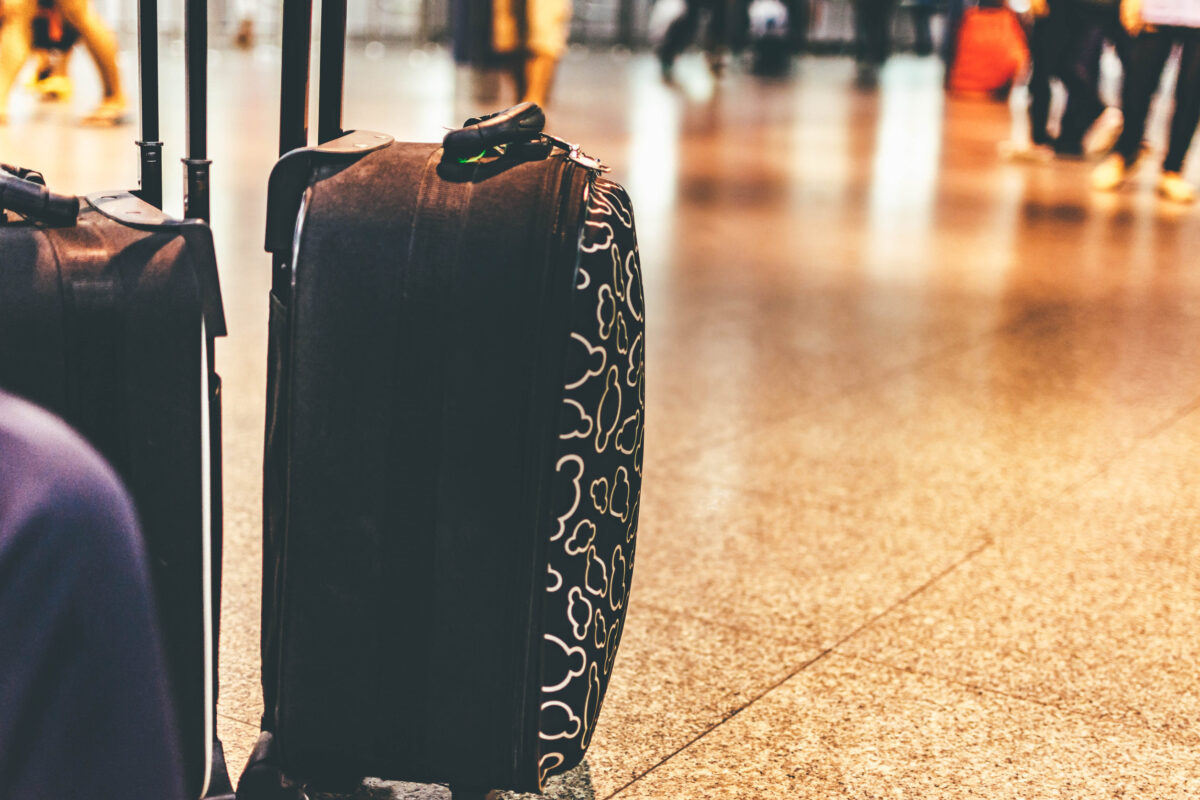
Lost luggage is more common than you might think, and while most airlines have systems in place to track bags, things can, and often do, go wrong. From short layovers to mishandling by ground staff, there are countless reasons why your bags might not make it to your destination. Worse still, when bags are lost, they aren’t always returned in a timely manner.
In the event that your luggage is lost, don’t expect much help. Airlines are required to compensate you for lost baggage, but the process is often long and cumbersome. They may offer you a meager reimbursement or a gift card for future travel, but the reality is that most passengers don’t get what they’re truly entitled to. Even after all the inconvenience, getting your items back can be a nightmare, especially if they’ve been lost for an extended period.
Airline Ticket Prices
If you’ve ever noticed ticket prices fluctuating wildly during your search, you’re not imagining things. Airline prices are heavily influenced by algorithms that track everything from booking trends to competitor pricing.
While the method is designed to maximize airline profits, it often leaves passengers at a disadvantage. You might find that the price for the same flight is higher or lower depending on when you check, and there’s often no rhyme or reason to it.
To get the best deal, it’s essential to understand these pricing patterns. Tickets are usually cheaper when booked well in advance or at the last minute. Airlines use these tactics to sell as many tickets as possible at varying prices, making it harder for passengers to predict the best time to buy.
The Reality of In-Flight Customer Service
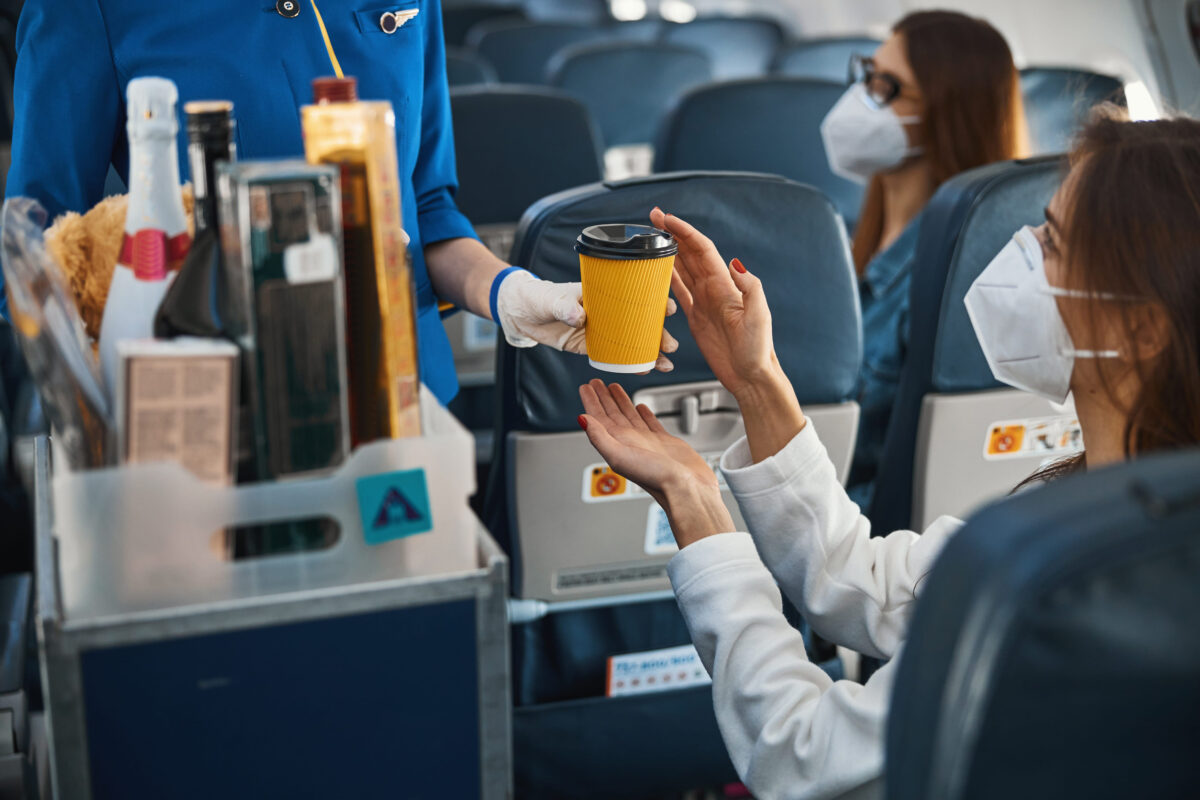
Flight attendants are often seen as mere servers in the sky, but their jobs involve much more than handing out snacks. They are responsible for passenger safety, emergency protocols, and the management of difficult situations. Unfortunately, these duties often take a toll on their well-being, and many flight attendants suffer from burnout due to the emotional and physical strain of the job.
Despite their responsibilities, flight attendants are often limited in how much they can assist passengers. Whether it’s a delayed flight, a lost bag, or a malfunctioning seat, airlines often cut back on customer service resources, leaving attendants in a tough spot. When things go wrong, you might be left with little help from those who are supposed to be looking out for you.
Conclusion
Airline travel, while convenient, comes with hidden challenges and secrets that passengers often overlook. From hidden fees and overbooked flights to the frightening truth about airline safety, it’s clear that travelers are often left in the dark. As consumers, being aware of these disturbing secrets can help us make more informed choices and better navigate the world of air travel. Next time you book a flight, keep these secrets in mind and don’t be afraid to question the fine print.