10 Heavy Metal Scandals That Shaped the Genre
Heavy metal has long been a genre that thrives on rebellion and defies societal norms. From its inception in the late 60s and early 70s, the genre has been at the center of many controversies, often sparking debates over artistic expression and public morality. These shocking moments have not only defined the image of metal but also revealed the genre’s deeper, often dark undercurrents. Let’s explore 10 of the most shocking moments in metal history that made headlines, changed perceptions, and helped define the genre’s bold identity.
Ozzy Osbourne’s Bat Incident

One of the most iconic and bizarre moments in metal history came in 1982, when Ozzy Osbourne, the “Prince of Darkness” himself, bit the head off a bat during a live performance. The incident occurred when an audience member threw what Ozzy believed to be a rubber bat onto the stage. But it was real, and the consequences were immediate.
Ozzy was rushed to the hospital for rabies shots. The event became an emblem of Osbourne’s notorious stage antics and solidified his reputation as the ultimate shock rocker. For decades, fans and critics alike would recall the bat incident, a moment so ingrained in metal culture that it has transcended even the music itself.
Marilyn Manson and the Columbine Tragedy
When tragedy struck at Columbine High School in 1999, Marilyn Manson found himself unfairly blamed by the media for the actions of the shooters. The public quickly associated Manson’s dark, controversial persona and music with the violence, even though investigations later proved the perpetrators were not fans.
The controversy led to a massive public backlash, including cancelled concerts and threats to Manson’s safety. His response, a poignant editorial for Rolling Stone, questioned the societal tendency to blame artists for societal issues, marking the incident as one of the most unfair and reflective moments of moral panic in metal history.
Tipper Gore and the “Filthy Fifteen”
In the mid-80s, a fierce battle over music censorship erupted when Tipper Gore, the wife of former Vice President Al Gore, led a campaign against what she deemed “inappropriate” music for children. Her Parents Music Resource Center (PMRC) compiled the “Filthy Fifteen,” a list of songs that she claimed were unsuitable for young ears.
Many of these songs were from heavy metal bands, leading to Senate hearings where artists like Dee Snider of Twisted Sister famously defended their right to free speech. This battle not only birthed the iconic Parental Advisory sticker but also underscored metal’s longstanding relationship with controversy and its role in pushing against societal constraints.
Judas Priest’s Subliminal Message Trial

In 1990, the iconic heavy metal band Judas Priest found themselves embroiled in a bizarre and deeply troubling legal battle. The band was accused of embedding subliminal messages in their song “Better by You, Better than Me,” which allegedly led two young men to attempt suicide. The trial, filled with absurd claims and accusations, became the epitome of the “Satanic Panic” hysteria that dominated the 1980s. Despite the case being dismissed, the trial left lasting questions about the limits of artistic expression and the dangers of censorship in the face of public fear.
Mayhem’s Infamous Violence
Mayhem, a seminal band in the Norwegian black metal scene, became infamous for its violent history both onstage and off. In 1991, vocalist Per “Dead” Ohlin tragically committed suicide, and his bandmate Øystein “Euronymous” Aarseth shocked the world by photographing the body and later using it as an album cover. Things only became more horrific when, in 1993, Varg Vikernes of Burzum murdered Euronymous in a brutal attack.
The murder was accompanied by a series of church burnings, cementing Mayhem’s connection to real-world violence. This horrifying chapter in black metal’s history forever shaped perceptions of the genre’s embrace of darkness and violence.
Vince Neil’s Drunken Crash
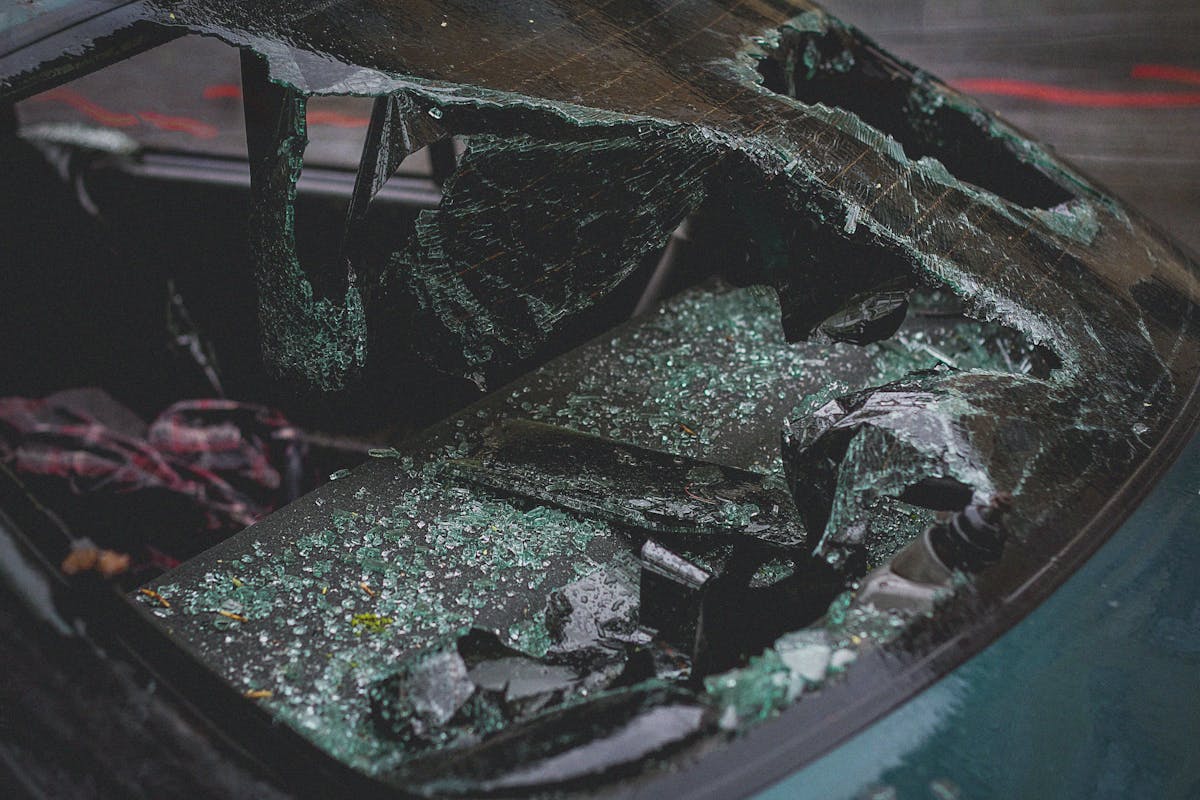
Mötley Crüe’s Vince Neil was infamous for his reckless, party-hard lifestyle, but in 1984, it crossed a tragic line. Neil was responsible for a drunk-driving crash that killed Hanoi Rocks drummer Nicholas “Razzle” Dingley. The incident shocked the rock world, not only due to the loss of life but because Neil received a shockingly light sentence, just 30 days in jail, of which he served 15. This led to accusations of celebrity justice and revealed the grim reality of the consequences of the infamous “sex, drugs, and rock ‘n’ roll” lifestyle.
Metallica’s War Against Napster
In 2000, Metallica launched one of the most polarizing lawsuits in music history when they sued the file-sharing service Napster for copyright infringement. The lawsuit accused Napster of enabling widespread music piracy, an issue that had been affecting artists and the music industry as a whole. The case led to intense fan backlash, with many accusing Metallica of being sellouts and betraying their anti-establishment roots.
Though the lawsuit eventually contributed to Napster’s demise, it also sparked debates over the evolving relationship between music piracy, artists’ rights, and the internet.
Phil Anselmo’s Racist Outburst
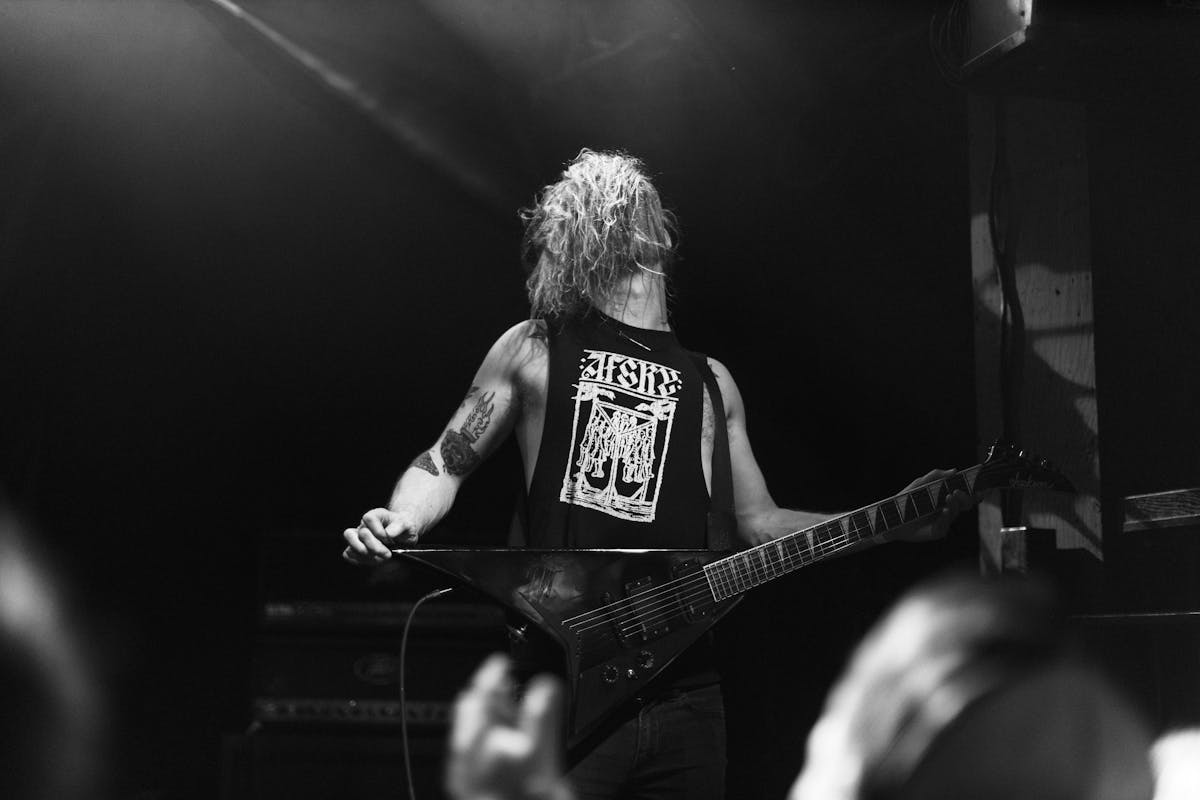
In 2016, former Pantera frontman Phil Anselmo ignited one of the most heated controversies in recent metal history when he made racist gestures during a tribute concert for Dimebag Darrell. His salute, accompanied by shouting “white power,” was caught on camera and immediately condemned by fans and musicians alike. Anselmo initially attempted to brush it off as an inside joke, but the fallout was severe, forcing him to publicly apologize. The controversy led to broader discussions about racism within the metal scene and whether fans should separate the artist from their actions.
Black Sabbath’s Role in the Satanic Panic
Black Sabbath, the band often credited with pioneering heavy metal, became the focal point of a moral panic during the 1970s. Their dark imagery, ominous sound, and lyrics referencing the occult led to widespread accusations that they were promoting Satanism. Religious groups launched campaigns to ban their music, even organizing record-burning events.
Sabbath members, particularly Ozzy Osbourne, repeatedly clarified that their lyrics were artistic expressions, not invitations to worship the devil. However, the controversy ultimately played a role in fueling the genre’s mystique and rebellious appeal.
Lemmy Kilmister’s Nazi Memorabilia Collection
Lemmy Kilmister of Motörhead was a revered figure in metal, but his controversial collection of Nazi memorabilia sparked outrage in 2008. The collection included items like uniforms, daggers, and medals, and it became a focal point for accusations that Lemmy harbored Nazi sympathies.
Although Lemmy explained that his interest in the memorabilia was historical rather than ideological, the controversy raised uncomfortable questions about the use of provocative imagery in the genre. This incident highlighted the fine line between the shock value that metal often embraces and the potential harm caused by such symbolism.
Conclusion
Heavy metal has always been a genre that courts controversy, whether through its lyrics, onstage antics, or the behavior of its most infamous artists. These scandals have not only captured the public’s attention but also helped shape the genre’s identity as a rebellious, boundary-pushing force.
From Ozzy’s bat-biting to Metallica’s war with Napster, each controversy has revealed the complexities of balancing artistic freedom with societal expectations. In the end, heavy metal’s willingness to challenge norms and provoke strong reactions is what has made it one of the most enduring genres in the music world.