10 Decorating Mistakes Designers Notice Immediately
The decorating mistakes designers hate most are rarely about taste. They are about imbalance, weak planning, and missing details that make a room feel intentional. The rug floats alone, the curtains sit too low, the bulbs clash, the sofa blocks the flow, and suddenly the space feels uneasy, even though every item looked good when we bought it.
Here are 10 decorating mistakes designers notice before you even offer them a seat
Using Rugs That Are Too Small For The Room
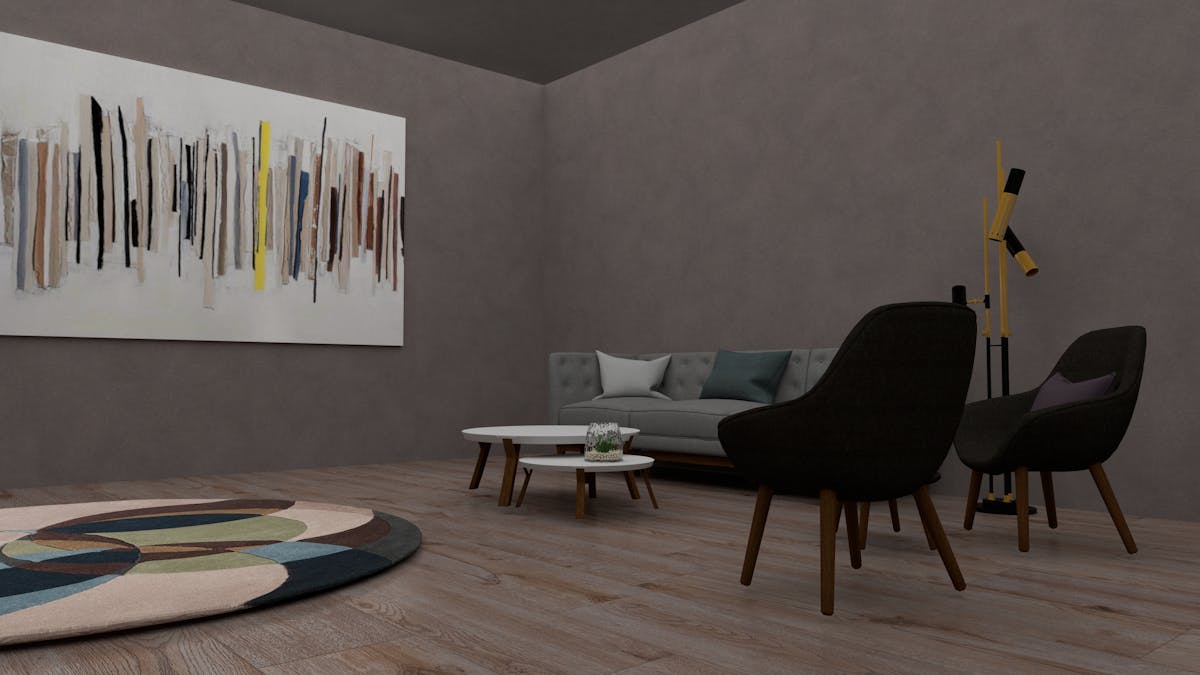
A small rug is one of the fastest ways to make a room feel cheap, even when the furniture is expensive. We often choose a smaller rug because it costs less, seems easier to clean, or looks fine when rolled up in the store.
Once it lands in the room, the problem becomes obvious. The furniture looks disconnected, the seating area floats awkwardly, and the floor feels chopped into pieces rather than grounded. A larger rug makes the room feel calmer, wider, and more finished by providing a shared foundation for the furniture.
Mixing Light Bulb Temperatures In One Space
Lighting can make a beautiful room look clinical, gloomy, or strangely uneven. One of the most common decorating mistakes designers hate is using warm bulbs in one lamp, cool bulbs in another fixture, and daylight bulbs in the ceiling.
The eye may not know the technical reason, but the body feels the mismatch immediately. The room looks patchy, and the colors don’t work together.
Leaving Rooms Without Art, Books, And Accessories
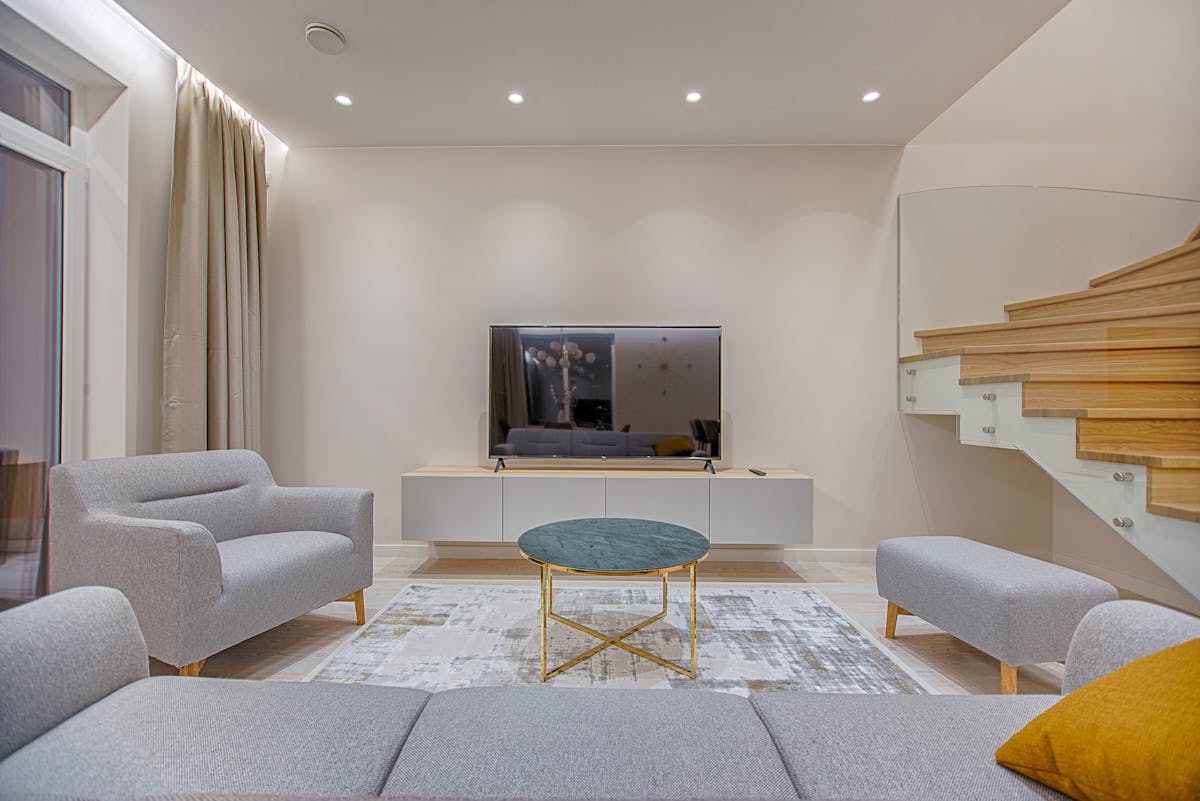
A room with only large furniture often feels like a showroom waiting for a buyer. The sofa may be comfortable, the coffee table may be expensive, and the bed may be perfectly made, but the space still feels empty.
That happens when we ignore the final layer. Accessories, art, books, ceramics, plants, framed photos, trays, and meaningful objects give a home its voice.
Choosing Furniture Without Measuring Scale
Scale can ruin a room even when every individual piece is attractive. A sofa that is too large can swallow a living room. A tiny coffee table can look lost in front of a sectional. A narrow nightstand beside a tall bed can feel weak and accidental.
These mistakes happen when we shop by emotion rather than by measurement. A good scale creates comfort because every item looks like it belongs in the room rather than fighting for attention.
Buying Full Matching Furniture Sets
Matching furniture sets seem safe, but they often make a home feel flat. A bedroom where the bed, dresser, mirror, and nightstands all come from the same collection may look coordinated, yet it can lack soul.
A living room with matching tables, chairs, and storage can feel more like a furniture showroom than a layered home. The goal is not chaos. The goal is depth. A room should look as if it has been gathered over time, even when we decorate it in a short period.
Hanging Curtains Too Low Or Too Short
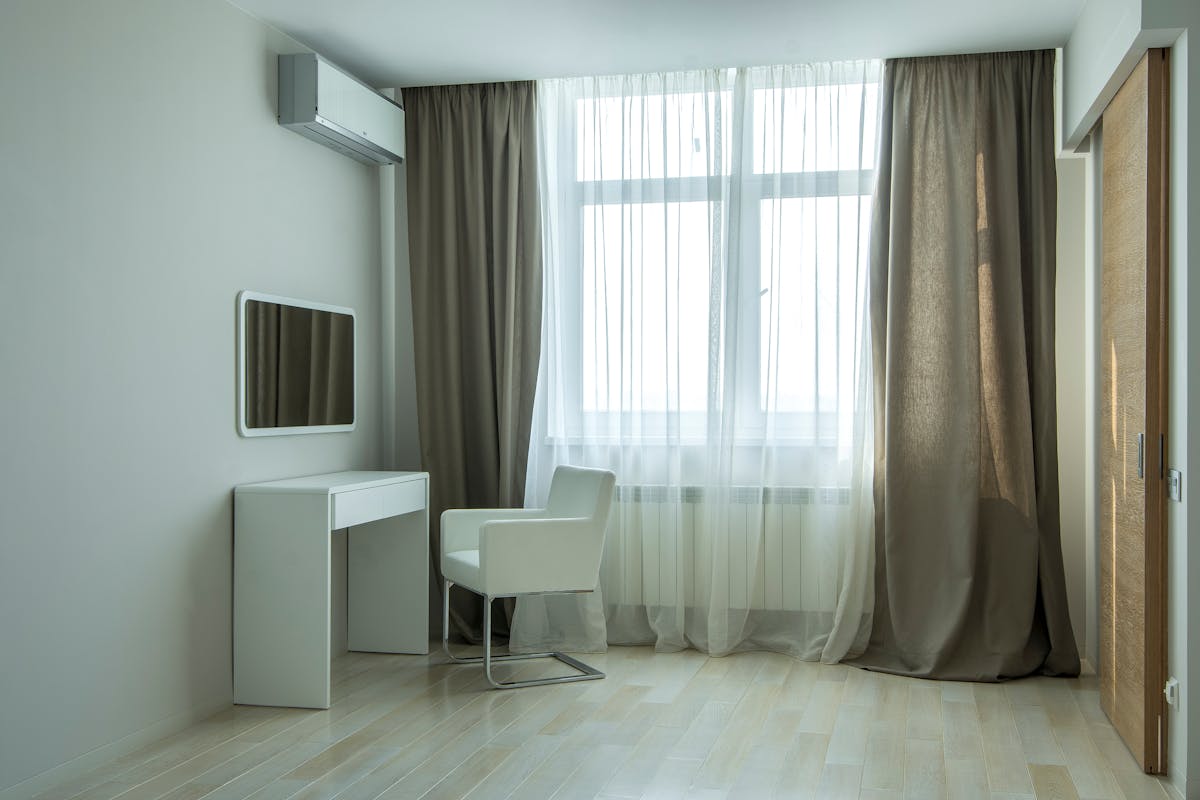
Curtains can either lift a room or shrink it. When curtain rods sit directly above the window frame, the ceiling feels lower. When panels stop awkwardly above the floor, the room looks unfinished.
When curtains are too narrow, they block light and make windows seem smaller. Designers notice poor curtain placement quickly because it changes the whole architecture of a room.
Mounting Art And TVs Too High
Wall decor often fails because we hang it for standing people, not for the way the room is used. Artwork that sits too high feels disconnected from the furniture beneath it. A television mounted too high forces the neck into an uncomfortable angle and turns a relaxing room into a strained viewing zone.
The wall may be filled, but the experience feels wrong. Comfort matters as much as appearance because good design supports the body, not just the camera.
Painting Walls With Poor Edges And Patchy Coverage
Paint is one of the most powerful decorating tools, but poor execution makes even the best color look careless. Uneven edges, drips, roller marks, thin coverage, and messy corners can distract from the room’s overall look.
A deep green accent wall may sound stylish, but it loses impact if the ceiling line is jagged and the trim is painted. A clean paint finish makes the room feel sharper, fresher, and more intentional.
Decorating Too Quickly With Trendy Online Finds
Fast shopping can create slow regret. When every table, lamp, print, and vase arrives within a few days from the same online cart, the room may look complete but feel lifeless. Trends move fast, and homes decorated in one rushed wave often lack memory, contrast, and individuality. The space becomes a copy of whatever was popular that month.
Ignoring Visual Clutter From Electronics
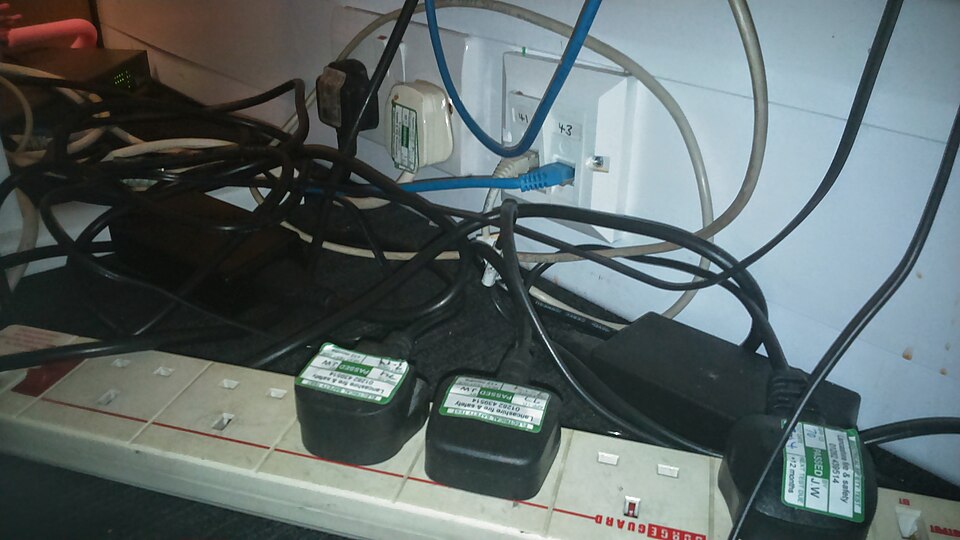
Electronics are part of modern living, but they do not need to dominate every room. Visible cords, gaming consoles, routers, speakers, remotes, chargers, and oversized screens can create visual noise. Even a well-decorated space can feel chaotic when technology sits everywhere without a plan.
Forgetting Traffic Flow And Everyday Function
A room can look attractive in a photo and still fail in real life. If people bump into the coffee table, squeeze around chairs, block doorways, or cannot reach a lamp easily, the design is not working. Function is not the enemy of beauty. It is the foundation that allows beauty to last.
Choosing Decor That Has No Personal Connection
A room can follow every design rule and still feel cold if it has no personal connection. This happens when we copy a Pinterest board too closely or buy decor only because it matches a color palette. The result may be neat, but it lacks emotional weight. It does not tell us who lives there.
Conclusion
Decorating mistakes designers hate are not about shaming personal taste. They are about helping a home feel balanced, comfortable, and genuinely lived in. We can love bold colors, vintage pieces, modern furniture, layered patterns, or quiet neutrals, but every style needs scale, light, proportion, function, and personality to work well.
The goal is not to impress designers at the door. The goal is to create rooms that feel calm, confident, and unmistakably ours.