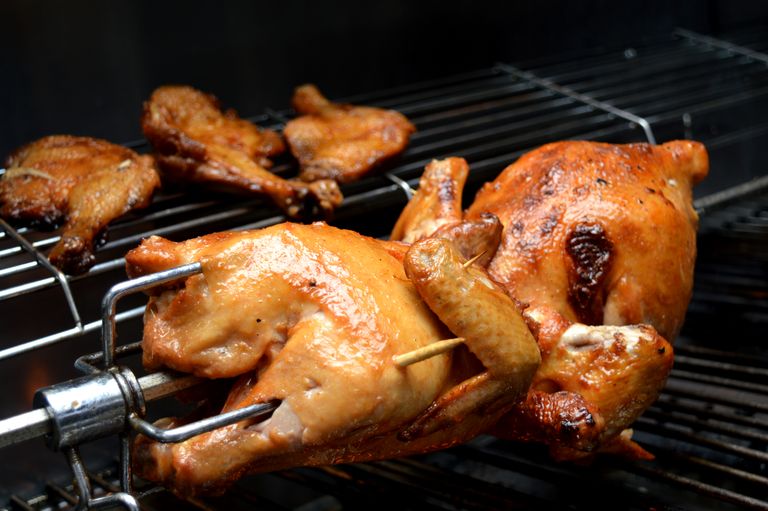
Stop Feeding Your Dog These 12 Dangerous Foods
You might think giving your dog a small bite from your plate is harmless, but that simple act could be putting their life at risk. Every year, thousands of dogs are rushed to the vet not because of accidents, but because of everyday foods their owners never knew were dangerous.
The truth is, some of the most common items in your kitchen can be toxic, even deadly, to your pet in surprisingly small amounts. What makes it worse is that many of these foods seem completely safe, even healthy, to humans.
Before you offer your dog “just a taste,” here’s a comprehensive look at what not to feed your dog, and how you can keep them safe from these silent killers.
Avocados
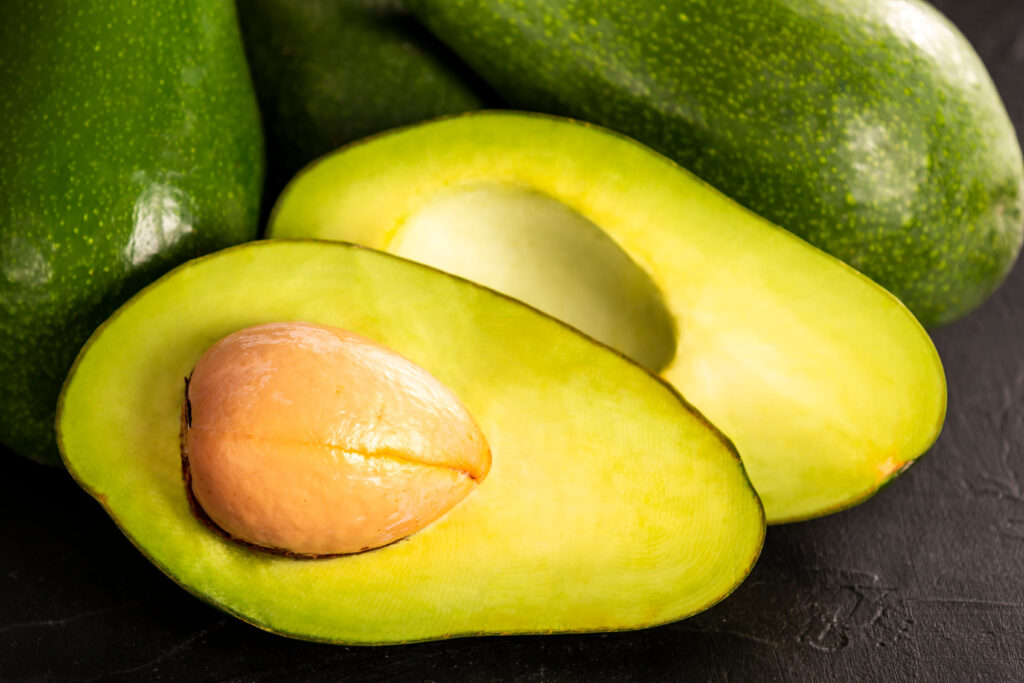
While avocados may be healthy for humans, they’re not safe for your dog. The fruit contains a compound called persin, which can be toxic to dogs in larger amounts. Even though a small amount may not kill your pet, it can still lead to gastrointestinal distress, vomiting, and even heart issues. Add to that the fact that avocado pits can cause choking or obstruction, and it’s easy to see why this fruit should stay off your dog’s plate.
Macadamia Nuts
Macadamia nuts are one of the few types of nuts that are poisonous to dogs. They can cause symptoms like weakness, tremors, vomiting, and even paralysis. Though the exact mechanism behind the toxicity is not fully understood, it’s best to keep these nuts, along with any other nuts, away from your dog. Nuts can also cause blockages, choking, and weight gain, making them a dangerous snack choice.
Raw Dough
If your dog sneaks some raw bread dough, you have a serious problem. The dough continues to ferment in your dog’s stomach, producing alcohol and carbon dioxide. This can cause alcohol poisoning and painful bloating, potentially leading to serious health issues or even death. Even small amounts of raw dough should be treated as an emergency.
Alcohol

It’s easy to assume that a small sip of your drink wouldn’t hurt your dog, but even a small amount of alcohol can be deadly. Alcohol has a much stronger effect on dogs than humans and can lead to poisoning, severe liver damage, and even death. Dogs can’t process alcohol the way we do, so what may seem like a harmless slip can quickly turn into an emergency situation. If your dog accidentally drinks anything alcoholic, you should seek immediate medical attention.
Stone Fruits
While fruits like peaches, plums, and cherries may seem dog-friendly, their pits contain cyanide-like compounds that are toxic to dogs. Swallowing these pits can cause choking or intestinal blockages. Furthermore, the risk of poisoning increases if your dog manages to crack open the pit and consume the seeds. It’s better to stick with safer fruits like apples and blueberries to avoid these hazards.
Spoiled or Moldy Foods
Just like humans, dogs can suffer from food poisoning. Spoiled or moldy food can lead to serious illnesses, including vomiting, diarrhea, and fever. Additionally, certain molds produce mycotoxins, which are highly toxic to dogs. If your dog gets into the trash or finds a forgotten moldy treat, seek help immediately.
Chocolate

We all know chocolate is toxic to dogs, but just how dangerous is it? Chocolate contains two substances, theobromine and caffeine, that dogs can’t metabolize properly. Even small amounts can lead to seizures, irregular heartbeats, and even death. Dark chocolate is especially harmful due to its higher concentration of these toxic compounds, so it’s crucial to keep all chocolate products well out of your dog’s reach.
Coffee and Caffeine
Coffee and other caffeinated beverages can cause extreme reactions in dogs. The stimulant effect that wakes us up can cause seizures, heart arrhythmias, and even death in dogs. Whether it’s a cup of coffee, tea, or an energy drink, if your dog gets into caffeine, it can lead to an emergency vet visit.
Dairy
It’s no surprise that most dogs are lactose intolerant, meaning dairy can cause them significant digestive issues. From bloating to diarrhea and upset stomachs, dairy doesn’t sit well with your dog’s system. While some dogs may tolerate small amounts of cheese or milk, it’s best to avoid giving them dairy altogether. Over time, even small doses can lead to chronic digestive problems.
Garlic and Onions
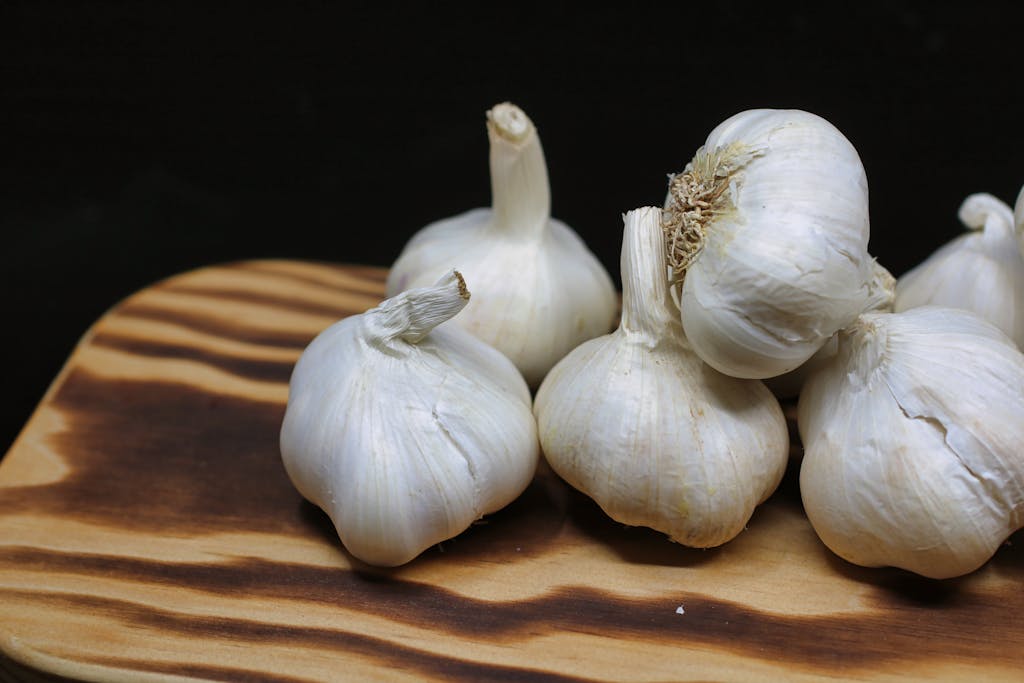
Garlic and onions, whether raw, cooked, or powdered, contain compounds that are toxic to dogs. Even small amounts can cause damage to red blood cells, leading to anemia. Over time, consumption of garlic and onions can accumulate and cause serious poisoning. To keep your dog safe, avoid any foods seasoned with these ingredients, including soups, sauces, or processed snacks.
Fatty Foods
Fatty foods like bacon, sausage, and even fatty meats from your plate may seem harmless, but they are a leading cause of pancreatitis in dogs. Pancreatitis is a painful, serious condition that results from inflammation in the pancreas and can lead to vomiting, diarrhea, lethargy, and even organ failure. Fatty scraps can also contribute to obesity, which opens the door to numerous health problems down the road.
Grapes and Raisins
It’s hard to believe, but grapes and raisins are incredibly toxic to dogs. Even a small handful can lead to kidney failure, which is often fatal if not treated promptly. Some dogs can ingest grapes or raisins without any immediate symptoms, making it harder to detect poisoning. If you suspect your dog has eaten grapes or raisins, take them to the vet immediately, even if they appear fine at first.
Conclusion
Many everyday items in your kitchen, like chocolate, grapes, alcohol, onions, or even raw dough, can cause severe health problems in dogs, ranging from digestive distress to organ failure or death. What makes this especially risky is that some foods don’t show immediate symptoms, meaning damage could already be happening before you notice anything is wrong.
Ultimately, responsible pet care means being intentional about what you feed your dog. Avoid sharing human food unless you’re certain it’s safe, keep harmful items out of reach, and act quickly if accidental ingestion occurs. A little caution goes a long way in protecting your dog’s health and ensuring they live a long, happy life.