Stop Letting These 12 Sneaky Subscription Charges Drain Your Bank Account
Subscriptions were supposed to make life easier. We click once, get instant access, skip the checkout line, avoid high upfront costs, and enjoy whatever service promises to make our days smoother, smarter, healthier, or more entertaining.
One charge may seem small, but ten forgotten charges can quietly drain money without us noticing, leaving the budget feeling tighter than it should.
Free Trials
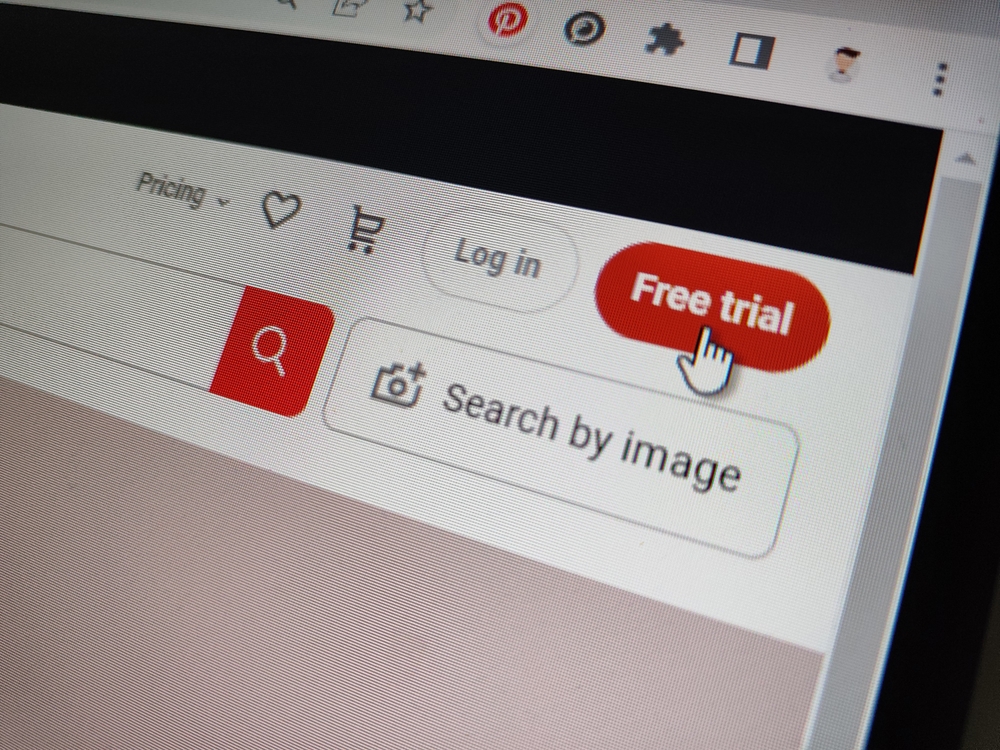
Free trials are one of the most common subscription traps because they feel risk-free. We promise ourselves to cancel before the trial ends, but life gets busy. We forget to set a reminder, the email gets lost, and the “free” service turns into a paid plan before we even remember signing up.
This happens with streaming services, work apps, language tools, photo editors, wellness programs, gaming memberships, and even special apps we downloaded for a single task. The charge might show up weeks later under a company name we hardly know, making it easier to miss. We can avoid this by setting a cancellation reminder the day we sign up, using a temporary card for trials, or canceling right away if the service lets us use it until the trial ends.
Streaming Services
Streaming subscriptions are easy to explain because entertainment feels like a normal part of life today. We sign up for one show, movie, sports event, or family request, then keep the subscription running long after we stop watching. The service stays ready, but our interest moves on.
The problem gets bigger when we subscribe to many services at once. One has popular dramas, another has kids’ shows, another has live sports, and another has comfort shows. Soon, we pay for a full entertainment package without watching enough to make it worth it. A better way is to rotate. We can keep one or two services active each month, cancel the others, and restart them only when there is something special to watch.
Premium App Upgrades

Many free apps are made to make the paid version look tempting. The free version may work fine, but the premium button promises better features, fewer limits, a cleaner look, or a more professional feel. We upgrade because we think the paid version will help us work faster, learn more, or keep going.
The hard part is that many people keep using only the basic features after paying for premium. A note-taking app turns into a fancy checklist. A photo app is used just for simple cropping. A budgeting app sends alerts we ignore. Before keeping a premium app, we should ask: Did we use a paid feature in the last 30 days? If not, the free version might be enough.
Cloud Storage
Cloud storage feels necessary when a phone or laptop warns us that space is almost full. At that moment, paying for extra storage seems easier than sorting through thousands of photos, screenshots, videos, and duplicate files. We upgrade, feel relieved, and move on.
We may switch devices, clean old files, move photos to another service, or stop using that email account, yet the monthly storage fee remains. Cloud subscriptions deserve a quarterly review. We should check how much storage we actually use, delete duplicates, download important files, and cancel plans tied to old accounts or devices.
Fitness Apps

Fitness subscriptions often begin with the best intentions. We want structure, accountability, meal ideas, home workouts, running plans, yoga routines, or guidance on strength training. The app feels like a fresh start, especially at the beginning of the year, before summer, or after a personal health goal.
Then motivation stops. Work gets busy, travel breaks the routine, an injury slows us down, or the excitement fades. The app stays on the phone, quietly charging us for a version of ourselves we wanted to be. We don’t have to cancel every fitness app, but we should match the subscription to what we actually do. If we don’t open the app weekly, we are paying for guilt, not progress.
Meditation and Wellness Apps
Wellness subscriptions can be tricky because they feel like a responsible choice. A meditation app, sleep tracker, breathing guide, or mental wellness service sounds like an investment in peace. That makes us less likely to cancel because the subscription feels positive.
Still, unused wellness apps are not self-care. They are just another bill. If we only use the app during stressful times and ignore it most of the year, a free meditation video, podcast, or simple timer might work just as well. We should keep tools that support our habits, not ones that make us feel guilty for not using them.
Language Learning Apps

Language-learning apps are based on hope. We picture ourselves speaking French in Paris, Spanish with clients, Japanese while traveling, or Mandarin for work. The first lessons feel fun and rewarding because progress is fast.
Then the streak ends. Lessons feel repetitive, reminders get annoying, and the paid plan keeps renewing. The problem is not that language apps are bad. Many are helpful. The problem is paying for a language goal we are no longer working on. If we haven’t done lessons in weeks, we should pause the plan and restart only when we can stick to a real schedule.
News and Magazine Subscriptions
News and magazine subscriptions often start with one article. We hit a paywall, get curious, and subscribe because the first offer seems cheap. After reading, we assume we will come back often enough to make it worth the cost.
Many readers do not. The subscription then becomes an “aspiration bill.” We are not paying for what we read. We are paying for the idea that we are the kind of person who reads it often. A better way is to keep only the publications we use regularly. If we haven’t opened a site in the last month, we should cancel, bookmark it, and come back only if we need it often.
Food Delivery Memberships
Food delivery memberships promise lower fees, free delivery, special deals, and faster checkout. They make sense for people who order a lot. For others, they can become one of the easiest subscription charges to forget.
The risk is mental. Once we pay for a food delivery membership, we might order more just to “get value” from it. That can turn one subscription into higher overall food costs. We should compare the monthly fee with real savings. If we ordered only once or twice last month, the membership might be encouraging a habit that costs more than it saves.
Shopping Memberships

Retail subscriptions and shopping memberships can seem like smart money choices. They may offer faster shipping, special discounts, early access, loyalty rewards, or exclusive products. The problem starts when the membership changes how we shop.
Saving money only works if we were already going to buy those items. If it pushes us to shop more often, add unnecessary items to the cart, or chase member-only deals, it becomes a spending trigger. We should check the real value once or twice a year. If the membership fee costs more than the benefits we actually use, it belongs on the cancellation list.
Beauty Box and Lifestyle Subscriptions
Beauty boxes, grooming kits, fragrance clubs, craft boxes, book boxes, snack boxes, and lifestyle bundles are fun at first because they bring surprises. The first package feels exciting. The second still feels new. By the fifth, the drawer may be full of samples, products, and items we never picked ourselves, but often survive because they feel like small treats.
Yet unused products still represent wasted money. Before renewing, we should look at what is already sitting unopened. If the subscription creates clutter faster than joy, it is no longer a treat. It is a monthly delivery of things we did not need.
Gaming and App Store Subscriptions
Gaming subscriptions, in-app memberships, mobile game passes, and digital extras can be hard to track because they are often linked to app stores. The charge may appear under Apple, Google, PlayStation, Xbox, Nintendo, or another platform, rather than the app or game name. That makes forgotten charges harder to spot.
This group is especially risky for homes with children, shared devices, or old gaming accounts. A game that was popular for one month can keep charging long after everyone stopped playing. We should check subscriptions directly in the app store settings, not just bank statements. That is where hidden renewals often hide.
Conclusion
We should review every subscription like a decision, not a permanent bill. If we use it, value it, and would choose it again today, it can stay.
If we forgot it existed, avoid opening it, or keep it because canceling feels inconvenient, it has already cost enough.