Stop Using These 11 Everyday Items the Wrong Way
Most days, we coast through our routines on autopilot, stacking the dishwasher by habit, zapping leftovers, grabbing whatever plunger is handy, and wrestling with foil as if it’s a stubborn opponent. Yet, tucked inside these everyday objects are clever design secrets and smarter ways to use them that often go unnoticed or were never revealed to us.
When we finally unlock how these everyday items are meant to work, we stop battling against them and start enjoying smoother, easier results.
Treating the Oven Drawer Like Random Storage
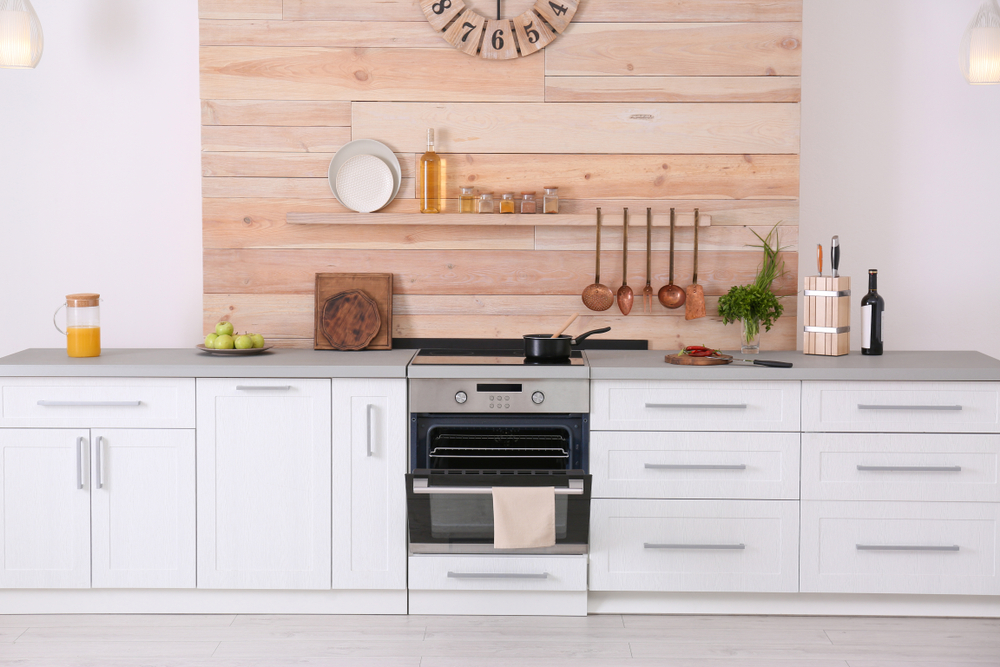
That drawer under the oven is one of the most misunderstood spots in the kitchen. Many people use it to store pans, lids, baking sheets, and anything else that needs a home. Some oven drawers are designed for warming food, some for broiling, and some for storage, so we need to check the appliance manual before assuming its purpose.
If your oven drawer is a warmer, it can keep dinner piping hot while you finish the rest of the meal. This can be a lifesaver during holiday feasts or busy family nights. If it’s a broiler, though, stashing plastic or delicate pans inside spells trouble. Knowing your drawer’s true purpose turns it from a mystery compartment into a kitchen ally.
Shaking Tic Tacs Instead of Using the Lid
The Tic Tac box hides a clever dispenser in its lid. Instead of shaking out a handful when you only want one, tip the container and let the little groove in the cap catch a single mint for you.
Just flip the box upside down, turn it sideways, and open the lid gently. A singl
e mint will be waiting in its tiny tray. It’s a small design touch that proves how much easier life gets when we pay attention to packaging tricks, whether it’s Tic Tacs, spice jars, or detergent caps.
Using Deodorant Only Under the Arms

We usually think of deodorant as an armpit-only solution, but odor and friction can strike elsewhere, like inner thighs or feet. The trick is to use it gently, skip irritated skin, and pick the right product for the job.
It’s also worth knowing: deodorant fights odor, while antiperspirant tackles sweat. What works under your arms might not suit more sensitive spots. Used wisely, deodorant can boost comfort, but it’s no substitute for good hygiene, breathable clothes, or a doctor’s advice if irritation sticks around.
Storing Knives Loose in a Drawer
A jumble of loose knives is trouble for both blades and fingers. Knives banging around dull faster, and reaching in blindly is a recipe for nicks. Store them in a block, on a magnetic strip, or with blade guards for safety and sharpness.
Storing knives properly keeps them sharper and your hands safer. A sharp blade is less likely to slip than a dull one. Skip the dishwasher; heat and detergent can ruin handles and edges. Hand wash and dry right away to keep your knives looking and working their best.
Using Too Much Laundry Detergent
Pouring in extra detergent won’t make your laundry cleaner. In fact, it can leave clothes stiff, trap odors, irritate skin, and gunk up your washer. Today’s machines are built to do more with less soap and water.
The right dose depends on your load, water, and detergent strength, so measure, not guess, especially with concentrated formulas. If your clothes come out stiff or musty, too much soap could be to blame. Using less often means cleaner, softer laundry and a happier washing machine.
Keeping the Refrigerator Too Full or Too Empty
Your fridge needs room to breathe. Overstuffed shelves block cold air, leaving some foods too warm and others icy. But an almost-empty fridge struggles to keep cool because there’s less chilled mass to maintain a steady temperature.
Aim for balance: don’t block vents, leave gaps between containers, and stash go-to items up front. Keep raw meat on the bottom shelf in a tray to catch drips. Use produce drawers for their humidity perks; greens like it moist, fruits prefer it dry. A tidy fridge means fresher food and less waste.
Spraying Cleaning Products Directly Onto Every Surface
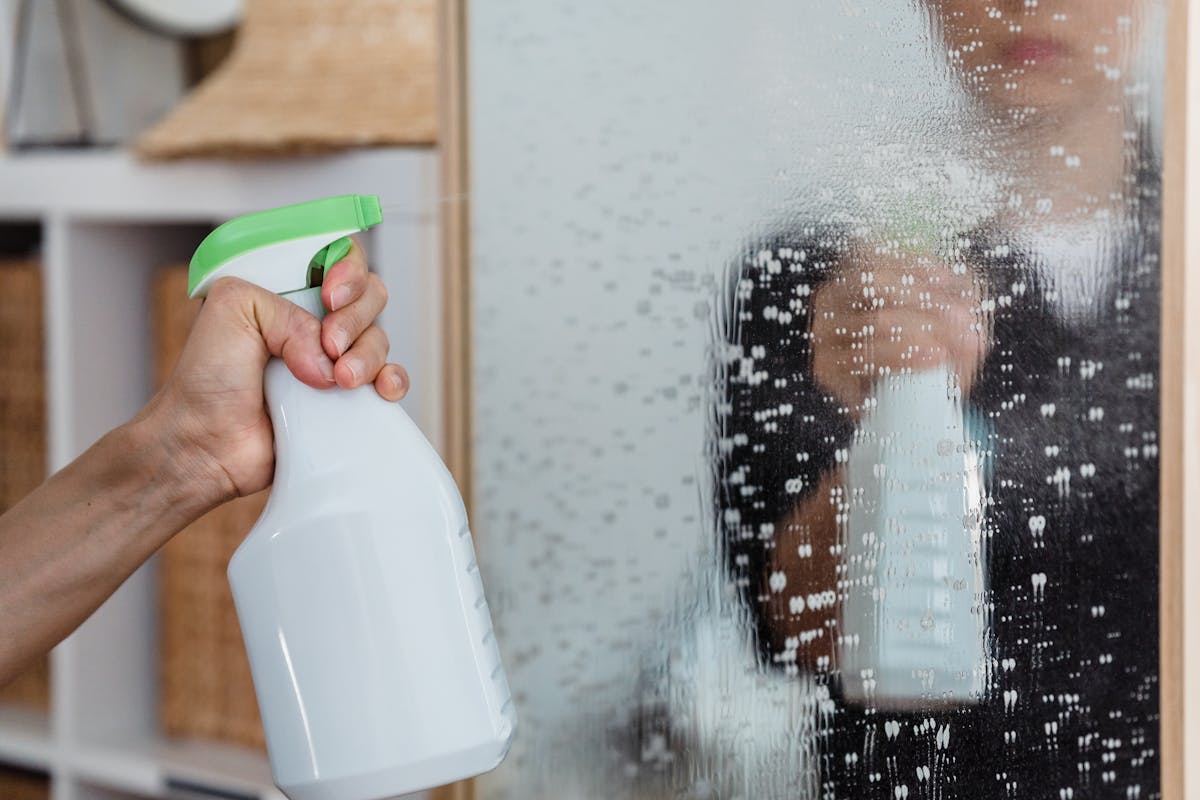
Spraying cleaner straight onto mirrors, electronics, or wood can leave streaks, cause damage, or create sticky buildup. Instead, spritz your cloth first, then wipe. You’ll control the amount and keep liquid from sneaking into seams or screens.
Not all cleaners are created equal. Glass spray doesn’t belong on stone, and harsh disinfectants can ruin delicate finishes. Wood furniture needs a gentle touch and a soft cloth. Match your cleaner to the surface, and let disinfectants sit for their full time before wiping away.
Flushing Wipes That Say Flushable
“Flushable” does not always mean plumbing-friendly. Many wipes do not break down as quickly as toilet paper, which can contribute to clogs in household pipes and larger sewer systems. Even wipes marketed for bathroom use can collect with grease, hair, and other debris.
Toilet paper melts away after flushing, but wipes are built tough, and that is what causes trouble. Toss wipes in the trash, no matter what the label says. This simple switch can save you from costly plumbing disasters and last-minute emergencies.
Using Nonstick Pans on High Heat
Nonstick pans are handy, but they can’t handle every kitchen task. Cranking up the heat can ruin their coating and shorten their lifespan. Stick to low or medium heat, and save the sizzling sear for your stainless steel or cast iron.
Metal utensils are the enemy of nonstick, so reach for silicone, wood, or nylon instead. Stacking pans without protection can also wreck the coating, so use a soft liner or towel. If your pan is scratched, peeling, or warped, it’s time to let it go and upgrade.
Wearing Earbuds Without Cleaning Them

Earbuds are magnets for sweat, earwax, dust, and germs. Most of us use them daily but rarely clean them, leading to muffled sound and less-than-fresh listening. Grimy tips and clogged mesh can ruin your tunes in a hurry.
Remove the silicone tips and wash them gently with soap and water, then let them dry completely before snapping them back on. Clean the speaker mesh with a dry brush or cloth; skip the liquids. Charging cases collect lint, too, so give them a quick wipe. A little care keeps your earbuds sounding and feeling fresh.
Using a Can Opener Only One Way
Most can openers slice from the top, but some are built to cut along the side, leaving smooth edges and a lid you can pop back on. Even with a basic opener, keep it level and turn slowly for better control; there is no need to muscle through.
The cutting wheel comes into contact with metal, liquid, and food residue, yet many people toss it back into the drawer without cleaning it. We should wash and dry the blade area often, especially after opening cans with syrup, sauce, tuna, beans, or pet food. A clean opener works more smoothly and lasts longer.
Conclusion
We do not need to become experts in every appliance, tool, and product we own. We only need to stop assuming that familiar means obvious. Many everyday items have been quietly designed with features we don’t notice at first glance.
Once we start paying attention, the house begins to work with us instead of against us.