8 Things Baby Boomers Had That the Modern World Destroyed
What happens when an entire generation’s way of life quietly slips into history? For millions of Baby Boomers, everyday experiences that once felt permanent, the ring of a landline, the ritual of reading a morning newspaper, and the thrill of a drive-in movie are steadily disappearing, not with a dramatic end, but with a slow, almost unnoticeable fade.
Technology isn’t just evolving; it’s rewriting habits, replacing traditions, and redefining what “normal” looks like. And in the process, many of the things Baby Boomers grew up loving are being left behind. This isn’t just a story about nostalgia; it’s a glimpse into how quickly culture can change, and what we lose (and gain) along the way.
Physical Media
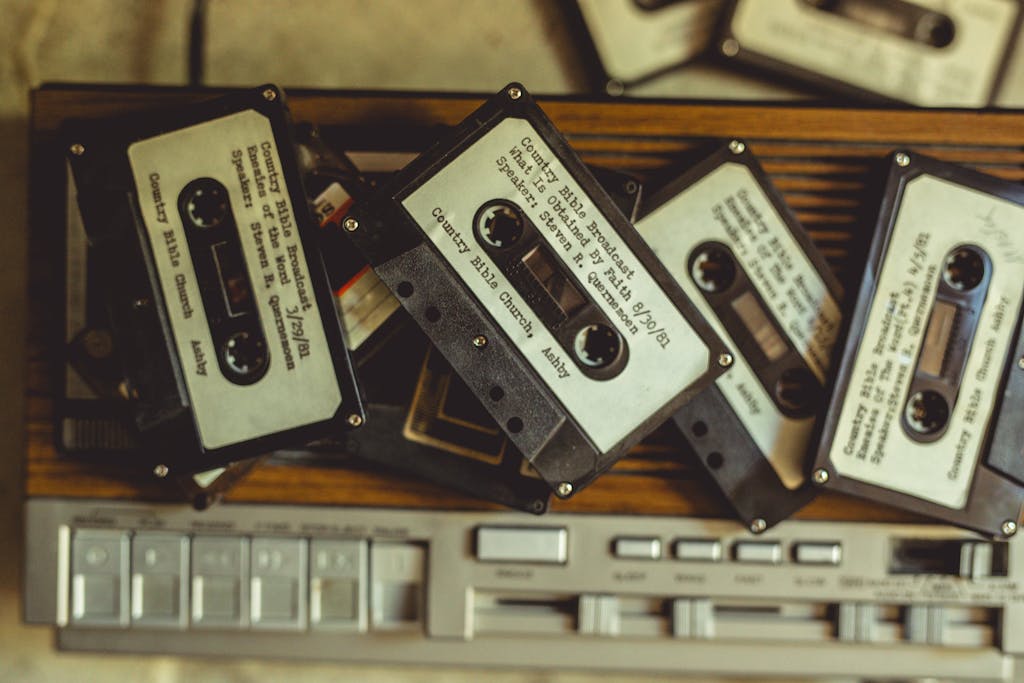
Baby Boomers experienced the rise of physical media, with vinyl records, cassette tapes, CDs, DVDs, and VHS tapes providing entertainment for decades. Whether it was a favorite album, a blockbuster movie, or a home video, these physical formats were the go-to source for media consumption.
However, as streaming services like Netflix, Spotify, and Apple Music have gained popularity, the demand for physical media has plummeted. Digital downloads and cloud-based storage have made it easier than ever to access music, movies, and TV shows without physical discs. Moreover, the convenience of streaming from anywhere at any time has made DVDs and Blu-rays virtually obsolete.
While collectors may still hold on to vinyl records or DVDs as a nostalgic reminder of the past, the future of physical media is undoubtedly limited. The digital age has fundamentally changed the way people consume entertainment, leaving physical formats in the dust.
Print Newspapers
In the 20th century, print newspapers were the primary source of news and information. Baby Boomers grew up with a daily routine of sipping coffee and reading the morning paper. The sound of turning the pages and the ink-stained fingers were part of the experience.
However, in today’s digital age, traditional print newspapers are struggling to stay afloat. With the rise of online news outlets, social media, and mobile apps, more and more people are turning to digital platforms for the latest headlines. Younger generations, in particular, rely on their smartphones and computers for real-time updates, bypassing print media entirely.
The closure of local newspapers and the decline in subscriptions highlight the ongoing trend. While some Baby Boomers may still cherish the ritual of reading a physical newspaper, it’s clear that this tradition is gradually disappearing. Newspapers are becoming increasingly reliant on digital formats, and print editions are expected to become less common in the years to come.
Drive-In Theaters

Drive-in theaters were a popular pastime for Baby Boomers, offering a unique way to enjoy movies in the comfort of your car. With large outdoor screens and sound systems, these theaters created a sense of nostalgia and excitement for moviegoers.
However, the popularity of drive-in theaters has significantly waned in recent years. The rise of streaming services, multiplex theaters, and home entertainment systems has rendered the drive-in experience less appealing. Additionally, the maintenance and operational costs of drive-in theaters make them less financially viable for many owners.
While some Baby Boomers fondly remember the days of watching movies under the stars, it’s clear that drive-in theaters are a dying breed. With fewer drive-ins remaining, it’s only a matter of time before this once-popular form of entertainment becomes a distant memory.
Shopping Malls
Shopping malls were once the heart of retail in America, providing a social hub for Baby Boomers and a wide variety of stores to browse. Malls offered a sense of community, where people could gather, shop, and enjoy dining and entertainment.
However, with the rise of online shopping, the retail landscape has dramatically shifted. E-commerce giants like Amazon have made it easier than ever to shop from the comfort of home, and consumers are increasingly turning to online stores for convenience and competitive pricing. As a result, many shopping malls have seen a decline in foot traffic, leading to store closures and the abandonment of malls across the country.
In addition, the COVID-19 pandemic accelerated the shift toward online shopping, with many consumers opting for contactless delivery and curbside pickup. While some malls are reinventing themselves by incorporating entertainment, dining, and experiential retail, it’s clear that the traditional shopping mall is in decline.
Paper Maps
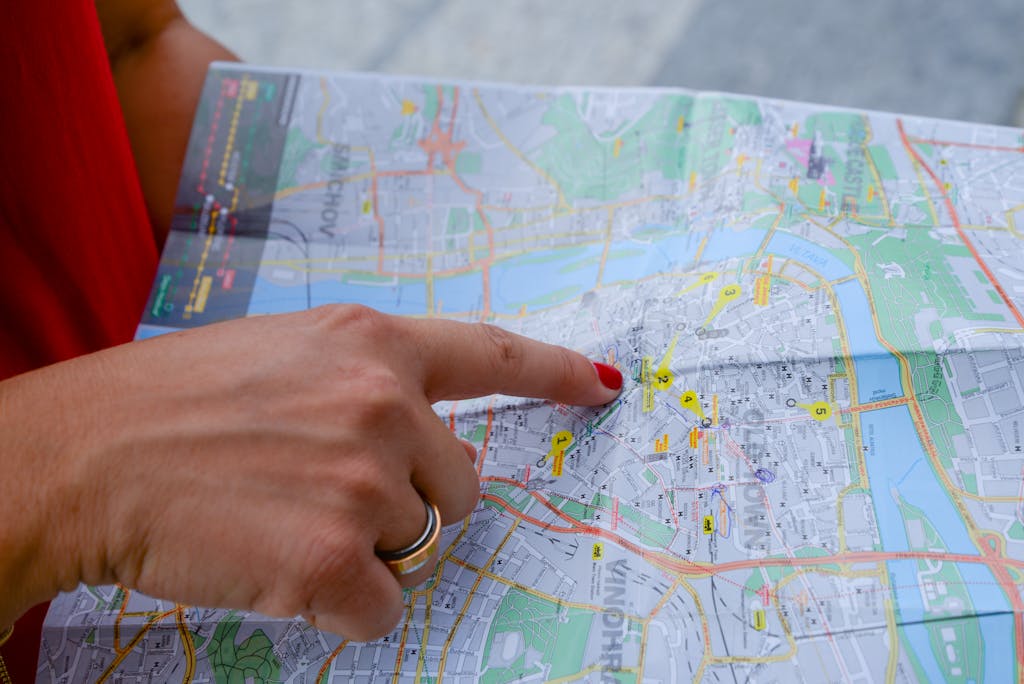
Before the advent of GPS and digital mapping apps, Baby Boomers relied on paper maps to navigate the world. Whether it was planning a road trip or finding their way to a new location, paper maps were an essential tool for navigation.
However, with the rise of smartphones and GPS technology, paper maps have become increasingly obsolete. Digital mapping apps like Google Maps and Apple Maps provide real-time navigation, traffic updates, and step-by-step directions, making paper maps a thing of the past.
While some people may still use paper maps for nostalgia or as a backup in case of a digital failure, it’s clear that the future of navigation lies in digital technology. As smartphones continue to evolve, paper maps will likely be relegated to museums and novelty shops.
Manual Transmission Cars
For many Baby Boomers, driving a manual transmission car was a rite of passage. The experience of shifting gears and having more control over the vehicle made it a beloved feature for those who enjoyed the art of driving.
However, the popularity of automatic transmission vehicles has steadily increased over the years. The convenience of not having to manually shift gears has made automatic cars the preferred choice for most drivers, including Baby Boomers who once swore by manual transmissions.
As automatic transmissions become more advanced and fuel-efficient, the demand for manual cars continues to decrease. While there will always be car enthusiasts who appreciate the manual driving experience, the general public’s preference for automatics signals the end of the stick shift era.
Landline Phones
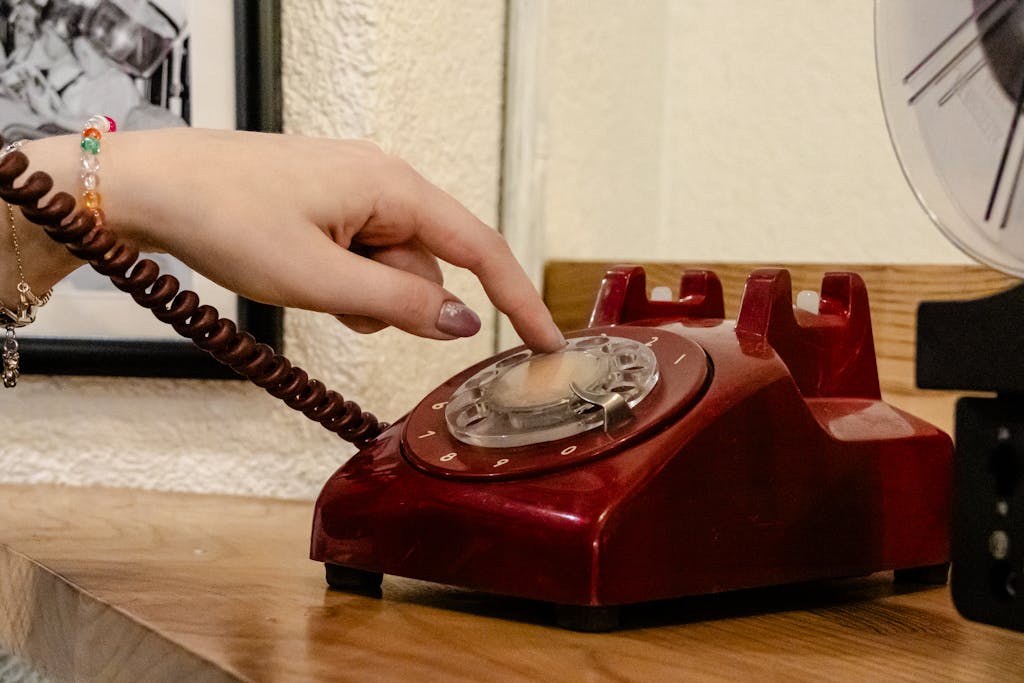
For decades, landline phones were the primary means of communication in American households. Baby Boomers grew up with the comforting sound of a telephone ringing, with the corded device always at the ready for long conversations. Today, mobile phones have taken over, with more people relying on them for calls, texts, and even video chats.
Telecommunication companies have already started phasing out landline services, and many younger generations find the idea of a landline phone antiquated. While some may still hold onto their landline out of nostalgia, it’s clear that this once-iconic piece of technology is on its way out. In fact, some Baby Boomers are cutting the cord and embracing the convenience of smartphones. As 5G technology continues to expand, landlines will become an afterthought.
Traditional Mail
In the past, sending and receiving physical mail was an essential part of everyday life. Whether it was a birthday card, a letter from a loved one, or a bill from the utility company, Baby Boomers grew up with tangible mail arriving at their doorstep. However, the rise of digital communication has made traditional mail increasingly redundant.
With the advent of email, social media, and instant messaging, the need for snail mail has significantly decreased. Younger generations are much more accustomed to communicating electronically, and even Baby Boomers are adopting digital platforms for everything from shopping to keeping in touch with friends and family. In many cases, people now prefer the speed and convenience of email and text messaging over handwritten letters.
As the postal service struggles to stay relevant, the decline of traditional mail seems inevitable. While there will always be a demand for physical mail, such as legal documents or packages, the simple joy of receiving a personal letter is quickly fading.
Conclusion
The disappearance of these once-essential parts of life tells a bigger story than just technological progress; it reflects a shift in how we connect, consume, and experience the world. For Baby Boomers, these items represent memories, routines, and a slower, more tangible way of living. For younger generations, they’re often relics, interesting, but unnecessary in a digital-first world. And that contrast is where the real transformation lies.
Still, not everything truly vanishes. Some of these traditions may survive in niche communities, fueled by nostalgia or a desire for authenticity in an increasingly virtual world. But one thing is certain: as innovation continues to accelerate, today’s normal could easily become tomorrow’s memory.