8 Ways to Avoid Food Poisoning
Food poisoning is a common yet often preventable issue that can arise from eating contaminated food. Whether it’s from bacteria, viruses, or toxins, food poisoning can leave you feeling miserable with symptoms such as nausea, vomiting, diarrhea, stomach cramps, and fever.
While the idea of foodborne illness is unsettling, the good news is that you can significantly reduce your risk by following a few key practices in food handling and preparation. Here are eight essential ways to avoid food poisoning and ensure that your meals are safe, healthy, and delicious.
Keep Your Kitchen Clean
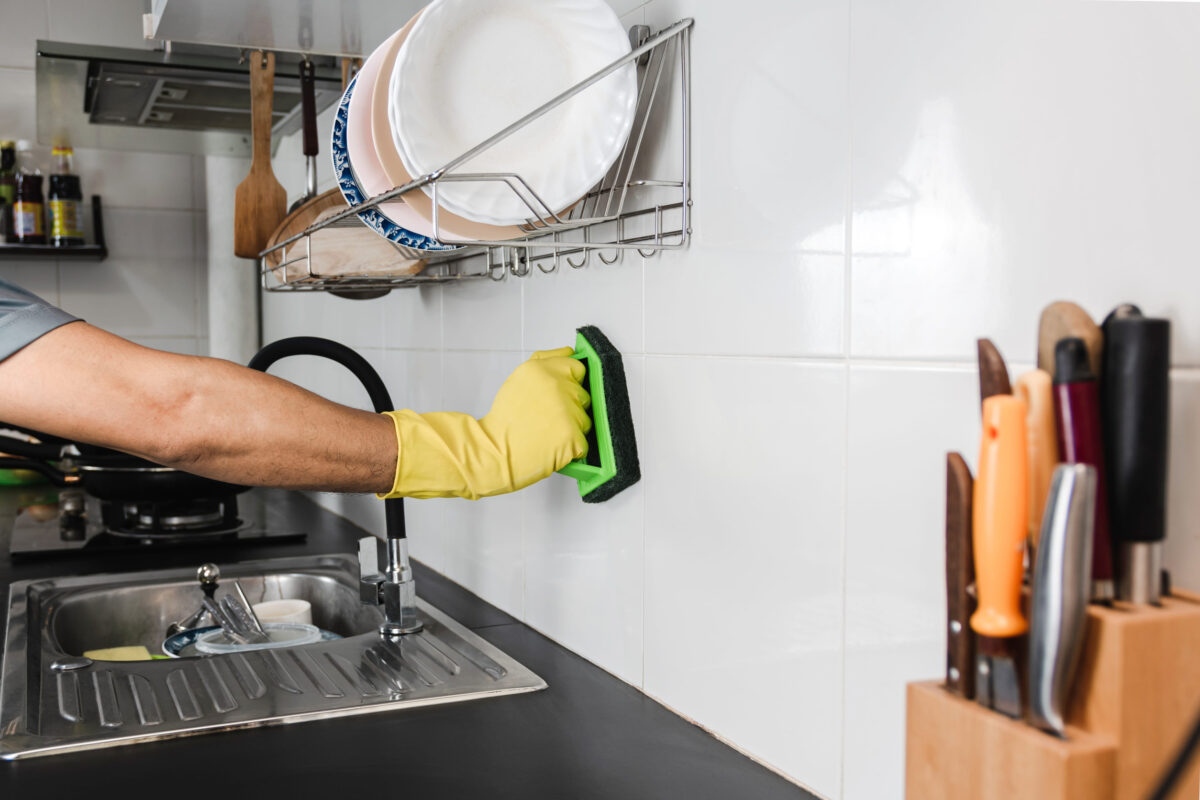
A clean kitchen is a fundamental step in food safety. Germs and bacteria can thrive in unsanitary environments, especially where food is prepared. Wipe down all surfaces regularly, including countertops, cutting boards, and knives.
Use hot, soapy water to clean these surfaces after handling raw food like meat, poultry, and seafood. Don’t forget to clean your refrigerator, stovetops, and microwave as well. By maintaining a clean kitchen, you’re creating a barrier that prevents harmful bacteria from spreading.
Wash Your Hands Frequently
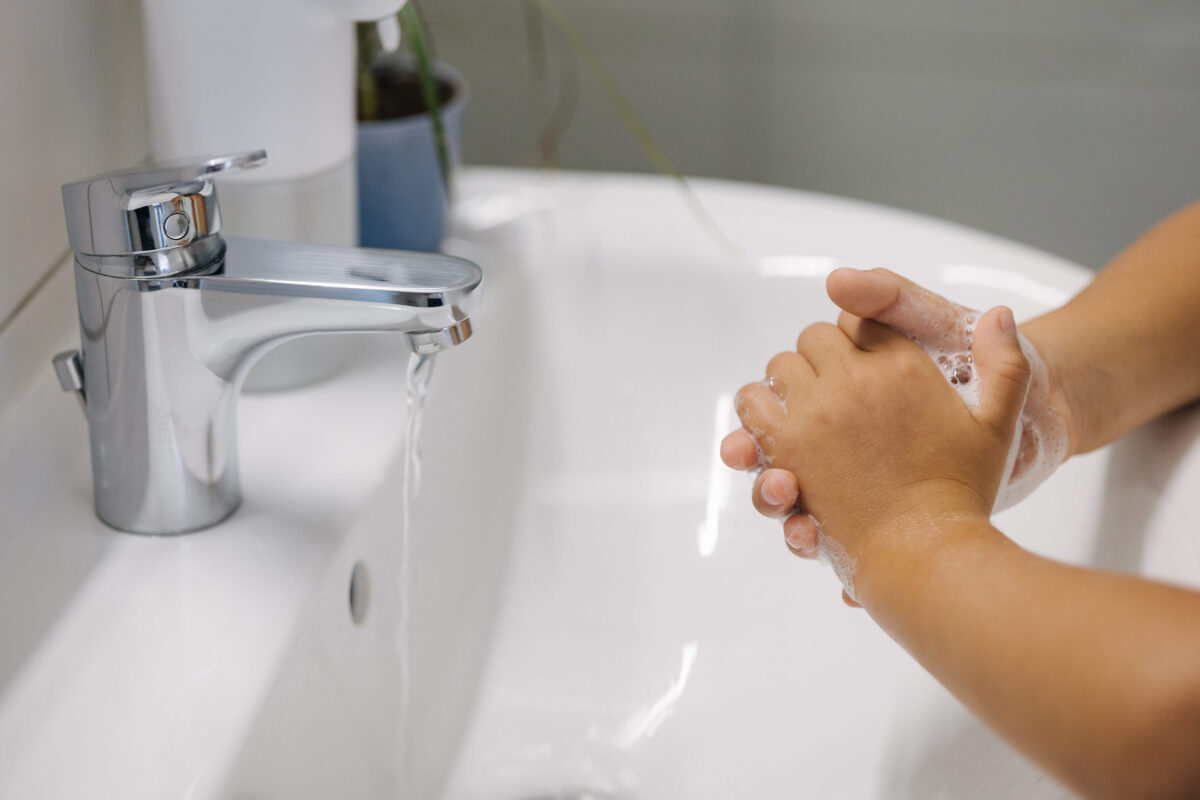
One of the easiest and most effective ways to prevent foodborne illness is by practicing proper hand hygiene.
Before cooking or eating, wash your hands thoroughly with soap and water. This includes after handling raw meat, using the bathroom, and after touching garbage or unclean items. Hand washing is especially important before preparing food for others, as bacteria can be easily transferred through the hands. Consider keeping hand sanitizer nearby, especially if soap and water aren’t available.
Separate Raw and Cooked Foods
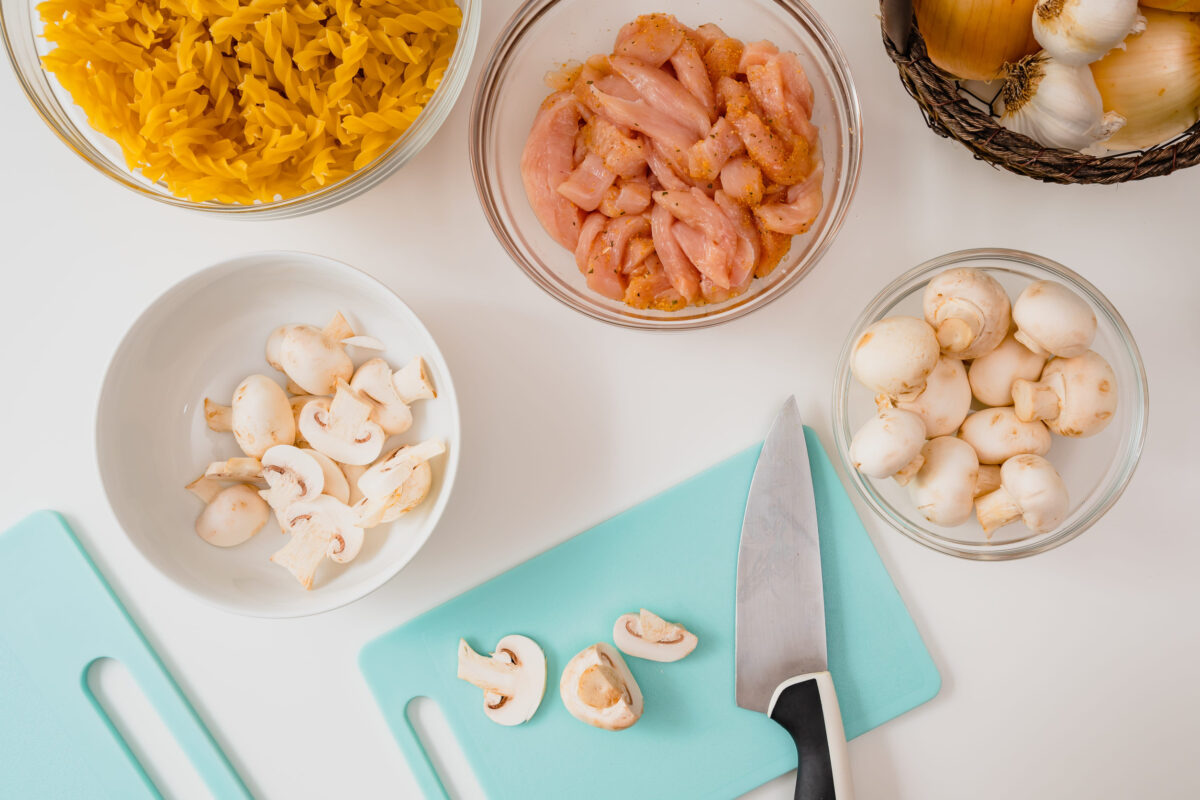
Cross-contamination is a major cause of food poisoning. When raw food, particularly raw meat, touches other foods, especially those that won’t be cooked, bacteria can transfer, making you sick. To avoid this, always separate raw and cooked foods in your kitchen.
Use separate cutting boards, utensils, and plates for raw ingredients such as meat, poultry, and fish. If you do use the same cutting board for both raw and cooked foods, be sure to clean it thoroughly between uses. This simple step can go a long way in keeping your meals safe.
Cook Food to the Right Temperature
Cooking food to the correct internal temperature ensures that harmful bacteria are destroyed. For example, ground beef should be cooked to 160°F (71°C), while poultry should reach an internal temperature of 165°F (74°C).
Use a food thermometer to accurately measure temperature, especially when cooking large cuts of meat. Don’t rely on appearance alone, as some foods may look cooked but still harbor harmful bacteria. By cooking your food to the right temperature, you’re killing any potentially dangerous microorganisms.
Store Food Properly
Proper food storage is essential in preventing the growth of harmful bacteria. First, ensure that your refrigerator is set to 40°F (4°C) or lower, and that your freezer is set to 0°F (-18°C). Store perishable foods in the refrigerator promptly and never leave them out at room temperature for more than two hours.
In hot weather (above 90°F or 32°C), this time is reduced to just one hour. Always store raw meats in sealed containers to avoid leakage and contamination. Additionally, make sure leftovers are reheated to a safe temperature (165°F or 74°C) before consuming them.
Pay Attention to Expiry Dates
Consuming food past its expiration date is a common cause of foodborne illness. While some foods, like canned goods, can last a while after the “best by” date, others, such as dairy, meat, and pre-packaged salads, have a much shorter shelf life.
Always check the expiration dates on labels before purchasing or consuming items. Even if the food looks fine, it’s crucial to consider the product’s age. Also, make sure to store opened packages properly, as exposure to air can cause the food to spoil faster.
Be Careful When Eating Out
Eating at a restaurant or food stand can expose you to foodborne illnesses, especially if food handling practices are not up to standard. While most establishments adhere to food safety regulations, there are still risks.
Look for restaurants that have a good reputation and pay attention to cleanliness. Don’t hesitate to ask how the food is prepared and whether they follow safe cooking and storage practices. If food is served undercooked or at room temperature for too long, avoid eating it. Additionally, avoid eating food that has been sitting out for an extended period, such as buffets or food displays.
Be Mindful of Water and Ice

Contaminated water is another major contributor to food poisoning, especially in regions where sanitation is a concern.
Make sure the water you drink is clean and safe, whether it’s bottled water or filtered. If you’re traveling to areas with questionable water quality, stick to bottled water and avoid drinking tap water, including ice cubes. Ice is often made from nonpotable water, so even a refreshing drink with ice could lead to illness. When in doubt, ask about water safety or choose drinks without ice.
Conclusion
Food poisoning is an unpleasant and potentially dangerous experience, but it is largely preventable by following these eight simple yet essential steps. By maintaining a clean kitchen, washing your hands frequently, separating raw and cooked foods, and cooking meals to the right temperature, you’re setting yourself up for success in the battle against foodborne illness.
Proper food storage and being mindful of expiry dates further protect you from eating contaminated foods. When dining out or traveling, pay attention to the safety of the food and water you’re consuming to avoid unnecessary risks. By practicing these strategies, you can significantly reduce your chances of food poisoning and enjoy your meals with confidence.