10 Foods That Could Make You Seriously Sick After Expiration
That carton of milk, those leftovers in the fridge, or the pack of chicken you “think is still fine” might look harmless, but some of the most dangerous food risks hide in plain sight. Every year, millions of cases of foodborne illness are traced back to foods that were consumed just a little too late.
The problem is that expiration dates aren’t just guidelines; for many foods, they are strict safety cutoffs that can mean the difference between a healthy meal and a serious health emergency. In this article, we’ll break down 10 foods you should never eat after their expiration dates, and why ignoring those dates could put your health at serious risk.
Milk
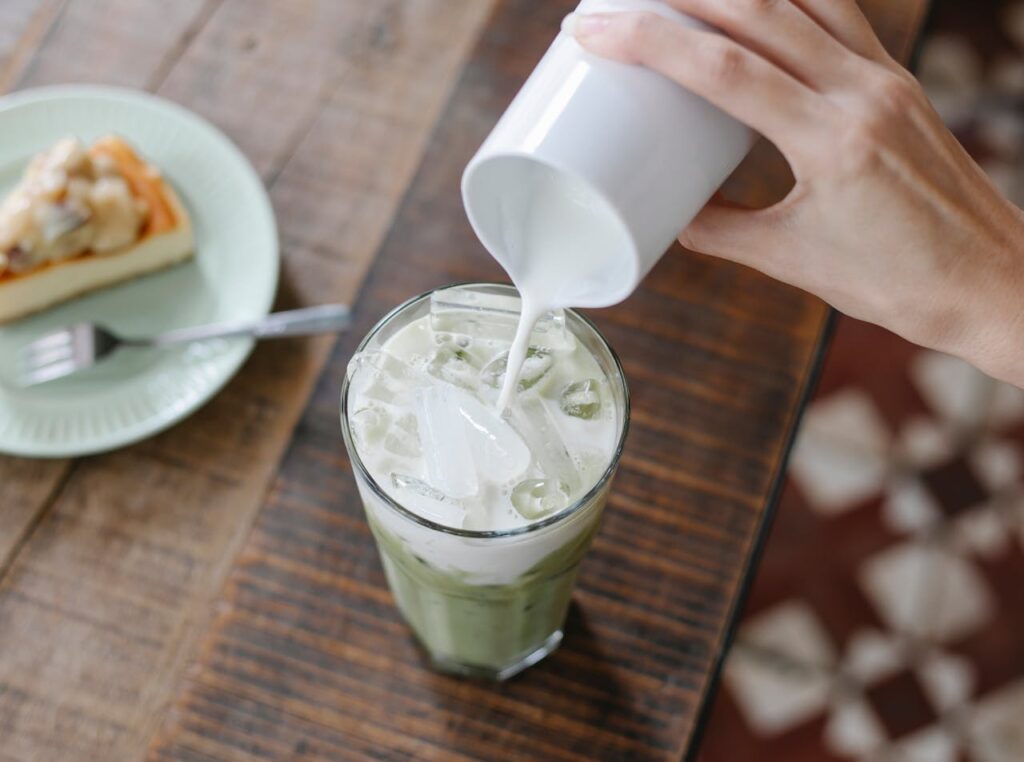
Milk is a staple in many households, but it can quickly turn sour after its expiration date. Consuming expired milk can expose you to harmful bacteria such as E. coli, Salmonella, and Listeria, which thrive in dairy products. These bacteria can cause severe gastrointestinal symptoms, including cramping, diarrhea, and vomiting. It’s best to follow the expiration date closely and avoid taking chances with dairy.
Soft Cheeses
Soft cheeses, such as brie, camembert, and feta, are especially prone to mold and bacterial growth after their expiration date. Consuming these can put you at risk for listeriosis, a serious bacterial infection that can affect pregnant women and those with compromised immune systems. Always check the date and look for signs of mold or a sour odor before consuming.
Eggs
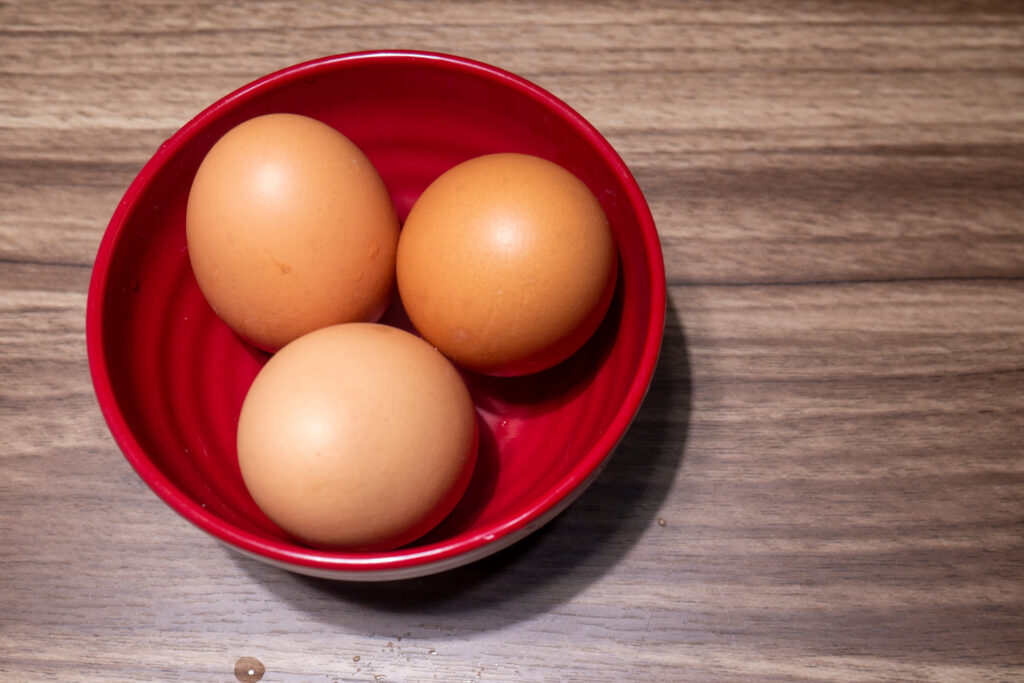
Eggs are another food item that can harbor harmful bacteria, such as Salmonella, if consumed after their expiration date. To check whether eggs are still safe to eat, you can use the float test. Fresh eggs will sink and lie flat on their sides, while bad eggs will float. If you’re unsure, it’s better to toss them to avoid the risk of illness.
Fruit Juices
Freshly squeezed juices, without preservatives, are susceptible to spoilage and bacterial contamination. These beverages, when consumed after their expiration date, can cause gastrointestinal discomfort, including vomiting and diarrhea. If your juice smells off or looks unusual, it’s best to throw it out.
Fresh Meat
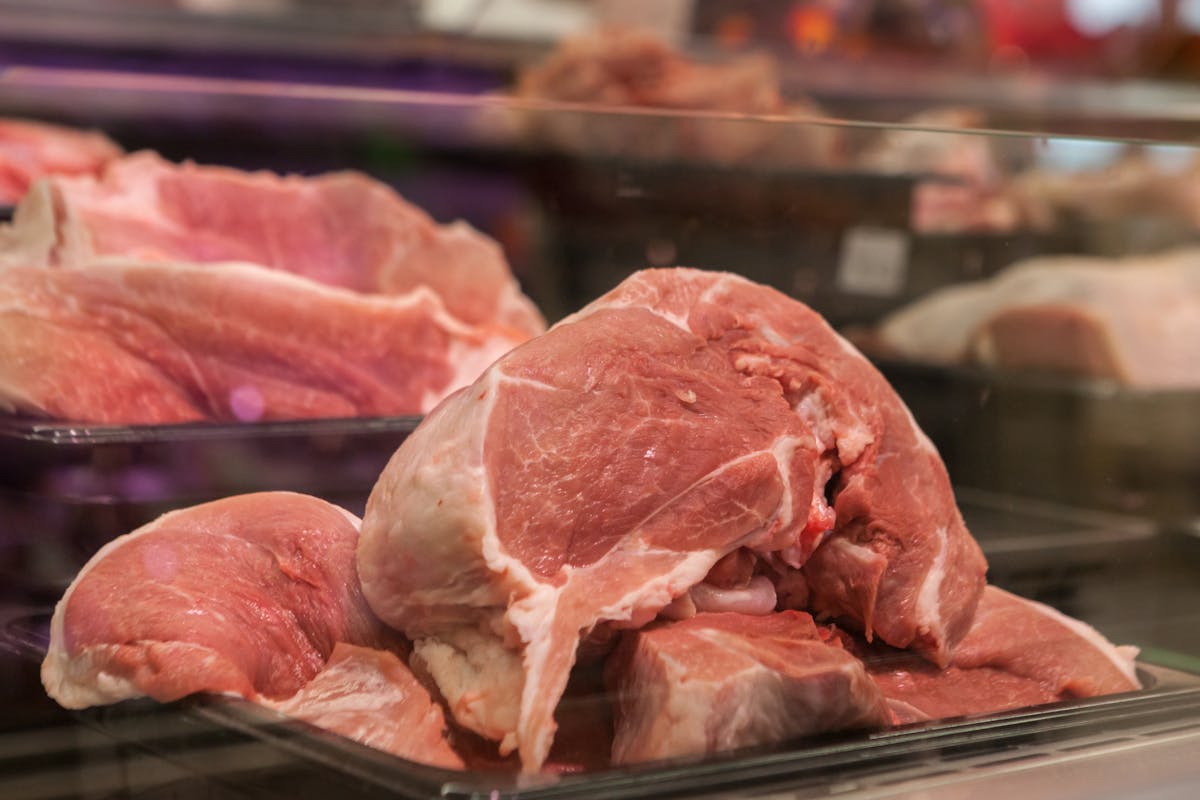
Fresh meats like beef, pork, and poultry, as well as ground meat, are highly susceptible to contamination with Salmonella and E. coli after their expiration dates. Improper handling and storage can exacerbate the risk. Studies show that poultry products, such as chicken and turkey, are often contaminated with harmful bacteria, making it crucial to check expiration dates and follow proper cooking procedures.
Seafood
Seafood, particularly shellfish and fish, should never be consumed past its expiration date. Seafood spoils quickly, and bacteria or parasites can multiply rapidly, leading to severe foodborne illness. If seafood smells “fishy,” sour, or ammonia-like, it should be discarded immediately. Raw fish, like sushi, can pose an even higher risk if consumed beyond its expiration date.
Yogurt

Yogurt, especially when made with live probiotics, has a high moisture content, which can create an ideal environment for bacterial growth once past its expiration date. Even if it seems fine at first glance, expired yogurt can cause stomachaches, nausea, and diarrhea. If it smells sour or has an unusual texture, it’s better to discard it.
Sprouts or Microgreens
Sprouts and microgreens, like alfalfa and arugula, are often eaten raw, which increases the risk of bacterial contamination, including Salmonella and E. coli. The warm, moist conditions in which sprouts grow are ideal for bacteria, and the risk increases if they are consumed after their expiration date. Always check these products carefully, especially if they have been stored for too long.
Sushi
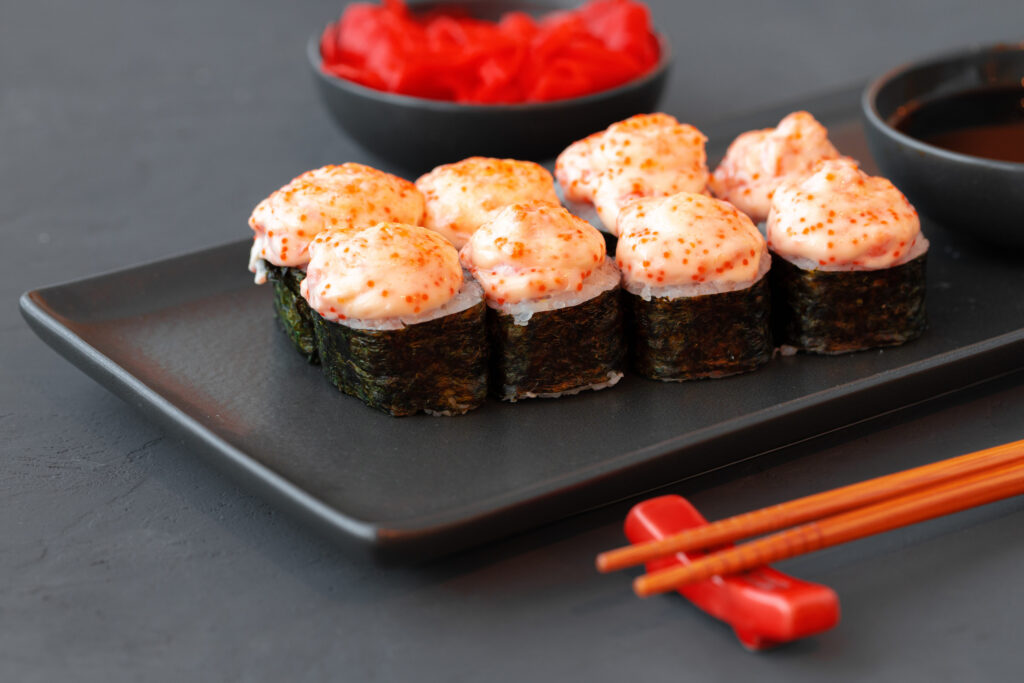
Sushi, particularly that made with raw fish, is highly perishable and should never be consumed after their expiration date. Raw fish can carry harmful bacteria and parasites, increasing the risk of food poisoning. Freezing raw fish for at least 24 hours can help eliminate parasites, but it’s always safer to adhere to expiration dates and storage guidelines to avoid health risks.
Cooked Leftovers
Cooked leftovers that have been stored for more than three to four days in the refrigerator are prime candidates for bacterial growth. Even if they look and smell fine, they can harbor bacteria like Listeria or Bacillus cereus that can cause foodborne illness. It’s essential to follow proper food storage guidelines and reheat leftovers thoroughly to reduce the risk.
Conclusion
Expiration dates are not just labels to be ignored or stretched; they are essential safety markers designed to protect you from harmful bacteria and foodborne diseases. While some foods may still look, smell, or even taste fine after their expiry, appearances can be misleading when it comes to contamination.
From dairy and seafood to leftovers and fresh produce, the risks of consuming expired foods often outweigh any attempt to avoid waste. By paying close attention to storage guidelines and respecting expiration dates, you’re not just preventing illness, you’re actively protecting your long-term health and well-being.