9 Ingredients in Processed Foods That You Should Avoid at All Costs
Processed foods are ubiquitous in our modern world, offering convenience and quick meals for our fast-paced lives. However, many of these foods come with hidden dangers in the form of unhealthy ingredients. While they may be tempting with their long shelf life and quick preparation, some of the ingredients used in processed foods can be harmful to our health.
It’s crucial to recognize these ingredients and take steps to avoid them, as they can contribute to various chronic conditions like obesity, heart disease, diabetes, and even cancer. Here are nine ingredients found in processed foods that you should steer clear of at all costs.
High-Fructose Corn Syrup (HFCS)

High-fructose corn syrup is one of the most common sweeteners in processed foods. Found in everything from soda to snacks and baked goods, HFCS is made by converting corn starch into a syrup that’s high in fructose, a type of sugar.
The problem with HFCS lies in its effects on your body. Studies have shown that it contributes to obesity, insulin resistance, and fatty liver disease. The body processes fructose differently from glucose, leading to more fat storage and a greater risk of metabolic diseases. HFCS has also been linked to an increase in visceral fat,the harmful fat stored around your organs.
Why Avoid It: HFCS spikes blood sugar and leads to weight gain. It’s also one of the key contributors to the rising rates of obesity and metabolic syndrome.
Trans Fats
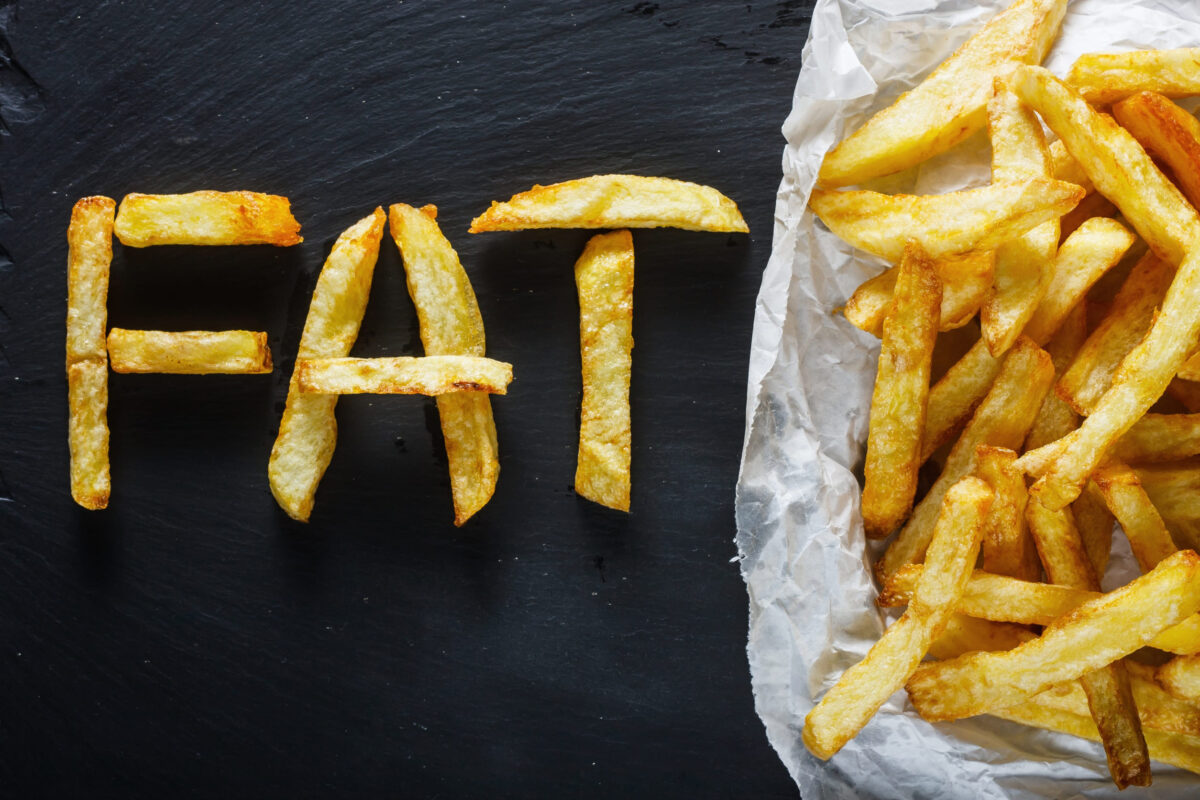
Trans fats, also known as partially hydrogenated oils, are commonly used in processed foods to enhance flavor, texture, and shelf life.
You’ll find them in items like cookies, crackers, chips, and microwave popcorn. While they are cheap and have a long shelf life, trans fats are notorious for raising bad cholesterol (LDL) levels while lowering good cholesterol (HDL). This imbalance increases the risk of heart disease, stroke, and type 2 diabetes. Even small amounts of trans fats can significantly impact your cardiovascular health.
Why Avoid It: Trans fats are linked to serious heart problems and should be avoided at all costs. They can also increase systemic inflammation and contribute to chronic diseases.
Artificial Colorings
Artificial colorings are used in processed foods to make them look more appealing. These synthetic dyes, often found in candies, soft drinks, and packaged snacks, are made from petroleum and are not natural substances. One of the most common dyes, Red 40, has been linked to hyperactivity and other behavioral issues in children.
Other artificial colorings have been associated with allergic reactions and even cancer in animal studies. The use of these chemicals has raised concerns about their long-term health effects, especially in children.
Why Avoid It: Artificial colorings provide no nutritional value and can cause behavioral issues and allergic reactions. They have also been linked to cancer in some studies, making them best avoided.
Monosodium Glutamate (MSG)
Monosodium glutamate, or MSG, is a flavor enhancer commonly found in processed foods, including soups, chips, sauces, and fast food. While MSG is often used to make foods taste more savory, it has been shown to have detrimental effects on the body.
Some people are sensitive to MSG and experience symptoms like headaches, sweating, and chest pain, collectively known as “Chinese Restaurant Syndrome.” In addition, excessive MSG consumption has been linked to obesity, insulin resistance, and neurodegenerative diseases.
Why Avoid It: MSG may cause adverse reactions in sensitive individuals and has been linked to long-term health problems like obesity and brain damage. It’s best to avoid it whenever possible.
Artificial Sweeteners
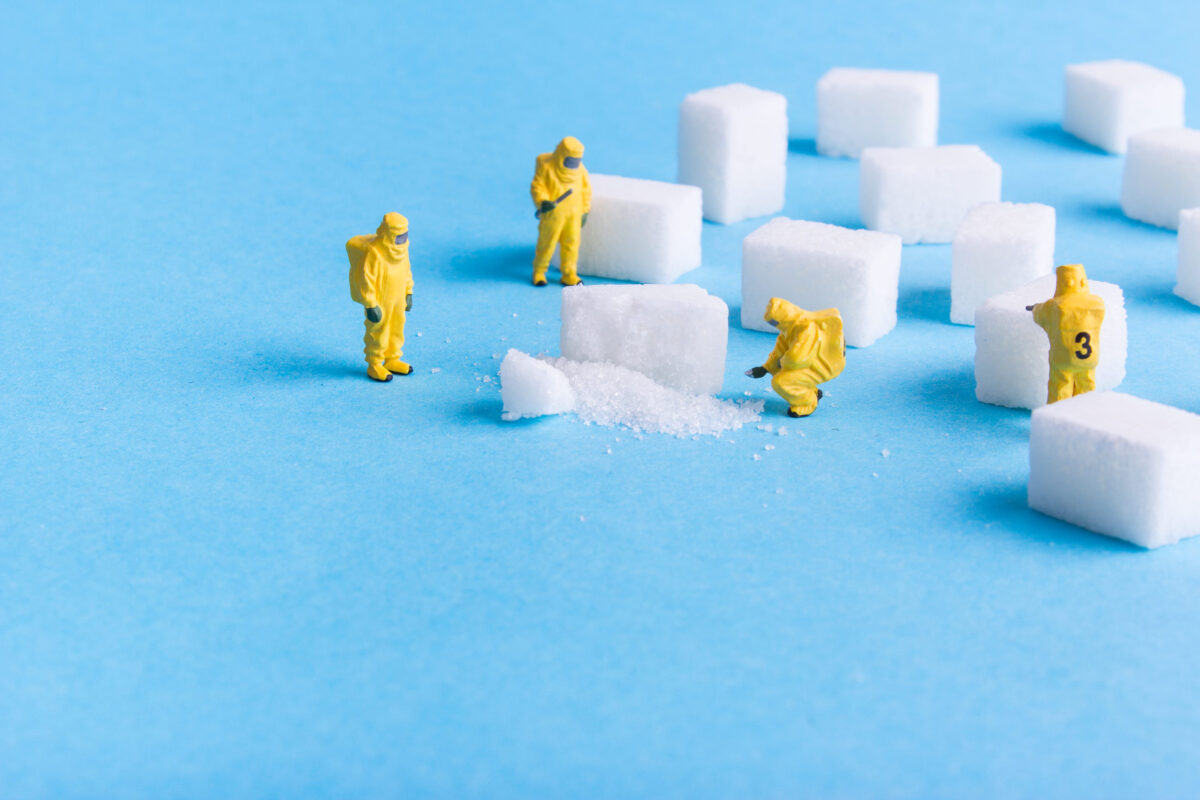
Artificial sweeteners like aspartame, sucralose, and saccharin are often added to processed foods to replace sugar. They may seem like a healthier alternative, but studies suggest that they may actually cause more harm than good.
For instance, some artificial sweeteners have been linked to a higher risk of metabolic disorders, obesity, and even cancer. Additionally, they can disrupt the balance of gut bacteria, leading to digestive problems and a weakened immune system. Aspartame, one of the most commonly used artificial sweeteners, has been linked to headaches and dizziness in some people.
Why Avoid It: Artificial sweeteners can disrupt your metabolism, cause digestive issues, and may even be carcinogenic. Opt for natural sweeteners like stevia or raw honey instead.
Sodium Nitrate and Nitrites

Sodium nitrate and sodium nitrite are preservatives commonly used in processed meats like bacon, hot dogs, and sausages. While they help preserve the color and flavor of meats, they can be extremely harmful to your health. When consumed, these compounds can turn into carcinogenic substances in the body. Studies have shown a strong link between processed meats containing nitrates and an increased risk of colorectal cancer.
These preservatives also increase the formation of free radicals in the body, which can damage cells and contribute to the aging process.
Why Avoid It: Nitrates and nitrites are linked to cancer and free radical damage. Choosing fresh meats over processed ones can significantly reduce your risk of developing chronic diseases.
Propylene Glycol
Propylene glycol is a synthetic substance commonly used as a food additive in processed foods, particularly in packaged sweets, salad dressings, and flavorings. It serves as a stabilizer and moisture-retaining agent, but it’s essentially a chemical that’s also used in antifreeze.
While it’s generally considered safe in small quantities, studies suggest that excessive exposure to propylene glycol may cause kidney damage, allergic reactions, and developmental issues in children.
Why Avoid It: Propylene glycol is an industrial chemical that can lead to kidney problems and allergic reactions. It’s best to opt for natural preservatives and additives instead.
BHA and BHT
Butylated hydroxyanisole (BHA) and butylated hydroxytoluene (BHT) are antioxidants commonly used to preserve the shelf life of processed foods. Found in items like cereals, chips, and packaged snacks, BHA and BHT have been linked to a range of health issues.
These chemicals have been shown to cause hormonal imbalances, liver damage, and even cancer in animal studies. They also have the potential to disrupt the endocrine system, leading to reproductive issues and developmental delays in children.
Why Avoid It: BHA and BHT are toxic chemicals that can interfere with your body’s hormonal balance and may even contribute to cancer. Look for foods without these preservatives to avoid the risk.
Partially Hydrogenated Oils
Partially hydrogenated oils are another type of trans fat found in many processed foods. These oils are created through a chemical process called hydrogenation, which turns liquid oils into solid fats. While they are cheaper and have a longer shelf life than natural fats, they are extremely harmful to your health. These oils contribute to increased bad cholesterol (LDL) and decreased good cholesterol (HDL), putting you at risk for heart disease.
They can also cause inflammation, which is linked to a variety of chronic conditions, including arthritis and diabetes.
Why Avoid It: Partially hydrogenated oils are trans fats that wreak havoc on your cholesterol levels and increase inflammation. Avoid foods containing these oils to protect your heart and overall health.
Conclusion
In today’s fast-paced world, it can be tempting to rely on processed foods for convenience, but it’s crucial to be aware of the harmful ingredients they often contain. High-fructose corn syrup, trans fats, artificial colorings, MSG, and other additives can negatively affect our health in both the short and long term. From increased risks of obesity and heart disease to potentially harmful chemical reactions in our bodies, these ingredients are best avoided to maintain a healthy lifestyle.
The best way to protect yourself and your family is to read food labels carefully, choose whole, unprocessed foods whenever possible, and opt for natural ingredients. By making informed decisions about the foods you consume, you can significantly improve your health and well-being. Take charge of your diet and choose quality, nutritious foods that nourish your body rather than harm it.