10 “Natural” Foods That Are Actually Packed with Harmful Additives
The word “natural” has become one of the most powerful tricks on a food label. It makes a product sound clean, fresh, and close to homemade, even when the ingredient list tells a different story. Many packaged foods that look wholesome still contain added sugars, excess sodium, preservatives, thickeners, flavor enhancers, and colorings that can quietly turn a healthy choice into a daily problem.
That does not mean every additive is dangerous. Food additives can help preserve food, improve texture, or prevent spoilage, and the FDA says ingredients generally must be declared on labels. The World Health Organization also notes that food additives can come from plants, animals, minerals, or synthetic sources, so “natural” does not automatically mean additive-free. The real issue is how often we eat these foods, how many additives they contain, and what they replace in our diet.
Flavored Yogurt That Looks Healthy
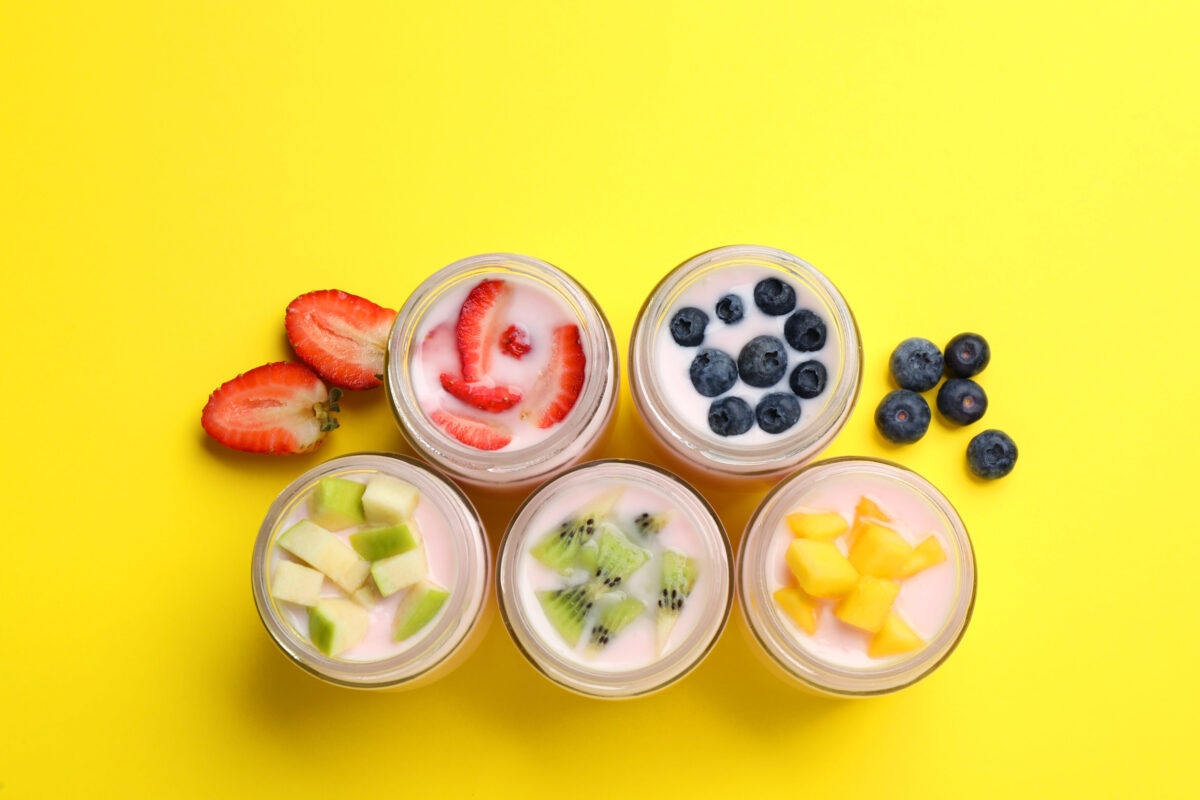
Flavored yogurt often wears a health halo because it contains dairy, protein, and sometimes probiotics. The problem starts when fruit flavor means syrup, sweetened fruit puree, artificial flavor, modified starch, and extra sugar. Some cups can taste more like dessert than breakfast, especially the ones with candy pieces, cookie crumbles, or “fruit on the bottom” layers.
A better choice is plain Greek yogurt with real fruit, cinnamon, or a small spoon of honey. This gives you more control over sweetness without turning your morning snack into a sugar-heavy bowl.
Granola With a Clean Label Image
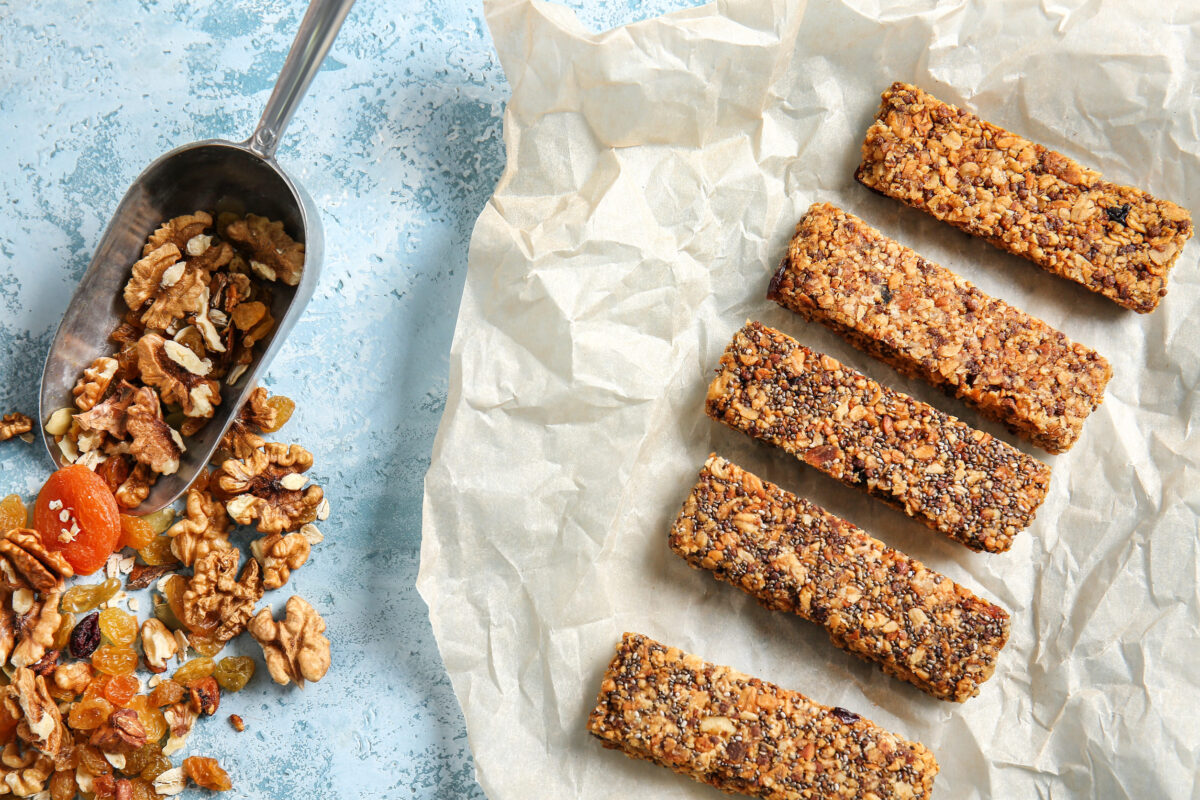
Granola sounds rustic and healthy, almost like something scooped from a farmhouse jar. But many packaged granolas rely on added sugars, oils, syrups, preservatives, and flavorings to create that crunchy texture people love. “Honey,” “maple,” and “coconut sugar” may sound gentler, but they still count as added sugars when used to sweeten the product.
The CDC cites the Dietary Guidelines for Americans, which recommend that people age 2 and older limit added sugars to no more than 10% of daily calories. Granola can burn through that limit quickly when the serving size is tiny, and the bowl keeps getting refilled.
Bottled Smoothies That Pretend to Be Fresh
A bottled smoothie can look like a shortcut to wellness, especially when the front label shows berries, mangoes, spinach, and chia seeds. The back label may tell another story. Many bottled smoothies contain fruit juice concentrates, added sweeteners, stabilizers, preservatives, and “natural flavors” that make them taste fresh long after they leave the factory.
The danger is that people drink them quickly and still feel hungry. Whole fruit gives you fiber, chewing time, and better portion control. A bottled smoothie can turn several servings of fruit into a fast sugar rush.
“Natural” Deli Meats

Deli turkey, ham, chicken, and roast beef are often considered lean protein choices. Some brands even use labels like “uncured,” “natural,” or “no artificial preservatives.” Yet many still contain high sodium, flavorings, celery powder, cultured celery extract, or other curing-style ingredients that can behave much like traditional preservatives.
Processed meat has a stronger health warning than many people realize. The WHO classified processed meat as carcinogenic to humans based on evidence linking it to colorectal cancer. That does not mean one sandwich ruins your health, but daily deli meat should not be treated like the same thing as freshly cooked chicken or turkey.
Plant-Based Meat Alternatives
Plant-based burgers, sausages, nuggets, and deli slices can be useful for people who are reducing their meat intake. Still, “plant-based” does not always mean simple. Some products contain long ingredient lists filled with isolates, gums, stabilizers, flavor enhancers, added oils, colorings, and high sodium to mimic the taste and texture of meat.
The smarter move is to read the label rather than trust the trend. Beans, lentils, tofu, tempeh, mushrooms, and chickpeas are usually cleaner plant-based staples because they need fewer factory tricks to taste like themselves.
Veggie Chips That Are Mostly Snack Food
Veggie chips sound better than regular chips because their name suggests sliced vegetables. In many cases, the product is still mainly starch, oil, salt, powders, and color. Some brands use vegetable powders more for color and marketing than meaningful nutrition.
These snacks can also be high in sodium. The American Heart Association says more than 70% of the sodium people eat in the U.S. comes from packaged, prepared, and restaurant foods, not the salt shaker. Veggie chips fit that pattern perfectly when people eat them as a “healthy” unlimited snack.
Instant Oatmeal Packets
Oats are among the best breakfast foods when kept simple. Instant oatmeal packets, however, can turn a great food into a sweetened, flavored product with added sugars, salt, artificial or natural flavors, gums, and dried fruit pieces coated in sugar.
The flavored packets are also easy to underestimate because they come in small servings. One packet may not satisfy you, so two packets can double the sugar and sodium before the day has truly started. Plain oats with banana, nuts, seeds, or cinnamon are a much better base.
Bottled Salad Dressings
Salad dressing can make vegetables taste exciting, but bottled “natural” dressings are often packed with added sugar, sodium, gums, preservatives, and refined oils. Creamy dressings may also contain stabilizers that help maintain a smooth texture on the shelf for months.
The sneaky part is portion size. Many people pour far more than the suggested serving. A healthy salad can quickly become a salty, sweet, additive-heavy meal when the dressing does most of the talking. Olive oil, lemon juice, vinegar, herbs, mustard, and a little salt can do the job with fewer surprises.
Plant-Based Milks With Too Many Extras
Almond milk, oat milk, coconut milk, and other plant-based drinks are often seen as lighter and cleaner than dairy. Some are simple, but others contain added sugars, oils, gums, emulsifiers, stabilizers, and flavorings. Vanilla versions are especially likely to carry extra sweeteners.
This does not mean plant-based milk is bad. It means the best option is usually unsweetened and made with a short ingredient list. If the carton reads more like a chemistry project than a kitchen recipe, the “natural” image deserves a second look.
Protein Bars That Act Like Candy Bars
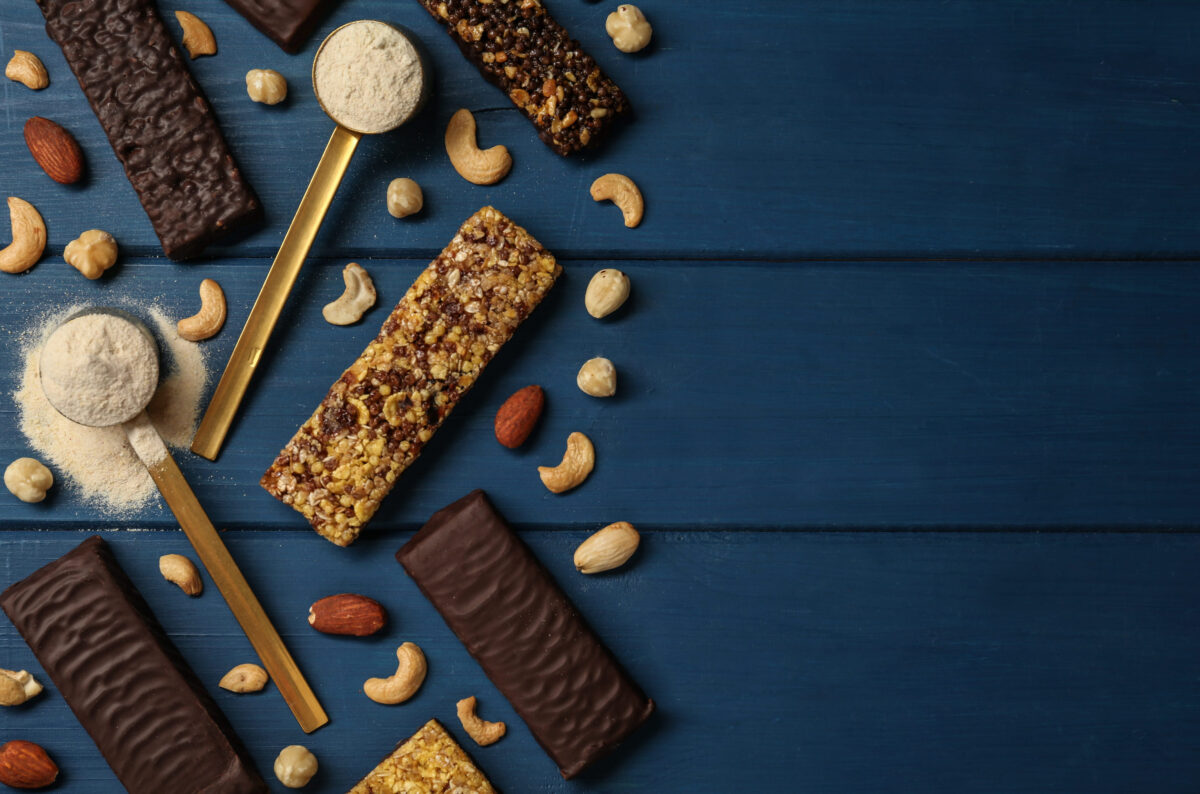
Protein bars are marketed as fitness, breakfast, and snack food, and sometimes even as weight-loss food. Yet many contain sugar alcohols, syrups, artificial or natural flavors, preservatives, chocolate coatings, palm oils, and highly processed protein isolates. Some are closer to candy bars with a gym membership.
They may help in a pinch, especially after training or during travel. But relying on them every day can crowd out better protein sources like eggs, beans, fish, chicken, yogurt, tofu, nuts, and seeds. A bar should be backup food, not the foundation of a healthy routine.
Conclusion
“Natural” food labels can be comforting, but they should never replace common sense. A product can be organic-looking, earth-toned, plant-based, gluten-free, or protein-rich, yet still contain a long list of additives, added sugars, excess sodium, and preservatives. The front of the package is advertising. The ingredient list is where the truth usually lives.
The safest habit is simple: choose more foods that look as close as possible to how they came from nature. Plain oats beat flavored packets. Whole fruit beats bottled smoothies. Fresh chicken beats deli slices. Beans and lentils beat ultra-processed plant-based meats. You do not need a perfect diet, but you do need a sharper eye. The more a food needs additives to taste fresh, sweet, creamy, crunchy, or “healthy,” the more carefully you should question it.