10 Expensive Mistakes to Avoid When Buying a Home
Buying a home is one of the biggest financial commitments most of us will make in our lifetime. While it’s easy to get caught up in the excitement, it’s crucial to approach the process carefully to avoid costly mistakes that could have long-lasting impacts.
This guide highlights the top mistakes to avoid to ensure a smooth, financially sound home-buying experience.
Failing to Get Mortgage Pre-Approval

One of the first mistakes many homebuyers make is diving into the home search before securing mortgage pre-approval. Pre-approval shows sellers that you are a serious buyer with the financial backing to follow through on an offer.
Without it, you risk losing out on properties, especially in competitive markets where sellers may prioritize buyers who have already proven their ability to finance the purchase. Getting pre-approved also gives you a better idea of how much house you can afford, helping you set realistic expectations from the start.
Ignoring the True Monthly Payment
Many buyers fixate on the house price alone and overlook the real costs of homeownership, including property taxes, insurance, utilities, and maintenance. Without considering these additional expenses, buyers may find themselves stretched too thin, especially when mortgage rates fluctuate.
It’s essential to calculate the true monthly payment before committing to any home. This includes using an online mortgage calculator to factor in all costs to ensure that you can comfortably manage your new financial responsibilities.
Skipping the Home Inspection
In an effort to close the deal quickly or in a competitive market, some buyers make the mistake of skipping the home inspection. This can lead to disaster, as it may prevent you from discovering significant problems such as foundation issues, faulty wiring, or plumbing problems.
Even if the house looks pristine, a professional inspection will uncover hidden problems that could cost you thousands of dollars to repair. Don’t be tempted to skip this essential step, as it provides a critical look at the property’s condition before you make your final decision.
Failing to Negotiate the Price
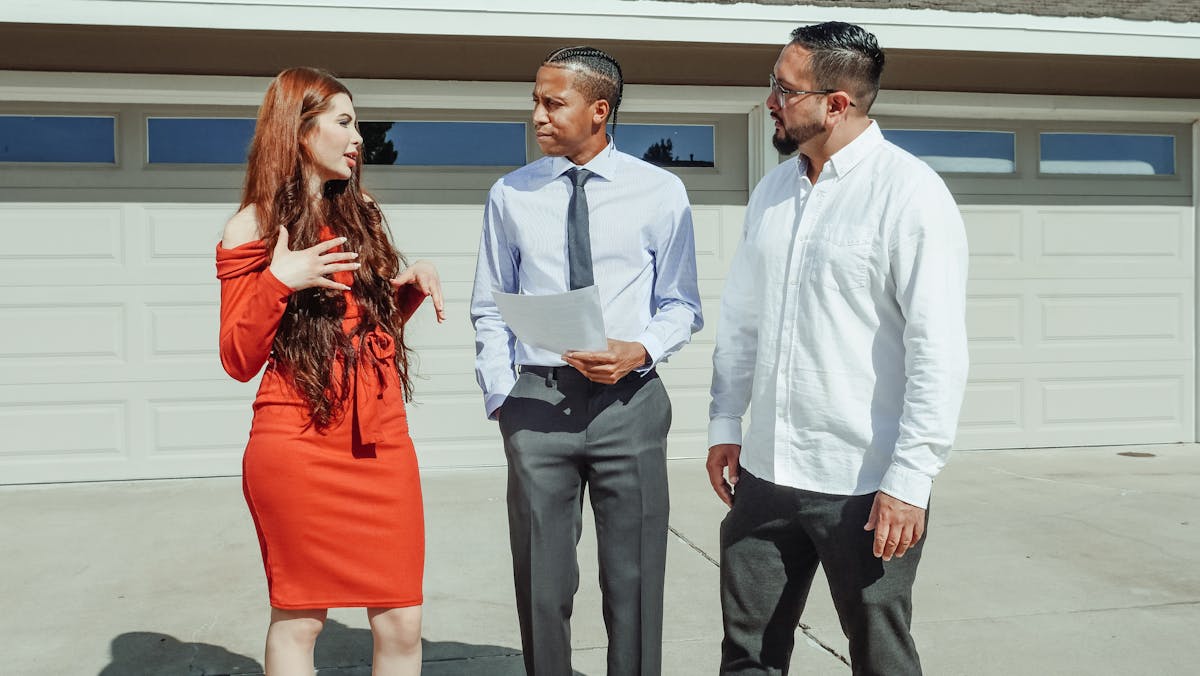
Many buyers simply accept the asking price without considering the opportunity to negotiate. However, buying a home is often one of the largest financial transactions you’ll make, and even shaving 1-2% off the price can result in substantial savings.
Buyers should always research the local market and comparable sales to determine the home’s fair value. If the price seems too high, don’t hesitate to put in a lower offer. Sellers often expect negotiation, and you could save a significant amount in the process.
Overlooking Closing Costs
While many buyers focus on saving for the down payment, they often overlook the additional costs that come with closing the deal. Closing costs can include appraisal fees, title insurance, loan origination fees, and various other expenses that can add up to thousands of dollars.
These costs are typically paid at closing, and underestimating them can cause financial strain at a crucial moment. It’s important to plan for these costs in advance by budgeting accordingly and reviewing the closing statement thoroughly before signing any documents.
Focusing Too Much on Aesthetics
It’s easy to be swept away by a home’s stylish décor or stunning finishes, but focusing solely on aesthetics can lead to regret. Features like expensive countertops, custom cabinets, or luxury flooring may seem appealing, but they don’t address the more important aspects of the home, such as its structural integrity, location, and long-term livability.
Always prioritize practical considerations like the home’s layout, neighborhood, and potential for future growth over temporary design trends that can easily be changed later.
Failing to Research the Neighborhood

Buying a home means more than just investing in the property itself; it’s also about investing in the neighborhood. Some buyers fall in love with a house but neglect to research the surrounding area. It’s crucial to understand the neighborhood’s safety, amenities, schools, and overall vibe before making an offer.
Checking crime rates, nearby schools, public transport access, and future development plans will ensure you’re making an informed decision about your home and its location.
Making Emotional Decisions
It’s natural to want to find a home that feels perfect, but making decisions based solely on emotion can lead to costly mistakes. A breathtaking view, charming features, or an emotional attachment to a home can cloud your judgment and make you overlook important details.
Always remember to balance your emotional attachment to a property with logical decisions based on your needs, budget, and long-term goals. Letting your heart overrule your head could result in a home that doesn’t actually fit your lifestyle or financial plans.
Not Understanding Mortgage Terms
Many buyers sign up for mortgages without fully understanding the terms and conditions. This can lead to confusion down the road, particularly if there are unexpected rate changes or fees. Whether you’re considering a fixed-rate or adjustable-rate mortgage, you need to understand how your monthly payments will evolve over time.
Speak with a mortgage broker or financial advisor to ensure you fully understand the loan agreement, including the interest rate, term length, penalties for early repayment, and any hidden costs.
Underestimating the Cost of Repairs

Even if a home looks move-in ready, there are always maintenance tasks that need to be done, whether it’s updating the plumbing, painting the walls, or fixing minor wear and tear. Failing to account for future repairs can leave you financially unprepared when something breaks.
Set aside a repair and maintenance budget to cover unexpected expenses, and consider hiring a contractor to evaluate any major repairs before finalizing the purchase. This will help you avoid unpleasant surprises after moving in.
Conclusion
Buying a home is a monumental decision, and it’s easy to make mistakes when the process becomes overwhelming. However, being prepared, doing your research, and approaching the process methodically can help you avoid the most common and costly pitfalls.
Remember to stay within your budget, prioritize practicality over aesthetics, and seek professional advice when necessary. By staying diligent and avoiding these mistakes, you can make the right choice and secure a home that not only meets your needs but also supports your financial well-being for years to come.